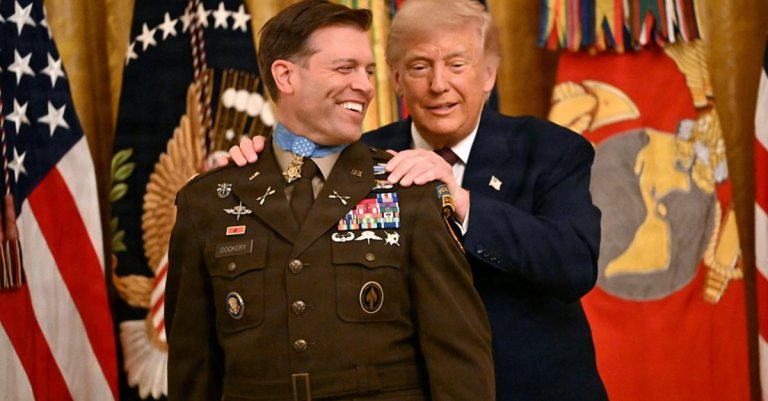
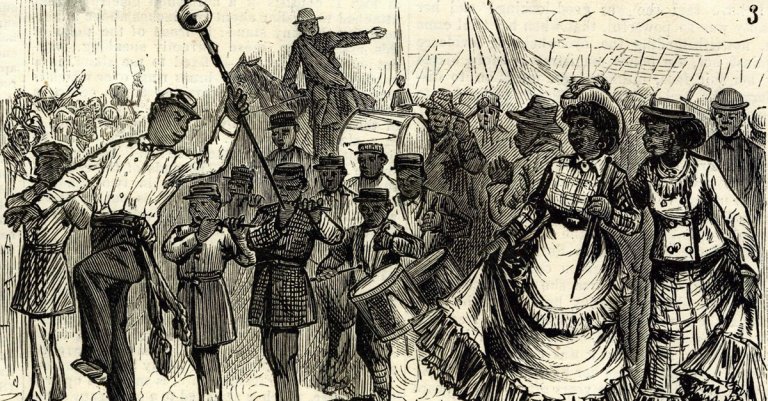
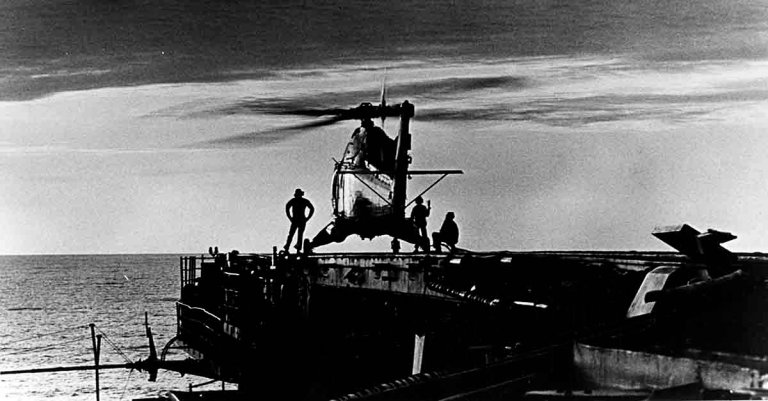
The Pentagon didn’t pop into existence fully formed; it evolved—sometimes gracefully, often grudgingly—out of a much leaner system that began with the Department of War in 1789.
In the early days of the American republic, that one civilian-led office oversaw the Army and, for a while, most naval affairs as well. As the young fleet’s needs outgrew the War Department’s ability to control it, Congress established a separate Department of the Navy in 1798 and assigned the ships to their own department.
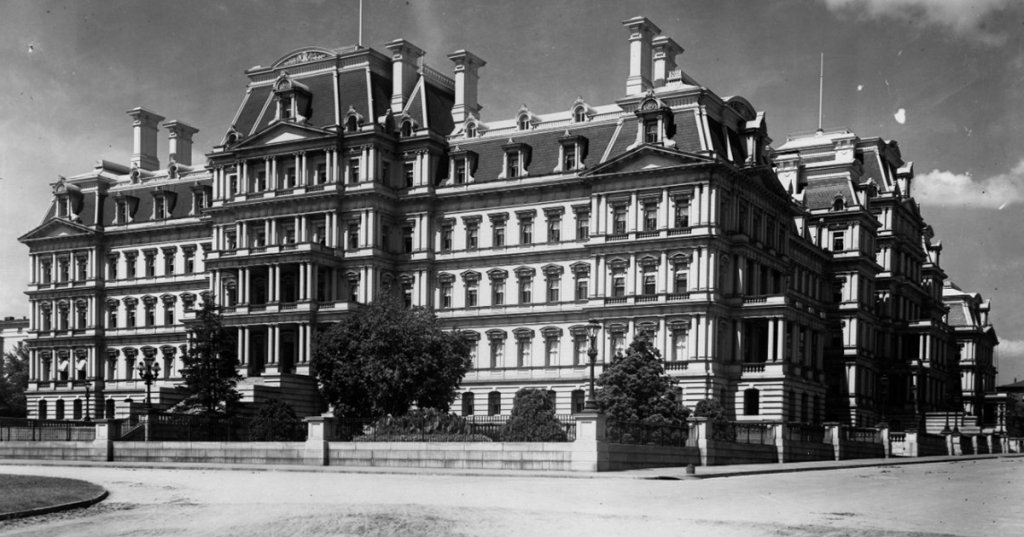
Air power also came of age under the War Department. Through World War I and World War II, America’s land-based air arm matured into the U.S. Army Air Forces. By September 18, 1947, it had earned a separate seat at the table: the Department of the Air Force and the United States Air Force were born, putting fighters and bombers on equal bureaucratic footing with ships and soldiers.
It was the same act that created the Department of the Air Force that began transforming the Department of War into the defense apparatus we know today.
Washington learned the hard way that running a global strategy with separate, competing departments was like trying to fight a war with three radios on different frequencies. The National Security Act of 1947 also established the National Security Council to gather the President’s top national security advisors in one room. It established the Central Intelligence Agency to coordinate civilian foreign intelligence.
It also provided the Joint Chiefs of Staff with a statutory framework, enabling the services to plan together at the highest level. It also reorganized the War Department as the Department of the Army and cemented the Air Force’s independence.
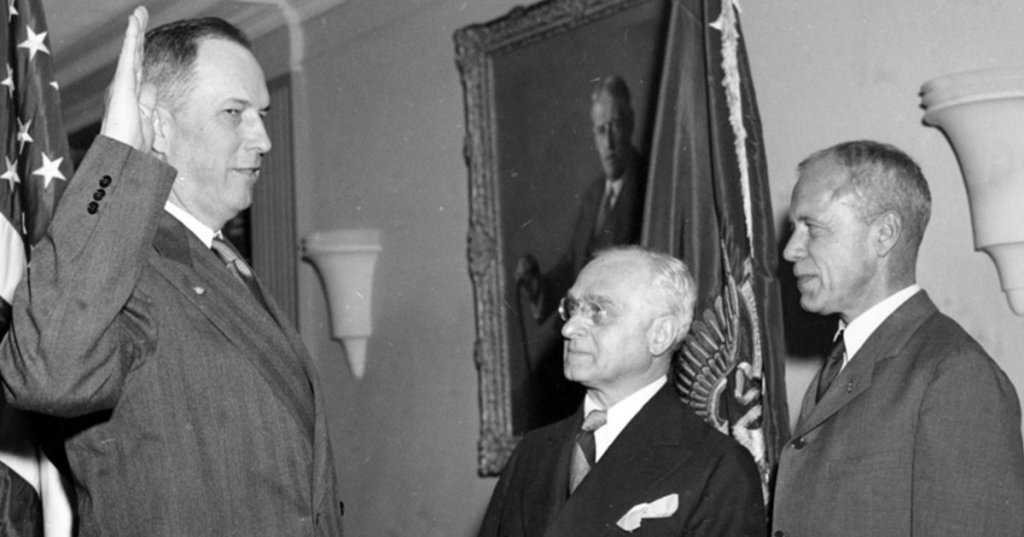
All of that was initially grouped under a new umbrella called the National Military Establishment, led by a civilian Secretary of Defense. The title was clunky, the lines of authority were still fuzzy, and the services were used to doing things their own way. Congress tightened the bolts in 1949—strengthening the Secretary of Defense’s authority, making the military departments clearly subordinate to that office, and renaming the whole enterprise the Department of Defense.
That’s the moment the Pentagon became a true unifier rather than a loose confederation.
The goals were straightforward and overdue: unify strategic direction, eliminate duplicate research and acquisition, and establish a clear chain of command for planning and operations—especially when joint and combined commands needed to move quickly.
Intelligence got a clearer lane, too. The CIA handled national-level civilian intelligence. Inside the Pentagon, the Defense Intelligence Agency was established in 1961 to coordinate military intelligence across the services without supplanting the CIA’s mission.
The framework has been refined but not replaced. The Goldwater–Nichols Act of 1986 further pushed the services toward joint warfighting and clarified the chain of command for when the nation goes to war.
Strip away the acronyms and the turf battles, and the arc is simple: from a single War Department trying to do everything, to a Department of Defense designed to make the Army, Navy, Air Force (and later the Marine Corps and Space Force within their departments) think, plan, and fight as one.
That evolution didn’t just reorganize org charts—it built the warfighting brain America uses to project power, deter conflict, and, when necessary, win.