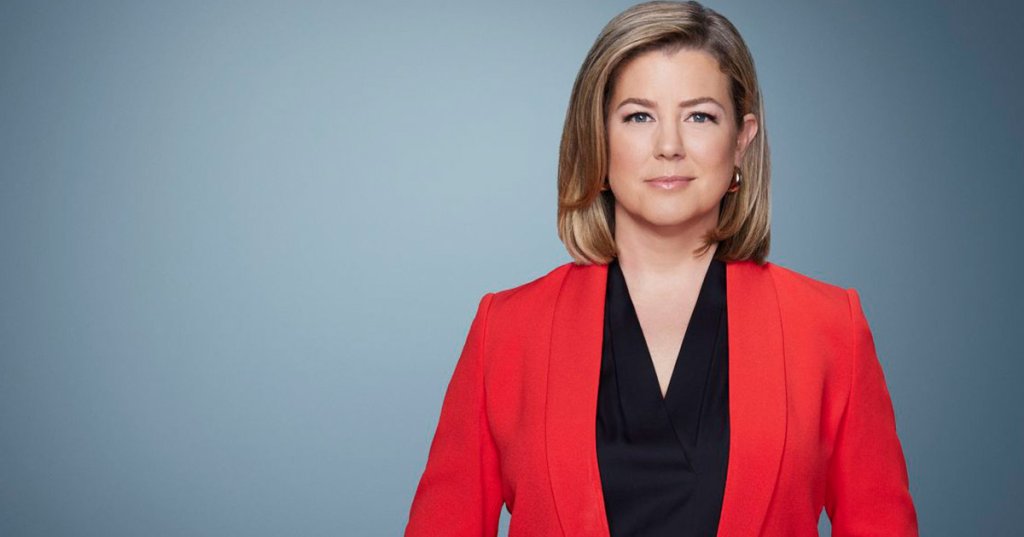
Becoming a military spouse wasn’t something CNN anchor Brianna Keilar planned, but it’s a role she now proudly claims.
Keilar met her husband, Army officer Fernando Luján, at a happy hour in Washington, D.C. At the time, she admits, “I knew embarrassingly little about the military, even though my dad had served in the Australian Navy.”
The two married in 2015. By then, Keilar’s journalism career was well established, and Lujan had been in the Army long enough to land back-to-back assignments in the D.C. area. That stability meant Keilar never had to navigate a PCS move — but she did experience the strain of deployments.
“The first time Fernando deployed, I realized shortly after he left that I was pregnant. I was caring for my stepson, who was a toddler, while navigating pregnancy alone,” she recalled. “I was up to my eyeballs, but it was also such a formative time for me.”
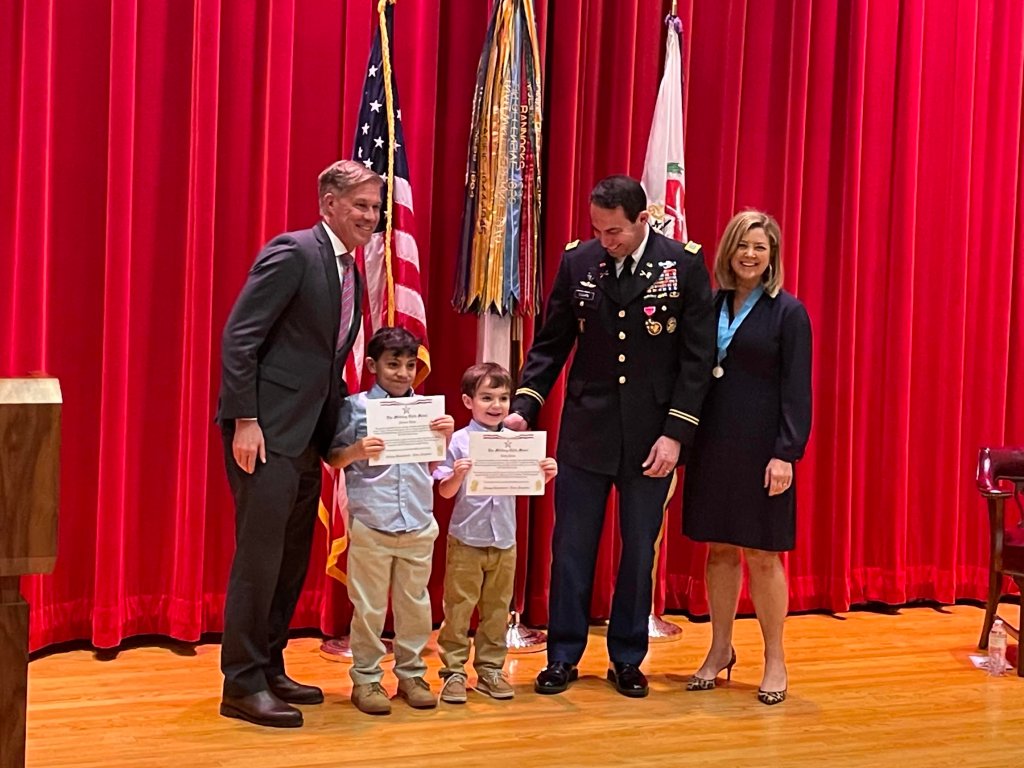
Soon after their son, Antonio, was born, Luján deployed again. Suddenly, Keilar was juggling a newborn, a toddler, and the demands of her career — while feeling adrift. Despite her strong D.C. network, she realized she needed the unique support only fellow military spouses could provide.
That’s when she connected with Blue Star Families and found encouragement from leaders and fellow military spouses, like Kathy Roth-Douquet.
“Supplementing my existing support system with a military one made such a difference,” Keilar said.
Those conversations also sparked a new professional mission. She began pitching stories on military family life at CNN.
“I put together a proposal for CNN.com, and they immediately wanted me to run with it. It was not a hard sell at all,” Keilar said.
From there, “Home Front” was born–a column dedicated to telling military family stories, and bridging the divide between service members and their civilian neighbors. It later transitioned into a weekly television segment. Even the graphics for the project were designed by a military spouse.
“That was really special to me,” she added.
Through “Home Front,” Keilar has been able to spotlight challenges unlike her own–Coast Guard families navigating pay gaps during government shutdowns, moms deploying overseas, and veterans facing struggles receiving benefits.
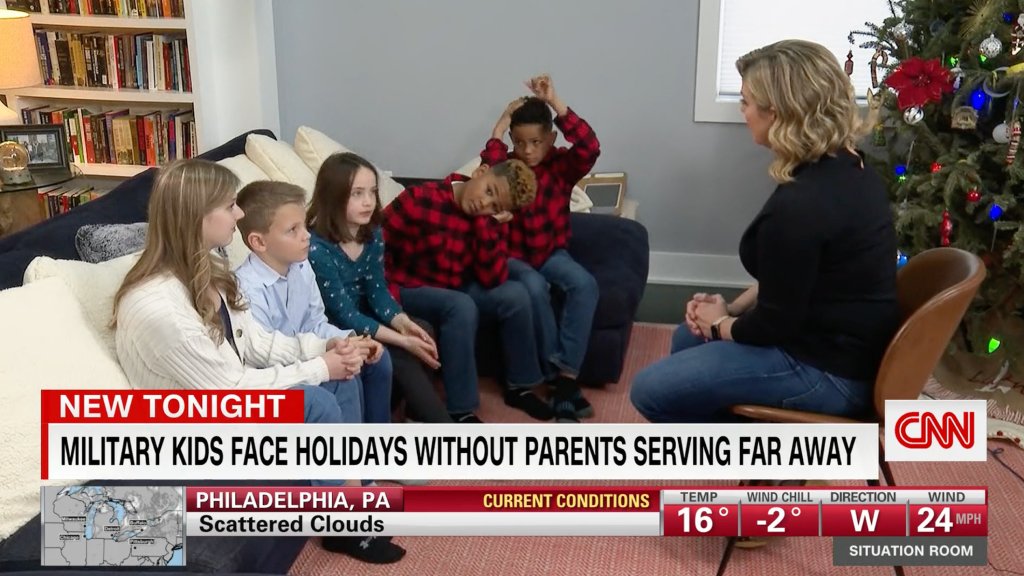
“It fulfilled me so much professionally and personally to tell those stories and learn more about this community I had become a part of,” she said.
Among the issues she’s most passionate about are barriers to child care and military spouse employment.
“When you move every three years, it’s tough. If we don’t address these issues, we’re going to lose really good people. Service members are making huge sacrifices–and the family unit has to be stable and supported if we want them to thrive.”
Though her husband retired three years ago, Keilar still embraces the military spouse perspective and wants to continue to tell these stories.
“Even when you’re ‘out,’ you’re still a military family. I love being a military spouse, and I still approach life with that military spouse approach. I care deeply about the people who serve and the families who support them–because I know what’s at stake.”
For Keilar, storytelling is both a responsibility and a privilege.
“People ask who my favorite interviews are, and they expect me to name someone famous. But honestly, it’s almost always ordinary people doing extraordinary things,” she said. “Stories about the military and military spouse community usually have all of the elements of something truly great.”