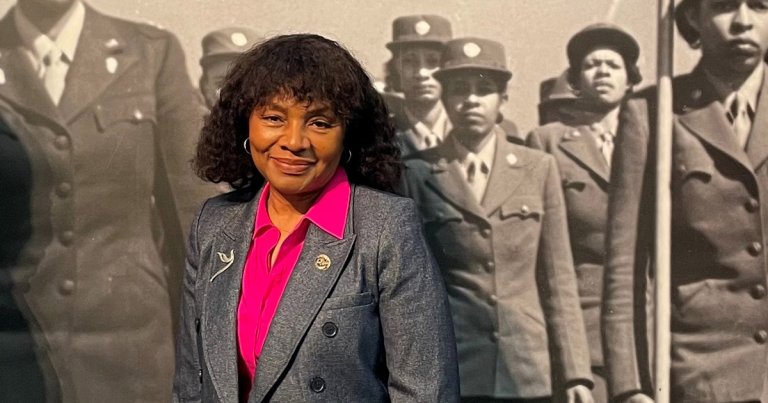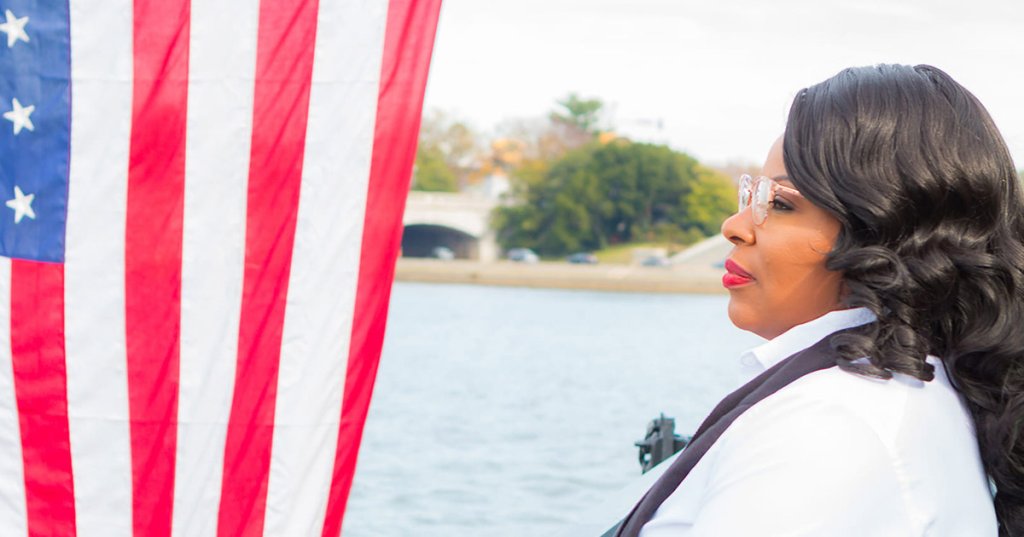
Ginger Miller is relentless. And she’s always dreamed big.
“I went to the Navy because my parents didn’t have money for me to go to college, and I had aspirations to work on Wall Street,” Miller said.
Her parents, immigrants from Honduras, instilled in her the values of hard work and sacrifice.
“Once I was in the Navy, I wanted to make it my career,” she said.
That wasn’t to be. After serving for five years, Miller was medically discharged. Her husband, a Marine Corps veteran, was struggling with PTSD. They had a baby on the way.
“We became homeless,” Miller said. “That shouldn’t happen to anyone who’s worn the uniform.”
Miller was down, but not out–juggling three jobs, caring for her family, and going to school full-time. Every step forward was fueled by determination and a lesson from her military service: resilience.
“You don’t give up on what you have, you fight for what you have,” Miller said. “That’s what I learned in the military. The Navy taught me how to survive and how to thrive.”
As she pushed forward, Miller began to recognize something larger than her own struggle. There was a gap–a missing network of resources and support for women veterans. She realized her hardships weren’t hers alone; countless other women were facing the same challenges during their transition from service to civilian life.
“If people don’t have what you need, you create it,” Miller said.
So she did.
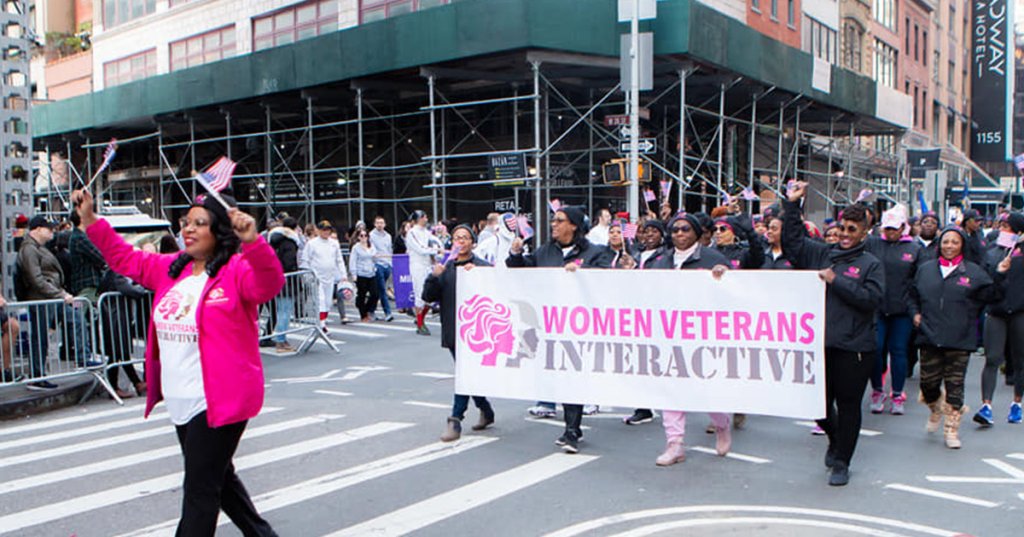
In 2011, she started Women Veterans Interactive Foundation (WVIF), a first-of-its-kind nonprofit dedicated to empowering women veterans. At a time when few organizations focused on their unique needs, Miller built a space where women could find tools, community, and hope.
“When I first started, there weren’t nonprofits for women veterans,” she explained. I’ve always been a creative person, and when you truly understand the need, you truly understand the solutions. That’s why we’ve been so successful.”
Through programs like Operation Safety Net, which works to prevent homelessness among women veterans, as well as initiatives in financial literacy, workforce development, and an annual national conference, WVIF has changed lives. Since its founding, the organization has helped more than 8,000 women veterans–helping them not only transition, but transition well.
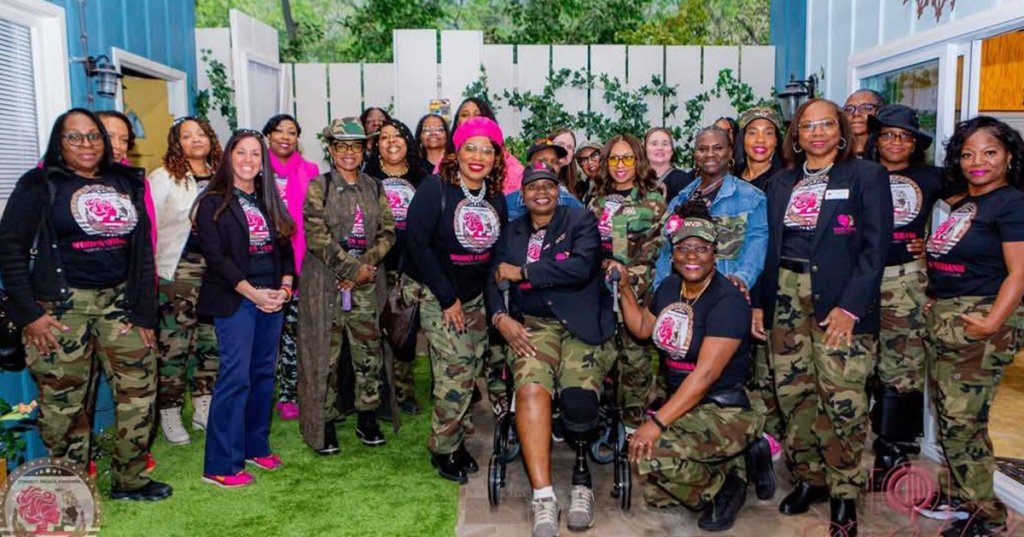
“I’m so proud of that. And I’m so proud of this journey,” she said.
Miller may not have made it to Wall Street, but she did make it to the White House as a presidential appointee. Under the Biden administration, she was appointed to the USO Board of Governors.
“It’s not Wall Street, but I couldn’t have changed lives and saved lives on Wall Street. It’s where I belong.”