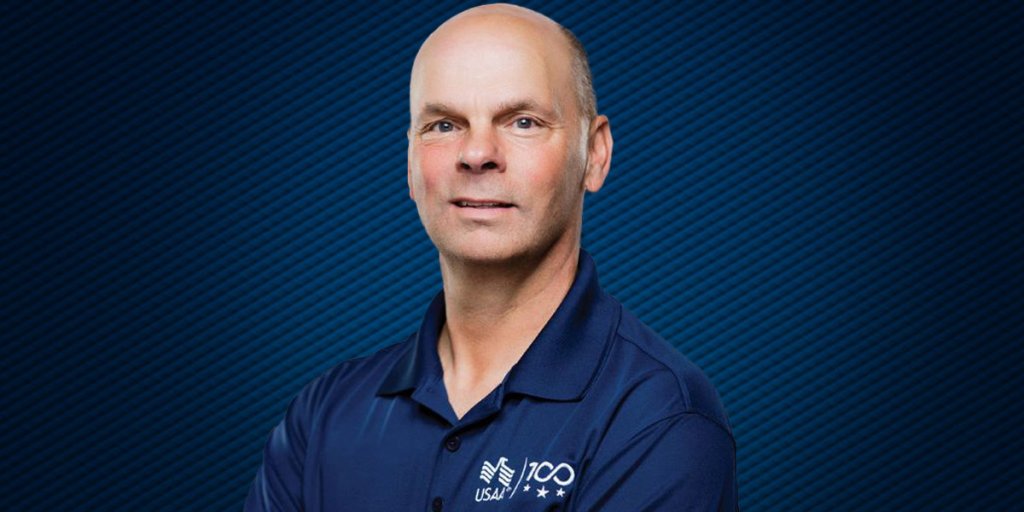
J.J. Montanaro’s decision to join the Army began with family – just as it does for many in the military.
“My Dad was a Naval aviator. He encouraged my brother and me to consider military service,” Montanaro told We Are The Mighty.
The brothers took their father’s advice – just not in the same branch. Montanaro headed to West Point while his brother went to the Naval Academy, making the annual Army-Navy game a spirited (and sometimes tense) family affair.
“I’m the odd man out for those games each year,” he laughed.
Montanaro began his career as an armor officer before moving to logistics. Six years of active duty took him to Korea, Fort Carson, and Fort Riley before he transitioned to the Army Reserve, where he served another 14 years. That move to the reserves opened the door to something he’d long been passionate about: financial planning.
“I’d always gravitated toward that–it was a personal interest long before it was my career,” Montanaro said.
For eight years, he worked as a financial planner in Kansas City, helping people from all walks of life.
“It’s a helping profession. You’re trying to guide people, not just manage wealth. Most of the time, it was meeting folks where they were in their financial journey and giving them tools to move forward.”

While a few of his clients had military backgrounds, an opportunity at USAA changed everything.
“It felt like the perfect fit–financial planning at USAA for service members and military families. It was my two worlds colliding, and I knew it was exactly what I was supposed to do.”
Montanaro understood firsthand how unique the financial challenges of military life could be.
“The military community has the same financial challenges as everyone else, but they’re compounded by the lifestyle–the frequent moves and living in locations, sometimes, where the cost-of-living is very high. Not to mention, spouse unemployment or underemployment, which is a huge issue,” he said.
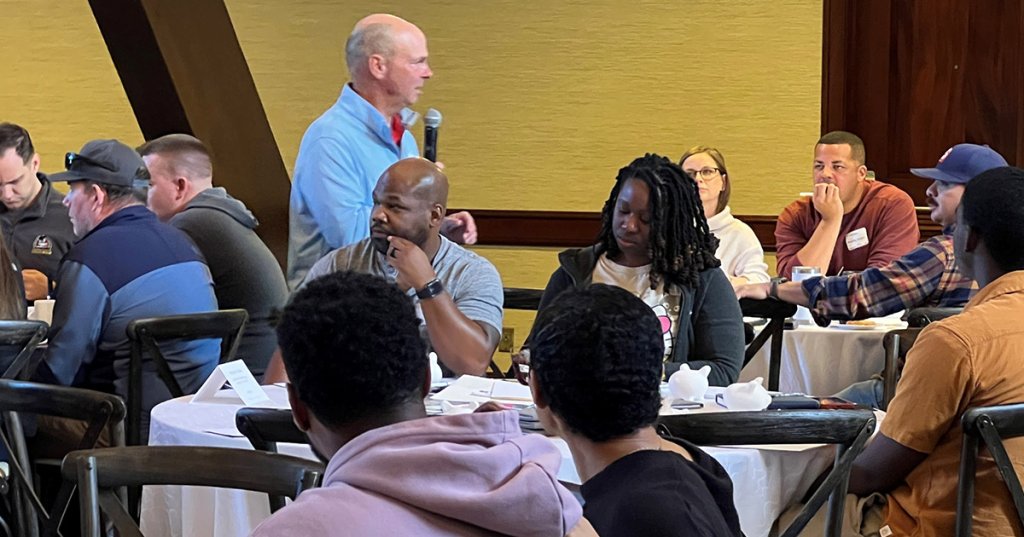
Today, Montanaro’s role has evolved from hands-on financial planning to serving within USAA’s military advocacy group. In that capacity, he works on initiatives to improve financial readiness, develop career transition programs, and partner with nonprofits serving the military community.
“These are my people,” Montanaro said. “It made sense for me to give back to the folks who do so much in a quiet, unassuming way. I’m just a small cog in the wheel–but when your work excites you and aligns with your values, it’s a real blessing.”