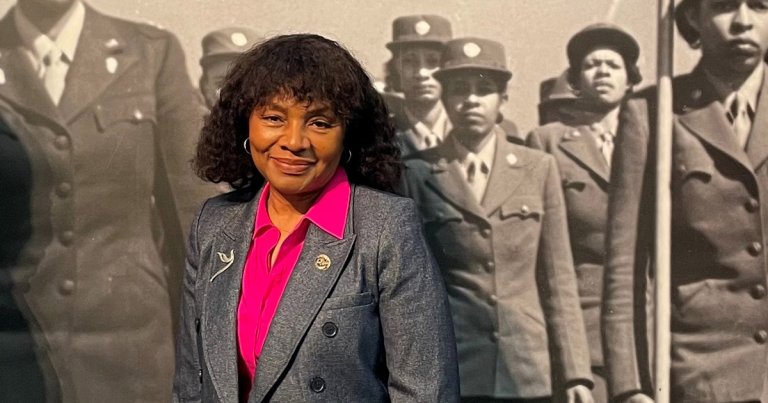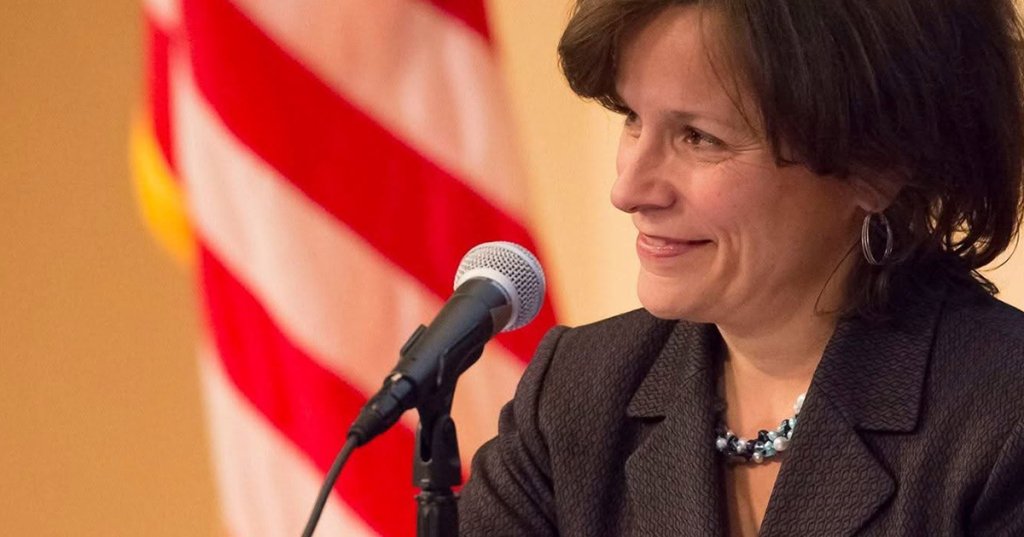
Rosemary Williams became a military spouse later in life than most. She was 44 when she met her husband.
“He was a handsome Marine,” she laughed, recalling the first time they were introduced.
Eighteen months later, they were married—just in time for his final deployment. For him, it was routine. For her, it was a crash course.
“Let it be known, a military spouse never forgets that first deployment,” she said.
Williams had built a successful career and lived independently for years, but suddenly she found herself adrift.
“I was capable, confident—but I was lost during his deployment,” she admitted. “And I thought, if I’m struggling, what about these 19 to 24-year-olds with babies and kids, hundreds or thousands of miles from their families?”
Her husband was close to retirement, but Williams knew she couldn’t sit on the sidelines.
“I had to do something,” she said.
By that point, Williams had already spent over 20 years in television news, working as a producer for NBC and MSNBC. She even won an Emmy for team coverage of the September 11 attacks. But she felt ready for a new chapter.
“I just knew it was time to do something else—even if I didn’t yet know what that was.”
Her “something else” turned out to be a career in public service. Williams went on to hold some of the most influential posts in the country for military families: Senior Advisor for Strategic Communication to the Secretary of Veterans Affairs, Assistant Secretary of Public and Intergovernmental Affairs at the VA, and Deputy Assistant Secretary of Defense for Military Community and Family Policy.
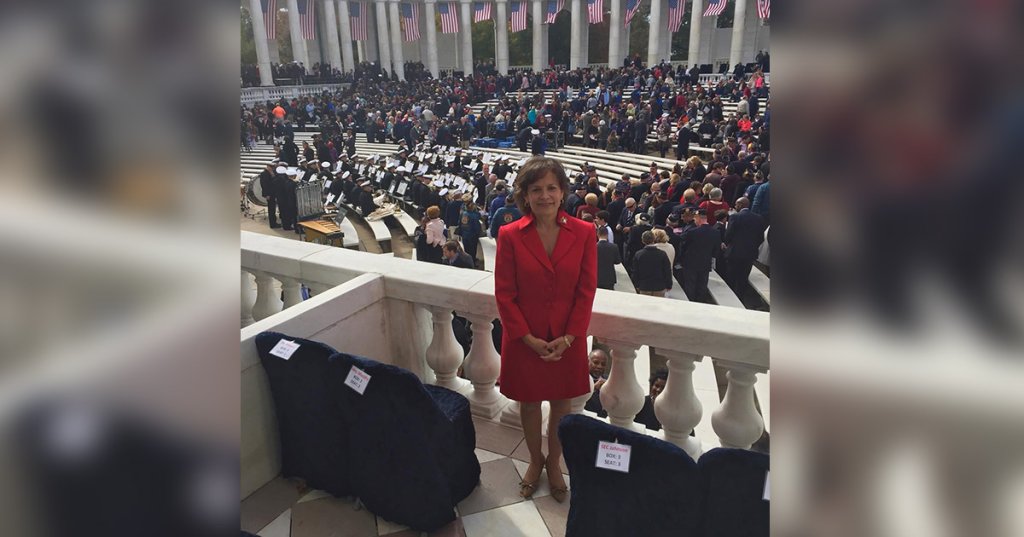
Along the way, she represented military families at the White House, served as the Defense Department’s voice on suicide prevention for military families, and received the Secretary of Defense Exceptional Civilian Service Medal. But for Williams, the titles were never the point. The mission was.
Her years as a journalist gave her the tools she needed to connect with families in meaningful ways.
“People respond to hope, and it’s our responsibility as leaders to show the path,” she explained. “Storytelling is how you do that.”
Still, Williams is quick to note that she isn’t the storyteller.
“If I wanted to talk to veterans about seeking care, I’m not the right person. They are. My job is to give them the platform.”
That storytelling, she added, has its own kind of power.
“When veterans and spouses share their experiences, there’s healing happening. It helps others step forward, be vulnerable, and ask for help. Past generations—World War II, Vietnam—came home and stayed silent. Today, we’re finally seeing how sharing stories can change lives. It’s miraculous.”
Williams has never stopped asking how she can make life better for veterans and military families. After years in government service, she joined Deloitte, where she now serves as a Specialist Executive working on military family and veteran initiatives.
She also supports Deloitte’s Military Spouse Network, designed to help spouses keep their careers while navigating the moves and unpredictability of military life.
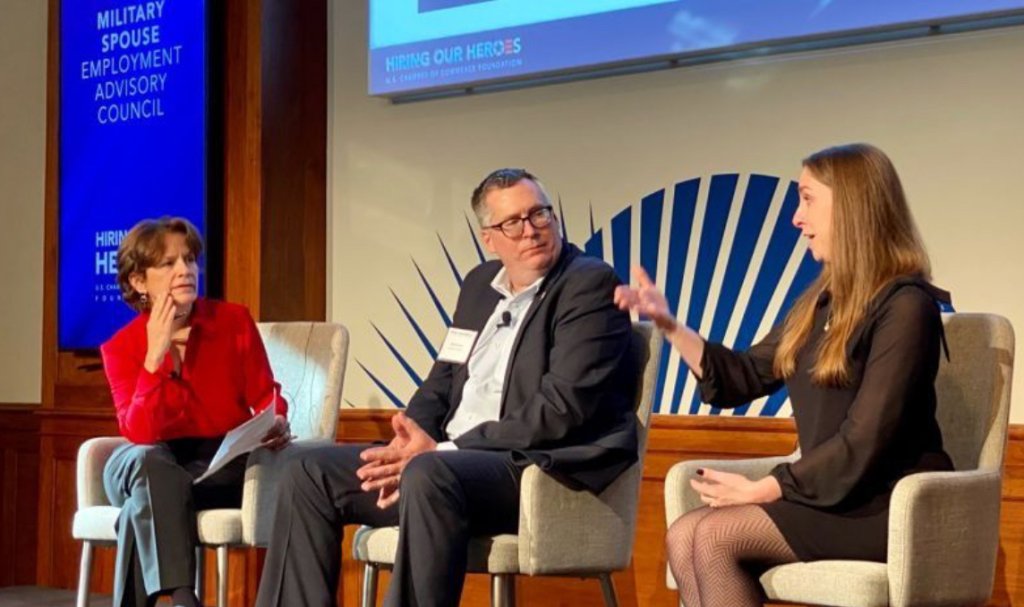
Outside Deloitte, Williams has worked on many nonprofit boards and serves as an ambassador for Hiring Our Heroes, continuing her hands-on work to strengthen military communities.
“Every single day, whether it was in nonprofits, in government, or now at Deloitte, I ask myself: ‘How can I help?’ That’s what drives me.”
From the newsroom to the White House, from military spouse to advocate, Rosemary Williams has proven that service takes many forms—and that sometimes, the most powerful stories are the ones we help others tell.