
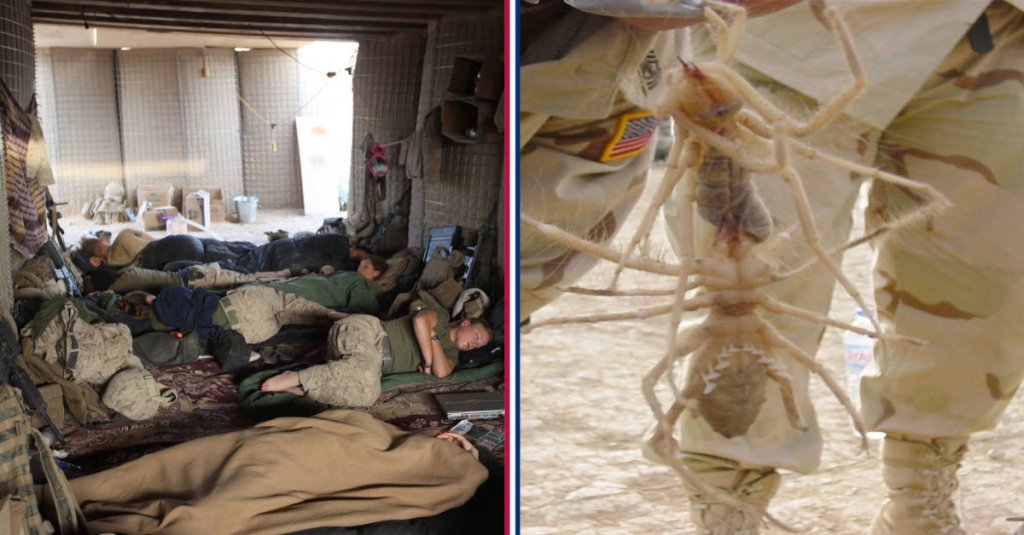
Insects carry disease, contaminate food stores, and bring a host of other concerns. Keeping an area bug-free is a top priority for maintaining good health and hygiene.
The military has plenty of rules and regulations in place to help troops keep an area free of pests (which usually involves a lot of cleaning), but there are far more ingenious—and fun—ways to ward off these crawlers.
1. Bug Spray

A regular can of bug repellent works wonders. Typically, you’d spray it on your skin to deter pests for a little while, but you can also use it to protect an entire area.
The more expedient way, however, is to spray it everywhere. Or, for maximum recklessness, you could just take a knife to the can and let it explode everywhere. Just watch out for open flames, though, because aerosol bug-repellent is highly flammable.
2. Insect-Repelling Uniforms

For the soldier with plenty of faith in the system, the U.S. Army fielded factory-tested, insect-repelling ACUs to soldiers in Iraq and Afghanistan back in 2012. To their credit, the permethrin-treated clothing works kinda well at first. Under factory conditions, the ACU-Ps were said to work for fifty washes. In the hands of soldiers, however, they last maybe three before the colors started to run.
3. Smoking Tobacco

Among the least-advised methods of repelling bugs (according to most medical officers, anyway) is to smoke nicotine, but many older vets swear by it—or it’s just a convenient excuse.
Let’s set the record straight on this with some university-backed studies and advice from subject matter experts: Yes, some insects, like flies and some mosquitoes, are deterred by tobacco smoke. However, most insects are actually drawn to heat and smoke because it feels like an ideal environment—burnt and damaged trees. Additionally, many aggressive insects, like wasps, are drawn to the smell of nicotine and discarded cigarette butts.
Punting Camel Spiders

Camel spiders are notorious. They’re extremely large spiders that will desperately cling to shade, even if that shade is cast by troops standing in the open desert. They’re not aggressive and non-venomous to anyone larger than a mouse, but no one wants to see a giant f*cking arachnid skitter up close in attempts to stay shaded.
Some troops will openly accept the punishments associated with negligent discharge if it means they can open fire on those suckers. Others opt for a more effective (and satisfying) method: punting ’em into a million pieces when they rush you.
Night-Vision Goggles to spot bugs
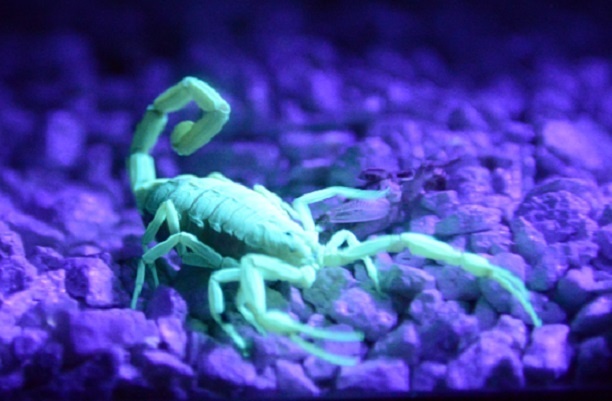
Scorpions give off trace amounts of ultraviolet bioluminescence that the naked eye can’t see. Coincidentally, most night-vision goggles detect light across both ends of the electromagnetic spectrum. For better or worse, you can spot scorpions more clearly at night through a pair of NVGs.
Be warned. Sometimes, you’re better off not knowing how many scorpions are really hanging around your fighting position.




Sponsored Content