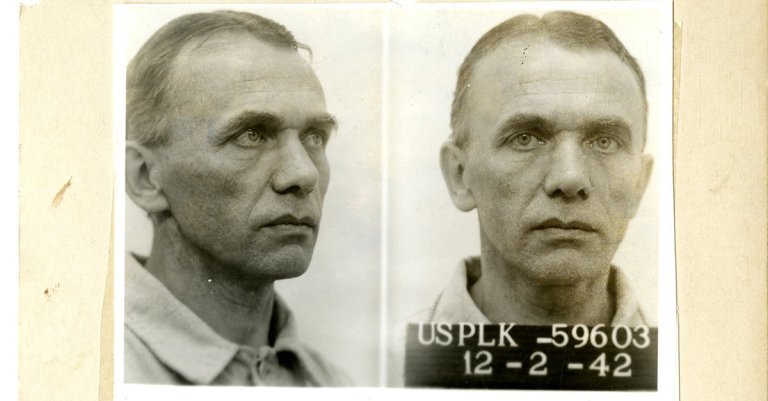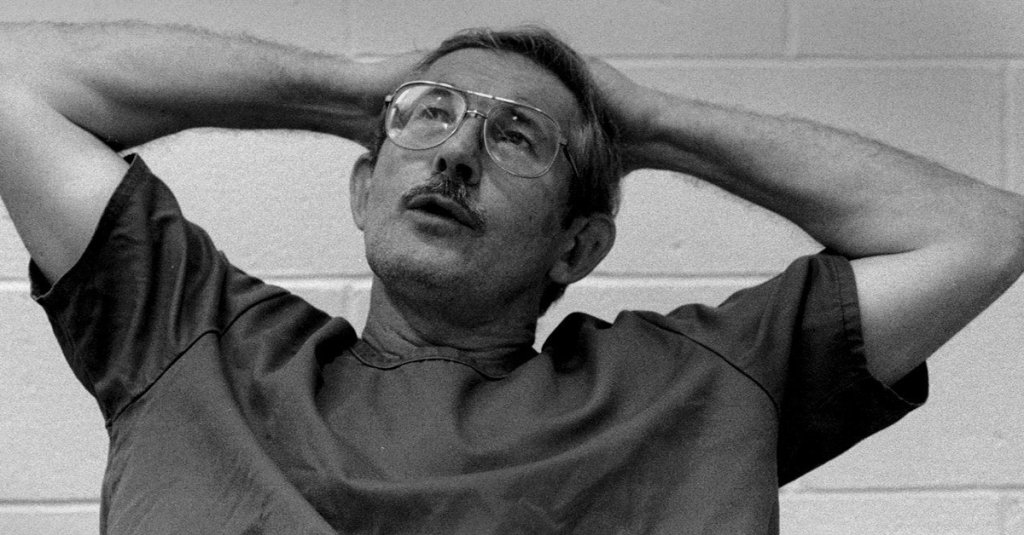
The CIA knew Aldrich Ames was drinking excessively, was prone to extra-marital affairs, lived a lifestyle that was far above his pay as an intelligence officer, and even failed a lie detector test when he was suspected of being a mole.
In spite of all the red flags, he was still placed in a position with the Soviet-East Europe Division that gave him access to all of the CIA’s operations against the KGB and GRU.
Related: The 11 most damaging American spies of all time
He would use his position in the intelligence agency to make contact with officials from the Soviet Union so he could sell the CIA’s most sensitive information for top dollar.
For almost ten years, the information obtained from his leaks gutted the CIA’s human intelligence assets inside the USSR, killed countless agents and informants, and allowed the KGB to feed misinformation to Washington for years to come.

Ames was finally investigated in 1993 and arrested in 1994 before he was due to visit Moscow on official CIA business. He received a life sentence and spent the rest of his days in Federal prisons.
He finished that sentence at age 84 in the Federal Correctional Institution in Cumberland, Maryland on January 5, 2026. His cause of death has not been released.
Aldrich Ames was born in River Falls, Wisconsin in 1941, and spent time in Southeast Asia with his father, who also worked for the CIA. The younger Ames followed in his father’s footsteps in 1962, joining the agency as a records analyst while attending George Washington University, graduating in 1967.
Had it not been for his many, many deficiencies as an employee (and the espionage), he might have gone on to have a stellar career.
In 1969, he married another CIA officer whom he met during training. His first assignment as a case officer was in Ankara, Turkey, where he was tasked with recruiting Soviet agents. He had some operational success, but his overall performance rating was only “satisfactory,” and senior officers judged him better suited to headquarters work than to the field.
Throughout the 1970s, his career followed this predictable pattern: Given a valuable assignment, he saw modest success that was torpedoed by personal problems. He was placed in the Soviet-East Europe Division, and, despite his enthusiasm, was noted for his drinking and poor attention to detail. In 1976, he was transferred to New York and became the handler for two Soviet assets, but his drinking and cutting corners resulted in the assignment being cut short.
In 1981, he was sent to Mexico City alone, which led to the deterioration of his marriage. During this posting, he had several extramarital affairs, notably a relationship with María del Rosario Casas Dupuy, a cultural attaché at the Colombian embassy and also a CIA informant.
His performance was (again) mediocre, with alcohol being the central problem. Despite his erratic behavior, he remained on the Soviet desk, accumulating information about the CIA’s operations against Moscow.
In 1983, he again found himself at CIA headquarters working in the Soviet-East European Division’s counterintelligence branch, which oversaw operations against the KGB and GRU. His professional life as a mid-career officer might have been on track, but his personal life was falling apart. He separated from his wife, notified the agency he was dating Rosario, and took on substantial debt from his pending divorce. Keeping Rosario in the lifestyle she was accustomed to drove him further into debt.
What happened next is why the government looks into your finances, mental health, and personal relationships when considering you for a security clearance.
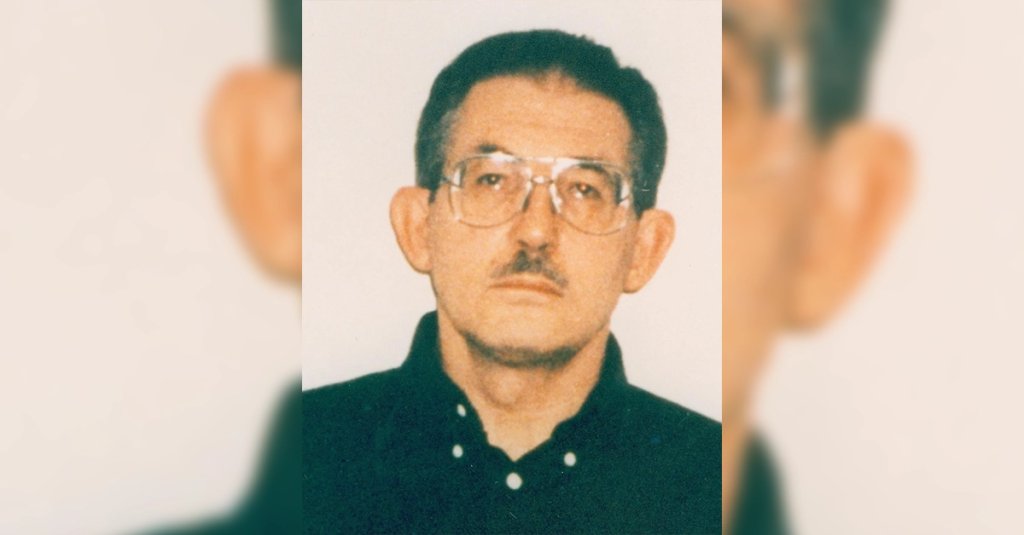
Feeling desperate and on the edge of bankruptcy, Ames decided to put his greatest asset to use and sell what he knew to the Soviet Union. On April 16, 1985, he crossed the line: he walked into the Soviet Embassy in Washington, volunteered his services to the KGB, and offered to hand over sensitive information in exchange for $50,000.
As the counterintelligence branch chief for Soviet operations, Ames already had legitimate contact with Soviet diplomats that the CIA hoped to recruit. Those official contacts gave him a ready-made bridge to the very people American intelligence was supposed to be working against. On June 13, 1985, Ames met his Soviet contact again and delivered what CIA officers later called the single most damaging handover in the agency’s history with the KGB.
Ames walked out of CIA headquarters carrying five to seven pounds of classified cable traffic and documents and passed them to the KGB. The files identified more than ten of the CIA’s and FBI’s most sensitive Soviet sources; Russian military and intelligence officers who were secretly cooperating with the United States and its allies, several of them in very senior positions.
Once he took the money and delivered names, Ames leaned into the role. Over the following months, he provided names of virtually every Soviet asset he knew the United States had, as well as details of ongoing operations. The Soviets were so impressed by the volume and quality of what he offered that they promised him up to $2 million and, over time, paid him well into the seven-figure range.
There was nothing special about how Ames operated. He simply wrapped up the classified information he already had access to in parcels and delivered them to his handlers. In later years, he used “dead drops,” leaving the packets at a place to be retrieved by the Soviets later, who would then dead drop his cash.
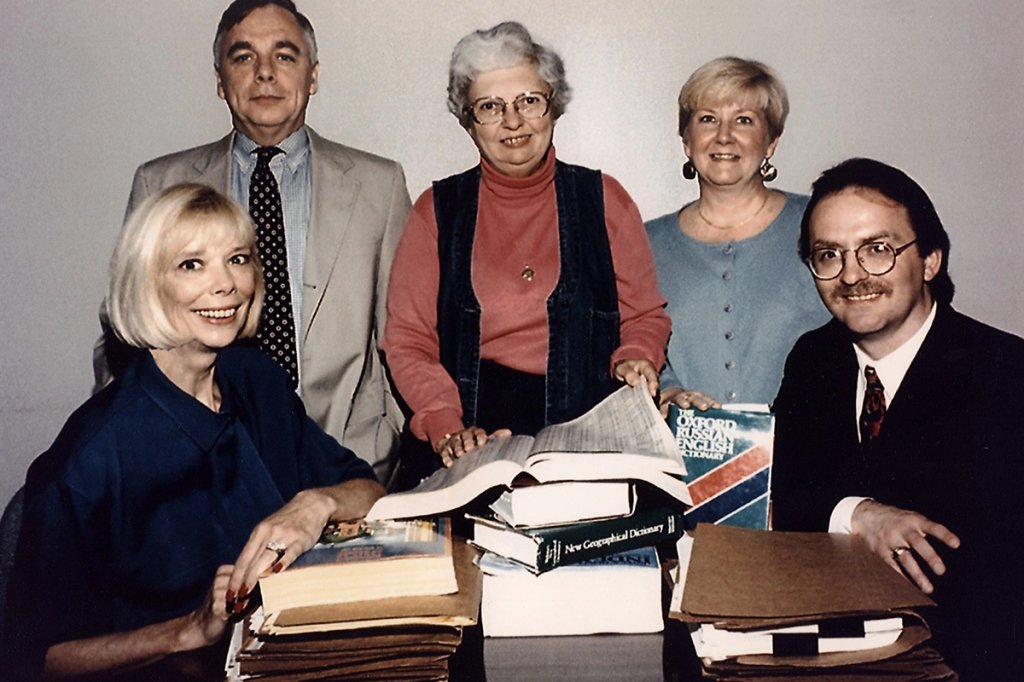
Over nine years, he systematically provided identities of virtually every critical human source the CIA and, in some cases, the FBI had inside the USSR, as well as details on technical collection programs and other operations targeting Soviet political, military, and intelligence figures. In some cases, he selected targets to protect himself, eliminating KGB officers who might reveal there was a mole inside the CIA. It caused the near collapse of CIA operations inside the Eastern Bloc.
By 1990, the agency was certain there was a mole. They took notice of Ames’ suddenly opulent lifestyle when he bought a Jaguar and a half-million-dollar house, both in cash, but wrote him off as a suspect when he offered an excuse about his Colombian family’s wealth; they even let his two failed polygraph tests pass. The agency finally dug into his finances when he showed up to the office wearing tailor-made suits and sporting new, white-capped teeth.
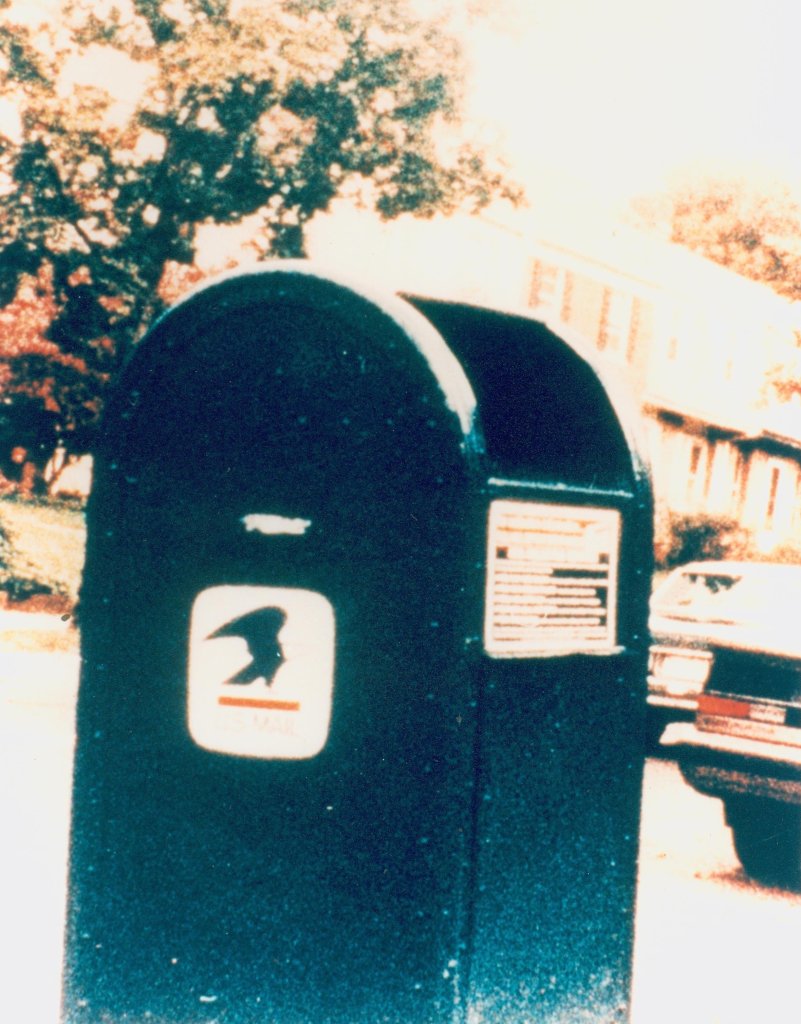
For 10 months, the CIA watched him, listened in on his calls, and even secretly searched his house. They found evidence he had not only passed secrets to the Soviets, but that he was also still in contact with his Russian handlers. The surveillance finally picked up some tradecraft: a mark on a mailbox that signaled to his handlers he was ready for a meeting. That meeting came in Bogota, Colombia, on Nov. 1, 1993—and the CIA documented the entire thing.
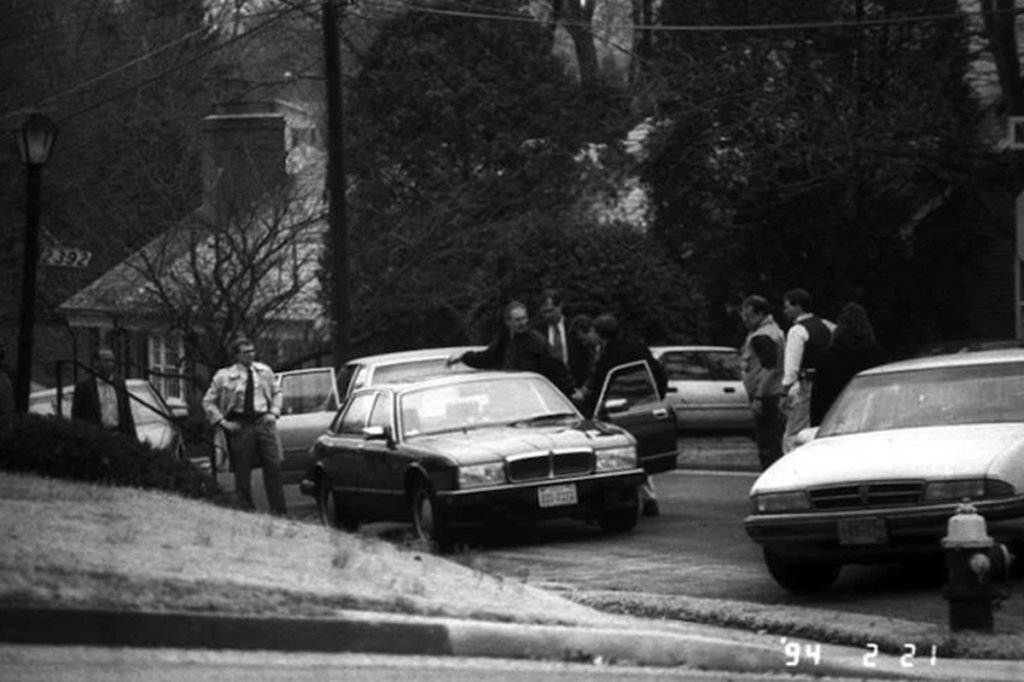
When Ames’s official CIA duties scheduled a planned trip to Moscow, the FBI worried he might defect or vanish under Russian protection. So they decided to grab him before he could leave American soil. On the morning of February 21, 1994, as Ames drove out of his driveway on his way to work at CIA headquarters, FBI agents boxed in his car and arrested him on espionage charges. His wife, Rosario, who had helped with the money side and knew about the spying, was arrested the same day.
He initially claimed he was innocent, but in exchange for giving Rosario a lighter sentence on tax evasion charges, he accepted a plea bargain. Ames and his wife both pled guilty on April 28, 1994. Aldrich Ames was sentenced to life imprisonment without the possibility of parole. Rosario Ames was sentenced on October 20, 1994, to 63 months in prison. He also forfeited his assets, turning $547,000 over to the Justice Department’s Victims Assistance Fund.
The Senate Select Committee on Intelligence called the Ames case “the most devastating espionage case in our nation’s history.” Because of Ames’ espionage, at least 10 high-placed Soviet assets were killed, including GRU Maj. Gen. Dmitri Polyakov, a long-running CIA asset sometimes described by former CIA Director James Woolsey as the “jewel in the crown” of American human sources, who was executed in 1988.
Also killed were Adolf Tolkachev, the “billion-dollar spy,” a Soviet defense scientist who gave the CIA huge volumes of technical data on Soviet radar; Lt. Col. Valery F. Martynov, a KGB officer operating under diplomatic cover in Washington; and Maj. Sergei M. Motorin, another KGB officer who had been secretly working with the FBI in Washington.
In later interviews and investigations, Ames tried to frame his betrayal as partly philosophical and professional disillusionment, but it was fundamentally a cash grab from a financially desperate CIA officer using his access to Soviet operations to sell out the very country he was supposed to protect.