One of the most often-overlooked wars in American history, the War of 1812 is somewhat like a disappointing sequel to a much more exciting movie. In this case, the original film is the American Revolution, and the War of 1812 is really “AmRev II: the Hubris.” Since no one really won, and the reasoning for the war was something that could have been avoided, history classes tend not to be as invested.
Besides, no one likes a stalemate.
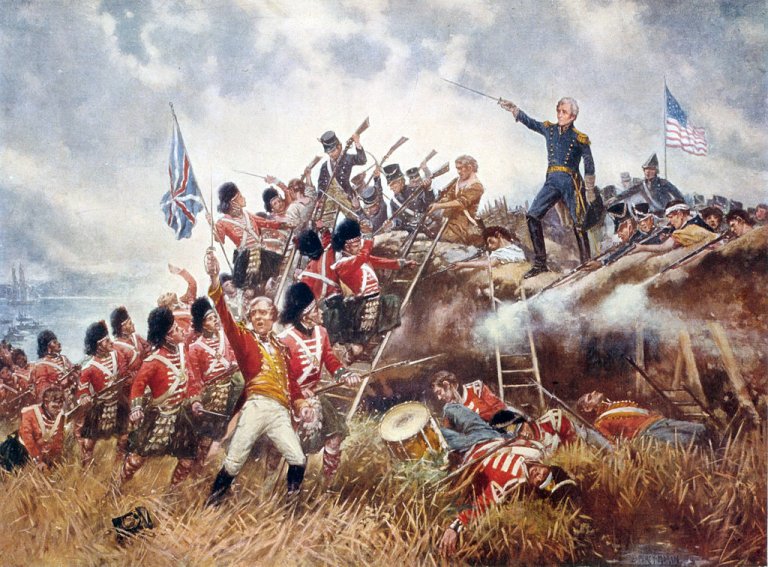
When people refer to interesting things about the War of 1812, they usually mention the Star-Spangled Banner, Dolly Madison saving George Washington’s portrait from the torch, or the fact that the Battle of New Orleans was the most New Orleans thing ever, and it happened after the war ended.
We’ll try go a little deeper than that.
1. New England almost seceded from the Union.
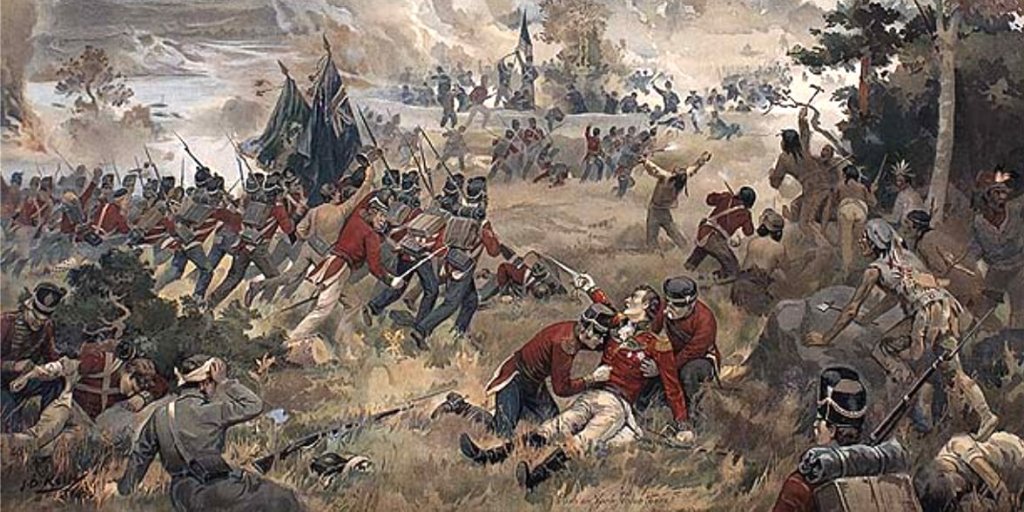
Secession from the Union was a concept that had been hanging around long before the South used it to trigger the Civil War. In this case, the New England states were so against the war that they considered seceding from the United States and forming their own country.
When President Madison called up the Massachusetts militia to fight the war against Canada, Governor Caleb Strong refused to send the troops, so Madison sent no troops to defend New England. New England even tried to negotiate a separate peace with the British.
2. Europeans don’t think of the War of 1812 as a standalone war.
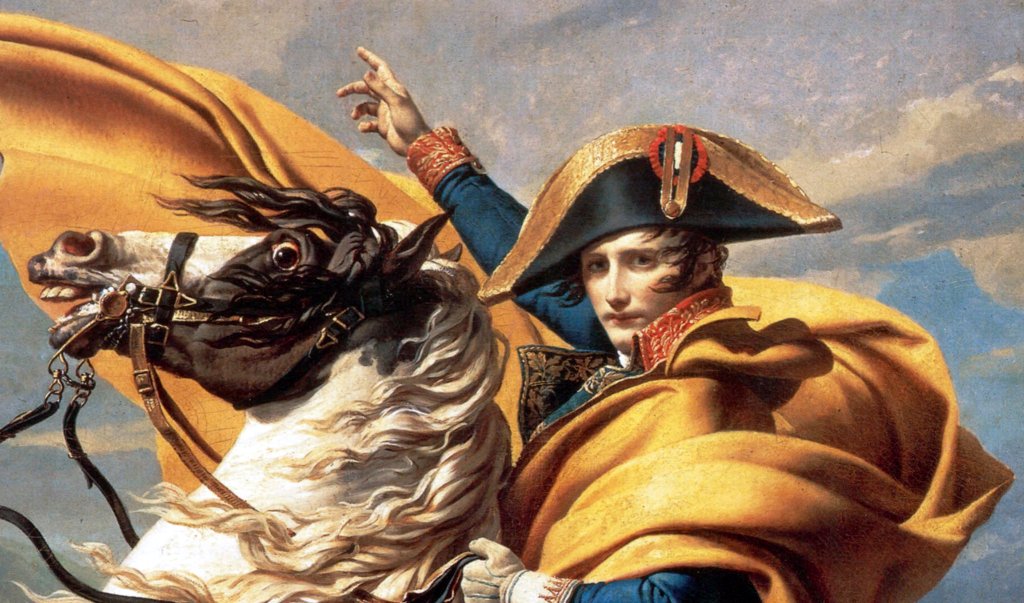
Canada may revel in the ass-kicking it gave Washington, D.C. while various states around the U.S. may revel in their own victories over the hated British, but today’s beloved British don’t call the War of 1812 by its American name. To Europeans, the War of 1812 was merely an extension of the Napoleonic Wars, a new theater in the fight against Imperial France.
3. The 1812 Overture is not about the War of 1812.
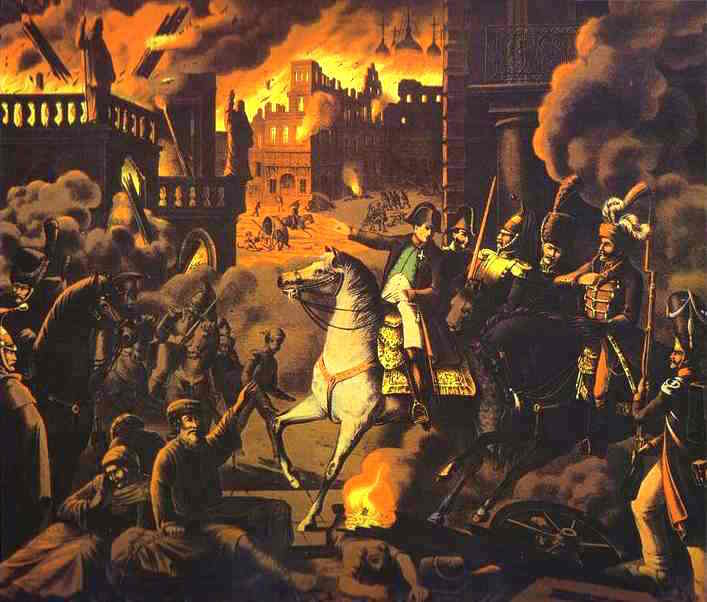
Every July 4th, Americans will inevitably hear Tchaikovsky’s “1812 Overture” blaring along to the explosions of fireworks across the United States as they celebrate their independence. It makes for a pretty great spectacle. The only problem is that the legendary musical piece has nothing to do with the United States.
1812 was the same year Napoleon marched his Grande Armeé on Moscow, and the Russians responded to the impending fall of their capital by burning it before the French arrived. In the overture, you can even hear parts of the “La Marseillaise,” the French national anthem.
4. The British deployed a first-rate Ship of the Line on the Great Lakes.
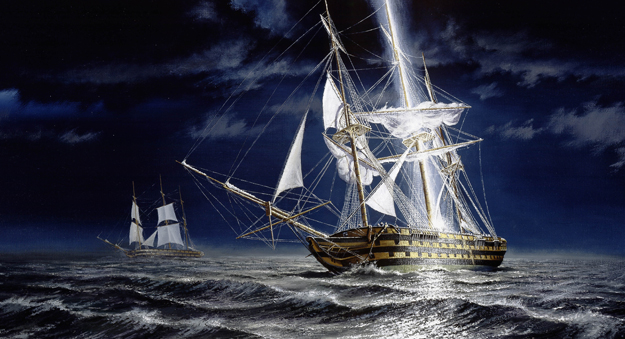
Imagine a massive ship with three gun decks and 112 guns, carrying some 700 British sailors, just floating around the Great Lakes. That’s what the British Admiralty launched in 1814 in an attempt to wrest control of the lakes away from the Americans. The HMS St. Lawrence was built on Lake Ontario in just a few months, the only one of her kind to be floated entirely on fresh water. Her presence on the lake was enough to secure dominance on the lake for the British for the rest of the war.
5. The War of 1812 marked the first surrender of a British naval squadron.
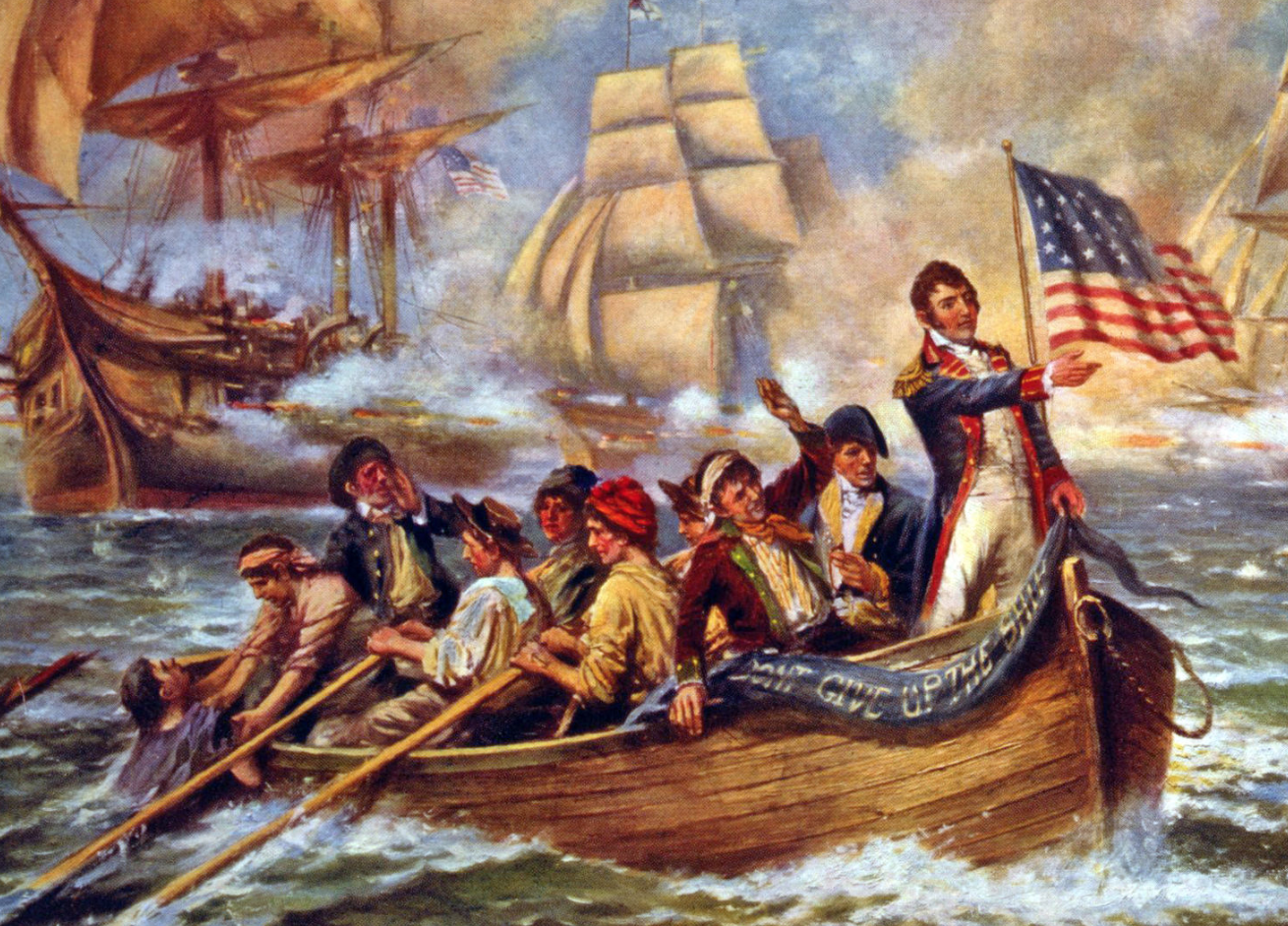
Despite the eventual British dominance on the Great Lakes, control of the massive bodies of water swung back and forth throughout the war, and was probably the theater where the Americans saw most of their success. Delivering blows to the vaunted Royal Navy was great for U.S. morale and terrible for British morale. American Commodore Oliver Hazard Perry constructed a fleet of ships just to challenge the British on the lakes. At the Battle of Lake Erie, he forced an enemy naval squadron to surrender for the first time in history.
His dispatch to Gen. William Henry Harrison contained the legendary line, “We have met the enemy and they are ours.”
6. We burned their capital first.
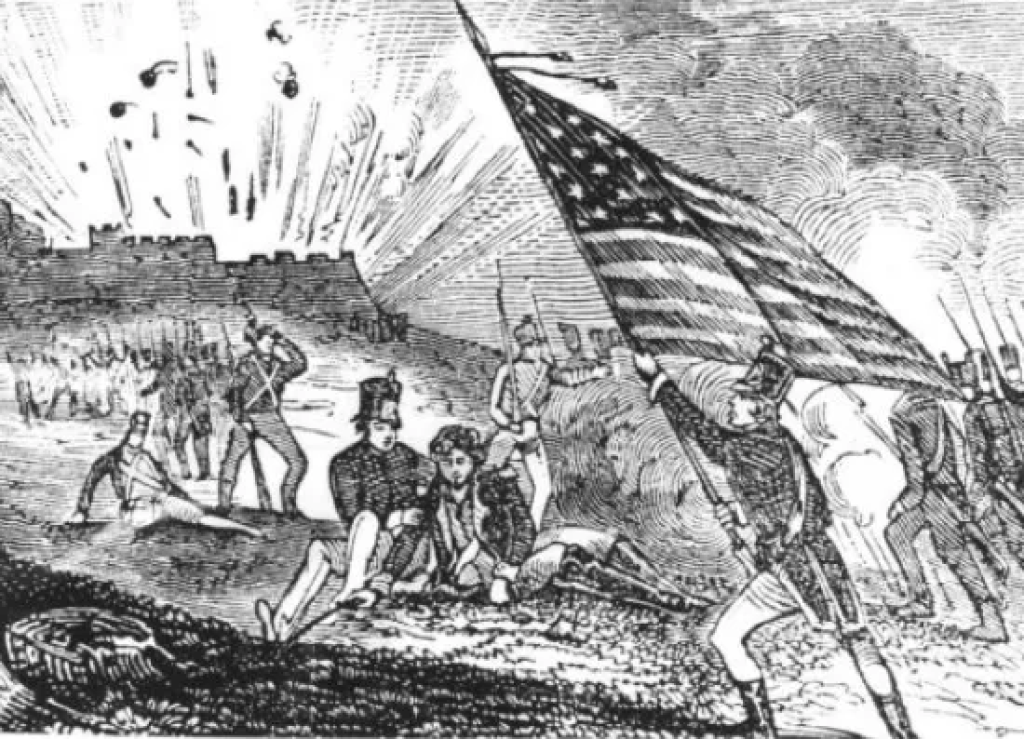
The British famously managed to torch Washington, and the city was nearly abandoned after its destruction, but it wasn’t just a random idea the British had. Americans actually burned Canada’s center of government first. The capital of Upper Canada was located at a place then called York, but is now known as Toronto.
Americans burned the provincial parliament and looted key sites, taking the mace of Canada’s parliament (which President Eisenhower later returned) and a British Imperial Lion (which the U.S. Naval Academy has not).
7. Washington was saved by a giant storm.
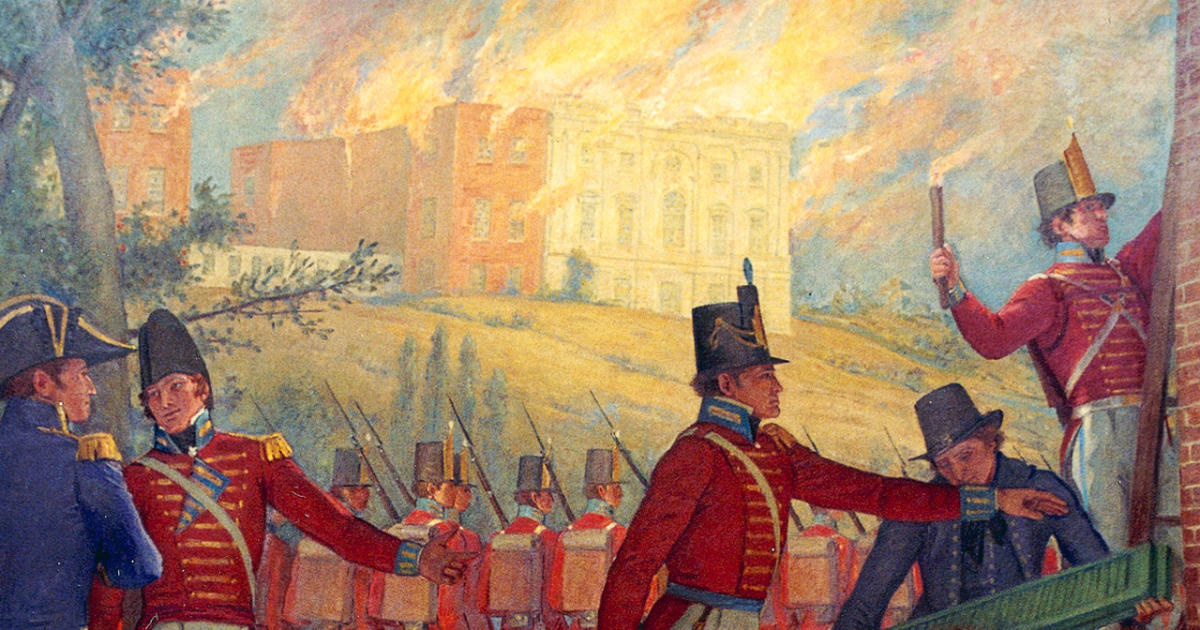
After British troops marched on Washington and burned the major buildings of America’s young capital city, the fires that should have raged through the night were extinguished relatively quickly by a freak tornado – some thought it was a hurricane – that hit the area just hours after the British advance. The storm even forced a British withdrawal, as the storm killed more British troops than the American defenders.
8. It was the first time Asian-Americans fought for the US.
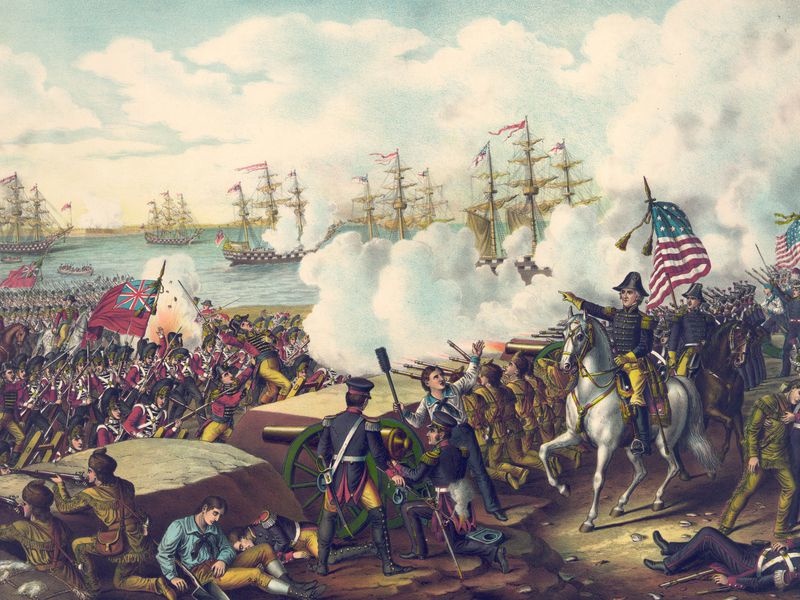
Asian-Americans may likely have fought for the United States before the War of 1812, but the defense of New Orleans marked the first time any historian or chronicler mentioned Asians at arms during wartime. When the pirate Jean-Baptiste Lafitte famously came to the aid of Gen. Andrew Jackson and American troops in New Orleans, he enlisted several “Manilamen” – Filipinos – from nearby Saint Malo, Louisiana, the first Filipino community in the United States.
9. The War of 1812 saw the largest emancipation of slaves until the Civil War.
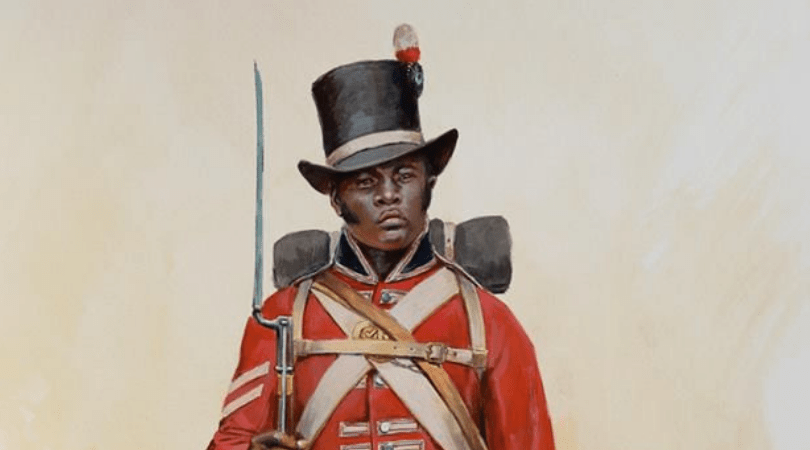
One of the weaknesses of American society at the time was the institution of slavery, a weakness the British would attempt to exploit at every opportunity. The British Admiralty declared that any resident of the United States who wished to settle in His Majesty’s colonies would be welcome to do so; all they had to do was appear before the British Army or Navy.
American slaveholders believed it was an attempt to incite a slave revolt, which it may have been. Nonetheless, the British transported thousands of former slaves back to Africa, the Caribbean, and even to Canadian Nova Scotia.
Some of the formerly enslaved even joined the British Colonial Marines, a fighting force of ex-slaves deployed by the British against the Americans.
10. It also saw the largest slave uprising, but it was against the invaders.
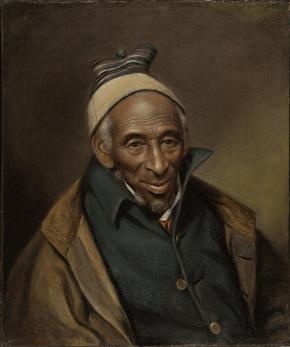
While the British were rousing slaves to join the fight against their oppressors, other slaves were joining forces to fight the British for the Americans. One Muslim slave named Bilal Muhammad was the manager of a plantation of 500 slaves on Georgia’s Sapelo Island. When the British attempted to land on Sapelo, Muhammad and 80 other slaves fought them back into the sea.
11. Maine was almost given to Canada as “New Ireland.”
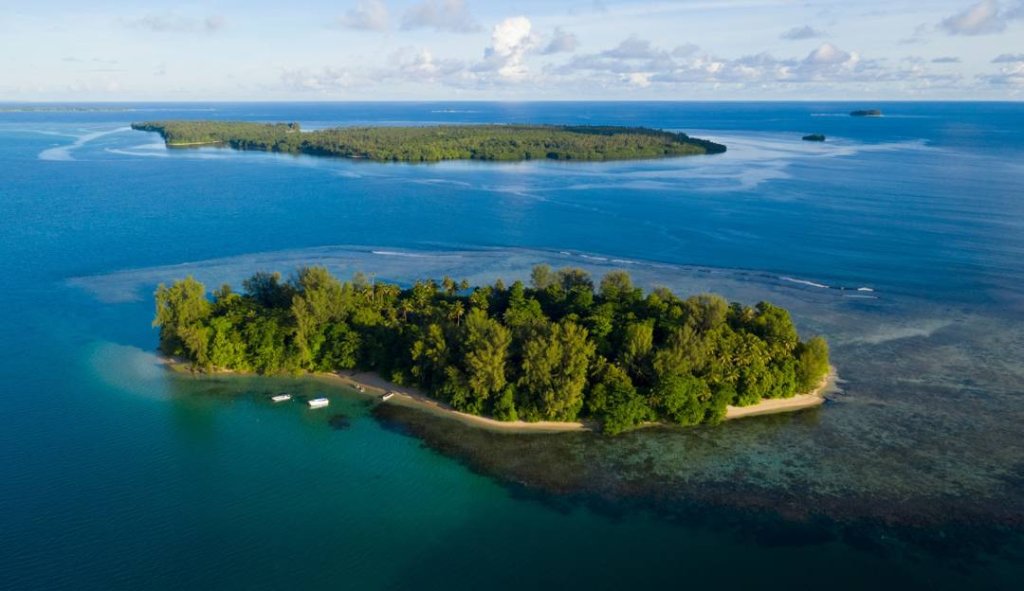
During the American Revolution, the area that is now known as Maine was a haven for colonists who wished to remain loyal to the Crown. Their ambitions were, of course, supported by the British government in Canada, which sent a significant force to defend New Ireland.
The British relinquished control of the colony after the American Revolution in order to isolate the French Canadian provinces from the coastal areas. By the time the War of 1812 rolled through, it was almost ceded again, but the Treaty of Ghent made no changes to the borders, and the British withdrew.
12. The war brought about an unopposed political party.
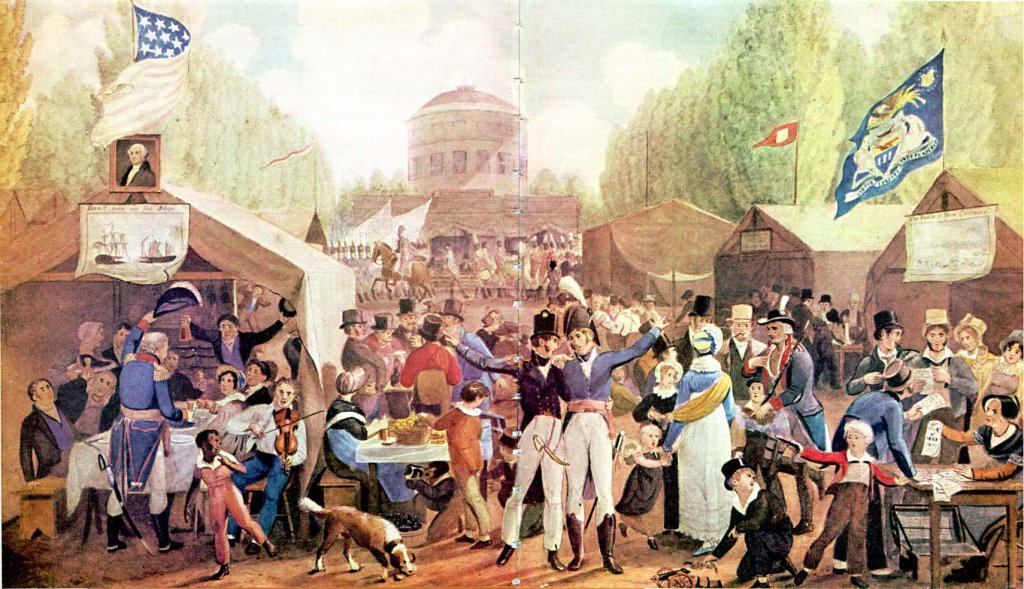
Today, we have Democrats and Republicans at each other’s throats, constantly fighting to some end. Back then, the parties were the Federalists and the Democratic-Republicans. Federalists opposed the war, which would end with the view that America had won by not losing the second war for independence.
That pretty much ended the Federalists, leaving just the Democratic-Republican Party as the sole party in a new “Era of Good Feelings.” After the election of 1824, that era was over, and the party was split into two factions, depending on how much they liked Andrew Jackson.