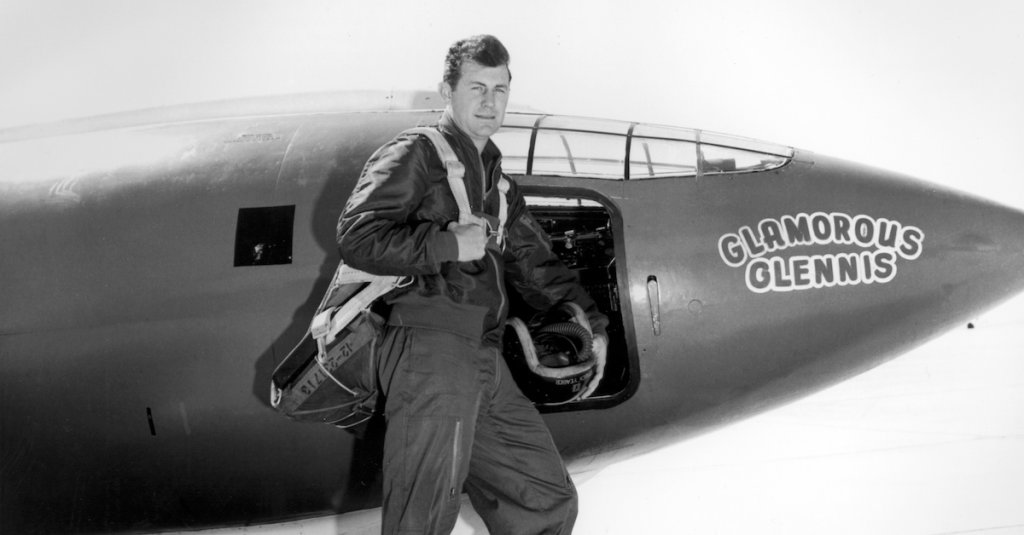
Think back to literally any time you’ve sat on a plane.
Each time, you’ve been greeted by an all-too-familiar voice. The public-address system hisses to life and you hear, “Ladies and gentlemen, ehhh, good morning. Welcome aboard. This is, ehh, your, uhhh, captain speaking…” before the rest of the relevant travel information is droningly rattled off.
Related: An Army pilot shot three times during the Maduro Raid just received the Medal of Honor
It doesn’t matter who the pilot is, where you’re taking off from, or what the country of destination is. Every single one of them out there takes on the exact same speech pattern and pseudo-West Virginian accent.
That’s all thanks to one man.
Speaking Without an Accent
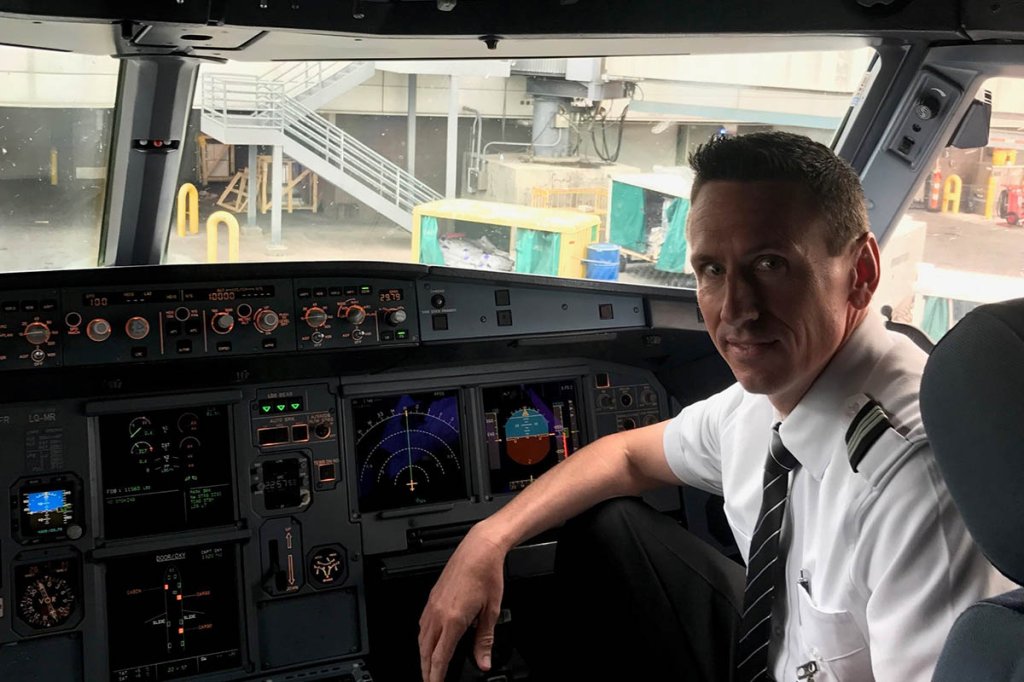
As we all know, plane passengers come from all walks of life, and the airlines must do their best to accommodate everyone.
So pilots are instructed to speak as clearly (and consistently) as possible. Contrary to popular belief, there’s no such thing as speaking “without an accent.” Pilots do the next-best thing, which is to adopt the most “neutral” accent: the Rust Belt or the Upper Midwestern accent.
Not only is this neutral accent easy to understand, it’s also comforting. A 2018 study showed that more than 50% of all passengers have more confidence in a pilot with an Upper Midwestern, Southern Californian, or Great Lakes accent (all notably neutral accents). Passengers have the least amount of confidence in a pilot that speaks with a Texas, New York, or Central Canadian accent (all notably thick accents).
But that accent doesn’t explain the slightly staggered speech pattern that pilots use to tell us about the weather conditions waiting for us at our destination.
Many recognize that as a nod to the aviation world’s biggest badass: Brig. Gen. Chuck Yeager.
A Laundry List of Accomplishments
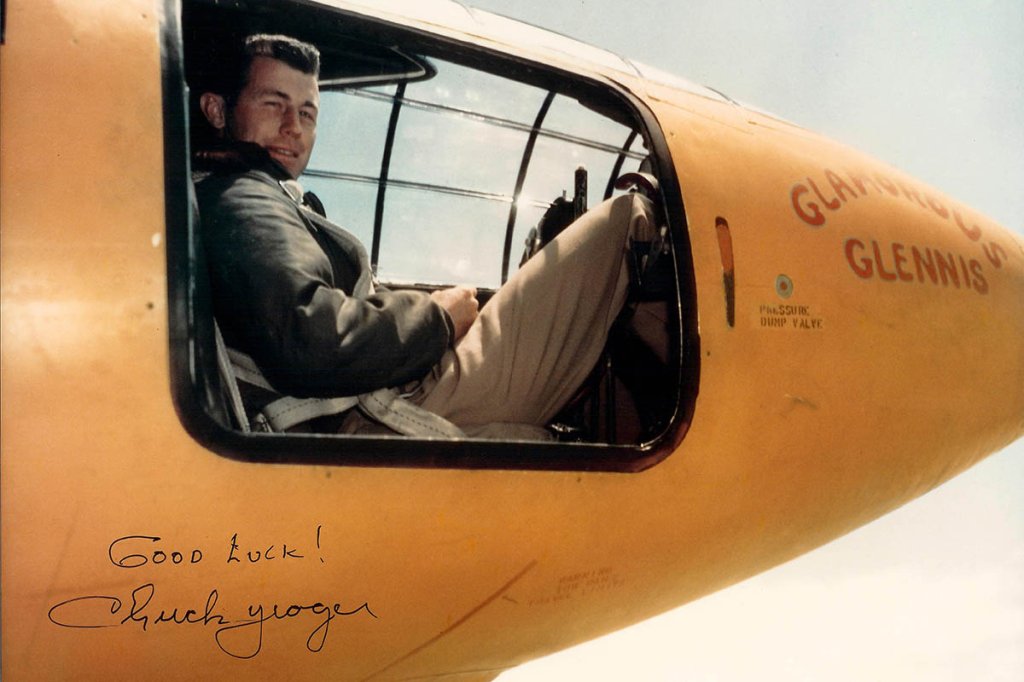
Yeager’s story reads almost like a comic-book superhero. A young aircraft mechanic became one of the first to fly the P-51 Mustang, earned a Bronze Star for saving his navigator after being shot down and captured, and was put back in the sky by a direct action from Supreme Allied Commander Gen. Dwight D. Eisenhower.
He then went on to achieve “ace-in-a-day” status in the first victory over a jet fighter… And that’s all before he became an officer and test pilot and the first man to break the sound barrier.
In addition to his laundry list of notable accomplishments, Yeager also holds the distinction of being one of the coolest and most admired pilots in history.
There’s no denying that Yeager’s middle-of-nowhere, West Virginia accent is stoic and calming. When he speaks, everyone listens. Other military pilots have been imitating his twangy voice ever since he was a test pilot, and as his legend grew, more pilots took on his accent.
The Sincerest Form of Flattery

Chuck Yeager on Letterman, September 10, 1982
When “The Right Stuff” was released in 1983, moviegoers were pulled into Yeager’s story.
Audiences watched as he was denied the chance to go into space despite overwhelming qualifications because of a lack of a college degree. Sam Shepard‘s portrayal of Yeager was so spot-on and captivating that he stole the show, even if Yeager wasn’t the main character. Since then, nearly every single aspiring pilot has, consciously or otherwise, started adapting his accent.
But while we’re here: let’s set the record straight. The long, drawn-out pauses aren’t necessarily a “Chuck Yeager” thing. Like all imitations, the characteristics of his speech have been greatly exaggerated over time, but Yeager is undeniably the origin.