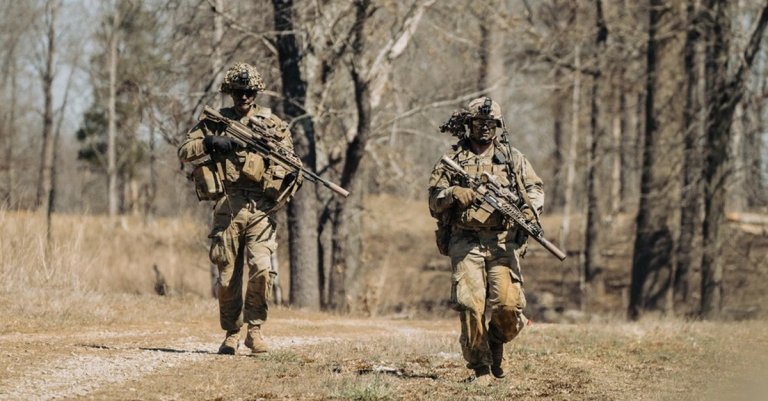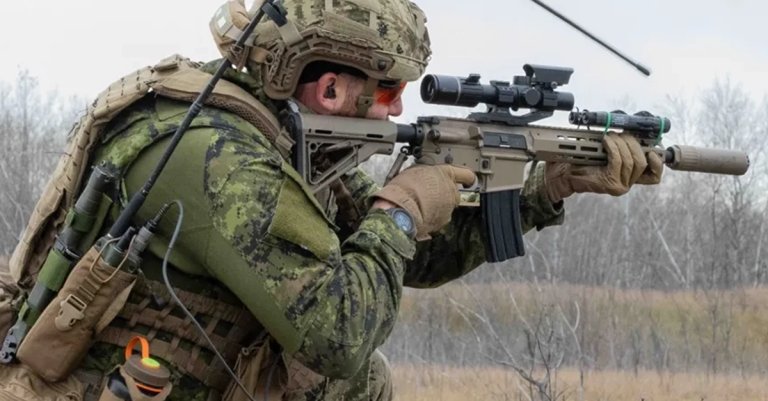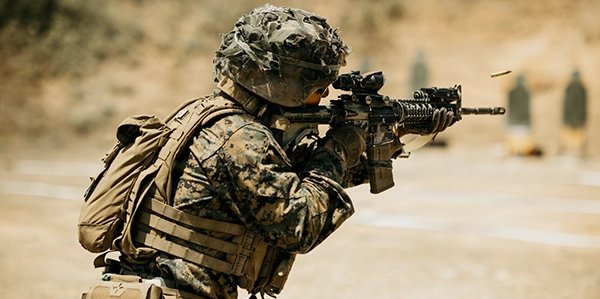
The Armalite Rifle platform has been serving the United States military for more than 60 years, with its original adoption dating back to 1963. While the M16 was initially met with plenty of justified criticism, the platform and the 5.56 NATO ammunition it uses have come a long way.
When you look at what a frontline infantryman needs, it’s not surprising why it was adopted and why it’s stayed in service for so long. But, like anything else, it’s not without its flaws. In particular, there is one flaw with the M4 that, if fixed, could make it a near-perfect carbine.
Also Read: The XM8 is back, but not in the way you might remember it
On the M4 carbine, the hanguards resting on a hard surface disrupt the barrel harmonics since they’re connected to the barrel. So the fix is this: free float the barrel. Free-floating the barrel solves a couple of problems and would essentially make the M4 a near-perfect carbine. Here’s why:
Improved Barrel Harmonics
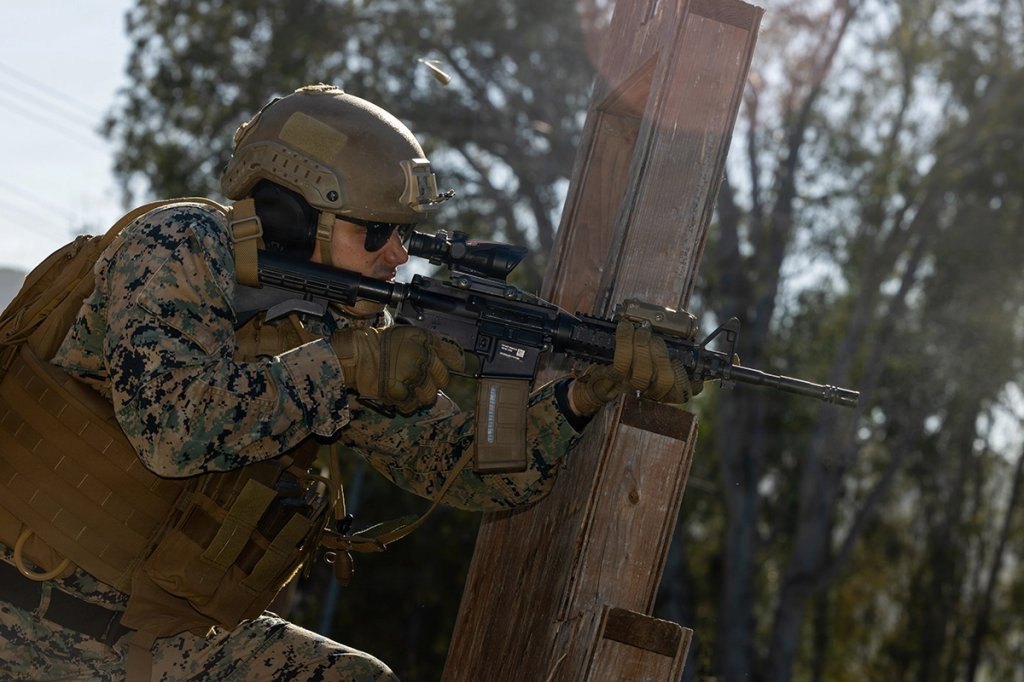
When a round travels through the barrel of a rifle, there’s vibration. That vibration affects how the bullet leaves the muzzle and, ultimately, where it lands on the intended target. When a barrel can vibrate more consistently, the effect on the bullet is minimized.
But when an infantryman puts those stupid, wannabe high-speed grip pods on their rails and rests them on a hard surface, it disrupts the vibration’s consistency.
Consistency is key when it comes to shot groups, and by eliminating the variable of disrupted barrel harmonics, shot groups would be much tighter. For the average infantryman, shooting consistently is a necessity when in longer-range engagements. Also, the only function of those grip pods is to break the second you deploy the bipod legs.
Bullet Stability
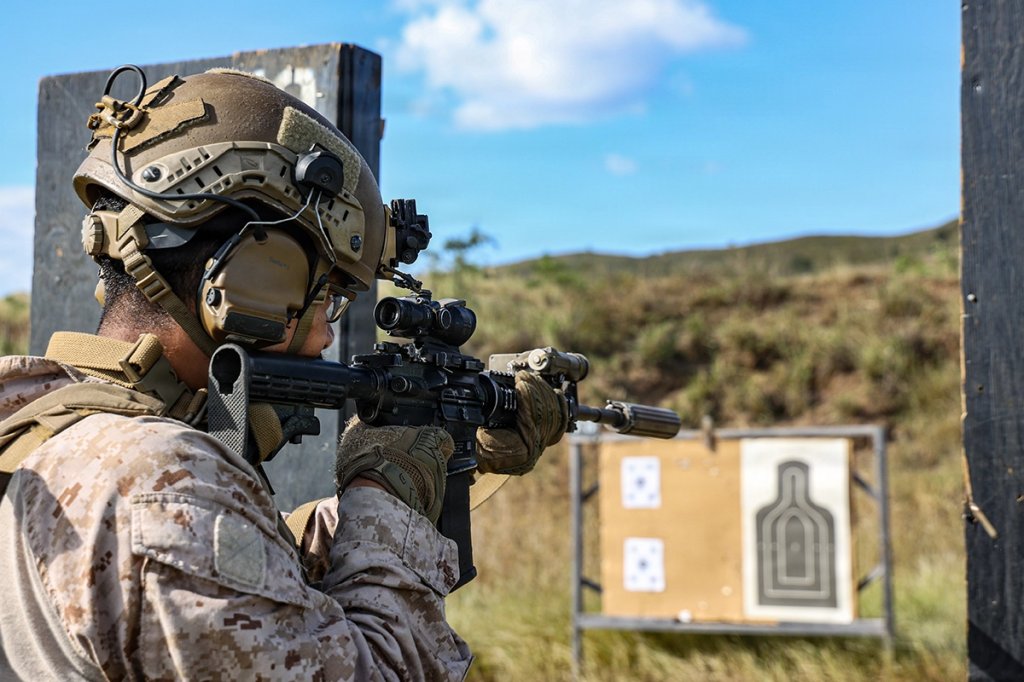
Any well-trained shooter knows that bullet stability is key. That stability starts within the barrel, when the bullet leaves its cartridge to spread democracy, and continues as it travels through the air. Most accuracy issues grunts experience are the result of their failure to ensure as much stability as possible before the bullet leaves the muzzle.
Maybe it’s because they have never experienced stability themselves, or maybe they were too busy fighting the sleep dust fairies (they’re real, trust me) to pay attention in their marksmanship classes.
When it comes to the internal ballistics, the purpose of the rifling itself is to cause the bullet to spiral. If your dad loved you and taught you how to throw a football, you know that the spiral stabilizes the football in flight. The same is true for bullets. The rifling creates gyroscopic stability when the bullet leaves the barrel, and when the handguards are rested on a hard surface, it creates a tiny break between the chamber and the barrel.
That break may only mean fractions of an inch at 25 meters, but it becomes far more critical as you get out to 300 or 400 meters. By free-floating the barrel, you can rest the handguards on any type of surface, and it won’t influence the bullet stability.
You can even use those stupid grip pods.
Heat Management
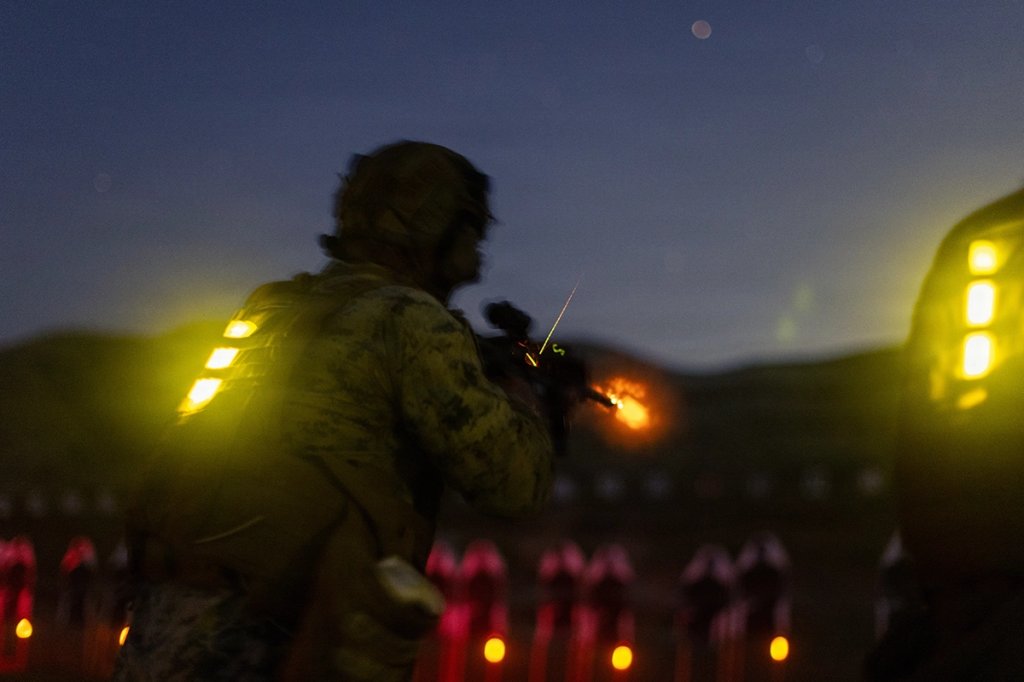
Even though every grunt enjoys the feeling of warm handguards on a cold day, free-floating barrels would benefit the heat management of the barrel. While you may not think it’s a huge factor, think back to high school science: Metal expands with heat and, when you’ve punched 300 rounds through an M4 barrel, it tends to get a bit spicy. Well, internally, the bore itself is expanding slightly, which again affects the barrel harmonics.
When you consider that a grunt could be running and gunning all day, burning hundreds of rounds of ammo, that heat management is going to make a difference.
If the barrel takes longer to heat up to the point where it affects accuracy, it can be in the fight longer. By free-floating the barrel, you’re solving a wide variety of accuracy-related issues that would make the M4 a much better weapon for the average infantryman.
Even with this one fix, it won’t ultimately make up for poor skill, and you would still be tearing your hair out when your private comes off the firing line without qualifying.
Don’t Miss the Best of We Are The Mighty
• The infantry hates the XM7 rifle (and why the Army doesn’t care)
• The National Guard’s ‘one weekend a month, two weeks a year’ slogan is outdated
• Why the Honor Guard is the best military experience