The Pentagon is increasingly utilizing equipment and technology from the civilian sector for military applications, but service members have long found ingenious uses for civilian items. Here are a few of the most legendary.
1. Detecting tripwires: Silly String

Tripwires have been a problem for centuries, but a modern toy has provided a solution. Silly String can be sprayed through open doors, windows, and other choke points to check for booby traps before soldiers and Marines move through.
2. Stopping bleeding: tampons
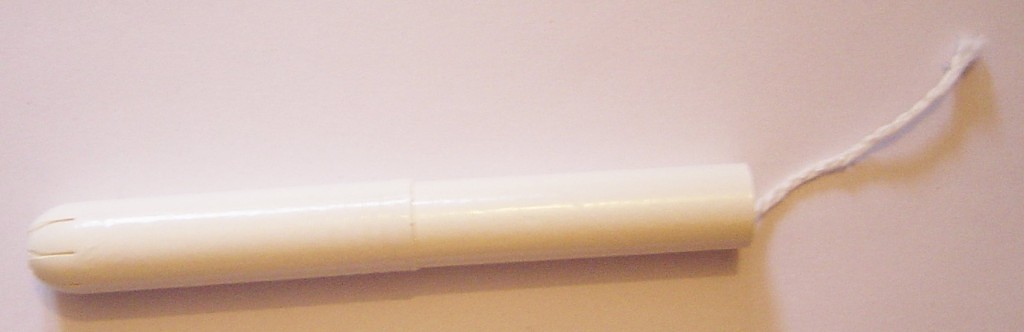
Tampons are known for stopping a certain kind of bleeding, but deployed service members realized that small tampons can plug a bullet hole, quickly controlling bleeding while the injured awaits a medical evacuation.
3. Marking bombs: flour and earplugs
Once a mine or improvised explosive device is found, its location has to be communicated to others. Some units will draw on the ground with flour from a squeeze bottle, making symbols that say the type of danger and its location.
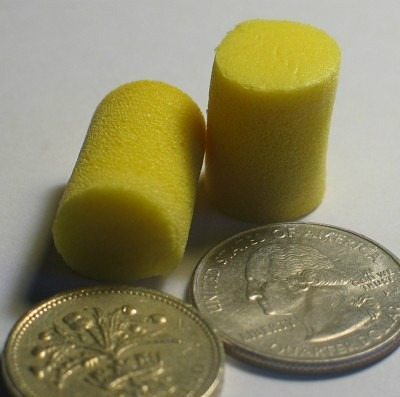
Flour doesn’t work well in wet environments or on ground that is a light beige or dirty white. There, disposable earplugs can work better. Mine clearance will find a mine and drop a brightly colored earplug on it. Soldiers following behind them know to watch out for these markers.
4. Cleaning weapons: baby wipes, cotton swabs, and dental scrapers
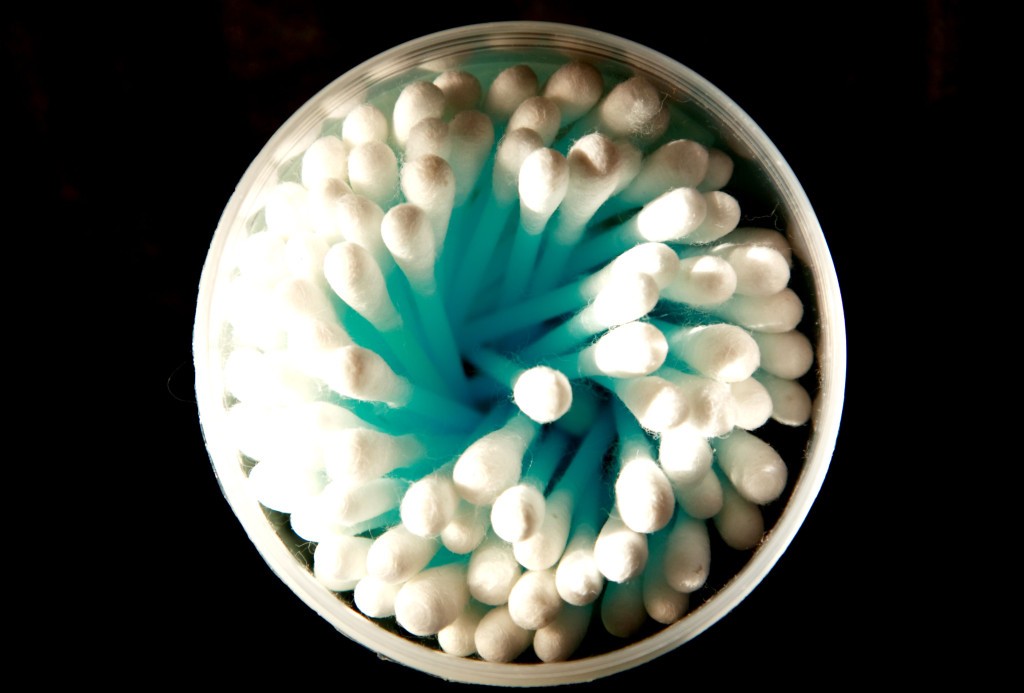
Weapons maintenance is essential, but good materials can be hard to find. Still, some of the best cleaning can be done with baby wipes, cotton swabs, and dental scrapers. They’re used to wipe down surfaces, get to hard-to-reach areas, and remove burnt-on carbon, respectively.
5. Sewing: dental floss
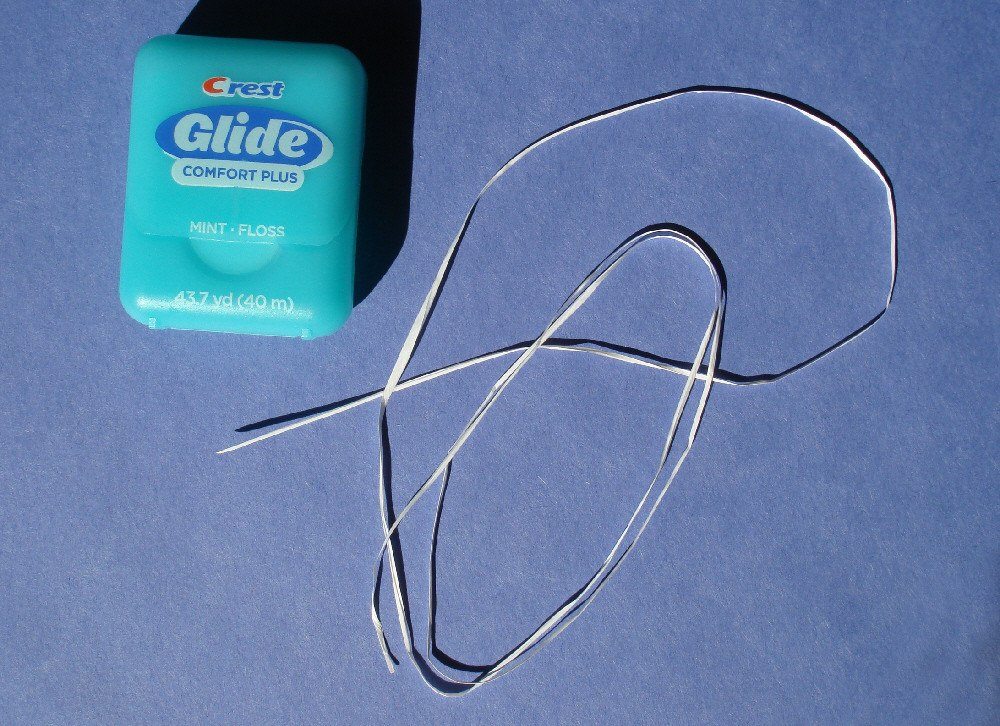
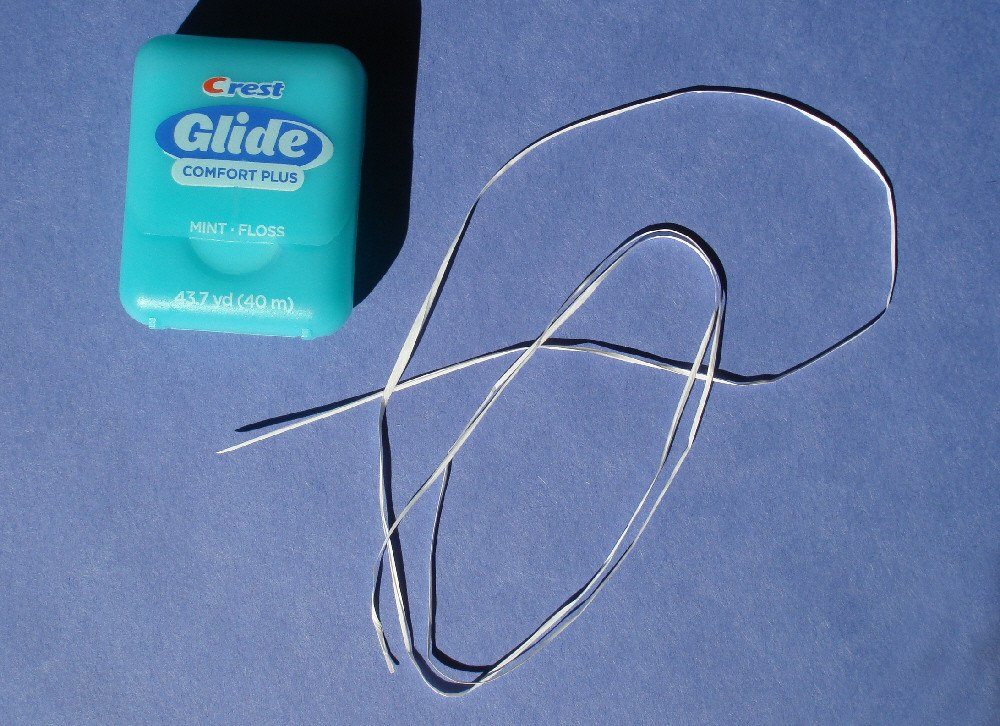
When uniforms rip, soldiers away from a base must repair them personally. Dental floss is strong, easy to use, and readily available to troops at the front. To make a sewing kit, troops throw floss in a cleaned-out mint or dip can along with a couple of sewing needles.
6. Waterproofing: Soap dish or condoms
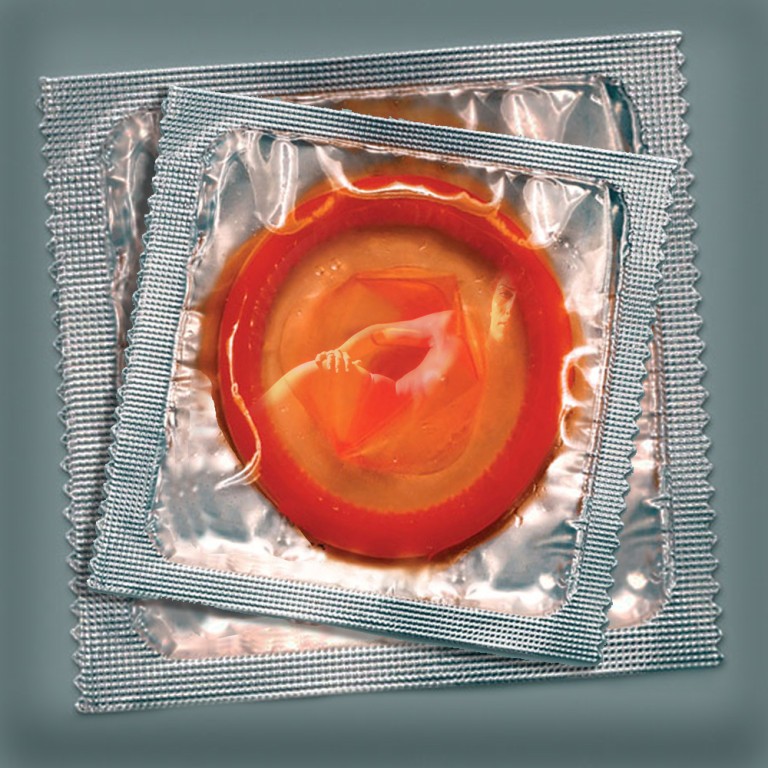
A service member’s poncho should keep their gear dry, but even recruits in boot camp know better. Wallets, maps, and notebooks are better protected in a travel soap dish. When a dish isn’t available or an awkward item needs protection, condoms can be unrolled over them. This technique works well for waterproofing boots before crossing a stream.
7. Cleaning radio contacts: pencil eraser
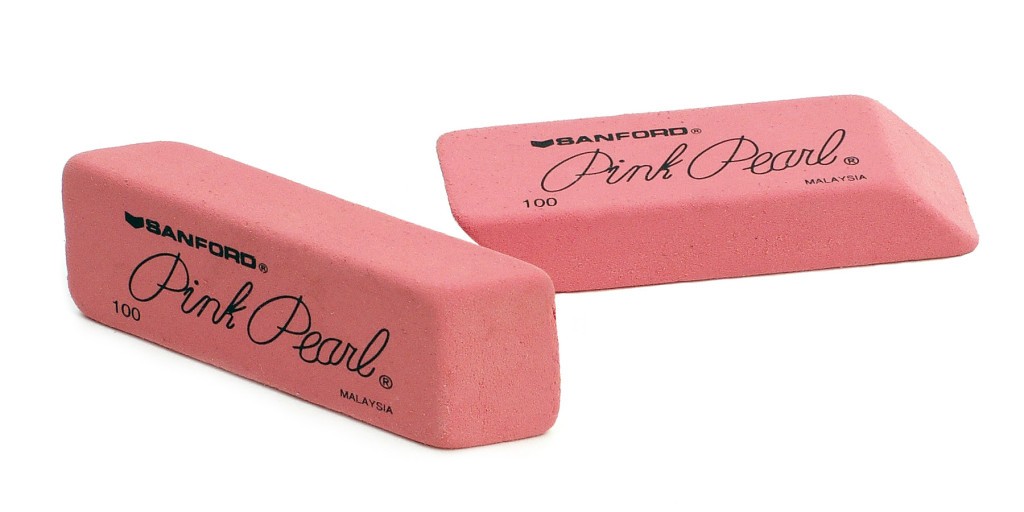
This one is so effective that it has become official Army doctrine. The contact points where microphones or antennas meet with a radio can become tarnished and dirty. Erasers can remove these spots quickly, a technique that has been incorporated into Army manuals, such as Field Manual 44-48, “Tactics, Techniques, and Procedures for the Sensor Platoon.”
8. Making terrain models: marking chalk

Marking chalk is the chalk contractors use with a string to mark exactly where a wire should run or a cut should be made. The chalk doesn’t come attached to the string, though; it comes in 5-gallon jugs.
The military, which has to build sand tables that represent the terrain in their area of operations, realized they could use different colors of this chalk to make different colored sand. Water can be represented with blue, vegetation with green, and hazardous areas with red or yellow.