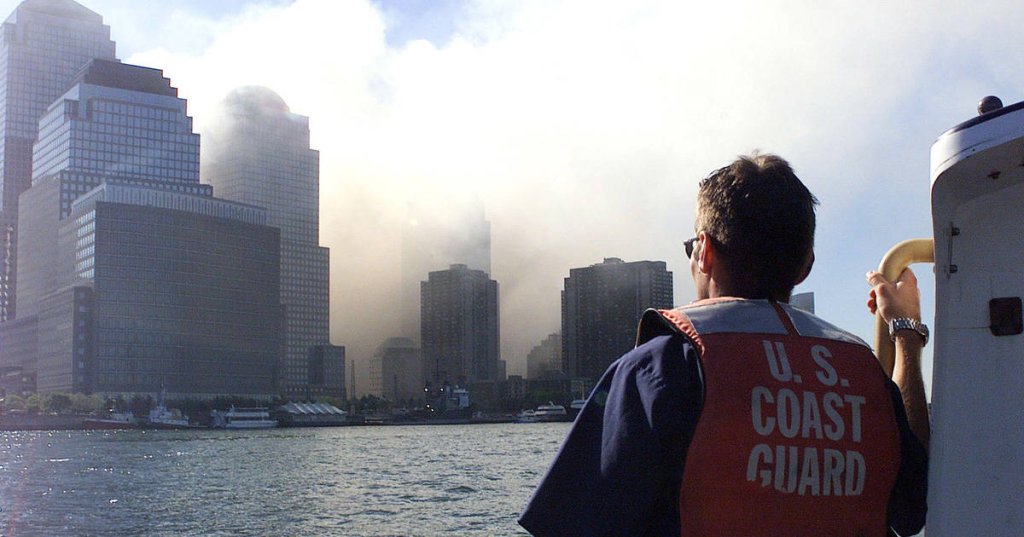
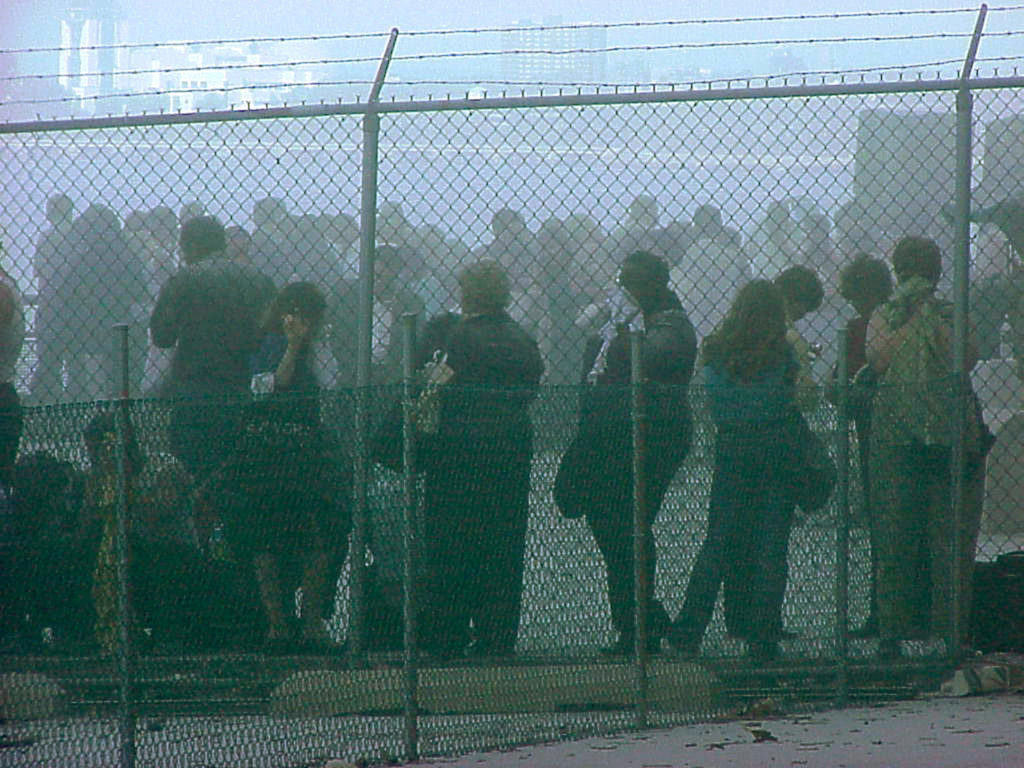
On the morning of September 11, 2001, Manhattan was thrown into chaos as more than 500,000 people fled towards the water. They were looking for any way to get off the island and away from the dust, debris, and fire that came from the World Trade Center.
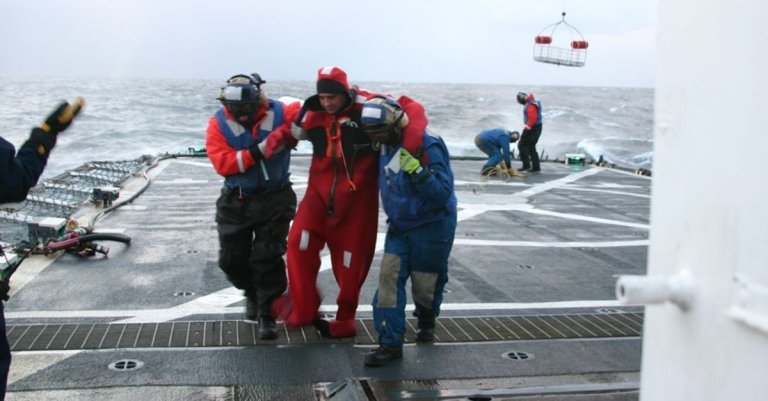
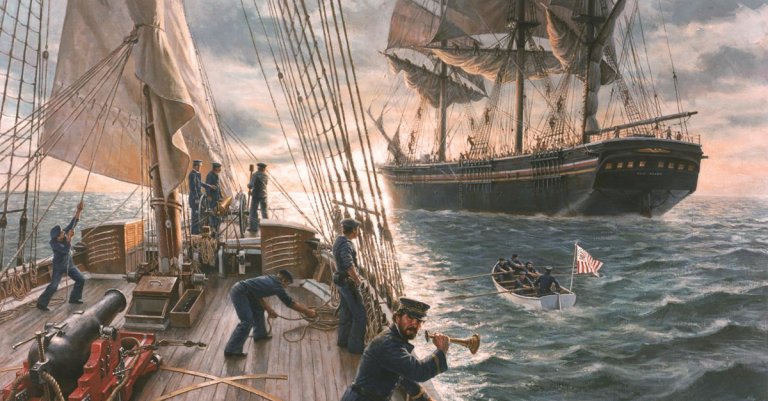
The U.S. Coast Guard was on scene just over an hour after the first plane hit during the 9/11 attacks. Members of the Coast Guard evacuated half a million people from Lower Manhattan and stayed on to help clean up New York.
Also Read: 9/11 hero Welles Crowther to receive Presidential Medal of Freedom
No one on the ground at the time knew for sure what was really happening. What New Yorkers did know is that they wanted to flee to safety, and on that sunny Tuesday morning the Coast Guard took immediate action. The first tower was struck at 8:46, and by 10, more than 40 Coast Guard cutters and boats flooded towards the southern tip of Manhattan.
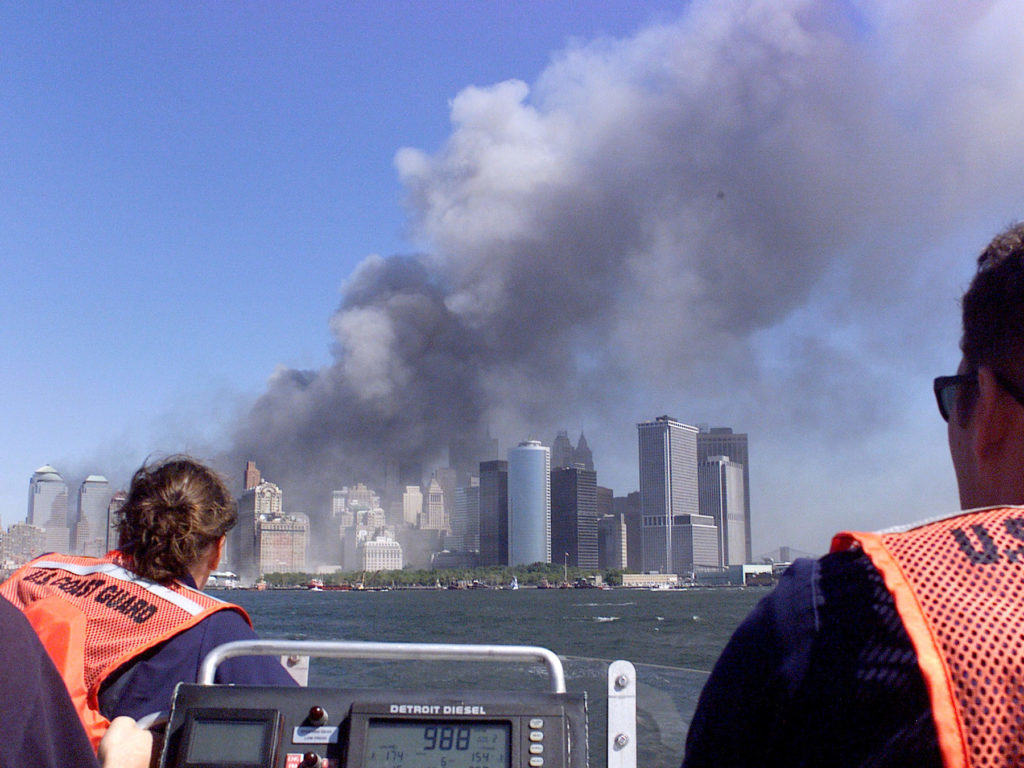
“We felt the impact of the plane hit the Pentagon as we watched New York on TV,” then-Commandant of the Coast Guard, Adm. James Loy recalls, “and we knew that it was a large-scale terrorist attack.”
Loy relied on his junior officers to put into action their exhaustive search and rescue and port security training. Those men and women quickly realized they couldn’t go at it alone.
A radio call to any boats that could help came from Lt. Michael Day, the Chief of Activities New York – Waterways Oversight Branch.
“United States Coast Guard aboard the pilot boat New York,” he called. “All mariners, we appreciate your assistance.”
He went on to ask for any vessels to head for several areas set up by the Coast Guard to help shuttle more than 500,000 people off the island. They also had to recover people who attempted to swim towards Staten Island and Jersey City.
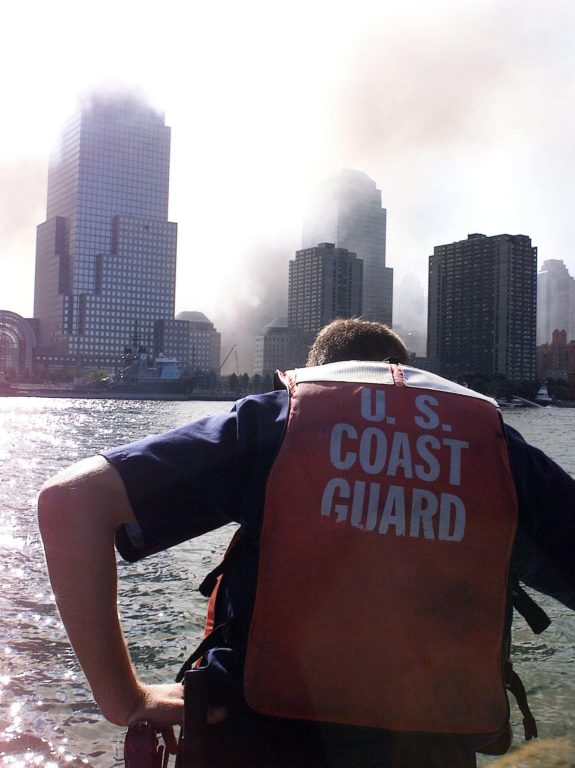
Nearly 80 vessels shuttled supplies and personnel between Manhattan Battery and Jersey City as a part of the relief and clean-up efforts in the days following the attack. Loy also changed the course for every cutter on the Atlantic coast to cease migrant and drug interdiction operations and to begin defense readiness and port security operations.
The Coast Guard continued to stand the ready-guard in the weeks and months following 9/11. The world was unsure of whether the attacks would happen again. The Coast Guard guarded every nuclear power plant on navigable U.S. waters. They worked tirelessly and around the clock for months, a part of the recovering and cleanup efforts at the World Trade Center, as well as performing their regular duties.
“You could just see the exhaustion in everyone’s eyes as they worked, unrelenting in trying to just find a survivor,” reflects Senior Chief Machinery Technician Tina Claflin, who served with Coast Guard Atlantic Strike Team as a Machinery Technician 2nd Class, on her time working in the clean up efforts.
Coast Guardsman were not always in their iconic blue uniforms that morning. Several reservists were in New York as first responders, including Christian Waugh, a New York City firefighter, and Port Securityman 1st Class. Waugh, along with Lt. William Cosgrove, NYPD and Zachary Vause, NYFD, carried the body of Rev. Mychal Judge out of the north tower just moments before it collapsed.
The father of the Coast Guard – the first Secretary of the Treasury Alexander Hamilton – is buried in the Trinity Churchyard, just steps away from where the World Trade Center stood. In the wake of the attacks, as Loy and Master Chief Petty Officer of the Coast Guard Vince Patton stood near Trinity Church, they realized how powerful the house of worship stood as a monument.
It sustained only a broken window and was a place of refuge for recovery workers. As Loy looked around the ash and debris-strewn churchyard, he looked at Patton and told him that they had to clean it. Patton first looked at Loy and thought “Has the old man lost his mind?” but realized Loy was looking across the yard at Hamilton’s grave.
Patton spoke with Senior Chief Petty Officer Steve Koll, the Command Senior Chief at Activities New York, and less than 24 hours later was sent back to New York. Patton estimated the job would take nearly 100 people days to finish. Koll, who had just a few dozen on hand, finished the job in less than a day.
While the Coast Guard remembered its history, it also mourned the loss of current members.
Jeffrey M. Palazzo, a New York City Fire Fighter and Machinery Technician 1st Class in the Coast Guard Reserves was trapped as the North Tower collapsed, his remains never recovered. Police officer and Port Securityman 2nd Class Vincent G. Danz also lost his life in the North Tower, looking for survivors with the Bronx’s Emergency Service Unit. His remains were lost until December 2001.
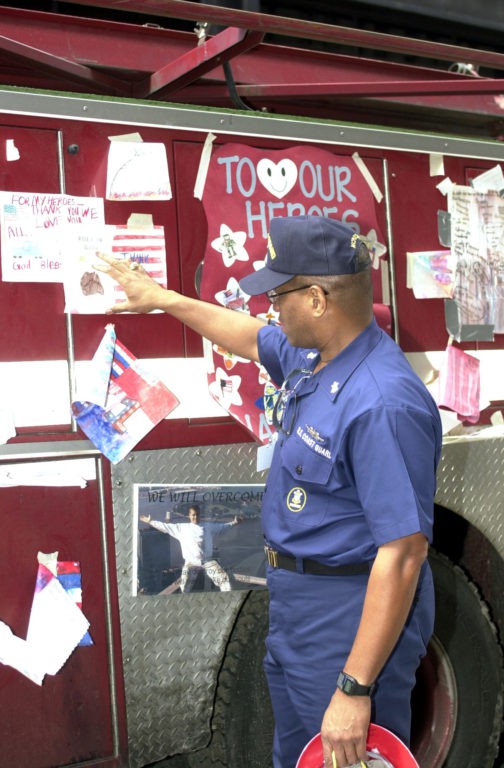
In everything the Coast Guard did in the aftermath of 9/11, the service didn’t forget its core values of honor, respect, and devotion to duty. As Patton reflected on the efforts in New York, he said: “When we all rallied around honor, everything just fell into place.”
Don’t Miss the Best of We Are The Mighty
• A New York artist painted each of the Red Baron’s 80 aerial kills
• How a 70-year-old fireboat became a hero worthy of its namesake on 9/11
• This former Navy pilot became one of the unlikeliest Super Bowl champions ever