

In his latest book, “Behind the Badge,” retired Marine Corps Staff Sgt. Johnny Joey Jones turns his unwavering gaze toward a group of Americans too often overlooked in conversations about trauma and service.
They are our first responders.
Related: A Marine Corps general led a fictional Iran against the US military–and won
Jones served more than eight years as a Marine before he was injured by a roadside bomb in Afghanistan. Since then, he has devoted his life to serving through fierce advocacy, supporting veteran nonprofits and utilizing his platform on Fox News to further the causes he’s most passionate about.
Following the success of his first book, “Unbroken Bonds of Battle,” which chronicled the strength and stories of his fellow veterans, Jones felt compelled to dig deeper into a parallel narrative.
‘A Similar Story for First Responders’
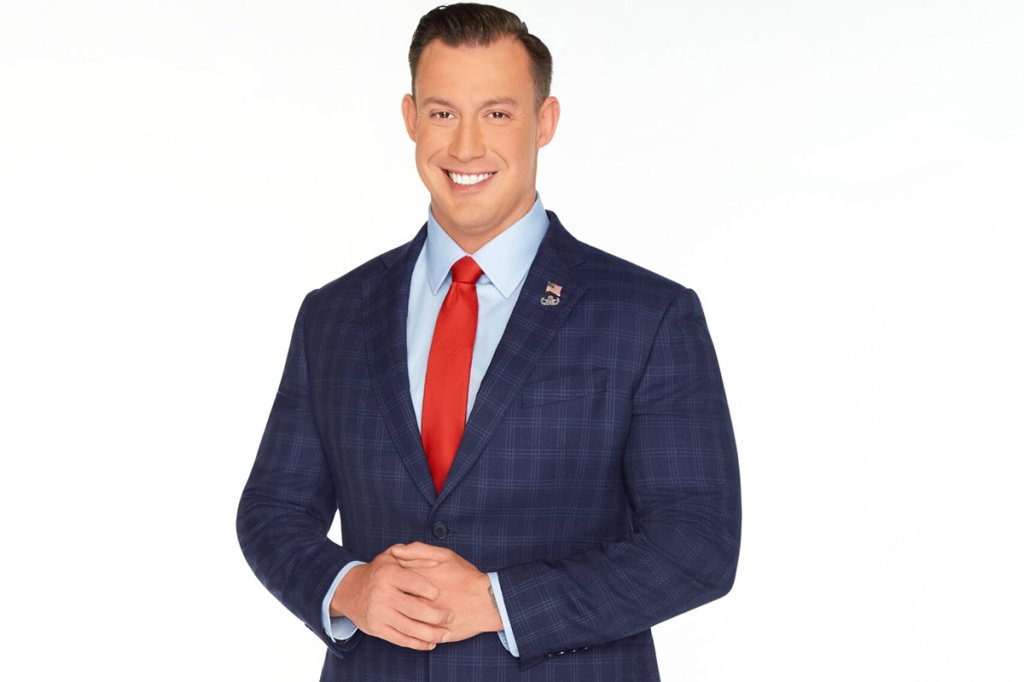
“Probably the same week I turned that book in, I told the publisher, ‘I think there’s a similar story for first responders, and I’d like to tell it,’” Jones said.
That idea ignited a project rooted in gratitude, respect, and a fierce sense of duty to amplify voices that rarely get the national stage: the everyday hometown hero. His inspiration came from shared hunting trips with veterans and firefighters—initially close friends, then strangers who became lifelong brothers-in-arms in a different kind of uniform.
“It started as a way to connect,” Jones said. “But what I saw was how deeply these men and women carried the weight of what they faced every single day.”
Unlike military service, where deployments have defined start and end points, the battles of first responders are relentless.
“I spent a little over a year overseas with my deployments,” Jones said. “But when I came home, I didn’t have to relive that battlefield every day. For first responders, their battlefield is their hometown.”
Everyday Heroism
Jones paints a harrowing picture: a firefighter who drives past the site of a fatal fire on the way to dinner or a police officer pulling someone over just blocks from where they failed to save a life days earlier. These aren’t stories meant to shock but rather to humanize.
“Behind the Badge” is not a collection of extraordinary incidents. It is a testament to the quiet, relentless toll of heroism in ordinary people.
Throughout the book, Jones reveals that while veterans have long benefited from growing public and institutional support for mental health, first responders are often left to care for each other.
“At the national level for veterans, we’ve got the VA, suicide prevention campaigns, and acknowledgment of PTSD,” Jones said. “For first responders, that doesn’t exist.”
Instead, peer-to-peer check-ins in firehouses, precincts, and squad cars form the backbone of support for first responders. What shocked Jones most in writing the book wasn’t just the trauma these individuals face; it was how much they hide it.
“I assumed they were just wired differently, like maybe it just didn’t bother them,” he said. “But it does. They just believe the mission is more important than the toll it takes.”
Among the most gut-wrenching stories is that of Indiana State Trooper Justin Heflin, a longtime friend and fellow veteran. Responding to a fatal bike accident, Heflin stopped a speeding driver on the way to the scene. When he returned to the station, he learned the victim was his own father.
“It was deeply personal. I can’t imagine facing that and coming back to do the job the next day,” Jones said.
Trumpeting the Resilience of First Responders
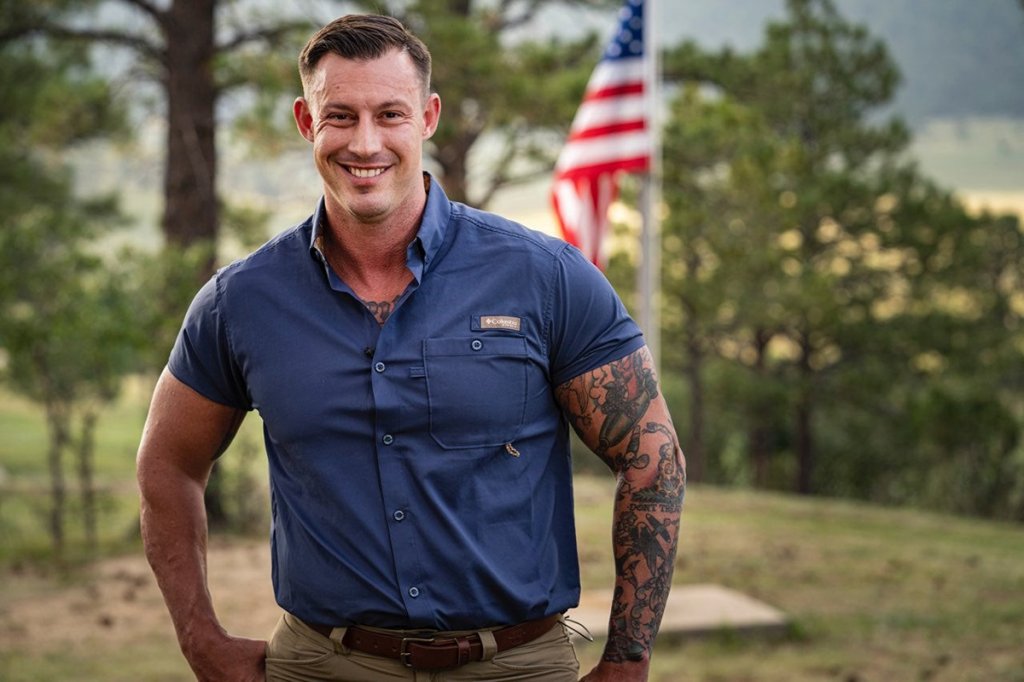
Despite the weight of these stories, “Behind the Badge” is not a book about despair. It’s about resilience. More importantly, it’s about the need for public awareness.
“If society doesn’t know what these men and women endure, they can’t appreciate them,” Jones said. “They can’t support them.”
Jones also explores the complicated shift in public sentiment toward first responders, especially police officers, in recent years.
“Morale doesn’t necessarily hinge on public approval,” he said. “They care more about whether people walk away alive than whether they walk away grateful.”
Yet there’s a less visible form of wear-and-tear: public entitlement.
“People live recklessly and expect someone to show up and fix it,” Jones said.
He noted that firefighters, EMTs, and officers respond to preventable tragedies born from negligence, addiction, and societal neglect.
“It takes a toll when your job is cleaning up the consequences of a community that doesn’t realize its own role in the chaos,” Jones said.
What sets “Behind the Badge” apart is its balance. The book features stories from small towns and major cities alike, from Los Angeles Police Department bomb squads to rural Georgia fire departments. Jones emphasizes that trauma knows no ZIP code.
“There is no exclusivity to suffering,” Jones said. “In some ways, the small-town responders have it even harder. They’re more likely to know the people they’re trying to save.”
For readers unfamiliar with the world behind flashing lights and sirens, Jones hopes the book educates and inspires.
“These are ordinary people doing an extraordinary job,” he said. “They deserve more than a thank you. They deserve a true understanding of the weight of the job and the recognition for the work they do.”
In “Behind the Badge,” Jones does what he does best. He bridges the gap between public perception and personal sacrifice, shining a compassionate light on those who serve not in distant lands, but right next door.
Don’t Miss the Best of We Are The Mighty
• What actor Blair Underwood learned from his mother’s life as a military spouse
• ‘Masters of the Air’ got a definitive new edition from The Folio Society
• A new documentary shows how veterans face traumatic injuries together
Featured

Sponsored Content
Fuel to Serve: The mission starts at the meal



Loading comments…
Comments couldn’t be loaded. Please refresh the page.