
Aristotle Was a Fan of Pentathletes
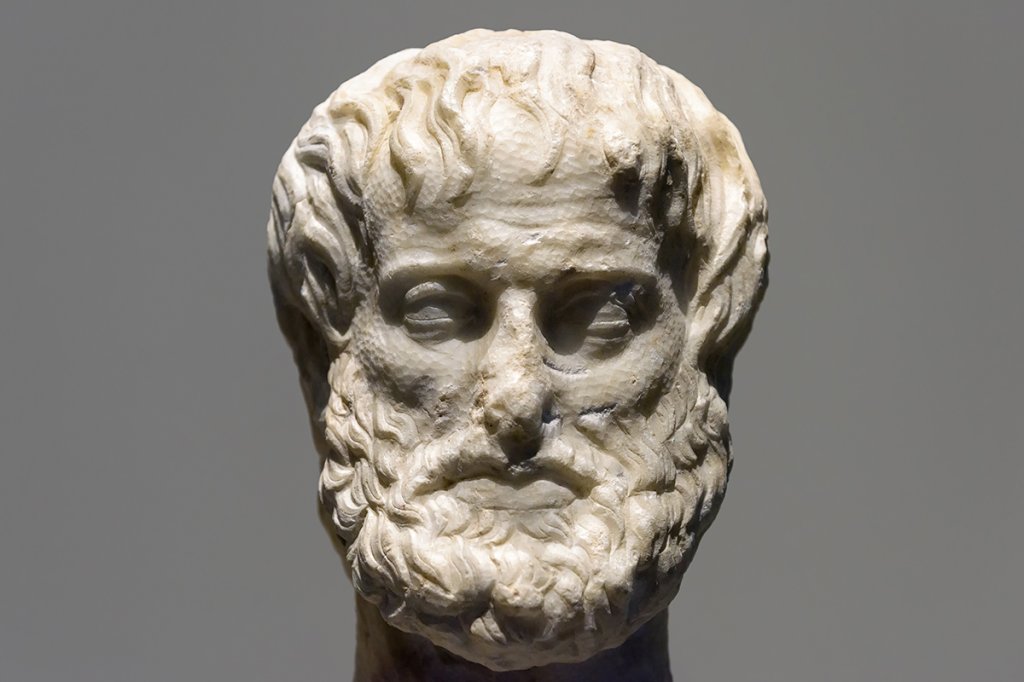
Scholars could not determine how the winner of the Ancient pentathlon was selected. However, pentathletes were considered inferior to athletes who specialized in individual events. Still, the philosopher Aristotle held pentathletes in high regard.
“Beauty varies with each age. In a young man, it consists in possessing a body capable of enduring all efforts, either of the racecourse or of bodily strength, while he himself is pleasant to look upon and a sheer delight,” Aristotle wrote in his treatise, “Rhetoric.” “This is why the athletes in the pentathlon are most beautiful, because they are naturally adapted for bodily exertion and for swiftness of foot.”
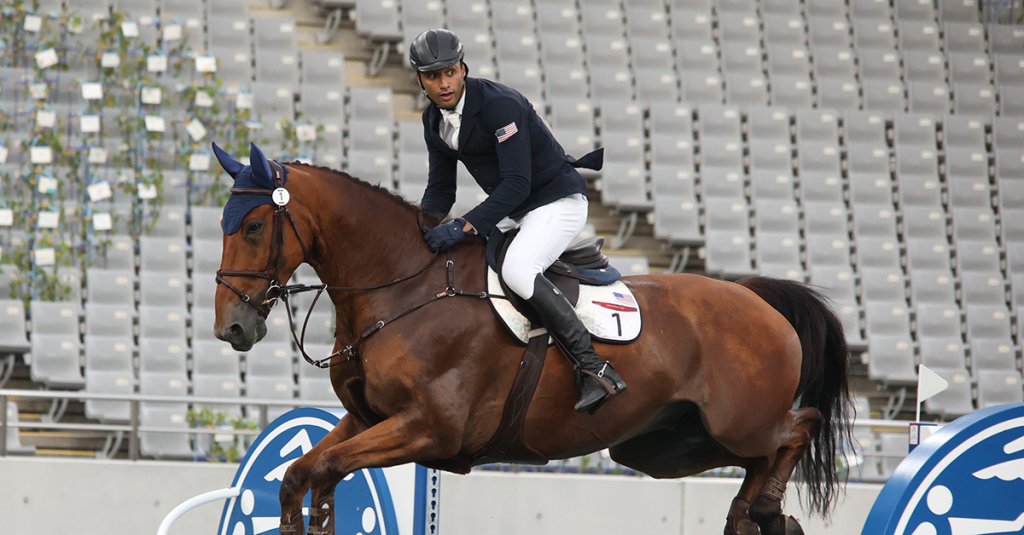
As warfare evolved, so, too, did the pentathlon. In 1912, the modern pentathlon was first held during the V Olympiad in Stockholm. The president of the International Olympic Committee, Pierre de Coubertin, took inspiration from the ancient pentathlon and based the events on the skills that a 19th-century cavalry soldier needed to escape back to friendly lines from behind enemy lines. Those skills included riding an unfamiliar horse, fighting enemies with a pistol and sword, swimming, and running to evade capture.
As such, the modern pentathlon consists of riding, pistol shooting, fencing, swimming, and running.
The Pentathlon, It Was A-Changin’
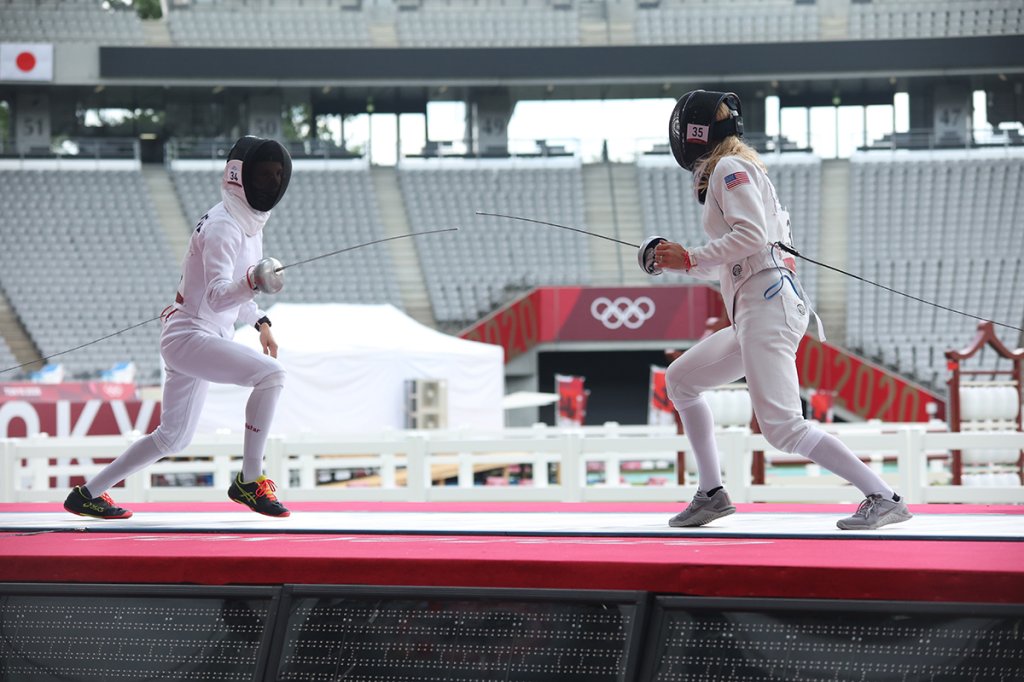
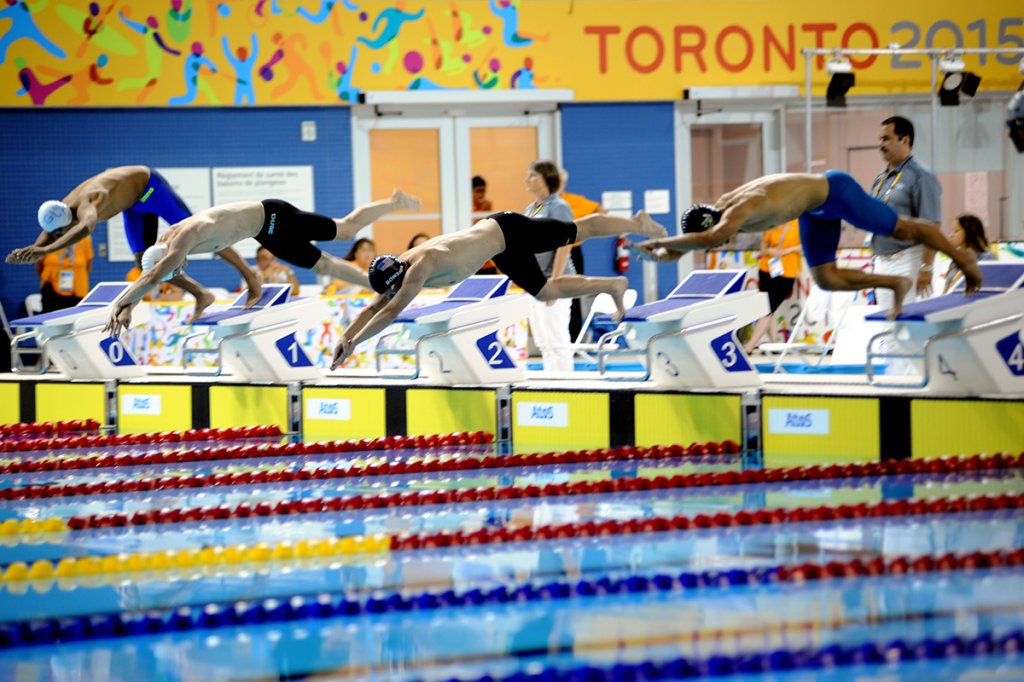
The original distance of the swimming event was 300 meters. It was reduced to 200 meters at the 2000 Sydney Olympics. Fencing was originally competed in a round-robin format. In 2015, an additional bonus round was added to épée fencing in international competitions. This was reflected at the 2016 Rio Olympics.
The riding event was originally cross country with a distance of 5 kilometers. In 1972, the event was reduced to 4 kilometers. At the 1988 Olympics in Seoul, the riding event was changed to show jumping. Shooting was originally done with regular pistols, but was later switched to sport pistols. After the 1988 Olympics, shooting was changed to .177-caliber air pistol from the standing position at 10 meters with a stationary target. For the 2011 World Cup, the air pistols were equipped with laser transmitters and continue to be used.
The running event was 4 kilometers until the 2000 Sydney Olympics; it was shortened to a 3-kilometer cross country run. In 2009, running and shooting were combined. Competitors ran three 1,000-meter laps, each preceded by laser pistol shooting at five targets with a time limit of 70 seconds. Beginning with the 2013 season, the run was changed to four 800-meter laps and the shooting was changed to five targets in 50 seconds. After the 2020 Tokyo Olympics, the run was further modified to five 600m laps.
One Action-Packed Day
The modern pentathlon originally took place over the course of 4-6 days. Beginning with the 1996 Atlanta Olympics, all five events took place on the same day. To improve the audience experience, the 2024 Paris Olympics further consolidated the modern pentathlon into 90 minutes at the same venue (except for the fencing ranking round).
Beginning with the 2028 Los Angeles Olympics, the riding event will be replaced with obstacle course racing. The International Modern Pentathlon Union conducted a study that found that younger viewers are more likely to watch the Olympics on TV if it included an obstacle course race in the style of “American Ninja Warrior.”
Modern pentathlon has also faced controversy over the riding of unfamiliar horses. Multiple female athletes at the 2020 Tokyo Olympics complained that they couldn’t control their horses. Also at the Tokyo Games, German coach Kim Rainer was kicked out of the event for punching a horse in frustration. Overall, an obstacle course race that tests agility and strength better reflects modern soldiering than riding an unfamiliar horse.