

The eMerge Americas conference and expo brings together the leaders and emerging players in the some of the most advanced and in-demand defense technologies today. Companies making huge leaps forward in AI, counterdrone, and PNT denial tech bring their latest developments to showcase, pitch to the Department of Defense, or even find investors.
But one of the most stunning developments at the conference is actually something that everyone who works in defense (including the warfighters themselves) really needs in everyday life. And it’s not high tech or AI. It’s human counterintelligence. Old-school tradecraft.
Also Read: The 6 worst spies of all time
It turns out that conferences that bring together America’s most cutting-edge tech companies also tend to draw out foreign intelligence. That is to say: Spies.
Younger troops and veterans who served in sensitive areas of the military may not realize they are targets for those foreign intelligence agencies—and not even enemy intelligence. Israel’s Mossad is consistently ranked as one of the most aggressive agencies acting against the United States.
When aircraft maintainers, security personnel, drone operators, intelligence officers, and basically anyone who works (or used to work) closely in sensitive or classified areas are outside their protected workspaces, learning even the most basic counter-espionage techniques could be life-changing—or career-saving.
Nowhere is the risk more apparent than traveling for business.
“Among Enemies: Counter-Espionage for the Business Traveler” author Luke Bencie estimates that around 35,000 potentially sensitive targets are flying through American airports every day, bound for destinations around the world, some that could make them an even more tempting target.
Bencie worked in intelligence for more than three decades and in more than a hundred countries. He put his skills to work helping Fortune 500 executives protect themselves and their company from agents out to steal their secret economic, technological, and industrial knowledge. He eventually compiled his security briefings into a book, which is a good thing because economic espionage is still the FBI’s second-highest priority.
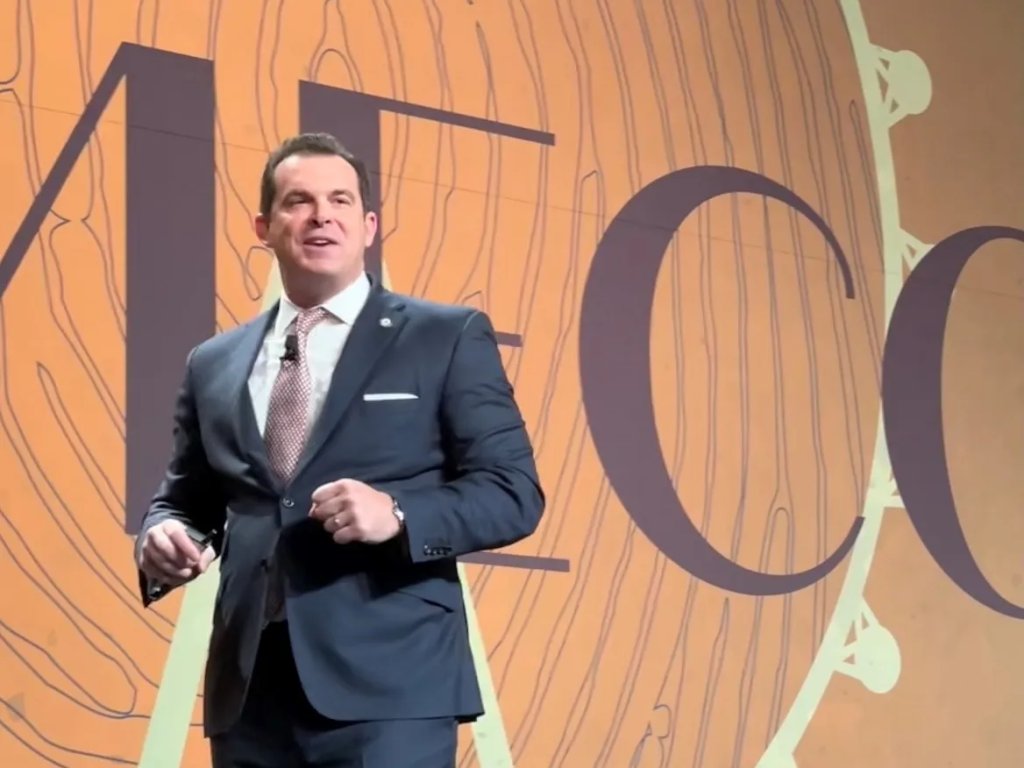
“One out of every four FBI cases right now has to do with economic espionage,” Bencie told We Are The Mighty. “The FBI can’t even keep up. And in fact, a lot of the cases, particularly for publicly traded companies, are never reported, because if they report that someone stole their tech, the share price is going to tank.”
The author stressed that it’s not only executives who could be targeted. Academics, mechanics, anyone with any secret information, civilian or military, should be on guard. Airman 1st Class Snuffy may not think he or she has anything that a foreign operative could want, but they should still take precautions.
“It used to be that the government would give direct contracts to just the Big Five,” the author said. “Now with all the subcontractors that are involved, it’s so much easier to target those other subs rather than going to the big defense contractors. Since Iraq and Afghanistan, the government moved more towards commercial, off-the-shelf type technology and they’re sending people to conferences like [eMerge Americas].”
“I always joke at conferences like this, one out of every four of five people is probably a spy,” said Bencie.
It might sound paranoid to think like a counterintelligence operative, especially when traveling inside the U.S., but Bencie believes that anyone with a security clearance should. Spying is much more prevalent than most people understand. So whether you’re an actual intelligence officer or you just maintain F-35s, it’s probably something to consider.
In 2014, 60-year-old Lt. Col. Benjamin Bishop was sentenced to seven years in prison for passing secrets to his 27-year-old Chinese girlfriend, somone he’d met at an international military conference. David Slater, another retired Army officer and Air Force civilian, got 70 months in prison in 2025 for sharing information about the Ukraine war with someone he met on an online dating forum.
Even former Congressman Eric Swalwell was unknowingly targeted by a Chinese spy.

“I put this in the book, and it’s for the guys: If you’re not good-looking here in the United States, when you go to Bogota, Moscow, Beijing, you aren’t suddenly good-looking when you get there, either,” Bencie said. “There’s a reason the girls are suddenly coming up and talking to you.”
Avoiding the honeypot is just one of the caveats the author writes about in his book. He breaks down the myriad methods enemy agents might use to extract information from unsuspecting travelers. Moreover, he introduces ways to protect yourself and sensitive information while traveling—at the airport, aboard the plane, while driving to the hotel, and more.
For example, many business travelers with prearranged hotel transportation might see a driver holding a sign with their name on it. One might just walk up and accept the ride. No way. The truth is, unless you’ve met this person before, there’s no reason to trust that they are who they say they are. Bencie suggests having a code word with the company to verify your driver. But the risk doesn’t end there.
Your hotel is the top spot where foreign agents will try to steal secret information and your room is not safe. Expect it to be searched whenever you leave. Your technology is also a target; don’t let it out of your sight. From the bellhop to any sudden hotel-room visitors, you should never leave it alone with anyone else. You should also assume your room is wired for audio and video and act accordingly.
“This was drummed in our heads when I worked in the intel world,” Bencie said. “Don’t do anything that you wouldn’t want to see splashed on the front page of The Washington Post or The New York Times the next day. Anytime you find yourself in that decision-making point, think about, ‘What if this shows up in the paper tomorrow: Will this destroy me?’ That should always be in the back of your head.”
On top of training for organizations, Bencie offers a free introductory webinar for thinking like an intelligence officer. He also teaches the CARVER Mindset about how to apply spycraft principles in any situation. You can learn more on his website.
Don’t Miss the Best of We Are The Mighty
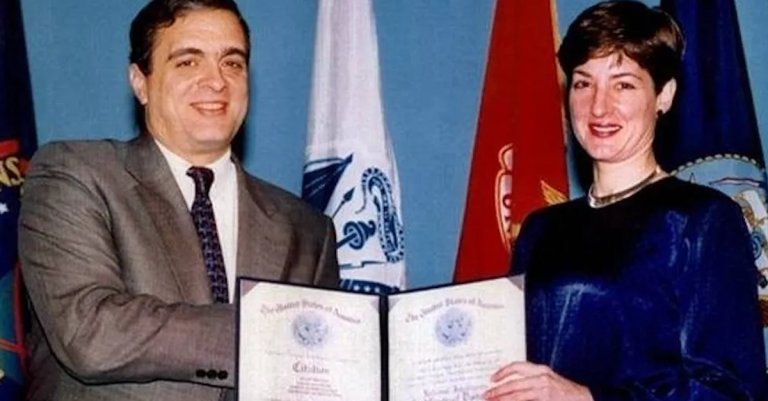
• Aldrich Ames, the Cold War’s deadliest CIA mole, completes life sentence
• That time the CIA shot down a bomber with an AK-47
• Why eMerge Americas needs to be on every veteran’s radar


Loading comments…
Comments couldn’t be loaded. Please refresh the page.