
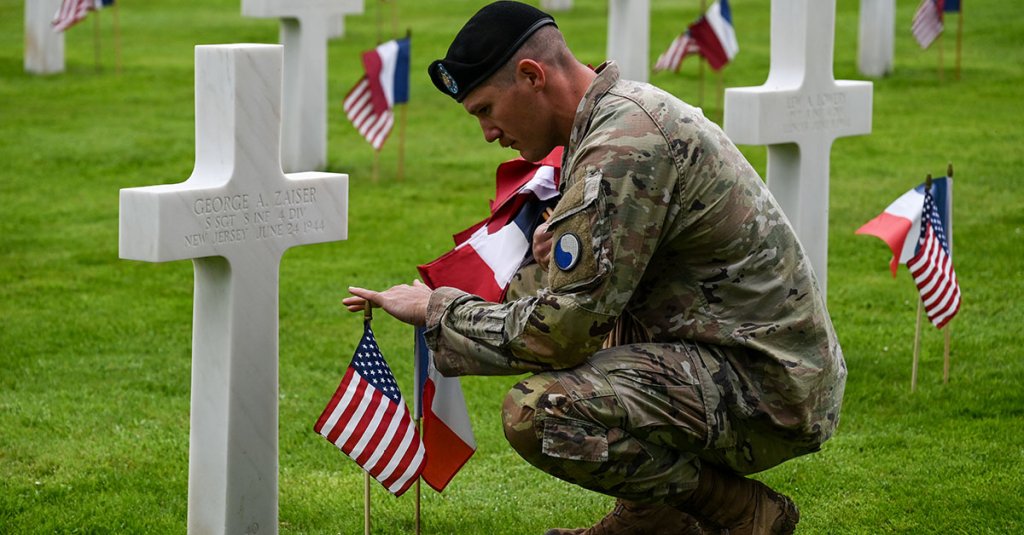
The National Guard tends to be the butt of a lot of jokes from fellow service members and civilians alike.
It’s not without merit, as a lot of times, the jokes write themselves. Especially if you’ve deployed overseas and seen how some National Guard units are put in the tower-guard-and-sandbag-filler pigeonhole.
Also Read: The National Guard’s ‘one weekend a month, two weeks a year’ slogan is outdated
But what the National Guard doesn’t do very often is defend itself by parading around its own history. Similarly, you can talk smack to a Marine, but they’ll be quick to remind you of their organization’s historical exploits. If you’re a Marine talking smack to a soldier in the Army, they might remind you who pulled off the largest amphibious assault in American history.
But the National Guard won’t do that. You talk smack to someone in the Guard, and they’ll likely agree with you. Recruiters may not even try to bring up major exploits in the Guard the way a Marine recruiter will talk about island-hopping or Fallujah. This problem needs to be addressed. We need to stop shying away from our place in history. Oh, and by the way, the Army National Guard fought in Fallujah, too.
World War II is probably the most talked-about war of the last century, next to Vietnam. The average person doesn’t even discuss the Great War, unless that person is a serious history nerd. When the European theater of WWII is brought up, inevitably, the invasion of Normandy is a part of that conversation. It should be; it was the first major step toward crushing the Third Reich and saving France (again).
But what you may not have known is that there was an Army National Guard unit present—the 29th Infantry Division.
Blue and Gray
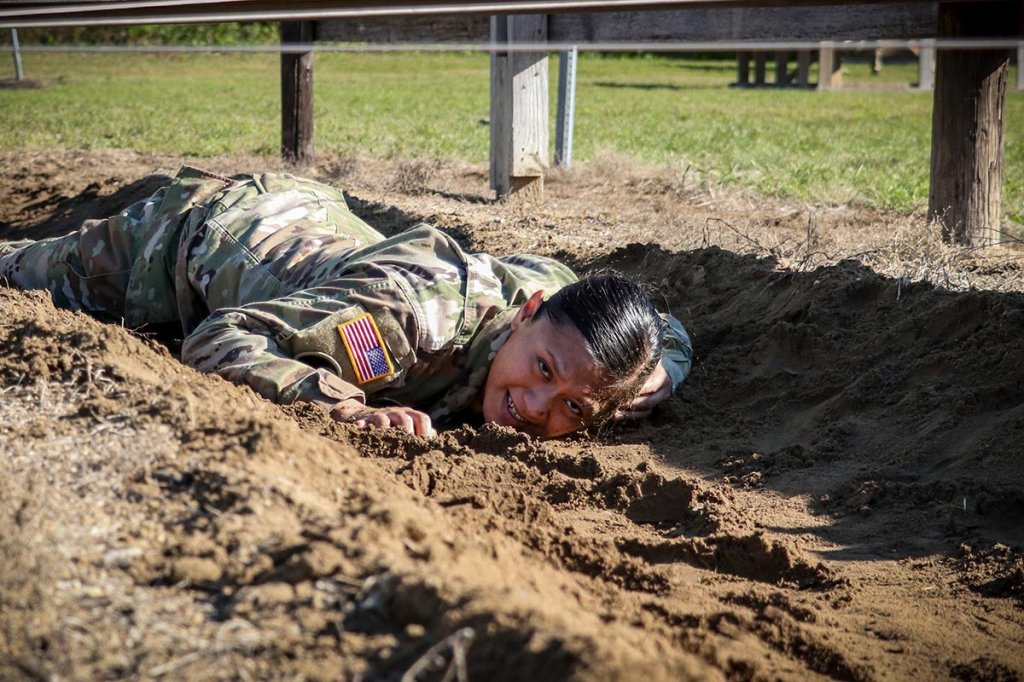
The 29th Infantry Division comes from the Virginia Army National Guard.
Headquartered in Fort Belvoir, Virginia, it consists of units from Virginia, Maryland, Kentucky, North Carolina, and West Virginia. The 29th formed in 1917 shortly after the United States entered World War I. At its formation, it consisted of soldiers from states that had fought for both the North and South during the American Civil War.
Its original composition is why the unit insignia is blue and gray. During its service in WWI, the 29th Infantry Division managed to advance nearly 4.5 miles, captured more than 2,000 prisoners, and took out over 250 machine guns or artillery pieces.
Operation Neptune
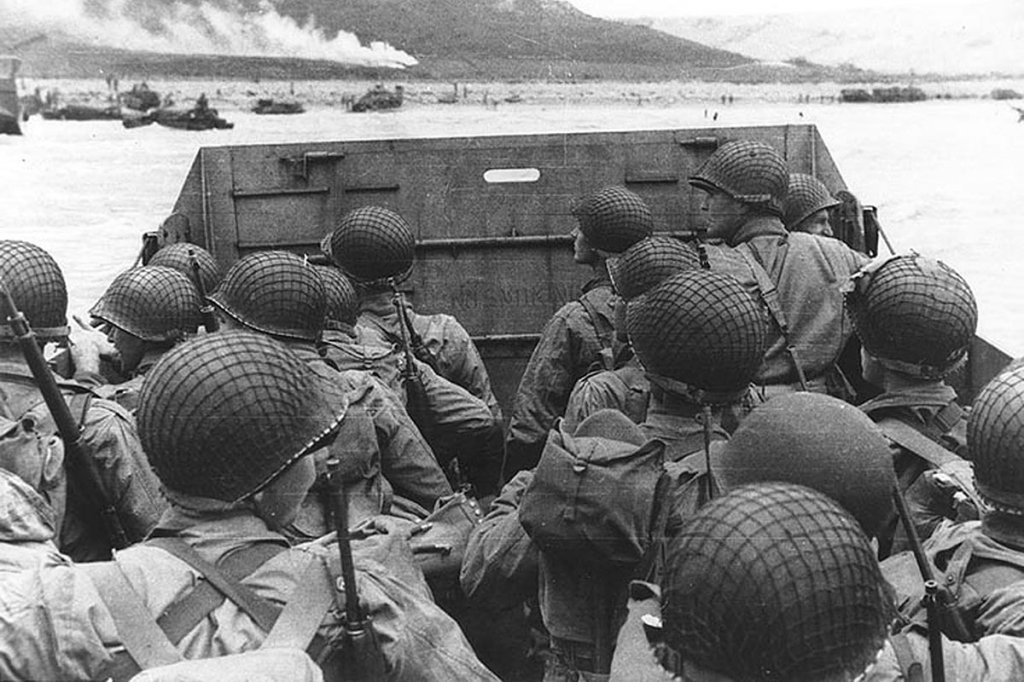
As a part of Operation Overlord, the 29th Infantry Division sent its 116th Infantry Regiment to support the 1st Infantry Division’s 16th Infantry Regiment. Its role was to support the western flank while the 16th Infantry took the eastern flank.
Through the chaos of the battle and the rough seas, most of the 116th Infantry missed their landing spots. Additionally, most of their tank support launched too far from shore and sank before they reached the beach. Despite that, they were the first to make their landings on Omaha Beach.
Once they landed, they met fierce resistance from German fortifications. The 116th’s Company A was wiped out as it landed alongside the 2nd Ranger Battalion, which was landing to the west of the 116th. Because of the intense resistance, additional landings were canceled two hours after they first hit the beach due to a lack of space. Luckily, there was enough of an advancement to permit additional landings, which eventually included reinforcements.
By the end of D-Day, the combined effort of the 29th and 1st Infantry Divisions resulted in 2,400 casualties out of the 6,500 total American losses. The 116th Infantry’s loss of Company A resulted in its hometown of Bedford, Virginia, being selected for the National D-Day Memorial.
Service from France to Germany
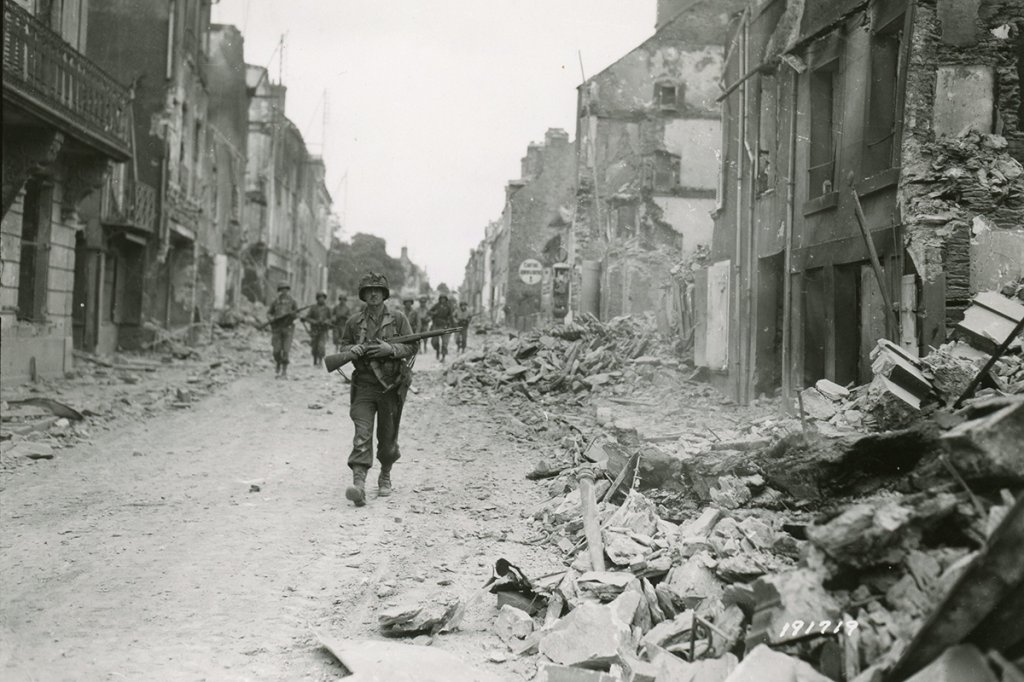
Following the Normandy invasion, the 29th Infantry Division continued fighting throughout France and Germany until the end of the war. Despite suffering heavy casualties on D-Day, the 29th Infantry Division fought through dense foliage to liberate the French town of Saint-Lo. They continued, joining the battle for Vire, and saw several reassignments as the war continued. After V-E Day, they went to occupy Bremen, where they served until they returned to the United States and demobilized in 1946.
During WWII, the 29th Infantry Division sustained 20,620 casualties, which include more than 3,000 killed, over 15,000 wounded, over 300 missing, and over 800 prisoners. For their valor during the conflict, 29th Infantry Division soldiers earned two Medals of Honor, 854 Silver Stars, and over 6,000 Bronze Stars, among other awards for valor.
Modern Day
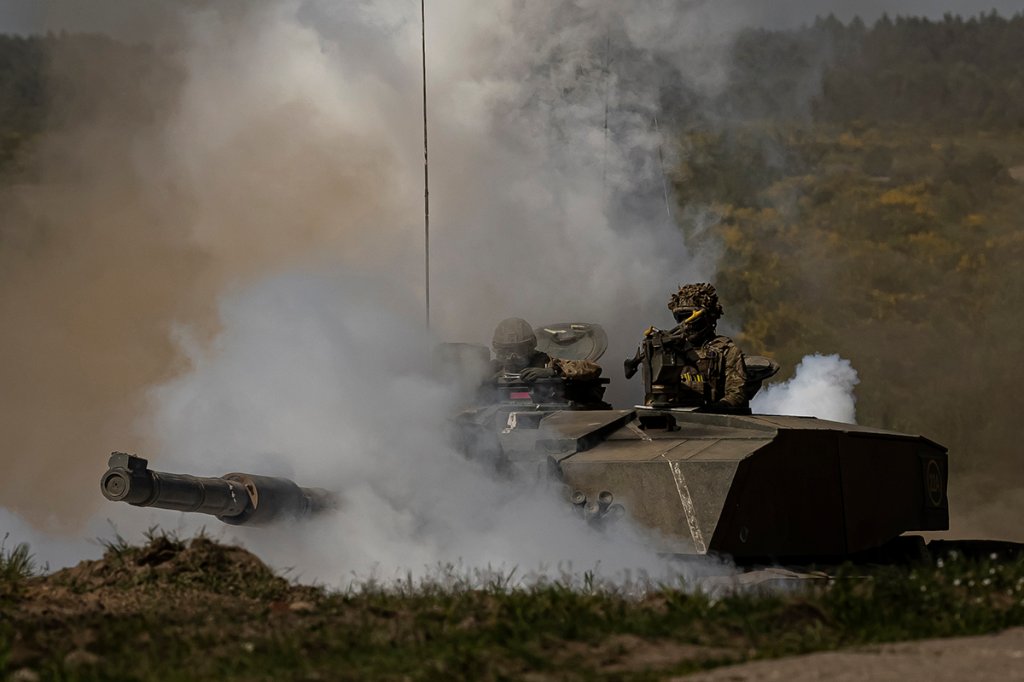
In March 2004, the 3rd Battalion of the 116th Infantry Regiment mobilized more than 500 soldiers. After a four-month train-up, those soldiers deployed to Bagram Air Base in Afghanistan, where they conducted security patrols and maintained a quick-reaction force. They’ve also served in Kosovo, Kuwait, and Iraq.
The 29th Infantry Division continues to serve our country and its communities. Whether it’s overseas or on the homefront, we can always expect them to show up and fight like their active-duty counterparts.
Everyone who knows about the European theater in WWII knows how tough Omaha Beach was. That’s why the media feature it so much while depicting the Normandy invasion. You might see them in “Saving Private Ryan” or “Call of Duty 3.” It just goes to show that, when push comes to shove, the National Guard will fight like anyone else.
Don’t Miss the Best of We Are The Mighty
• 7 crazy facts you didn’t know about D-Day
• The story of 4 brothers who served on the Juneau with the Sullivans
• Why the National Guard is a great option for Marines
Featured

Sponsored Content
Automated vs. self-directed investing: A guide for military families
Loading comments…
Comments couldn’t be loaded. Please refresh the page.