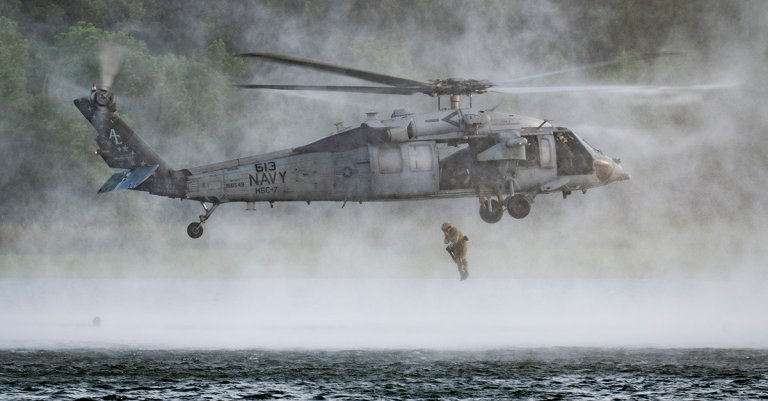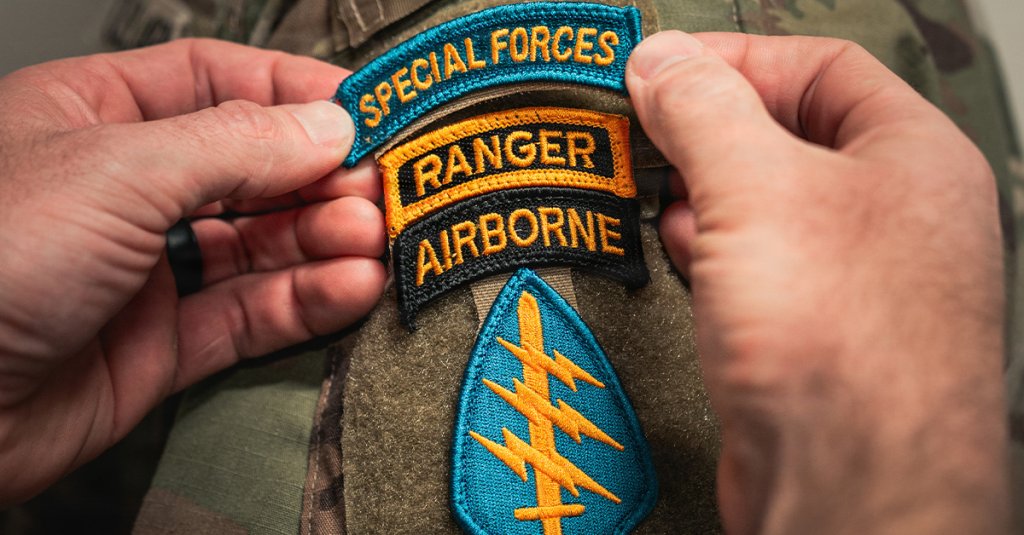
The phrase shows up everywhere, whether in headlines, video games, or posts written by people who couldn’t name a single unit behind it. U.S. Special Forces has become the cultural shortcut, a lazy stand-in for any shadowy American commando matching night-vision goggles with immaculate gear.
It is also fundamentally incorrect.
Related: How US troops quietly crushed Russian mercenaries in Syria
Inside the U.S. military, one space and one capital letter separate a single regiment from an entire ecosystem. “Special Forces,” capitalized, refers only to the U.S. Army’s Green Berets. “Special Operations Forces” (SOF) is the broader community of elite units across all branches. The two are related, but in no way interchangeable.
That distinction may sound nitpicky, the kind of argument only the insiders care about. But language has a long memory; when a term becomes shorthand for everything, it quietly becomes meaningless. In this case, one mislabeled phrase has muddied missions, blurred histories, and possibly erased the identity of units built for very different fights.
Soldier Diplomats: What is Special Forces (SF)?
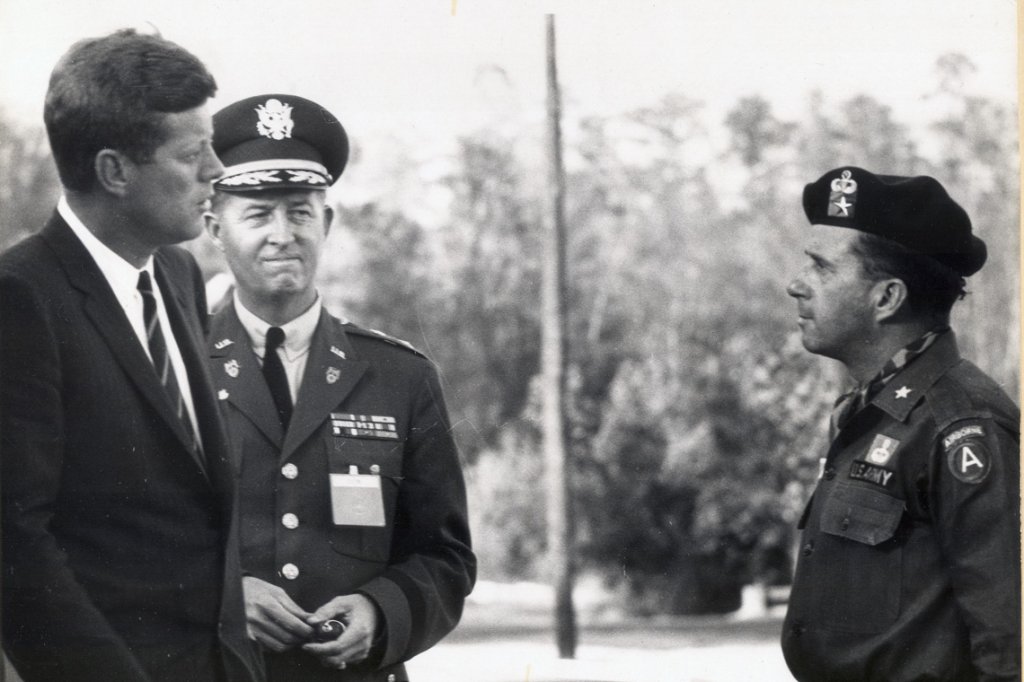
Special Forces earned their name in the early Cold War, when the Army created small teams designed for something no other conventional American unit was built to do: slip behind enemy lines, raise guerrilla forces, then keep them alive long enough to make a difference.
Their core mission, Unconventional Warfare (UW), demanded more than marksmanship and a great two-mile run time. It required grit, language fluency, cultural awareness, and intangibles that fostered patience; qualities that turn a local partner force into something capable of shaping its own war.
That background helped build a specific pipeline. Soldiers who completed the various qualification courses emerged as experts in working by, with, and through others. The green beret became the symbol of that quiet, outward-facing mission, a lineage so distinct that President John F. Kennedy himself championed it. Over time, the regiment expanded into additional missions, including foreign internal defense, counterterrorism, and direct action.
Still, its identity remained rooted in the idea that the most decisive weapon isn’t the one an operator carries, but the local force standing firmly beside him. This is what the Special Forces are: the quiet professionals. However, they are only one part of something much larger.
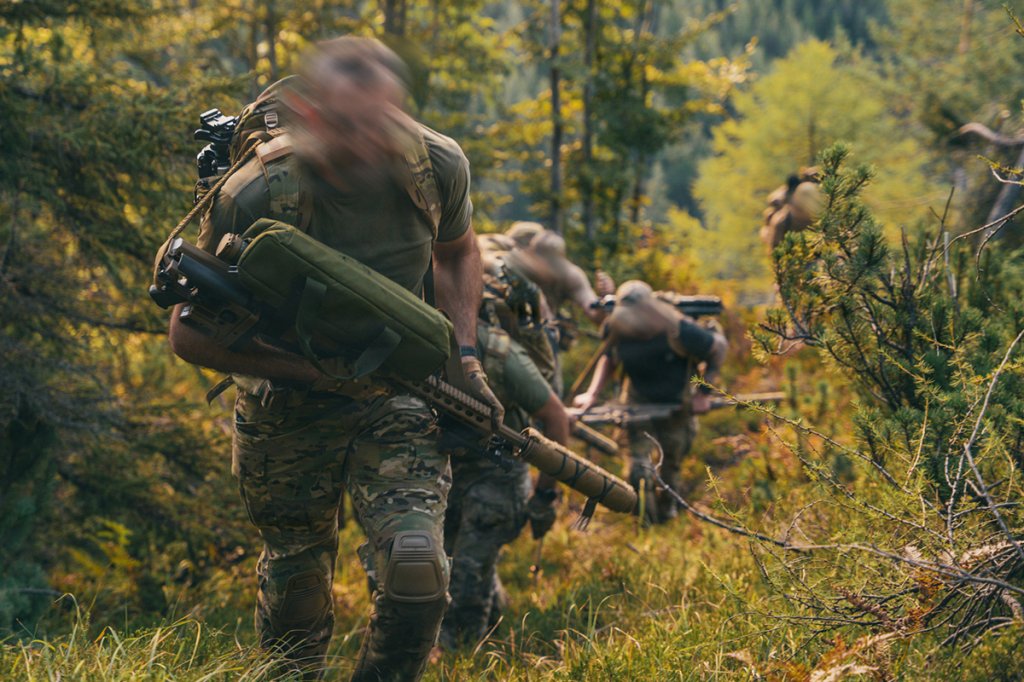
The Big Picture: What is SOF?
The world of Special Operations Forces (SOF) covers the Army, Navy, Air Force, and Marine Corps, all under U.S. Special Operations Command (USSOCOM).
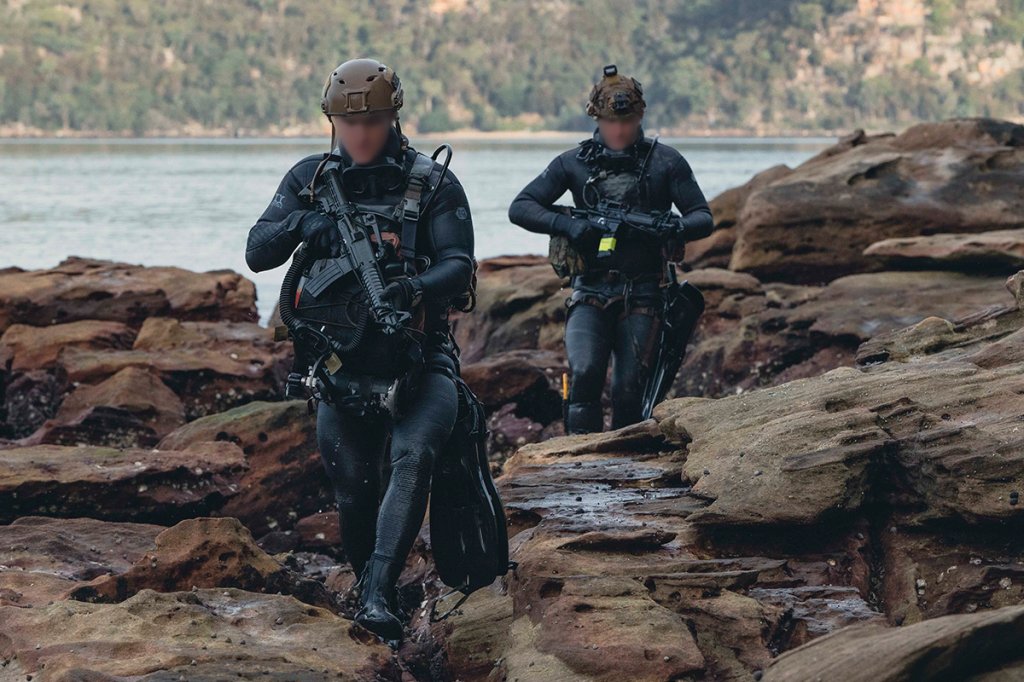
The units operating under this umbrella are highly specialized, including Army Rangers trained to seize airfields and execute lightning quick raids; Navy SEALs whose identity is built around maritime operations and surgical direct action; Marine Raiders (MARSOC) who mix reconnaissance and partner-force development alongside precision strikes; and Air Force Special Operations Command (AFSOC) units whose entire role revolves around controlling the skies, guiding strike aircraft, as well as keeping the other operators alive.
Their cultures differ. Their missions differ. Their selection processes differ. The only constant is that each exists because a conventional unit alone cannot do what they do.
The Distinction
From afar, especially in the last two decades of war, these units often looked like one machine. A Special Forces detachment might build a local force in one valley while Rangers launched a raid nearby. SEALs might take a maritime target as an Air Force gunship orbited overhead.
To the public, the footage all blended together: beards, night raids, helicopters fwap-fwapping into the dark. If the term “special operations forces” sounded too clunky, “Special Forces” felt like the easier headline. The result was a long, slow drift in language. Americans began using it the way other countries do, as a broad label for any elite unit.
It was never correct in the U.S. system, but it was simple, dramatic, and already familiar. Over time, it just became the default, even when it erased the very unit that owns the name.
To the people behind the missions, the correction isn’t about ego either. It’s about accuracy. A Green Beret is not a SEAL. A SEAL is not a Ranger. A Ranger is not a Raider. None of them is interchangeable, and none of them was built for the same purpose.
A Proper Noun
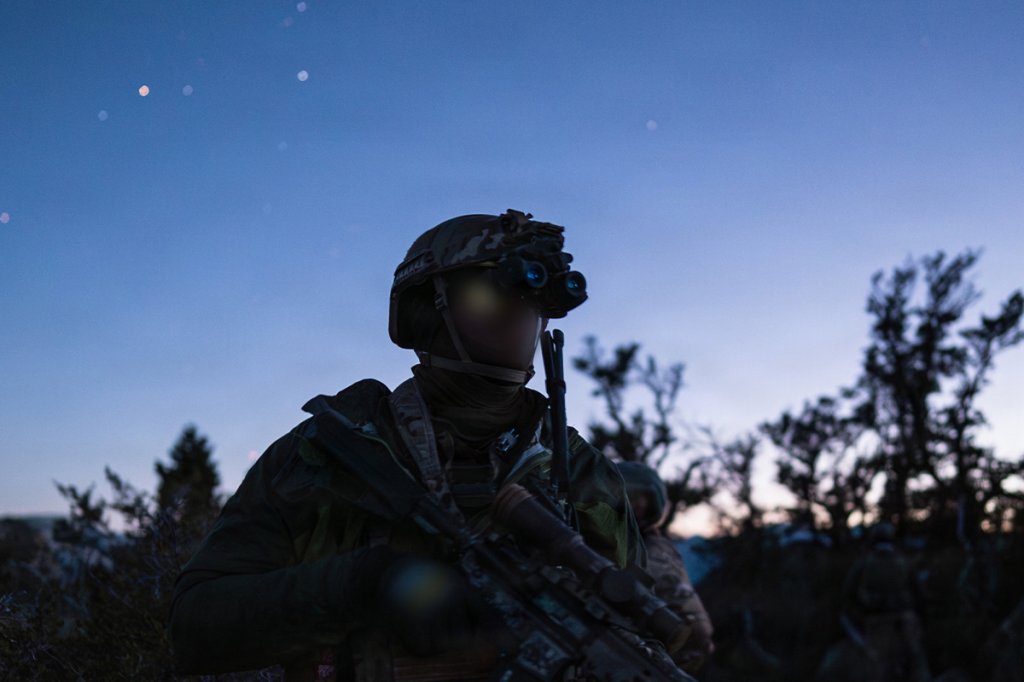
Collapsing all those identities into a slogan dilutes the subtle nuances that define their work: the waterborne culture of the Teams, the rapid-strike DNA of the Regiment, the advisory heart of a Special Forces detachment, the air-ground combination of special tactics. These distinctions exist because missions demand them.
It also matters because language shapes reality. When policymakers, reporters, or even civilians lump every operator into a single label, they unintentionally undermine decades of evolution in American special operations. They compress a combined arms community that handles everything from hostage rescue and counterterrorism to information warfare and great-power competition into a single catch phrase.
Thoughtfulness in wording will not make a raid smoother or a deployment shorter. It will not lessen the load on units that have carried a disproportionate share of America’s wars. But it pays a small debt of respect to the people inside these communities, acknowledging that they are not fictional characters or high-speed silhouettes in a recruitment ad.
Confusing them is easy. Getting them right is a matter of honoring those who do the work. In a country that has spent two decades watching cinematic shadows on a screen and calling them all by the same name, the truth is more straightforward and worth saying clearly: Special Forces is a proper noun. Special operations forces are the joint banner under which everyone else operates. The missions are different. The histories are different. The words should be, too.
Don’t Miss the Best of We Are The Mighty
• 5 Military tech breakthroughs of 2025 that are straight out of science fiction
• The M60 ‘Pig’ caught plenty of hate, but the love was real
• How the machete made its transition from weed whacker to war weapon