

The AIM-9 Sidewinder is the most widely used air-to-air missile fielded by Western and Western-aligned militaries, with over 110,000 produced. According to the current manufacturer, Raytheon, the Sidewinder has been credited with an estimated 270 kills.
On October 10, 2024, Raytheon announced that it was awarded a $736 million contract to produce AIM-9X missiles.
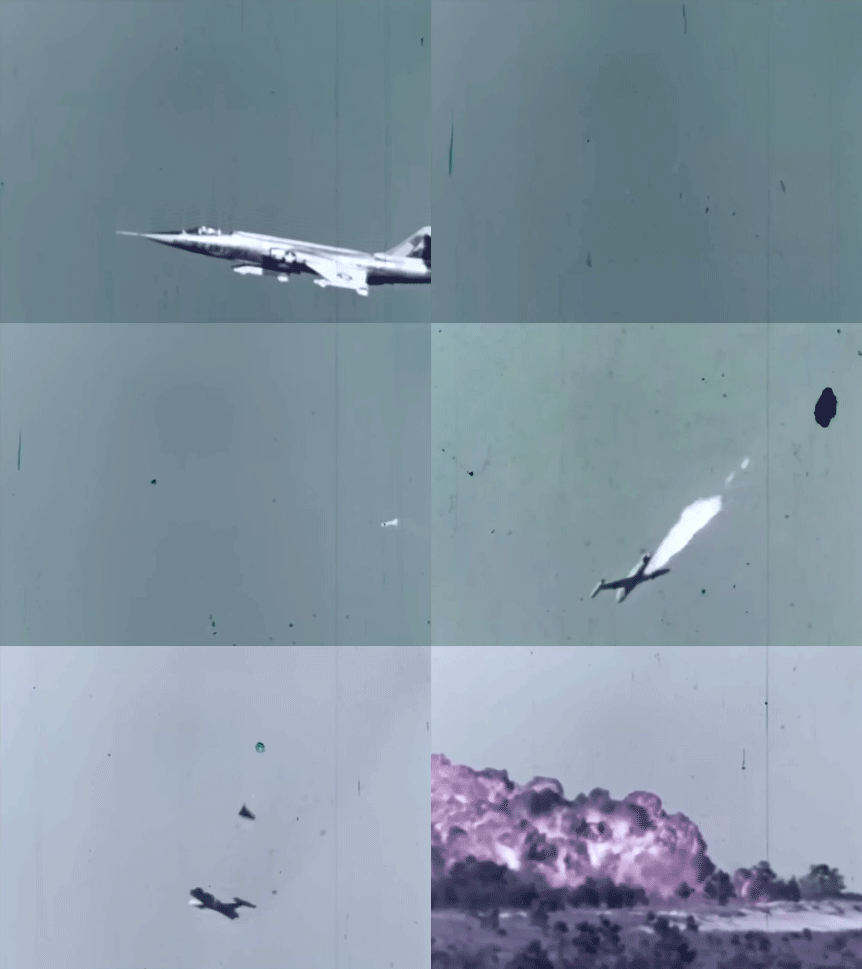
Developed at the U.S. Navy Weapons Center at China Lake, the Air Interception Missile 9 is an infrared-homing, short-range missile powered by a solid rocket motor. The snake for which the Sidewinder is named uses infrared sensory organs to hunt its prey. The first successful interception took place in 1953, and the AIM-9 entered operational service with the Navy three years later.
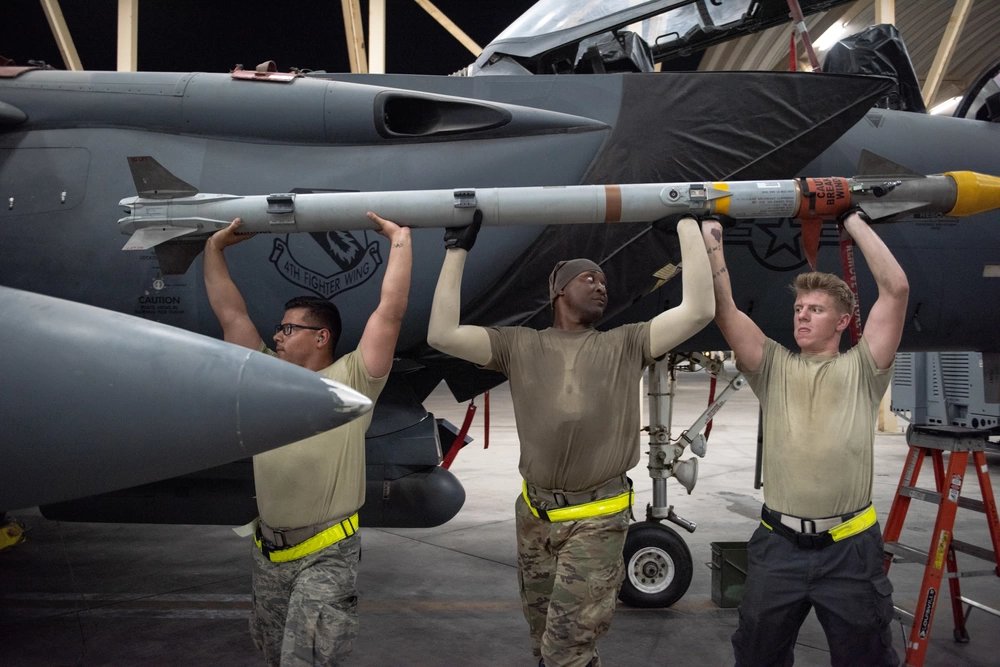
Over its decades of use in U.S. military operations, the Sidewinder has undergone upgrades to keep the missile relevant in modern warfare. The AIM-9E was developed by the Air Force and introduced a low-drag conical nose that allowed for an improved guidance system, increasing the missile’s Probability of Kill.
Jointly developed by the Navy and Air Force, the AIM-9M incorporates modifications that increase the Sidewinder’s ability to lock on to a target while also decreasing its own chances of being detected by enemy systems.
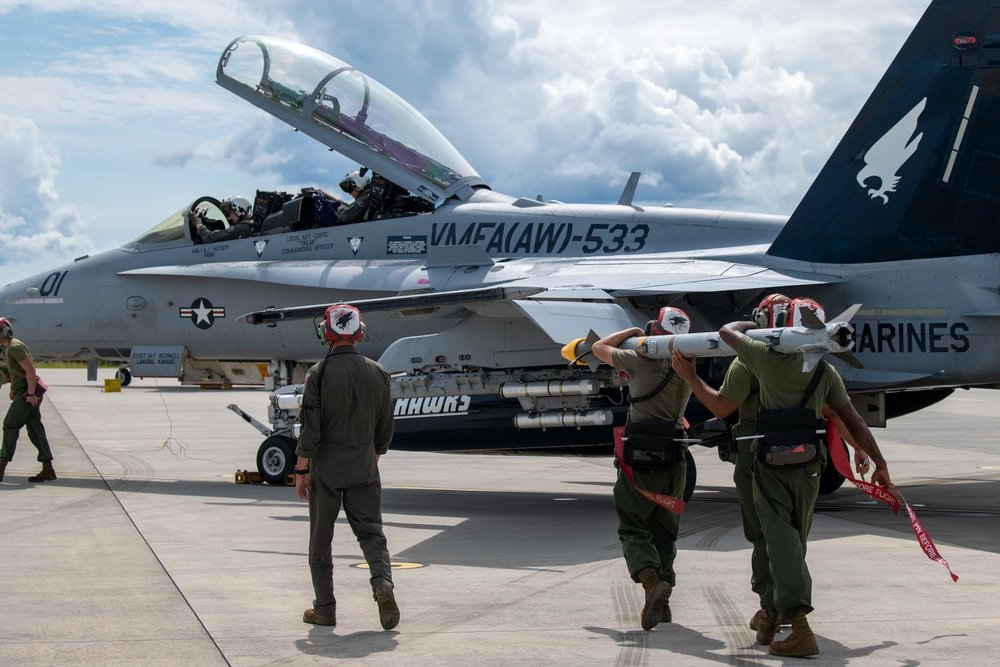
The latest Sidewinder, the AIM-9X, was developed by Hughes Electronics, which was awarded a contract for its development in 1996. Following the purchase of Hughes’ defense division, Raytheon assumed responsibility for development and production.
Using advanced sensors that integrate with the pilot’s helmet, the AIM-9X can reportedly lock on to a target at 90° angles. It also utilizes a thrust-vectoring control system to turn more tightly and maintain a position relative to more maneuverable targets.

Development of the AIM-9X Block II began in 2008. Notably, the Block II allows the missile to lock on after launch with the guidance of advanced aircraft, such as the F-22 Raptor and F-35 Lightning II.
In addition to the Air Force and Navy, the Block II is fielded by the Army with its truck-mounted Multi-Mission Launcher. The missile was found to be the best air defense weapon against cruise missiles and UAVs. As of 2019, the unit cost of the AIM-9 Block II is reported to be $381,069.74.
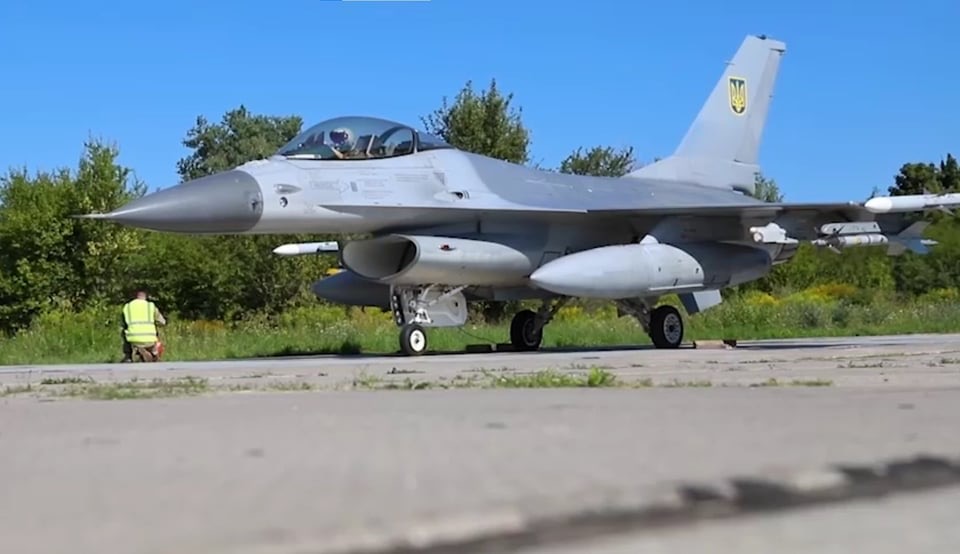
The Sidewinder is part of the arsenals of many NATO militaries, including those of Canada, Norway, and Sweden. American allies like the Philippines, South Korea, and Taiwan also field the Sidewinder. In 2023, Canada announced that it would supply 43 AIM-9s to Ukraine.
That same year, the U.S. announced that it would send Sidewinders from its own stockpiles to Ukraine as well. Through additional foreign military aid, Ukraine can field the AIM-9 with the National Advanced Surface-to-Air Missile System and the F-16 Fighting Falcon. The purchase of additional Sidewinders by the U.S. could be an effort to replace the missiles sent to Ukraine and further build up stockpiles.
Don’t Miss the Best of Mighty Weapons
We Are The Mighty is a celebration of military service, with a mission to entertain, inform, and inspire those who serve and those who support them. We are made by and for current service members, veterans, spouses, family members, and civilians who want to be part of this community. Keep up with the best in military culture and entertainment: subscribe to the We Are The Mighty newsletter.