
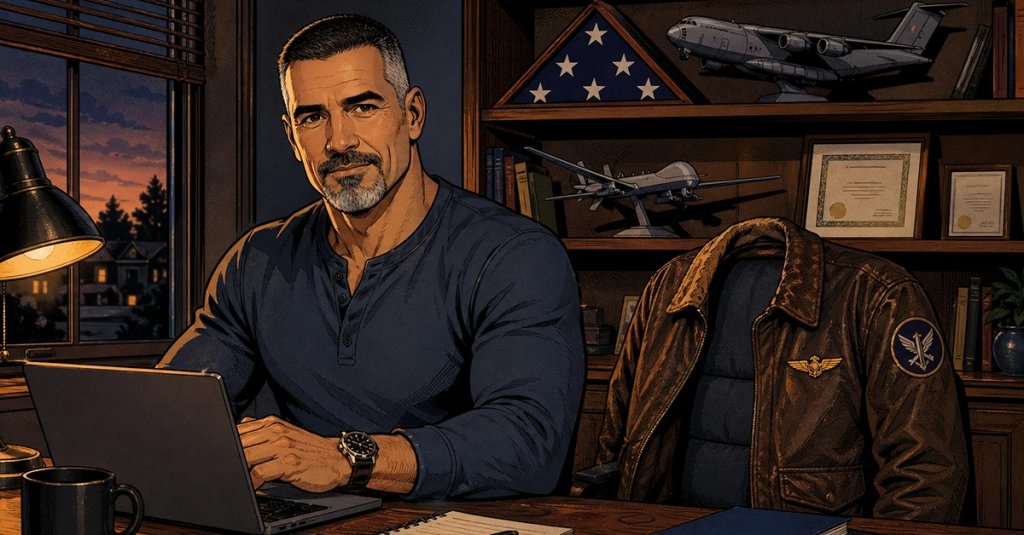
The retirement ceremony is the easy part. The flag is folded, the speeches are kind, the family takes pictures, and the Air Force band plays a song that gets every fist in the room in the air for one last “GIVE ‘EM THE GUN!” Then you go home. And on Monday morning, for the first time in your adult life, nobody is waiting for you at 0600.
Also Read: How comedy healed this veteran’s soul
That’s when the real transition begins; when most of us discover that the leadership we were so good at—the version that worked in a briefing room, on a ramp, in a command post—doesn’t always travel.
I retired from the Air Force in 2025 after 25 years. I now run a service-disabled veteran-owned business (SDVOSB), do research at George Mason University, and spend more time on the Hill than I ever expected. Three years out of the cockpit, here is what I have learned about which lessons survive the trip across the fence and which ones get you in trouble fast.
Lesson 1: The Chain of Command Is a Polite Fiction
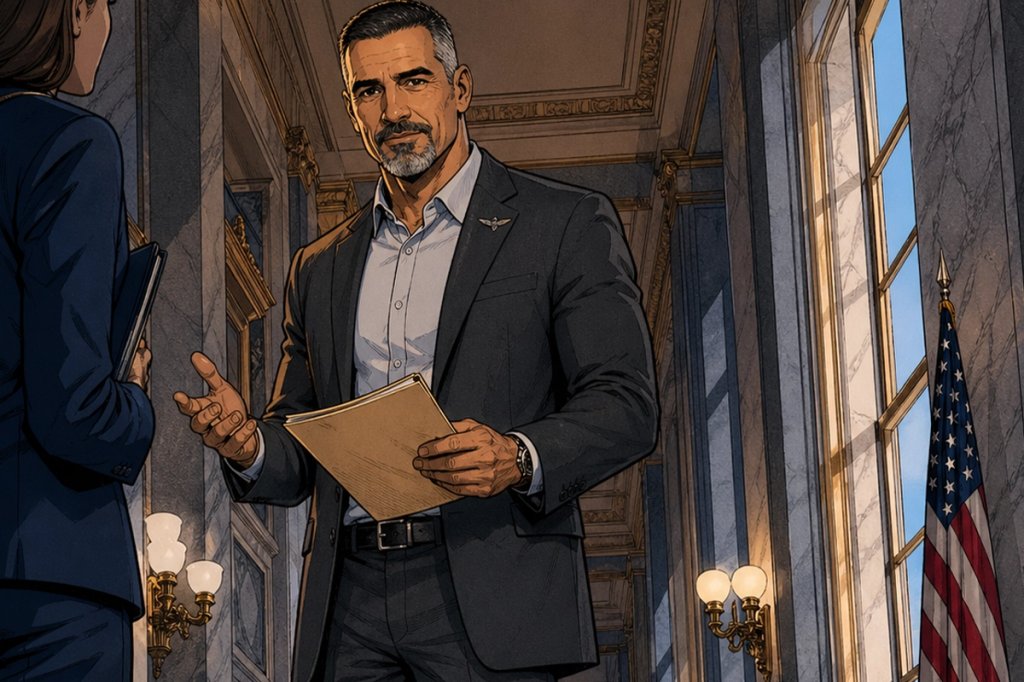
In the cockpit, the chain of command is the org chart. You give an order, the order gets executed, the after-action report tells you why it was or wasn’t perfect. There is a uniform on every shoulder and a callsign on every door. Authority is visible from across the room.
In Congress, in business, and in academia the org chart is a fiction. The person who makes the decision is rarely the person whose name is on the door. The person whose name is on the door is rarely the person who can stop you. And the person who can stop you almost never has a title that warns you they can.
The military taught me to brief the senior officer in the room. Civilian life taught me to find the legislative aide who actually drafts the bill, the procurement specialist who reads the contract, the staff director who sets the agenda. Title is decoration. Influence is plumbing. Track the plumbing.
Lesson 2: Speed Is Not a Substitute for Trust
The Air Force trained me to make a decision with 70% of the information and execute. In a fast jet, hesitation kills. In an operations center, a slow decision is a wrong decision.
Civilian leadership runs on a different clock. Speed without trust is reckless. Speed without relationship is an ambush. The first time I tried to “execute” a partnership conversation in DC the way I would have closed a tasking in a TOC, I watched a relationship freeze in real time. The civilian leader across the table wasn’t asking for a slower decision. He was asking for a slower trust-building process before the decision was even on the table.
Judith Humphrey’s “Speaking As a Leader” makes this point—and any veteran starting a second career should tape it to their monitor: Leadership communication in civilian life is a courtship, not a tasking. You earn the right to be efficient. You don’t issue it.
‘The people who can actually move things rarely have the titles that warn you they can.“
Lesson 3: The Mission Brief Is Real, the Mission Is Different
This one took me longer than others to absorb. In the military, mission focus is a gift. You walk into the room with a clear objective, clear constraints, and clear measures of success. You leave with a plan. The plan is usually executed.
In civilian leadership (and especially in legislative work) the brief is real, but the mission keeps moving. A bill changes between markup and floor. A funding line gets added in conference. A program gets reorganized between two appropriations cycles. The veterans I see succeed in DC are the ones who internalize that the mission is directional, not destinational. You don’t aim for a target. You aim for a heading and trim continuously.
Some of this is structural. Some of it is the simple fact that civilian leadership has more stakeholders, more veto points, and longer time horizons than any operational mission I ever flew. The leadership skill that scales isn’t decisiveness. It’s patience under ambiguity, paired with the discipline to keep moving anyway.
Lesson Four: The Best Veterans I Know Lead Quietly
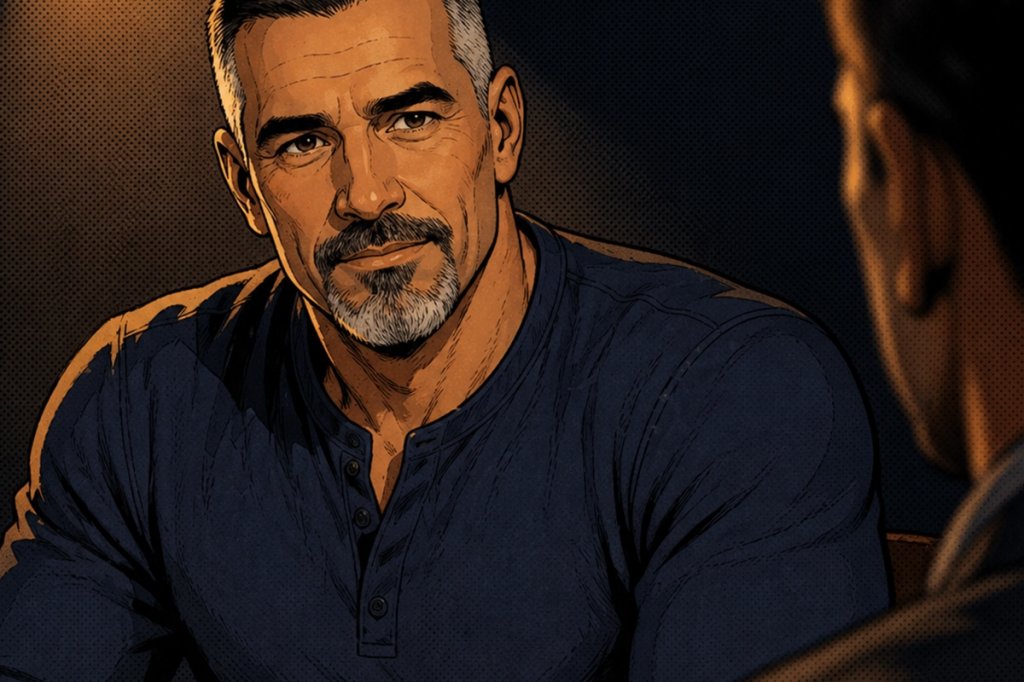
The cliché image of the veteran-in-civilian-life is the loud one: the war story, the chest-pinned ego, the alpha at the boardroom table. The reality, in my experience, is the opposite. The best veteran leaders I have met since I retired are the quiet ones. They listen first, name the problem precisely, and then go to work. They don’t lead with rank. They don’t lead with a story. They lead with clarity and follow-through.
Earlier this year, Rep. Jack Bergman, a retired Marine lieutenant general, said something on the floor of the House that has stayed with me. Talking about a bipartisan bill to reform military and veteran mental health programs, he said:
“I have seen firsthand how the transition from active duty to civilian life can be one of the most vulnerable periods in a servicemember’s career.”
That sentence didn’t make the cable highlight reel. It didn’t have to. It came from a man who walked it. The veterans serving in the 119th Congress—Bergman, Jared Golden, Don Bacon, Tom Suozzi, and others—are doing the quiet work. They are also reminding the rest of us that the transition itself is the leadership challenge, long after the uniform comes off.
What Does Translate
Three things travel cleanly from the cockpit to the civilian world, and they’re worth naming:
1. The pre-flight habit: Walk around the airplane. Read the checklist. Verify the obvious. Civilian life punishes complacency the same way aviation does, just on a longer timeline.
2. The debrief: The military gave us the gift of the after-action review. Most civilian organizations don’t have one. Bring it with you. The first time you run a real AAR in a startup or a small office, the room will go quiet. Then it will get better.
3. Take care of the people first: Mission focus without people focus is just exhaustion. Every commander I respected led from this premise. Every civilian leader worth working for does the same.
What This Means for Veterans
- If you’re transitioning: The leadership you trained for is real. Some of it scales beautifully. Some of it has to be retrained. Be patient with yourself for the first eighteen months; it’s the most vulnerable stretch you’ll have.
- If you employ veterans: The quiet ones are the ones to invest in. The loud ones are usually overcompensating for not knowing where to put their authority anymore.
- If you’re a civilian who works alongside us: Ask about the debrief. Ask about the pre-flight. Don’t ask about the war stories. The lessons are in the system, not the trophies.
Don’t Miss the Best of We Are The Mighty
• The Inheritance of Excellence: A Vietnam veteran’s march through history
• A Marine Corps veteran’s grind to rebuild a fire-ravaged neighborhood
• ‘Invisible Battles:’ An infantry veteran’s essay on surviving and thriving with a TBI




Loading comments…
Comments couldn’t be loaded. Please refresh the page.