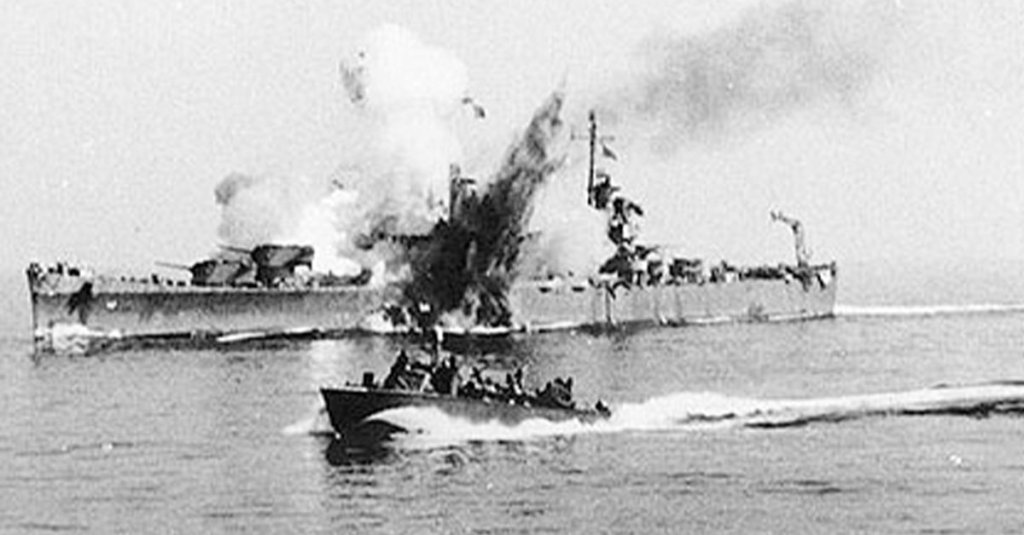
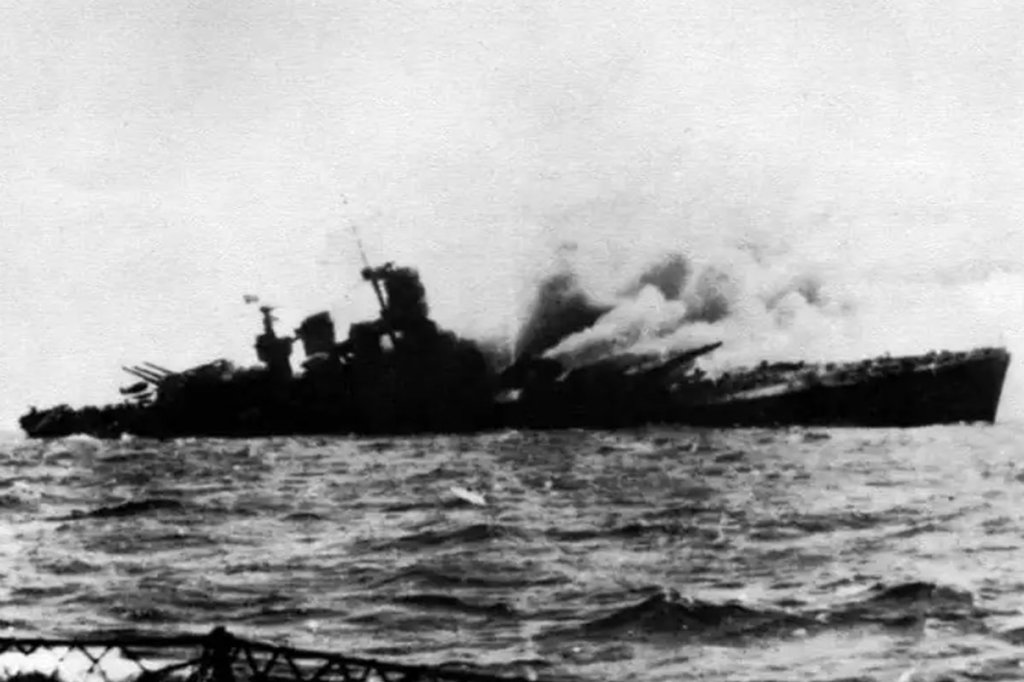
On Sept. 9, 1943, a massive bomb struck the battleship Roma, the largest ship in the Italian fleet. It was a devastating hit to its starboard side, punching through the hull and exploding near the keel. The explosion took out the boiler room, aft engine room, destroyed two engines and propeller shafts, and caused multiple electrical fires.
A few minutes later, another strike hit Roma, taking out the forward engine room and causing a massive explosion of the forward magazine. The force of the blast caused the separation of gun turret number 2, which was blown into the air and over the side, taking its three 15-inch guns with it. Within 30 minutes of the first strike, the Roma capsized, broke in two, and went to the bottom, taking approximately 1,400 crew down with her.
Related: The Nazis had insane superweapon ideas that were way ahead of their time
The destruction of Italy’s largest battleship wasn’t the result of a few lucky bombs. It was struck by the Fritz X, a penetrating, radio-controlled glide bomb—and it was dropped by German aircraft, one day after Italy left the Axis Pact.
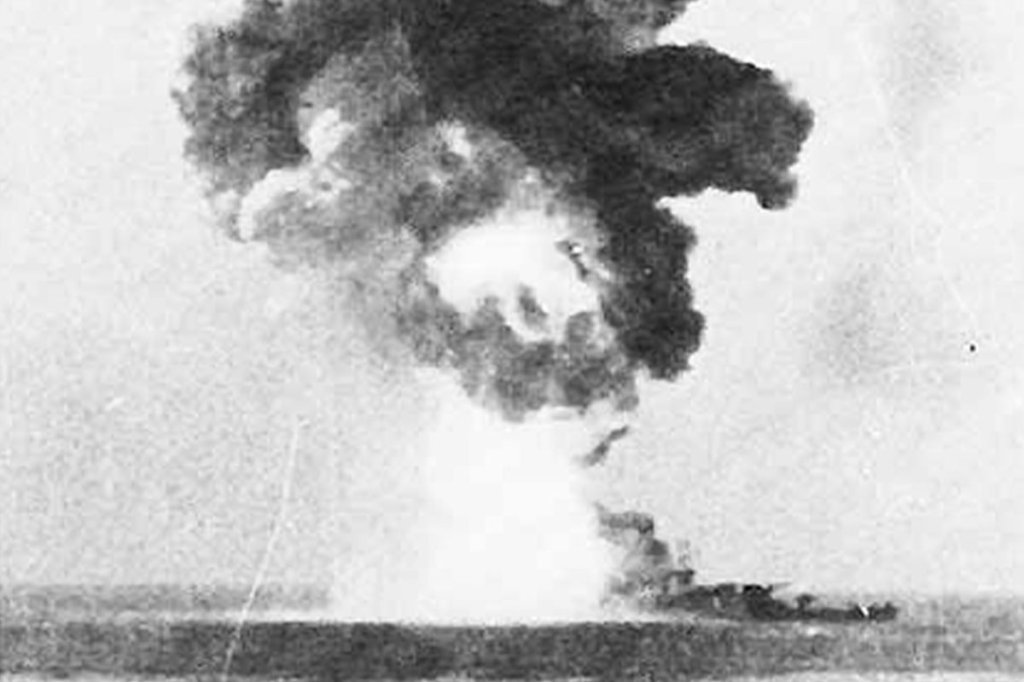
The Fritz X was a guided anti-ship bomb and one of the first precision-guided weapons used in combat. Development of the weapon began around 1939 by Ruhrstahl AG, a steel and arms maker, under the design of Max Kramer. It was a guided version of the PC 1400 Panzersprengbombe Cylindrisch (cylindrical armor-piercing explosive bomb), and was designed for use against heavily armored targets, including battleships, heavy cruisers, and reinforced concrete fortifications.
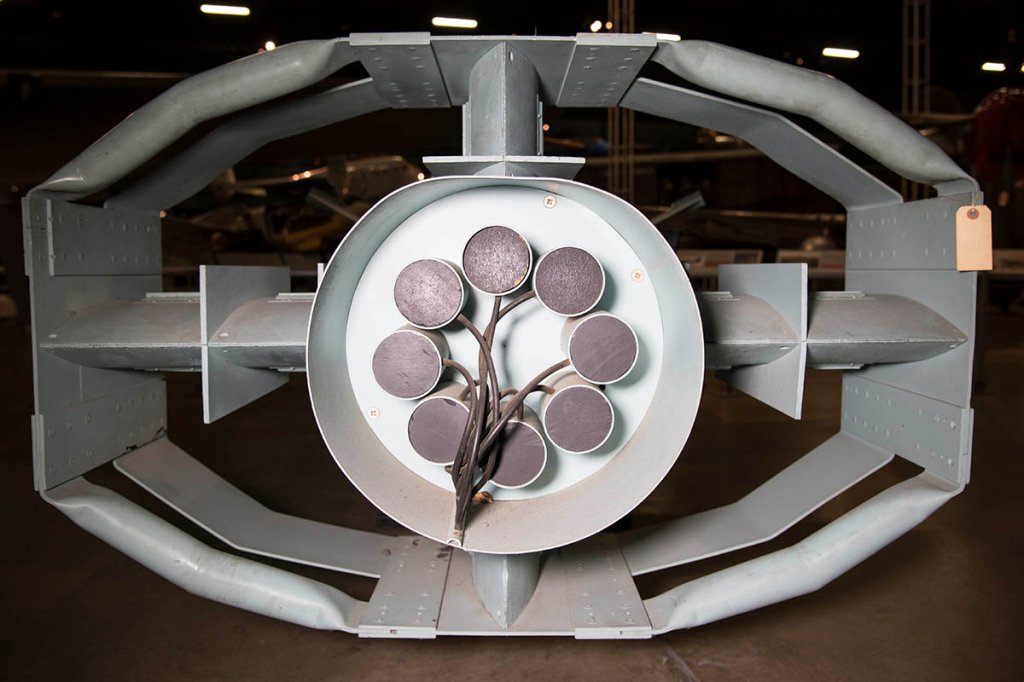
Kramer modified the nose to be more aerodynamic and added four stub wings. The most significant change was the addition of a cruciform tail that also housed the guidance unit, a Kehl-Strassburg radio control system which sent commands to the control surfaces.
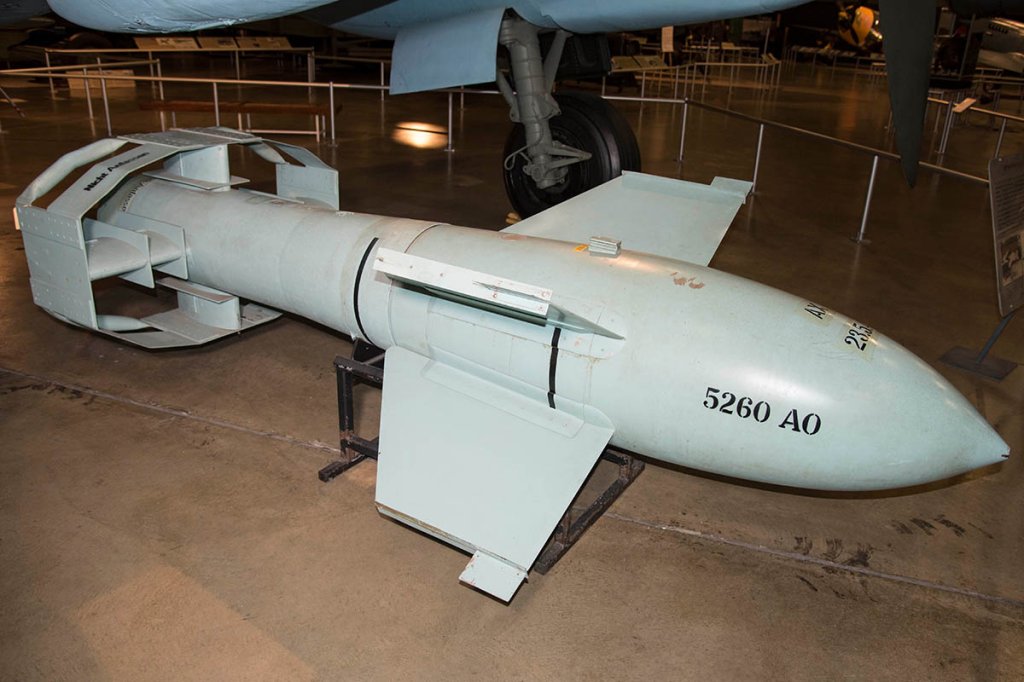
His new design enabled it to reach a top speed of 767 miles per hour, and with its one-piece forged steel body, time delay fuse, 700-pound warhead, and thick hardened steel case, the Fritz X could penetrate 28 inches of armor, causing massive devastation.
Launching the Fritz X began with a mother ship flying at an altitude of 20,000 feet, which provided the kinetic energy to penetrate the armor of the day. It required a minimum distance of three miles for release. Once the bomb was released, the mother ship would climb another 1,000 feet and reduce its speed so the bombardier could more easily guide the bomb to its target using the Lotfe 7 bomb sight.
Once dropped, the bomber had to maintain level flight and a slow speed, making it vulnerable to fighter attacks until the bomb’s impact. As the Fritz X dropped, the bombardier used the flares attached to its tail during daytime launch or electric lamps at night, to keep the bomb in sight while guiding the weapon to the target using a joystick.
Its combat debut in July 1943 was a dud. Several bombs were dropped on ports in Sicily with zero hits. At the time, Allied forces did not know the bomb was radio-controlled. However, intelligence units discovered this soon after and began building jammers. When the Luftwaffe discovered the jammers, they initiated an electronic countermeasure jammer program, and naturally, the Allies responded with an anti-jammer program.
The most tremendous success of the Fritz X came on Sept. 9, 1943. But about two months earlier, the overthrow of Benito Mussolini set in motion Italy’s secret surrender negotiations with the Allies. The Germans knew their Italian partners weren’t to be trusted. They were ready to act when the time came, with plans for Operation Achse (Axis) to occupy the entire country using German troops already in place.
On Sept. 8, the Supreme Allied Command in Europe announced Italy’s surrender. Italian politicians and military commanders fled, leaving the Germans in charge. Before the surrender announcement, the Italian Navy left port, supposedly to defend against the Allied landings in Salerno. The actual mission was to surrender its vessels to the Allies at ports in Malta and Tunisia.
As the Italians set sail, the Luftwaffe was ordered to attack and keep Italian ships out of the hands of the Allies. To prevent the surrender, the Germans deployed six Dornier Do 217K-2 bombers equipped with the Fritz X with the III Gruppe of Kampfgeschwader 100 Wikinger (Vikings). The first target was the battleship Italia. The Fritz X missed but was close enough to jam the ship’s rudder. Italian anti-aircraft responded but were unsuccessful because the bombers were too high, and the Italians were not yet aware of the Fritz X.
The day after Italy’s capitulation, the Germans hit the battleship Roma with two Fritz X bombs, sending it to the bottom of the Mediterranean Sea. The destruction didn’t stop there.
German planes continued to drop the Fritz X throughout 1943. On Sept. 11, during the Allied invasion of Salerno, the Luftwaffe targeted the USS Philadelphia, a light cruiser covering the 45th Infantry Division’s landing. The bombs missed Philadelphia but struck the HMS Warspite, USS Savannah, and USS Uganda, severely damaging all three.
During the Italian surrender period, some 49 ships were destroyed by air attack, scuttled, or seized by the Germans. With the continued use of electronic countermeasures to jam the Fritz X guidance system, the engineering team began experimenting with a wire-guided system, using a spool of wire that pays out during the launch as a countermeasure.
The Fritz X spurred the development of electronic countermeasures, as well as counter-countermeasures that still exist today. Other technologies tracing their roots back to the Fritz X (and Max Kramers’ follow-up missile, the Ruhrstal X-4) include a host of precision-guided munitions, TOW missiles, MCLOS guidance lessons, and the modern Air Launched Cruise Missile (ALCM).
Next: The German MG42 was an unyielding weapon of death in World War II