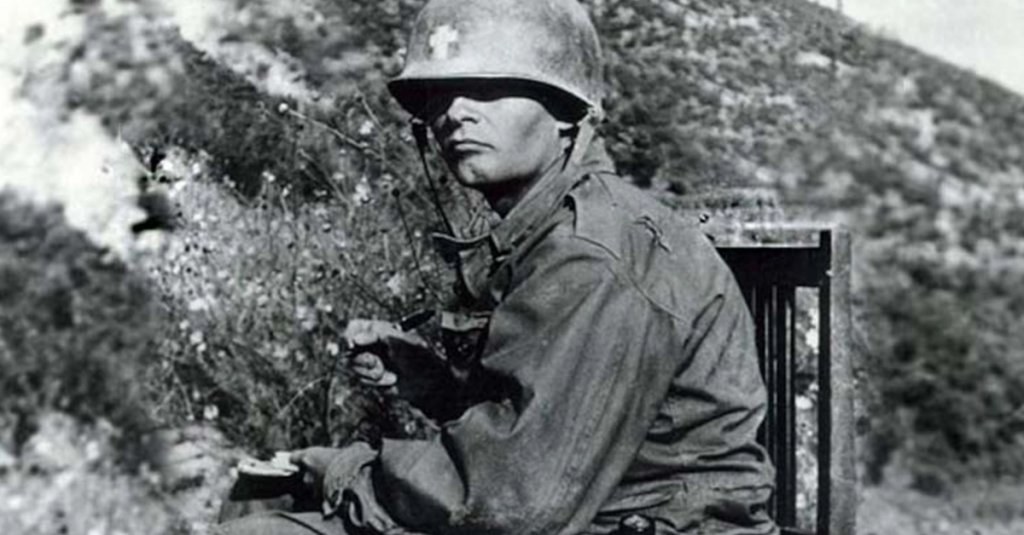
During World War II, some 9,000 chaplains served in the U.S. military, representing a wide spectrum of faiths, including Protestant, Catholic, and Jewish traditions. These men did not carry weapons, yet they repeatedly placed themselves in harm’s way to comfort the wounded, counsel soldiers, and uphold morale in the most dangerous theaters of the war. They marched with infantry units across Europe, stormed beaches under fire in Normandy and the Pacific, parachuted behind enemy lines, and ministered in muddy foxholes under relentless artillery bombardment.
The mission of these chaplains was clear: to serve their fellow soldiers, even at the cost of their own lives. Their bravery and compassion left an enduring legacy, shaping the role of military chaplains for generations to come.
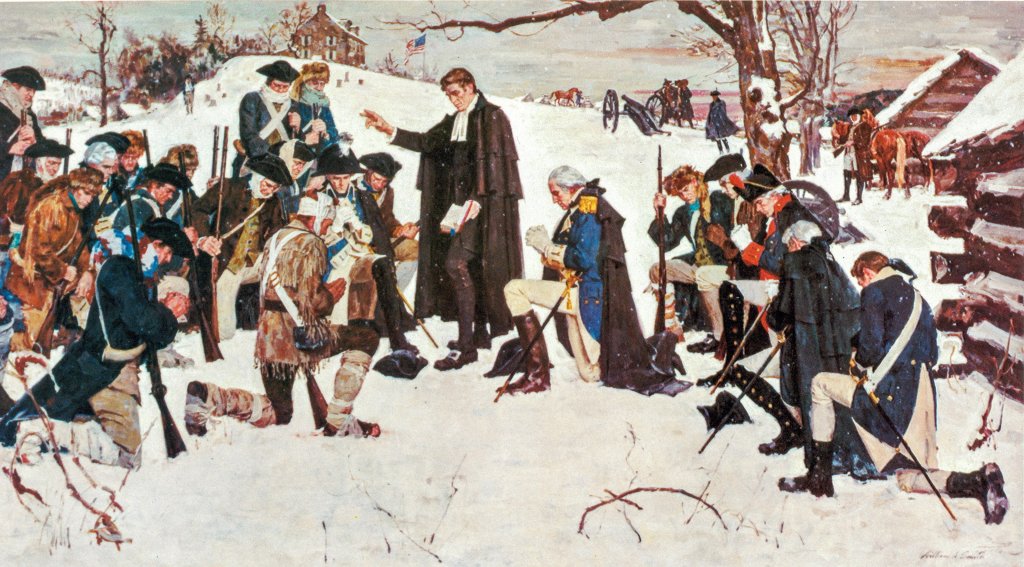
The U.S. Army first commissioned official chaplains during the Revolutionary War, and their role has evolved through every major conflict. By World War II, chaplains were fully integrated into all branches of the military, including the Army, Navy, and Marine Corps. Their duties extended far beyond traditional religious services—they provided ethical guidance, performed last rites, counseled soldiers facing extreme stress, and inspired courage and resilience in the face of fear and death.
Chaplains were assigned to combat units, hospitals, prisoner-of-war camps, and even front-line positions. Despite the prohibition against carrying weapons, they frequently exposed themselves to enemy fire to reach the wounded, distribute supplies, and provide comfort. Their service reflected a unique combination of spiritual guidance, humanitarian care, and moral leadership.
“The Four Chaplains”
The story of the Four Chaplains is one of the most enduring tales of heroism and selflessness in U.S. military history. In February 1943, the troop transport USAT Dorchester was carrying over 900 soldiers across the icy North Atlantic en route to Europe. Among the passengers were four chaplains from different faiths: George L. Fox, a Methodist minister; Alexander Goode, a Jewish rabbi; John P. Washington, a Catholic priest; and Clark V. Poling, a Reformed Church minister.
On the night of February 3, 1943, the ship was struck by a torpedo from a German U-boat. The explosion ripped through the Dorchester, causing panic, flooding, and fire. Amid the chaos, the four chaplains immediately took action. They moved through smoke-filled corridors and onto the decks, calming frightened soldiers, guiding them to lifeboats, and distributing life jackets. When the supply of life jackets ran out, the chaplains gave up their own, choosing to remain on board to comfort those unable to escape.
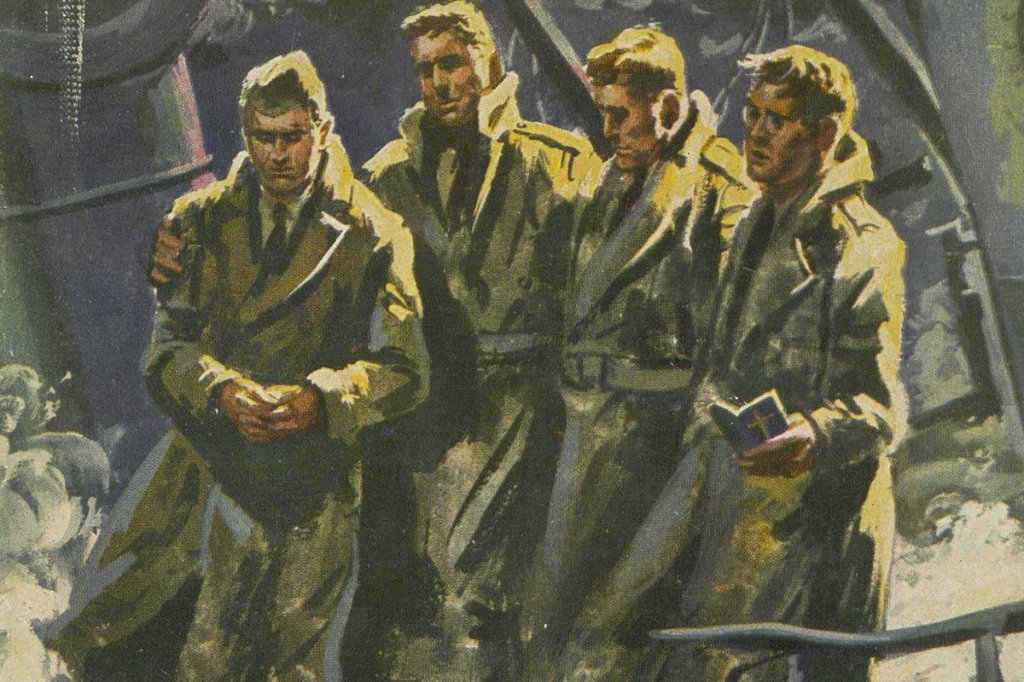
Eyewitness accounts describe a profound and moving scene: the four chaplains, arm in arm, praying together as the ship went down, embodying courage, faith, and interfaith unity. Their actions were entirely selfless; none of them survived, but they saved countless lives that night.
The story of the Four Chaplains became an icon of moral heroism and interfaith solidarity, transcending religious differences in a time of war. Their sacrifice led to the creation of the Four Chaplains Medal, one of the few military honors awarded specifically for non-combat heroism. They have also been commemorated with memorials, schools, and annual ceremonies, ensuring that their example of courage and selflessness continues to inspire generations.
The Four Chaplains’ heroism illustrates a profound truth: spiritual courage and compassion can stand equal to physical bravery on the battlefield. Their story remains a powerful reminder that even in the deadliest circumstances, faith, unity, and selflessness can save lives and uplift the human spirit.
Medal of Honor
Father Joseph T. O’Callahan, a Jesuit priest, served as a U.S. Navy chaplain aboard the USS Franklin, one of the most heavily armed aircraft carriers in the Pacific Theater, in 1945. On March 19, the Franklin was operating near the Japanese mainland when it came under a sudden and devastating air attack by enemy aircraft. Japanese bombs and rockets struck the carrier directly, igniting massive fires, causing explosions in the ammunition storage, and tearing holes in the flight deck. The ship was severely damaged and at risk of sinking, while hundreds of crew members were wounded or trapped.
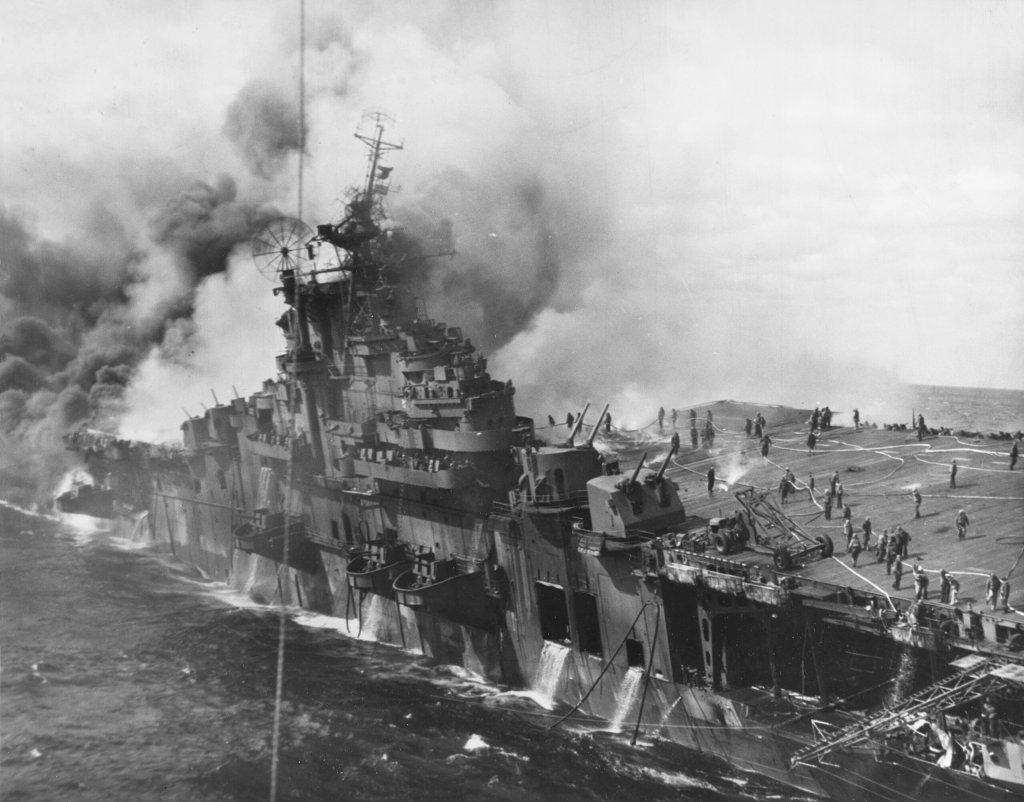
Amid the chaos, Father O’Callahan displayed extraordinary courage and leadership. He repeatedly exposed himself to mortal danger, rushing across the burning flight deck to direct firefighting crews, evacuate wounded sailors, and move live ordnance to prevent further explosions. He administered last rites to the dying, prayed with the terrified, and provided reassurance and moral support to sailors whose fear threatened to overwhelm them. Witnesses recounted that he would move calmly and deliberately from casualty to casualty, refusing to abandon his post despite the imminent threat of death.
For his selfless actions, Father O’Callahan received the Medal of Honor, the first Navy chaplain in history to receive the United States’ highest military decoration. The Medal of Honor citation recognized his “extraordinary heroism and fearless leadership” under conditions that placed him in “constant danger of death.” His valor not only saved lives but helped stabilize the crew, allowing them to control fires, save the ship, and continue operations despite catastrophic damage.
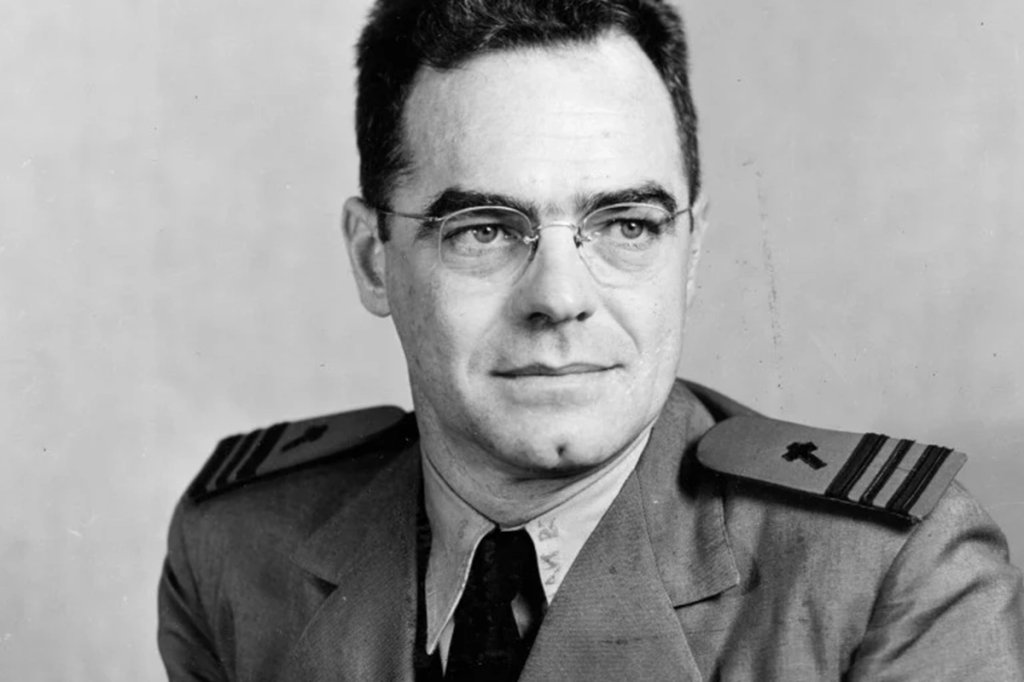
Father O’Callahan’s heroism exemplifies the dual role of military chaplains: spiritual guides who also provide practical, life-saving leadership in the most extreme situations. His courage under fire remains a standard for chaplains across all branches of the U.S. military, demonstrating that moral and spiritual fortitude can inspire extraordinary resilience, even in the face of overwhelming physical danger. His legacy continues to serve as an enduring example of faith, bravery, and service beyond the call of duty.
The Paratrooper Chaplain
Father Francis “Sam” Sampson served as a chaplain with the 101st Airborne Division, a unit that would achieve legendary status for its role in the D-Day invasion of Normandy and subsequent European campaigns. Known for his fearless dedication to the soldiers under his care, Sampson’s wartime service exemplified both moral courage and personal bravery.
On June 6, 1944, Father Sampson parachuted into Normandy during the Allied invasion. The drop was chaotic, with paratroopers scattered over wide areas under heavy enemy fire. Despite the danger, Father Sampson immediately began ministering to his fellow soldiers. He moved across the battlefield, attending to the wounded, administering last rites to dying soldiers, and providing spiritual guidance to men facing overwhelming fear and the brutality of war. His presence offered comfort and a stabilizing moral influence amid the confusion and terror of combat.
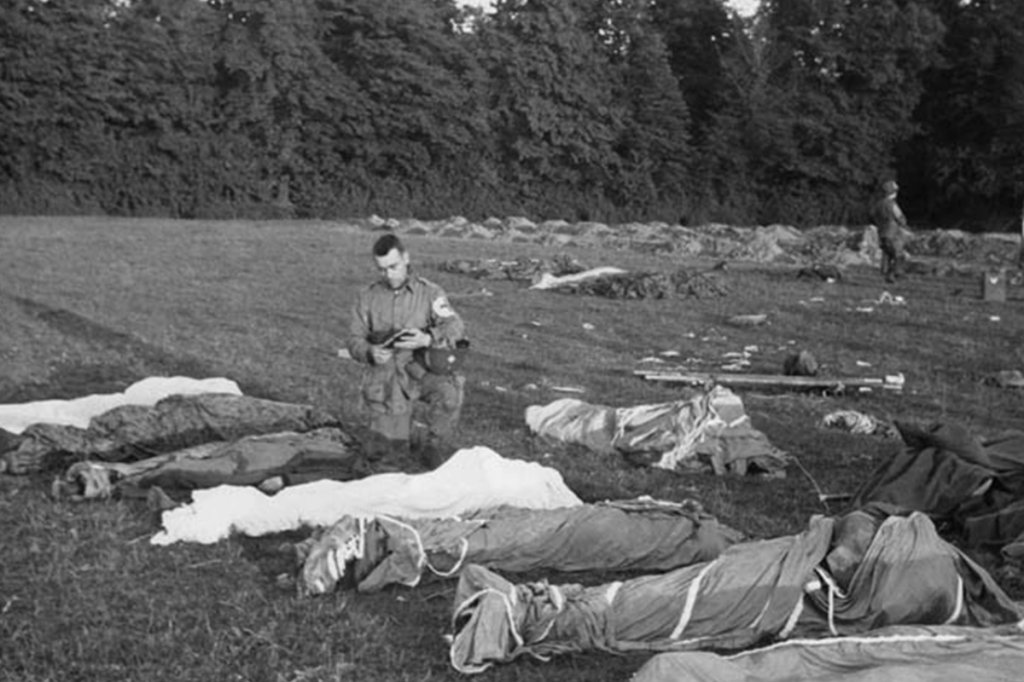
Beyond Normandy, Sampson continued to serve with distinction through the grueling campaigns across France and into Belgium. During the Battle of the Bulge in December 1944, one of the war’s most desperate engagements, Sampson was captured by German forces. Facing the threat of execution by an SS officer, his life was saved when a German army officer intervened, recognizing his role as a noncombatant and his humanitarian service. Even in captivity, Sampson continued his ministry, providing spiritual support to fellow prisoners and maintaining morale under harsh conditions.
After the war, Father Sampson returned to the United States and became a pivotal figure in shaping modern military chaplaincy. He advocated for enhanced battlefield training for chaplains, emphasizing courage under fire, ethical leadership, and interfaith cooperation. His work ensured that future chaplains were better prepared to serve soldiers of all faiths in combat conditions, reinforcing the principle that spiritual care is essential to the military mission.
Father Sampson’s service highlights the unique role of military chaplains: risking their own lives to provide emotional, moral, and spiritual support to troops in some of the most dangerous circumstances imaginable. His legacy endures in the training programs, ethical guidance, and interfaith cooperation that remain central to military chaplaincy today.
The Rabbi at Iwo Jima
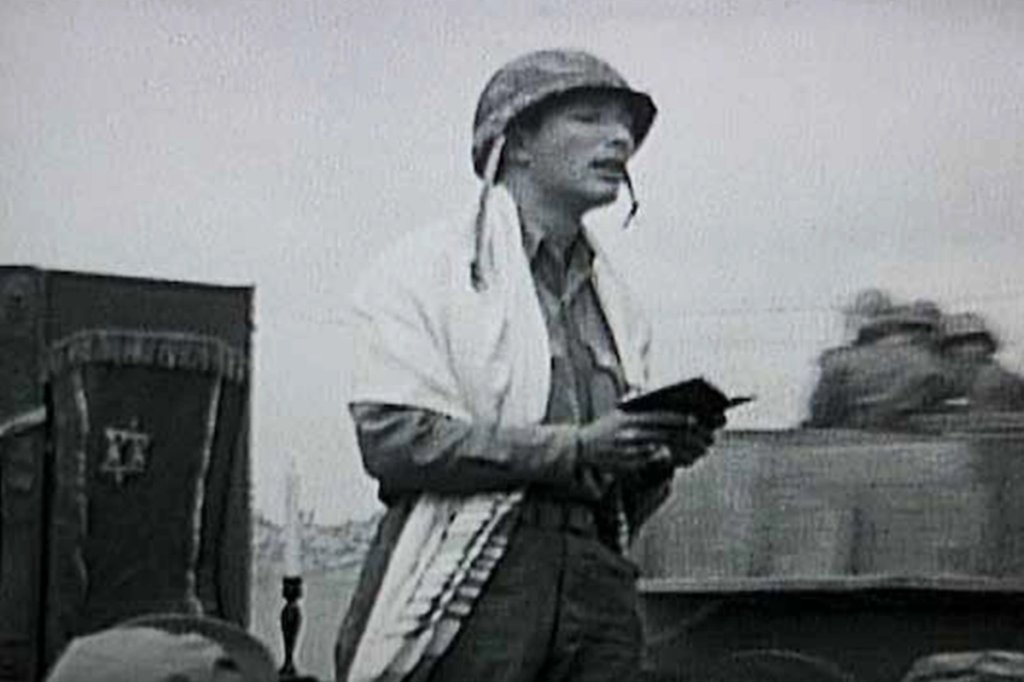
Rabbi Roland Gittelsohn made history as the first Jewish chaplain assigned to the United States Marine Corps, a pioneering role that required courage, faith, and moral leadership. Deployed to the Pacific Theater, he served in some of the most intense and dangerous combat zones, including the legendary Battle of Iwo Jima in early 1945.
The invasion of Iwo Jima was marked by fierce Japanese resistance, relentless artillery fire, and harrowing close-quarters combat. Marines faced extreme physical and emotional stress, with casualties mounting daily. Rabbi Gittelsohn’s role went far beyond performing religious services—he was a vital source of comfort, guidance, and moral support for soldiers of all faiths. He moved across the battlefield and forward positions, offering prayers, counseling, and encouragement to Marines in foxholes, medical stations, and makeshift command posts. His presence provided reassurance and a sense of human connection in an environment defined by chaos and death.
Rabbi Gittelsohn’s ministry at Iwo Jima exemplified the unique role of chaplains as unifying figures. He demonstrated that spiritual care could transcend religious boundaries, fostering resilience, courage, and solidarity among Marines of Protestant, Catholic, Jewish, and other faiths. His dedication earned him the respect and admiration of soldiers and officers alike, as he exemplified the principles of moral courage, empathy, and inclusivity.
Following the battle, Rabbi Gittelsohn delivered a memorable sermon at the dedication of a Marine cemetery on Iwo Jima, honoring the sacrifice of Marines from all religious backgrounds. Portions of this sermon were later entered into the Congressional Record, reflecting its profound national significance and the enduring power of his message of unity, compassion, and respect for diversity.

The Highest and Purest Democracy: Rabbi Roland Gittelsohn's Eulogy
Beyond his immediate wartime service, Rabbi Gittelsohn’s example helped define the role of Jewish chaplains in the U.S. military and reinforced the importance of religious pluralism and interfaith cooperation in the armed forces. His efforts laid the groundwork for future generations of chaplains, demonstrating that moral guidance and spiritual leadership can strengthen both individual soldiers and the collective morale of military units under the most trying circumstances.
Rabbi Gittelsohn’s service at Iwo Jima stands as a testament to the transformative impact of chaplains on the battlefield, showing that faith, courage, and unity can thrive even in the deadliest theaters of war.
“Shepherd in Combat Boots”
Before earning lasting fame for his heroism during the Korean War, Chaplain Emil Kapaun served with distinction in the Burma-India theater during World War II. This theater presented some of the most challenging and dangerous conditions in the conflict: dense jungles, mountainous terrain, monsoon rains, disease, and units frequently isolated from supply lines or medical aid.
Kapaun’s mission was to provide spiritual guidance, moral support, and practical assistance to soldiers scattered across this difficult environment. Unlike chaplains in more conventional theaters of war, he often traveled alone, using a bicycle or on foot, navigating treacherous paths under the threat of enemy engagement or natural hazards. His journeys could take him miles into jungle terrain, where he would deliver food, medical supplies, and spiritual care to soldiers cut off from their units.
Kapaun’s efforts were more than pastoral; they were lifesaving. By ministering directly to these isolated soldiers, he boosted morale, reduced feelings of despair, and ensured that troops maintained their strength and resilience. His presence was a reminder that even in the most extreme adversity, someone was willing to risk everything for their well-being.

The courage, resourcefulness, and selflessness Kapaun displayed in Burma and India foreshadowed the extraordinary heroism he would later exhibit during the Korean War, where he continued to minister to soldiers under far worse conditions, ultimately sacrificing his life as a prisoner of war.
Kapaun’s World War II service illustrates the critical role of chaplains on the battlefield: they were not only spiritual guides but also moral pillars and practical lifesavers, often traversing the most dangerous and inaccessible regions to ensure soldiers could survive both physically and emotionally. His dedication embodies the essence of military chaplaincy: faith in action, courage under fire, and unwavering service to others.
Chaplains on the Modern Battlefield
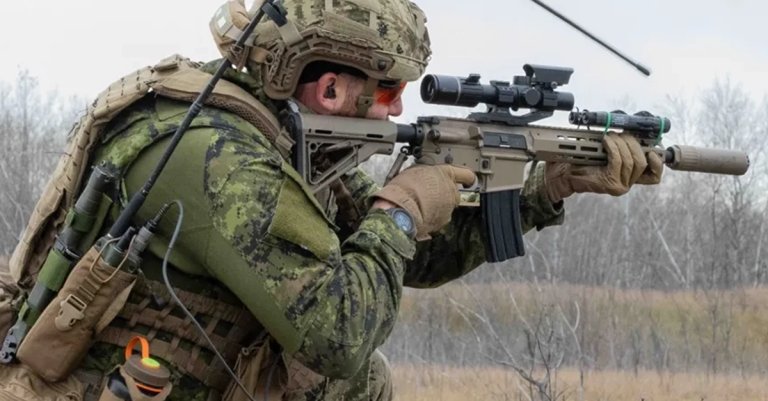
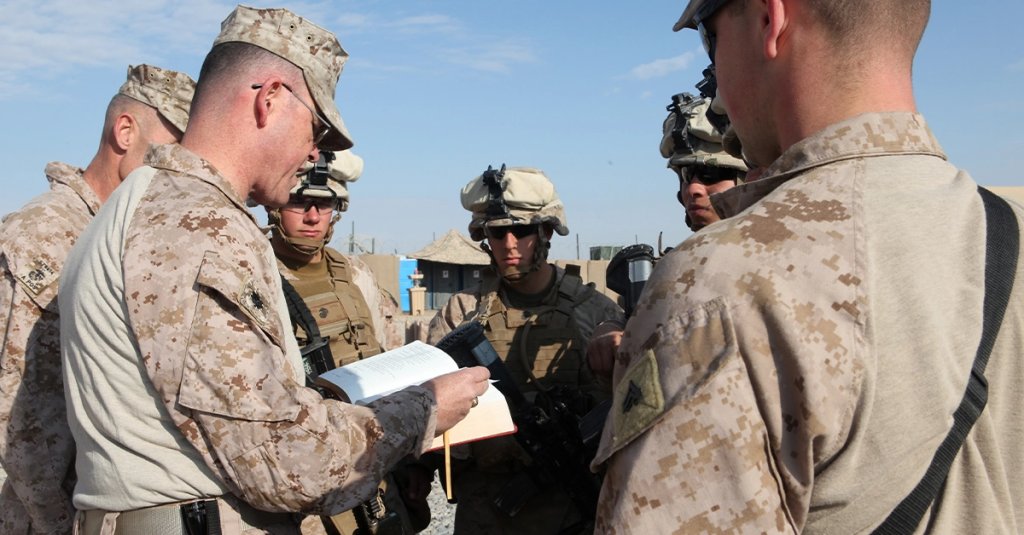
The mission of military chaplains has continued to evolve but remains essential. Today, chaplains serve in every branch of the military, often accompanying troops in combat zones, counterinsurgency operations, and peacekeeping missions. Their work includes counseling service members and their families, providing spiritual and ethical guidance, leading services, and advising commanders on moral decisions.
Modern chaplains reflect the increasing religious and cultural diversity of the U.S. military. They support personnel from traditional faiths and secular humanist programs, ensuring that every service member can access guidance that aligns with their beliefs. From providing comfort during combat patrols to leading large-scale ceremonies in deployed bases, chaplains remain vital to the emotional, ethical, and spiritual well-being of the armed forces.
The chaplains of World War II demonstrated that heroism is not measured by weapons, but by courage, faith, and compassion. The Four Chaplains symbolize interfaith unity and selflessness; Father O’Callahan exemplifies leadership under catastrophic conditions; Father Sampson shows resilience and moral courage; Rabbi Gittelsohn demonstrates inclusivity and ethical guidance; and Emil Kapaun embodies the unwavering devotion to soldiers in extreme conditions.
Their legacy continues to shape the U.S. military today. Chaplains are present wherever soldiers face danger, providing hope, moral clarity, and spiritual care. From the foxholes of Europe and the Pacific to modern combat zones across the globe, chaplains remind us that the battlefield is not only a place of conflict—it is a place where faith, humanity, and courage endure.