
As the Allied war effort in Europe balanced on the knife’s edge of history in the spring of 1944, the fate of nations hinged not only on armies, airpower, and logistics, but on silence. The invasion of Nazi-occupied France, known as Operation Overlord, was the most complex and heavily guarded military operation ever conceived. Every detail, from troop movements to weather forecasts, was cloaked in layers of deception and secrecy. Within this tense atmosphere, even a careless word could undo years of planning and cost tens of thousands of lives.
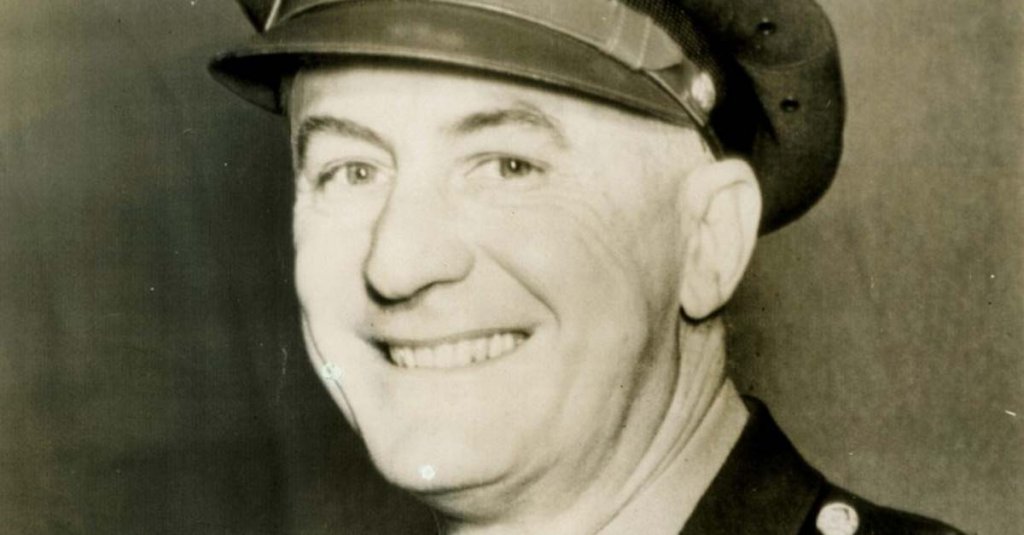
It was against this backdrop that one of the most extraordinary and cautionary security breaches of World War II occurred, not through espionage or sabotage, but through arrogance, alcohol, and indiscretion. The incident involved Maj. Gen. Henry J.F. Miller of the United States Army Air Forces, a senior officer whose career ended at a dinner party in London.
Read Next: The German rehearsal that doomed Omaha Beach attackers
The episode became a stark example of Gen. Dwight D. Eisenhower’s uncompromising stance on operational security and the extreme measures taken to protect the secrecy of D-Day.
Who Was Maj. Gen. Henry J.F. Miller?

Miller was no minor figure. As chief of the Ninth Air Force Service Command, he held significant responsibility within the Allied air effort. His command played a crucial role in logistics, maintenance, and support for tactical air operations, functions essential to the success of the invasion force that would soon storm the beaches of Normandy.
By April 1944, Miller had achieved flag rank, a mark of senior leadership and trust. He moved in elite circles in London, interacting regularly with British officers, Allied planners, and civilian elites. Like many senior officers stationed in wartime London, he lived under immense pressure. Yet with rank came responsibility, and with responsibility came an absolute obligation to safeguard the secrets of Operation Overlord.
That obligation would soon be violated in spectacular fashion.
A City on Edge

London in 1944
In the spring of 1944, London was a city suspended between hope and dread. Allied forces were visibly gathering. American troops filled the streets, pubs, and hotels. Airfields buzzed with activity. Convoys rolled through the countryside at night, their movements carefully disguised by elaborate deception plans designed to convince German intelligence that the invasion would strike elsewhere.
Everyone knew something big was coming, but no one outside the highest levels of command was supposed to know when or where.
Claridge’s Hotel, one of London’s most elegant establishments, was a frequent gathering place for senior officers and dignitaries. It was here, at a dinner party in April 1944, that Miller made a catastrophic mistake.
The Breach Was a Drunken Boast
At the dinner party, Miller had been drinking heavily. Alcohol, combined with ego and a sense of privilege, proved a dangerous mix. In conversation with several British women, civilians with no security clearance, Miller began boasting about his importance and insider knowledge.
Then came the fatal words.
He stated that the invasion of France would begin before June 15.
Related: Eight brothers fought in World War II
In isolation, the comment may sound vague. It did not mention Normandy, the beaches, or even the exact date. But in the context of April 1944, this was explosive information. The window for a cross-channel invasion was already limited by tides, moonlight, and weather. Narrowing that window further was the kind of intelligence German planners desperately sought.
The date of Operation Overlord was among the most closely guarded secrets of the war. Even many senior officers were deliberately kept in the dark until the last possible moment. For a major general to casually reference the invasion timetable while drunk, in public, to civilians was a stunning breach of discipline.
Word of Miller’s remarks did not remain confined to the dinner table. As with many indiscretions in wartime London, the story spread quickly and soon reached Allied counterintelligence.
Eisenhower Learns of the Incident

When the report reached Gen. Dwight D. Eisenhower, supreme commander of the Allied Expeditionary Force, his reaction was immediate and severe.
Eisenhower understood better than anyone what was at stake. Operation Overlord involved more than 150,000 troops landing on hostile shores on the first day alone. A compromise of the invasion’s timing could allow German forces to reinforce Normandy, reposition armored divisions, or prepare coastal defenses with devastating consequences.
To Eisenhower, there was no such thing as a minor security lapse at this stage of the war.
He reportedly regarded Miller’s behavior as unforgivable.
Unlike some commanders who might have quietly reassigned the officer or issued a reprimand, Eisenhower chose to make an example. His decision reflected not anger alone, but strategy. He wanted every officer, American and British alike, to understand that secrecy was nonnegotiable, regardless of rank.
Swift and Ruthless Consequences
The punishment was extraordinary in both speed and severity.
Eisenhower ordered that Miller be stripped of his temporary rank as a major general. He was reduced to his permanent rank of lieutenant colonel, a humiliating demotion that erased years of advancement. Miller was immediately relieved of his command and ordered to return to the United States in disgrace.
There would be no court-martial, no lengthy proceedings. Eisenhower acted decisively, ensuring the matter was dealt with before it could distract from invasion preparations or invite further risk.
The message was unmistakable. No one was above the rules, and no breach, intentional or not, would be tolerated.
Did the Germans Know?

One of the most remarkable aspects of the Henry J.F. Miller incident is what did not happen.
German intelligence never acted on the information.
Read Next: Why Germany was always the underdog in World War II
There are several reasons for this. First, it is unclear whether the boast ever reached German ears in a credible form. British counterintelligence was highly effective, and London was under intense surveillance to prevent leaks. Even if the comment was overheard or passed along, it may have been dismissed as rumor or drunken gossip.
Second, and perhaps most importantly, the Germans could not believe that a senior Allied officer would be so careless. Nazi intelligence analysts were conditioned to expect deception. The idea that a major general would casually reveal invasion timing at a party likely seemed implausible.
Ironically, the very recklessness of Miller’s remark may have saved the Allies from disaster.
A Career in Ruins
For Miller, there was no redemption.
Shortly after his return to the United States, he retired later in 1944 due to disability. Whether genuine or convenient, the retirement marked the end of his military career. The disgrace followed him into obscurity, his name largely erased from official narratives of the air war in Europe.
He would live with the knowledge that, in one careless evening, he had undone everything he had built.
Unlike many officers who were relieved quietly or reassigned, Miller’s demotion was absolute. The loss of rank alone was devastating. In military culture, it represented not merely a professional setback but a moral judgment.
Eisenhower’s Philosophy of Command

The Miller incident reveals much about Eisenhower’s leadership style.
Often remembered as genial and diplomatic, Eisenhower could be ruthless when necessary. He believed that discipline and unity were essential to coalition warfare. In the weeks before D-Day, he was managing egos, national rivalries, and unprecedented logistical complexity. A single breach of security could unravel it all.
Eisenhower understood that secrecy saved lives. His willingness to destroy the career of a general officer demonstrated to every subordinate that the rules applied equally, from private to general.
Time Magazine later noted the incident as an example of Eisenhower’s uncompromising enforcement of security, a reminder that victory required not just courage, but restraint.
Secrecy and Deception Before D-Day

Operation Overlord relied heavily on deception. Operation Fortitude created a phantom army under Gen. George S. Patton, convincing the Germans that the invasion would strike at the Pas-de-Calais rather than Normandy. False radio traffic, dummy equipment, and double agents all played their part.
This deception only worked because the Allies were fanatically disciplined about information control.
The Miller incident underscored how fragile that discipline could be. If a major general could lapse, so could anyone. Eisenhower’s response reinforced the culture of silence that helped ensure German forces were caught off balance on June 6, 1944.
Silence as a Form of Service
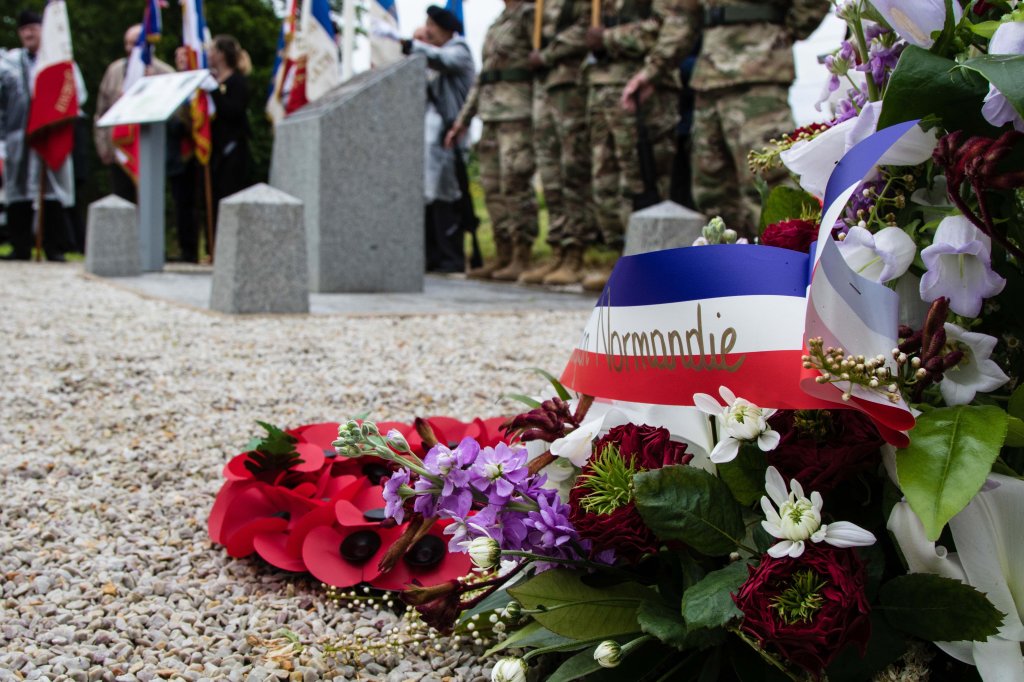
On June 6, 1944, Allied forces landed in Normandy and began the liberation of Western Europe. The success of that day rested on countless acts of bravery, sacrifice, and discipline, many of them unseen.
The disgrace of Maj. Gen. Henry J.F. Miller is one of the darker footnotes to that triumph. It is a story not of heroism, but of human weakness, and of a commander who understood that weakness could not be allowed to endanger the mission.
In the end, the Miller incident stands as a stark reminder that in moments when history hangs in the balance, silence can be as powerful as any act of courage.
Don’t Miss the Best of We Are The Mighty
• An insider to the Venezuela raid may have scored big on Polymarket
• Beretta’s top-tier 1301 is a combat shotgun for the drone age
• This Civil War veteran nearly died while exploring the Arctic
Loading comments…
Comments couldn’t be loaded. Please refresh the page.