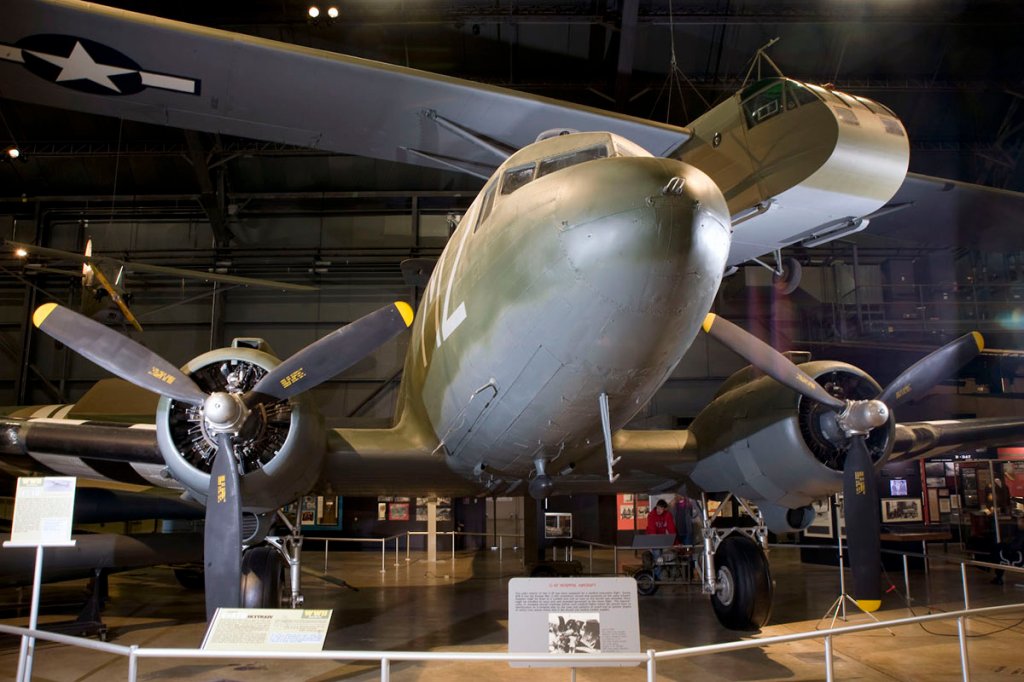
The 24 U.S. Army service members aboard the C-47 Skytrain transport plane were excited for a day of sightseeing.
Less than four months before World War II ended, the aircraft called the Gremlin Special took off from Sentani Airport near Wamena, New Guinea (in what is now Indonesia) on May 13, 1945. The group, including eight Women’s Army Corps (WAC) soldiers, was to receive a bird’s-eye view of the Baliem Valley, which local pilots had nicknamed Shangri-La Valley after the kingdom in James Hilton’s novel, “Lost Kingdom.”
Related: The WWII bombardier whose family spent 12 years bringing him home from the ocean floor
What happened next was no one’s idea of paradise.
The Gremlin Special took off in clear weather, but as it lumbered over the valley and between peaks, the tropical forest shrouded the mountains in clouds and mist. The pilot, Col. Peter J. Prossen, was now flying blind. Then he made the tragic decision to descend.
Transport Plane Crashes into Mountain
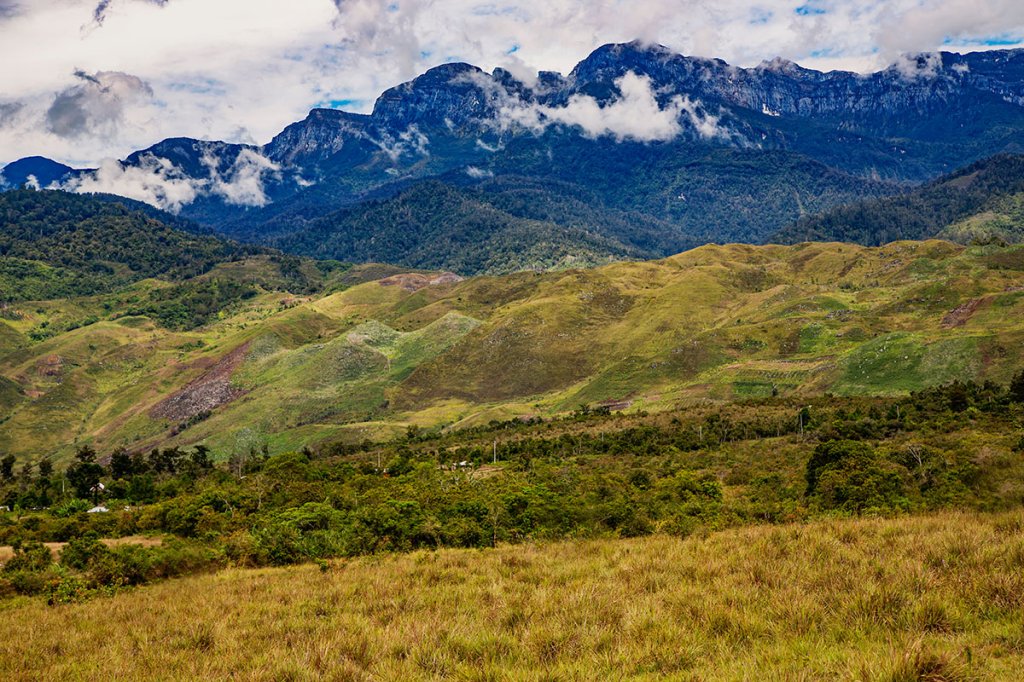
Some believe a sudden downdraft caught the plane, causing it to slam into the mountainside. Others attributed the disaster to pilot error and heavy cloud cover. One passenger, Lt. John McCollom, said the impact snapped the tail off, setting off explosions, and flattened the fuselage to the point he could not stand up.
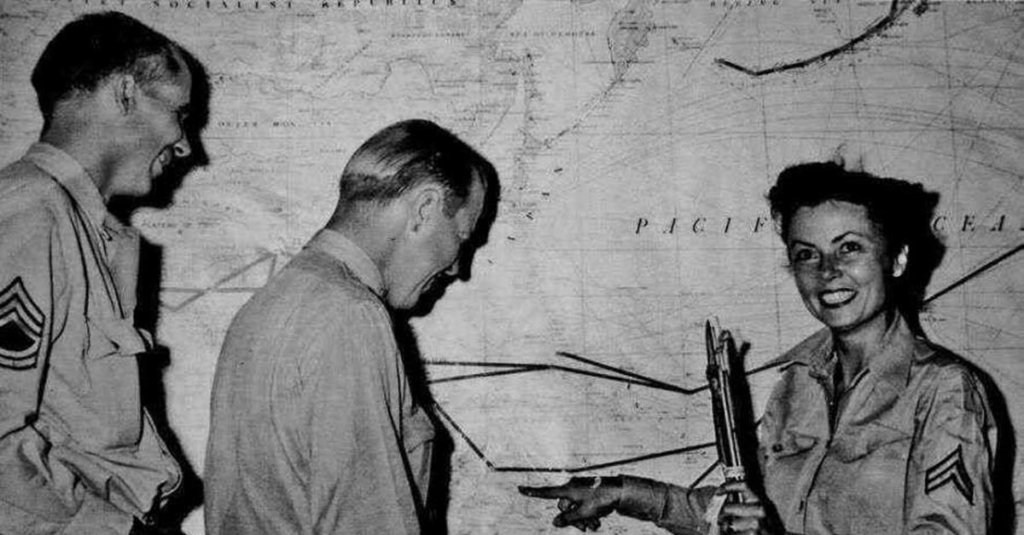
McCollom was one of five service members who survived the crash initially, but WAC members Eleanor Hanna and Laura Besley died shortly thereafter. That left McCollom, Sgt. Kenneth Decker, and WAC Cpl. Margaret Hastings as the lone survivors.
McCollom, whose twin brother Robert died in the crash, emerged from the wreckage relatively unscathed. However, the other two survivors were badly hurt. Decker sustained burns on his back and a deep head wound, and Hastings suffered cuts and burns on several parts of her body.
Despite their injuries, they slowly made their way through the thick jungle to the valley, which was 40 miles long and 8 miles wide. With little water or food, they hoped to be spotted in a small clearing.
Encountering the Dani

As they decided their next move, the Dani (a tribe indigenous to the region) spotted them. Little was known about the Dani at the time. They lived a Stone Age existence, and while they once were believed to be headhunters, they later were regarded as “gentle warriors.”
As the survivors and Dani assessed each other suspiciously, McCollom walked slowly forward across a large log and met the tribal leader halfway. McCollom told Decker and Hastings to smile, and when they did, the Dani’s leader smiled back.
As McCollom and the leader shook hands, the survivors breathed a sigh of relief. While the soldiers awaited their possible rescue, they and the Dani developed a friendly rapport.
Devising “a Crazy Rescue Mission”
On May 16, three days after the crash, search aircraft finally spotted them. Although there was no place for them to land, B-17 planes dropped supplies, including medical equipment, field rations, beer, and a walkie-talkie to the survivors.
The Army Air Forces, however, still hadn’t devised a plan to extract them from the valley. Whatever they decided would require overcoming an extremely high degree of difficulty. In addition to the treacherous terrain, thousands of Japanese soldiers were believed to be hiding in the dense jungle.
What the U.S. military finally settled on was “a crazy rescue mission”:
Filipino-American paratroopers from the 5217th Reconnaissance Battalion would jump in to assist McCollom, Decker, and Hastings before a C-47 Skytrain would extract the soldiers by towing Waco CG-4A gliders out of the valley.
A Rescue Nearly 7 Weeks in the Making

"RESCUE FROM SHANGRI-LA" 1945 C-47 PLANE CRASH SURVIVOR DOCUMENTARY 70564
After the entire 5217th battalion volunteered, Lt. C. Earl Walter selected 10 other jumpers, including two medics, for the mission. While the medics dropped in near the survivors, the other paratroopers jumped in about 45 miles away. Three troopers set up a camp at that site, and the others headed toward McCollom, Decker, Hastings, and the medics.
The survivors and paratroopers made their way to a temporary landing strip created by the rescue team. To extricate them successfully, a hook on the C-47 would snatch the glider’s tow line suspended above ground by two poles. The hook on the transport plane attached to a 1,000-foot steel cable, which connected to a winch to soften the shock during contact.
The survivors were rescued 47 days after the crash on June 28, 1945. The first of three flights involved rescuing the three survivors, and it almost ended in disaster.
When the hook grabbed the tow line, the glider took off, but a parachute on the ground caught in its skids. The chute began tearing holes through the glider’s canvas skin. Thinking quickly, McCollom crawled to the glider’s tail and pulled the stuck parachute into the cabin, preventing a potential catastrophe.
All personnel finally made it out of the valley.
Capturing Americans’ Attention
While McCollom, Decker, and Hastings awaited rescue, a memorial service was held above the crash site. In 1958, a team from the Graves Registration Service disinterred the victims’ bodies and brought them back to the U.S. for proper burials.
When the survivors returned, the military played up their survival story to the folks at home. They were sent out for seven weeks on the last Liberty Bond tour of World War II.
Their rescue slowly faded from the headlines. But the Gremlin Special and the rescue from Shangri-La were a feel-good story that grabbed Americans’ attention for a few weeks.