During World War II, balloons became one of the most feared weapons of the day.
Yes, balloons. Although they’re used today to gather weather information, or as celebratory décor, WWII was a time of great uncertainty and mistrust. Seeing a balloon didn’t mean a scientist was gathering data about the atmosphere; it meant an enemy was causing havoc.
Related: That time the Japanese tried to bomb the US using balloons
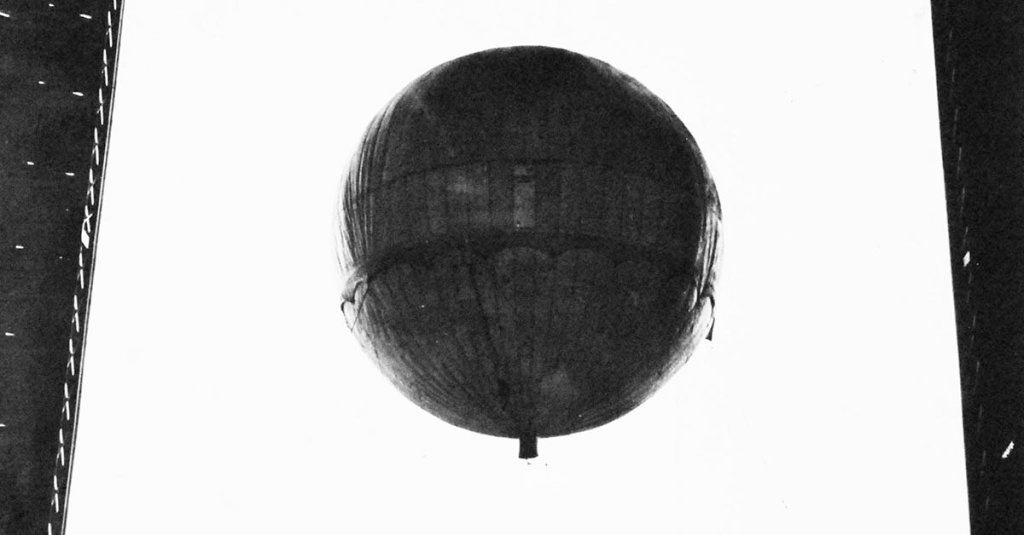
Japan tried to do just that by manufacturing the Fu-Go balloon bombs, creating a mobile way to bring injury and chaos to their enemies. Propelled by the jetstream, these massive balloons floated across the Pacific Ocean to land at random.
Considering what was on board, it’s no wonder the sight of a balloon caused stress at the time.
The Japanese’s Response to the Doolittle Raid
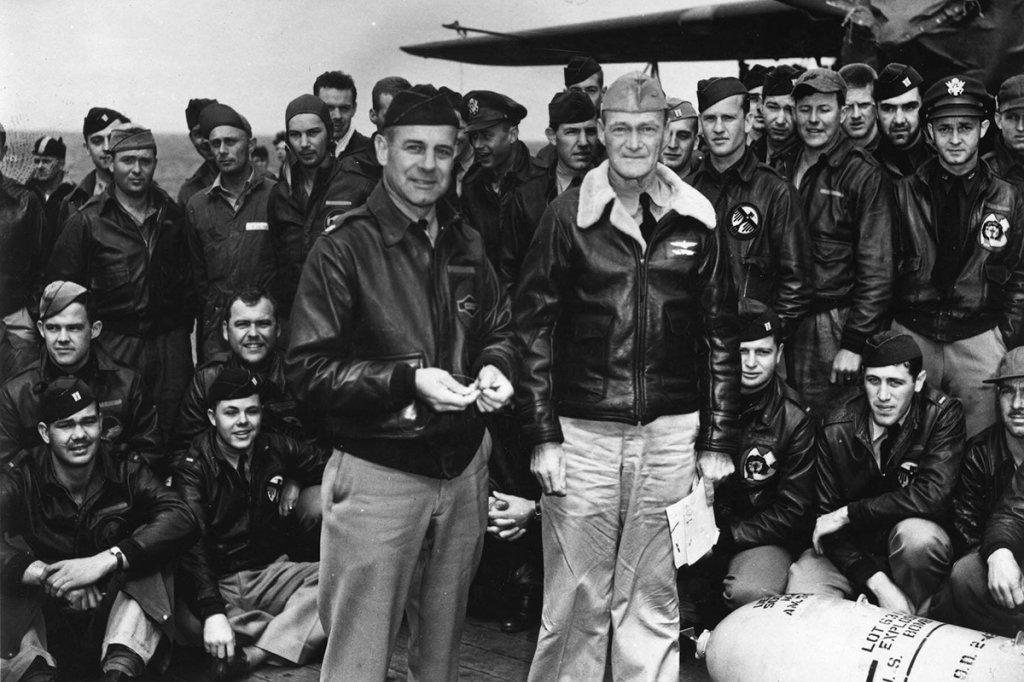
The incendiary weapons were first developed in the 1930s before being used in response to the Doolittle Raid. After the bombing of Pearl Harbor, one of the U.S.’s initial responses was an air attack on Japanese cities. Led by Lt. Col. James Doolittle, the raid unleashed 16 B-25 bombers from the naval aircraft carrier USS Hornet on April 18, 1942. Fifty people died and hundreds were injured in the bombings.
The Japanese responded by finding a way to launch their own air bombs.
The hydrogen-filled Fu-Go bombs were massive paper balloons. They were 33 feet in diameter and contained four incendiary devices, weighing 11 pounds each. A 33-pound, high-explosive bomb added to the cargo’s explosive capability.
The balloons’ main purpose was to start fires and cause panic. With no control over where they landed, it was likely the Japanese bombs could do exactly that. If someone spotted one, they might not have been fully aware of what they were witnessing.
That’s Not a Balloon Bomb, Sailor

We’ve all had our eyes deceive us, but it rarely comes with hundreds of bullets lost in the process. Such was the case with the United States Navy when they reported a “Japanese balloon weapon” during World War II. Believing they were attacking an enemy device, they opened fire.
They missed their targets by a great distance, which was understandable that they mistook a balloon bomb for the planet Venus.
The U.S. Naval Institute shared the historic event, which was prompted by the captain of the USS New York. The crew began shooting at an altitude of 5,000 feet, then raised that to 7,500 feet. Noting that the bullets were still landing short, they adjusted for the maximum of 10,000 feet.
However, the ship’s navigator soon reported it was actually Venus, not a foreign balloon contraption. In total, 300 rounds had been spent.
Whether the sailors were relieved or embarrassed at the time (likely both), the event lived on amongst the Navy. It became a cautionary tale about identifying targets.
‘Strange-Looking Object’ Killed 6

Japanese Balloon BOMBS! – WW2 Fu-Go Campaign
During a five-month period beginning in late 1944, roughly 9,300 Fu-Go balloons were launched from Japan. Of those, about 300 were found and/or seen in the United States, Canada, and Mexico.
The Fu-Go bombs generally caused little damage, except for small fires. The most tragic outcome, though, occurred on May 4, 1945, when a balloon bomb exploded and killed a reverend’s wife and five children in Oregon. They discovered “a strange-looking object” in the forest while on a picnic.
“I… hurriedly called a warning to them, but it was too late,” the reverend recalled, according to a 2019 Smithsonian magazine article. “Just then there was a big explosion. I ran up, and they were all lying there dead.”
Balloon Bombs Scattered Across the US
Balloons were found mainly in the Pacific Northwest, but some also were reported in Texas, Nebraska, South Dakota, Kansas, and Nevada. More balloon bombs were discovered decades after the war, including one that was detonated in British Columbia in 2014.
The U.S. military tried to keep reports of balloon bomb sightings out of the media, but those who saw them couldn’t be kept in the dark. The Fu-Go program was scrapped at the end of World War II, but more balloon remnants were discovered over the years.
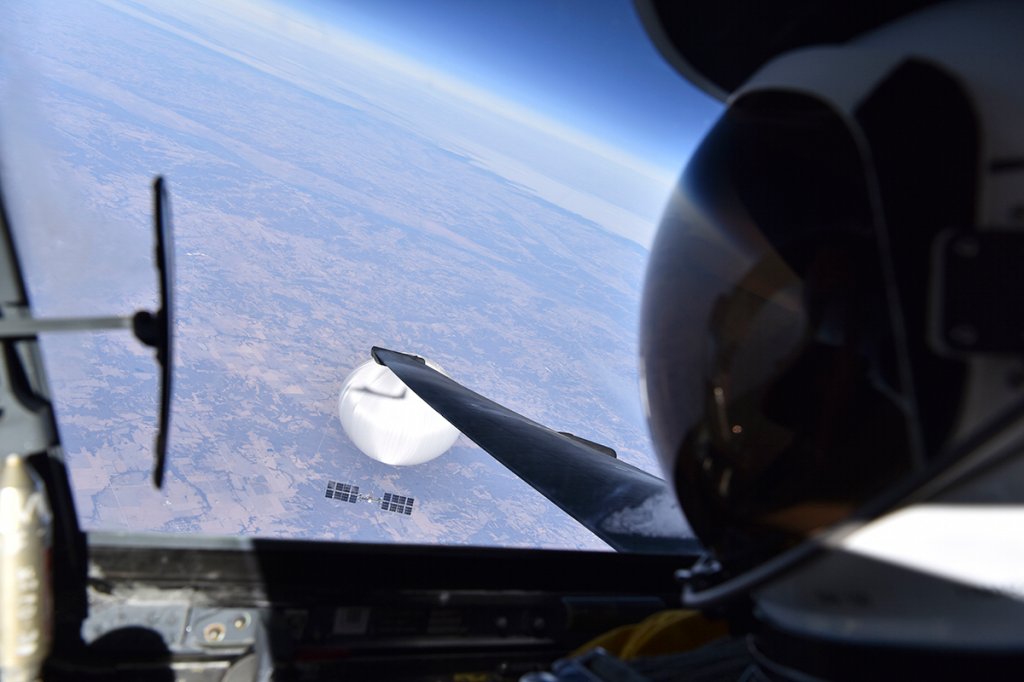
Then in 2023, a Chinese spy balloon floated over the United States for seven days before the U.S. military shot it down. This time, Venus wasn’t their (unintended) target.