It almost sounds like a Tom Clancy novel: a few hundred pro-Assad fighters, including Russian Wagner Group mercenaries, charge an American position in the Syrian desert. American troops respond with artillery, drones, F-22s, Apaches, an AC-130 gunship, and a few other surprise guests. By sunrise, their attack force is shattered.
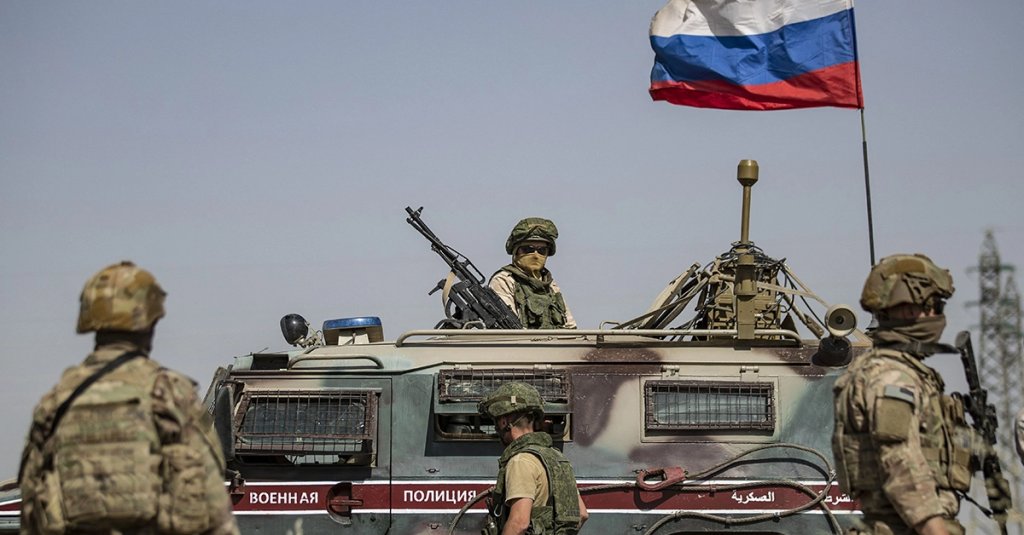
But this wasn’t fiction. It was February 2018, near the Syrian town of Khasham, where the U.S. military went toe-to-toe with Russian-linked fighters on a scale not seen in decades. This time, the “little green men” weren’t acknowledged soldiers in uniform. Many of them were Wagner Group mercenaries, fighting alongside Syrian regime troops and militia units—the same outfit later made infamous for brutality and blunders in Ukraine and Russia.
The action came amid the Global Coalition to Defeat ISIS and the concurrent Syrian Civil War. The U.S. and its allies held territory in eastern Syria as part of their campaign against the terror group. Russia, backing the regime of Syrian President Bashar al-Assad, deployed Wagner mercenaries and other proxies to seize crucial oil and gas fields and push U.S.-aligned forces off the map. The Americans and their Kurdish SDF allies were holding a Conoco gas plant, and the pro-Assad forces wanted that plant.
When pro-regime columns, including the Wagner elements, massed at their infiltration point near Khasham, American commanders calmly called their counterparts in the Russian military. The warnings were ignored. On the night of February 7, the attacking force moved in.

The Battle of Khasham – US Special Forces Annihilate Russian Wagner Mercenaries 2018
The Fight
In the days before the fight, U.S. intelligence and overhead ISR (drones, other sensors) watched a slow but steady massing of pro-regime forces west of the Euphrates: Syrian Army regulars, militia units, and Wagner contractors, with tanks, artillery, and support vehicles forming up into what Pentagon officials later described as a battalion-sized combined-arms force.
The objective: cross the deconfliction line and push the SDF out of the Conoco gas plant east of the river, which had a small American advisory presence. From their side, this looked like a local grab for a valuable gas facility in a quiet sector; from the U.S. side, it was a giant “do not touch” sign.
U.S. commanders repeatedly used the deconfliction line to call their Russian counterparts and say, in effect: “We see your guys massing near our partnered forces. There are coalition troops here. Don’t do this.” Russian officers replied that no Russian forces were involved and gave no order to halt the advance. The attack kicked off around 10 p.m. local time on February 7, 2018.
Phase one was pure firepower prep. Pro-regime forces opened up with artillery, mortars, and tank fire on the SDF/coalition headquarters around the Conoco plant. Pentagon briefers later said 20–30 artillery and tank rounds landed within about 500 meters of the U.S./SDF position—close enough that the American operators were literally diving into foxholes and behind armored trucks while dirt and shrapnel rained down.
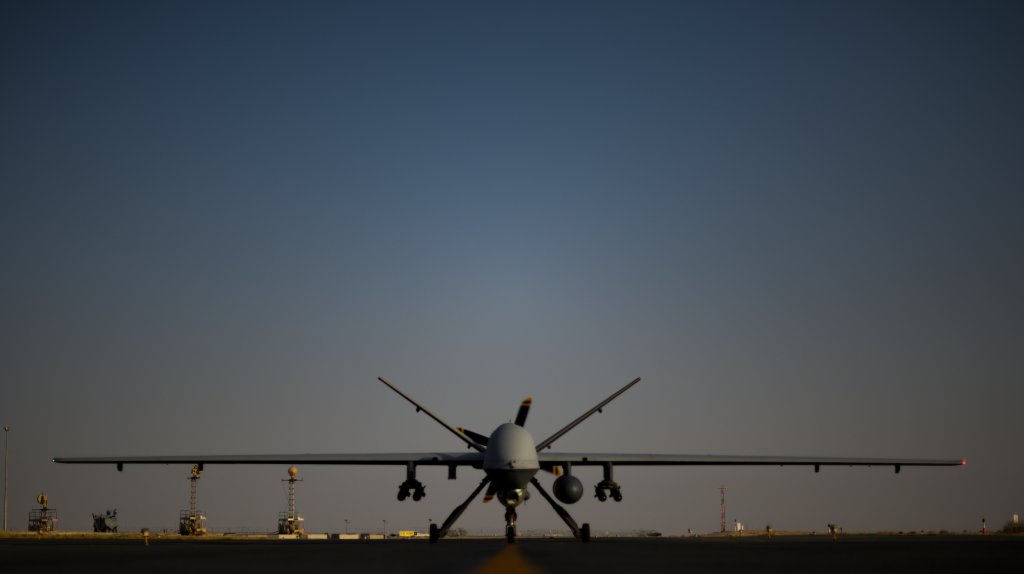
A single MQ-9 Reaper was already overhead when the barrage began. As shells started walking in toward the plant, the drone launched Hellfire missiles to knock out at least one enemy artillery piece, but the overall volume of fire stayed heavy.
Once the fire prep was underway, the ground column started to move. T-72 and T-55 tanks and other armored vehicles in the lead. A mix of infantry and Wagner contractors followed behind the armor, and at least one ZU-23 anti-aircraft gun was used in a ground role to rake defensive positions with 23mm fire. From the U.S. perspective, this looked like a textbook Soviet/Russian-style assault with massed fires to pin the defenders, armor to punch through, and infantry to exploit.
Inside and around the plant, there were fewer than 40–50 U.S. special operators and Marines with their SDF partners, depending on the moment in the fight. They did three crucial things right:
1. Used the terrain and berms
The plant had dirt berms, trucks, and improvised fighting positions. Americans and SDF fighters dug in along these berms, using armored vehicles as additional cover. One SF team leader later described their reality as “we’re just hiding behind the trucks eating artillery.”
2. Brought in a QRF under fire
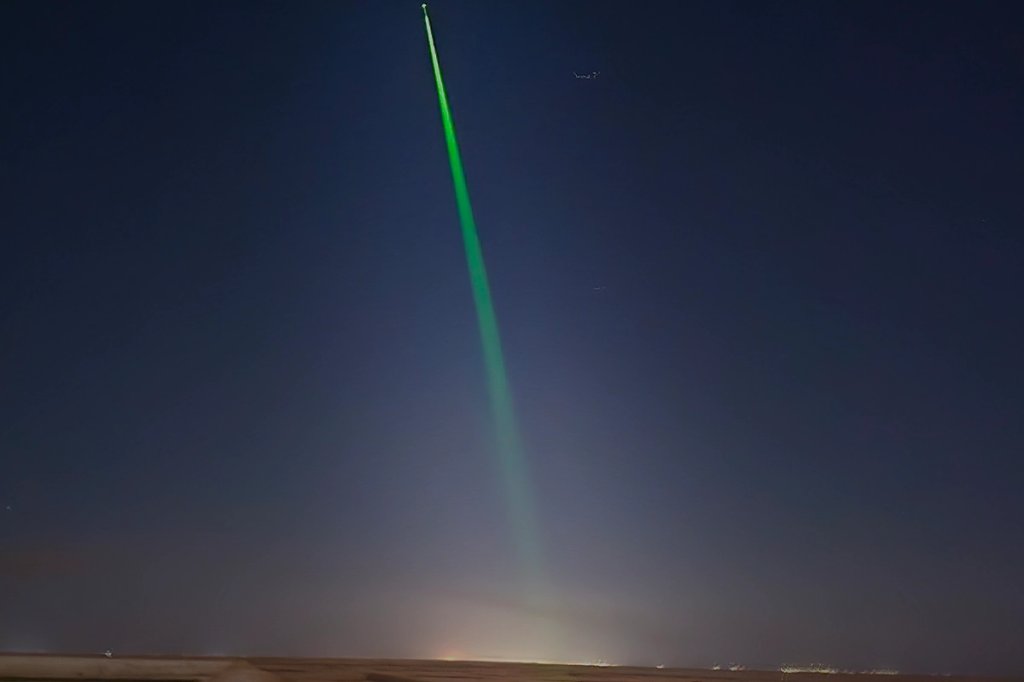
A small quick reaction force (QRF) of Green Berets and Marines about 20 miles away pushed hard to reinforce the plant, driving at night under NVGs on cratered roads. Some accompanying SDF trucks bailed out when they realized how intense the incoming fire was, but the SF/Marine element pushed through and slipped into the perimeter guided by IR laser.
3. Maximized their truck-mounted .50 cals
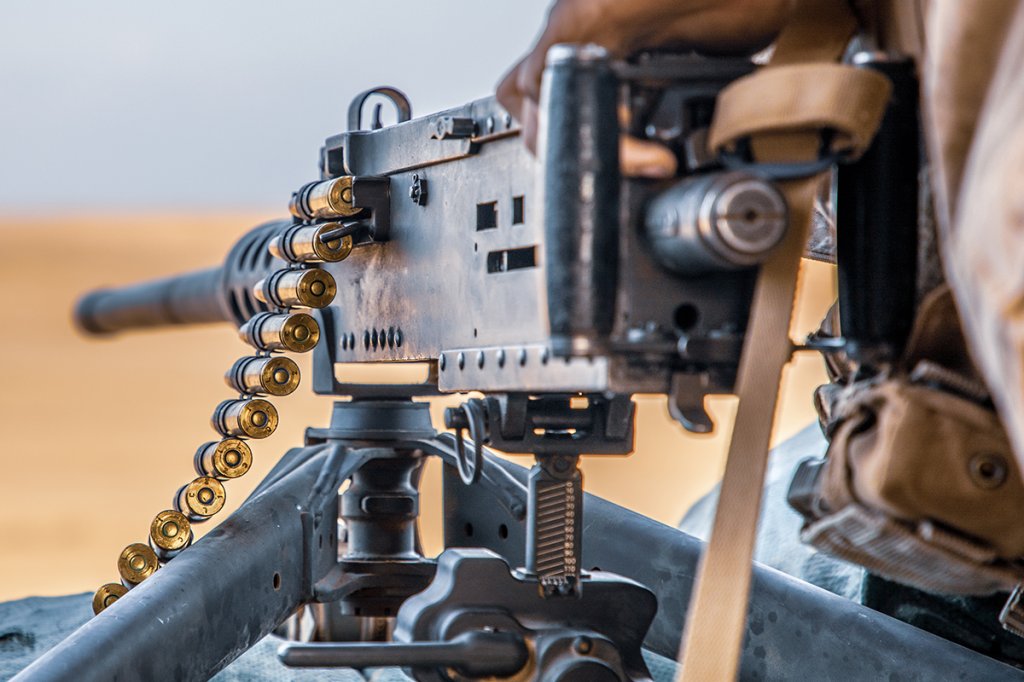
Once inside the perimeter, the Americans lined up their armored trucks with remote-operated .50-cal turrets behind the berms, giving them protected, thermally-sighted heavy machine guns facing the advancing column. When Wagner infantry started to dismount and move, the .50s opened up, firing in a deliberate rhythm so that at least some guns were always shooting while others cooled. That accurate, sustained heavy fire forced the attackers to hug cover and slowed the momentum of their infantry push.
Even with that, the defenders had a major problem: they had no organic way to kill tanks. The .50 cals could chew up infantry and light vehicles, but T-72s shrugged off those hits. U.S. operators knew that without bigger guns, a determined armored push could still steamroll their position. This is where American combined arms comes in.
While the guys on the berm were trading fire, U.S. headquarters was already spinning up artillery and air. Coalition artillery (including M777s and HIMARS) began firing on the attacking formation, deliberately targeting lead and trail vehicles in the columns to box them in and create traffic jams under fire. The MQ-9 Reaper stayed overhead as an ISR and targeting platform, feeding live video and coordinates back to fire direction centers and aircrews. Once U.S. commanders were satisfied there were no declared Russian regulars involved, they unleashed the air stack.
Multiple layers of aircraft came in. AH-64 Apaches moved in low once the enemy air-defense threat was assessed and partially neutralized. They used their 30mm chain guns and guided munitions to kill or cripple the lead tanks. One account has a tank erupting in a fireball that halted the armored column, followed by another tank being destroyed to the west as the Apaches walked fire down the line. F-22s flew air dominance overhead, making sure no Russian aircraft could enter the fight without risk of being shot down—crucial for avoiding a direct U.S.–Russian air clash while still protecting the troops. F-15Es executed precision strikes on clustered vehicles, artillery positions, and follow-on forces forming up in depth.
But wait, there’s more.
An AC-130 arrived and started carving up armored vehicles, gun positions, and infantry with its side-firing cannon suite, including a 105mm howitzer. From the ground, this looks like a constant stream of tracers and explosions walking across the enemy’s line. A B-52 Stratofortress joined the party, dropping precision munitions on larger concentrations of pro-regime forces and their support elements further back—essentially shredding their rear echelons and any attempt to regroup or reinforce.
All of this was layered over ongoing U.S. and SDF ground fire from the berms and trucks. The Americans on the ground used tracers and target descriptions over the radio to help cue the Apaches and the gunship onto tanks, vehicles, and pockets of resistance.
After a few hours of this, the artillery that had been hammering the plant was destroyed or silenced. At least two tanks were confirmed knocked out, with many more vehicles destroyed or abandoned. The attacking force was mauled so badly that survivors later described whole Wagner elements being effectively wiped out in the first minutes of full-scale U.S. air and artillery engagement. U.S. and coalition estimates of enemy dead vary, but U.S. officials publicly talked about roughly 100 killed.
Other reporting based on interviews and leaked audio from Wagner fighters suggests 200–300 total pro-regime casualties (killed and wounded), including a significant Wagner component.
Americans killed? Zero. One SDF fighter was wounded.
Why They Never Stood a Chance
The Battle of Khasham was supposed to be a cake walk. An easy Wagner victory. But it quickly became a lesson in combined-arms tactics taught by the very best, and class was now in session. In the skies above, American drones circled silently, tracking every movement and feeding real-time intelligence back to the Marines and special operations troops on the ground. The moment Wagner’s mercenaries and their Syrian partners pushed forward, U.S. artillery opened up, hammering their formations; first taking out lead and rear vehicles, then scattering columns before they could organize.
Then came the aircraft. F-22 Raptors prowled the skies, ensuring no Russian aircraft could interfere, while Apache gunships swept low and unleashed devastating fire on anything that moved. To the Russians and Syrians on the ground, they must have thought this was the worst it could get. Still, the unmistakable sound of an AC-130 gunship followed, its side-mounted cannons shredding armored vehicles and turning Wagner’s advance into a rolling inferno of twisted metal and shattered morale. Enemy combatants fled in all directions, the attack helicopters and Reaper drones chased them, followed by a B-52 Stratofortress, and of course, in the classic American military style referred to as “The Kitchen Sink” method, F-15s harassed any survivors well into the early morn.
Through it all, American Marines and special operators stood their ground despite being outnumbered, coordinating strikes with clinical precision and making sure every shot landed exactly where it would do the most damage. Wagner’s fighters weren’t cowards; they pressed forward regardless of losses, at first, but bravery means little against the full might of modern U.S. combined arms tactics. Once the first rounds landed, the outcome was never truly in doubt.
Moscow quickly denied official involvement. The dead weren’t “Russian soldiers,” they insisted, they were “contractors.” In Washington, the story barely made headlines. But inside defense circles, the message was clear: U.S. troops could kill Russians in direct combat without sparking World War III, as long as the Kremlin could deny it. For Wagner, it was a bloody preview of the kind of expendable warfare they’d later wage in Ukraine.
For those on the ground, it was a firefight that nobody involved would ever forget. For the rest of us, it’s a simple reminder: sometimes the bloodiest chapters of modern history are the ones almost no one talks about…and also, when you really think about it, probably don’t go pickin’ fights with the U.S. military.
Don’t Miss the Best of We Are The Mighty
• For-profit VA disability company exposed in NPR investigation
• The US plan to nuke its interstate highways into existence
• Rob Riggle’s new motivational memoir hits harder than you’d expect