World War II forced the United States into a lot of unfamiliar territory. Nowhere was that more apparent than in its fight against sabotage and espionage along the East Coast. The government discovered that safeguarding the waterfront required more than patrols and paperwork; it required access to communities it did not control. The crowded piers, ethnic neighborhoods, and dockside taverns around New York Harbor were governed not by federal agencies, but by powerful crime syndicates whose influence reached far deeper than any official badge.
It turns out the American mafia was a willing partner. Organized crime in the United States had its own bone to pick with Italian dictator Benito Mussolini, and World War II was the perfect way to satisfy what would otherwise have been a difficult vendetta. So when the Office of Naval Intelligence reached out, New York’s crime families answered the call.
Related: How Mafia boss Lucky Luciano joined World War II from his prison cell
The result was Operation Underworld, a covert partnership between U.S. Naval Intelligence and organized crime. What began as a desperate response to the looming threat of Axis sabotage evolved into one of the most unconventional intelligence alliances in American history. Behind the scenes, mobsters who once dominated the docks through fear and violence became essential players in defending the American supply chain.
The Power of Organized Crime
By 1942, New York Harbor was the heartbeat of the U.S. war effort. Troop ships, supply vessels, ammunition crates, and food shipments moved daily across the Atlantic. Yet these same docks had long been notorious for corruption, black-market deals, and union manipulation. Control belonged not to the government but to the Five Families, which were then: Luciano, Gagliano, Mangano, Profaci, and Bonnano. Today, Gagliano is the Lucchese Family, Luciano is called Genovese, the Manganos are the Gambinos, and Profaci became the Colombo Family.
Federal officials quickly realized that their own presence meant little in neighborhoods where decades of tension, language barriers, and cultural mistrust separated them from the workers they needed to reach. Dockworkers looked after their own, and the people they feared most were not FBI agents but mob enforcers who held real local power.
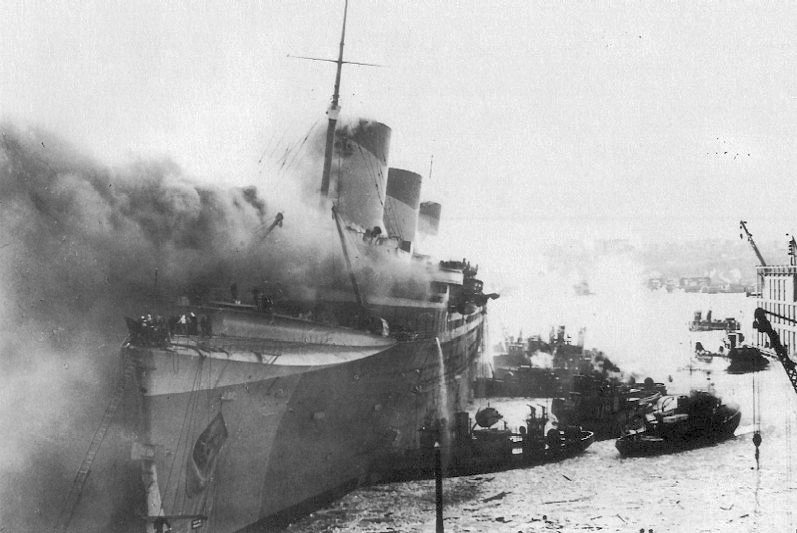
Axis agents understood this weakness. After a devastating fire aboard the SS Normandie, suspicion grew that saboteurs were already exploiting the government’s inability to penetrate the waterfront. The U.S. needed eyes and ears in places where its own agents had none. Only one group held the influence to deliver that access: organized crime.
Street Power Becomes an Intelligence Asset
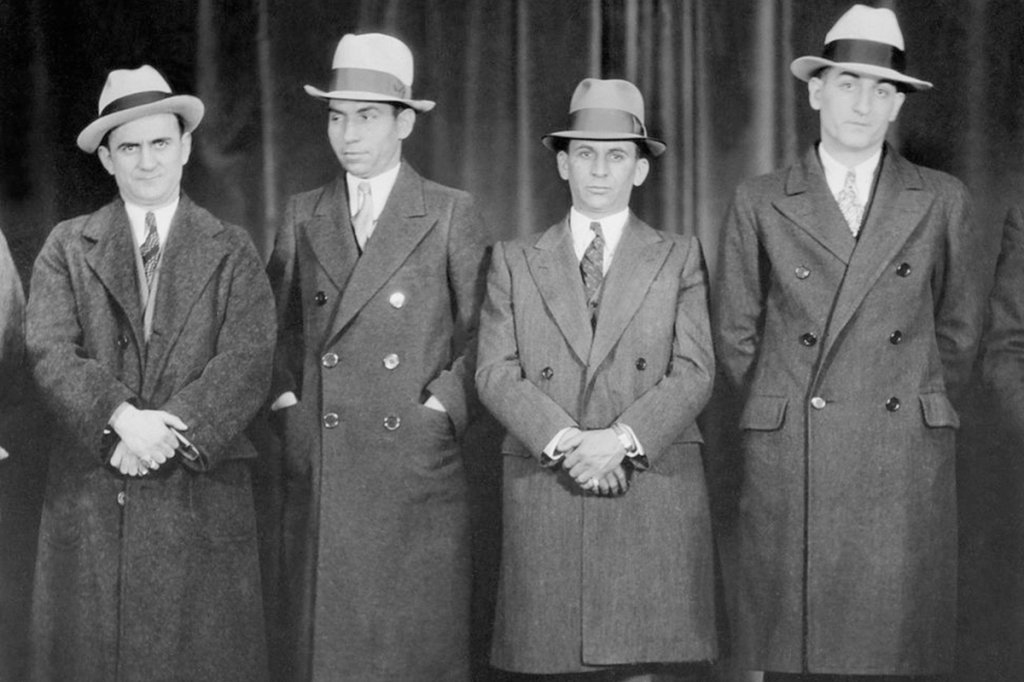
The transformation of the Mafia from criminal syndicate to clandestine intelligence network began with a prison meeting. Charles “Lucky” Luciano, the founder of the modern American Mafia, was approached by Navy intermediaries and asked to support a campaign to secure the docks. Luciano immediately understood the significance of the request. His response mobilized the Luciano family and made it clear to many key racketeers and union men that cooperation was expected.
Once Luciano endorsed the partnership, mob influence shifted into an operational asset almost overnight. His network included powerful figures such as Albert Anastasia, the feared “Lord High Executioner” of “Murder, Inc.” Anastasia dominated Brooklyn’s longshoremen through the International Longshoremen’s Association and had the ability to enforce order among thousands of dockworkers with a single threat. Under Operation Underworld, Anastasia used his clout on the Brooklyn docks to enforce order and discourage troublemakers, exactly the kind of rough security Naval Intelligence wanted. The mafiosos were successful in deterring foreign agents and ensuring that no unknown figure roamed the piers unnoticed.
Meyer Lansky, Luciano’s trusted adviser and one of the most analytical minds in the underworld, played a different but equally critical role. Lansky had deep connections through Jewish neighborhoods in Lower Manhattan, Newark, and Brooklyn. He used these networks to surveil foreign nationals, listen for pro-Nazi sentiment, and quietly report intelligence through intermediaries. His ability to blend into immigrant communities without raising suspicion made him invaluable to Naval Intelligence.
Other mob figures, such as Joe Adonis and Frank Costello, contributed by leveraging their political contacts, union ties, and gambling networks to keep tabs on suspicious activity. Their underworld communication channels—silent, efficient, and brutally effective—proved far more responsive than bureaucratic chains of command.
Why the Mafia Cooperated
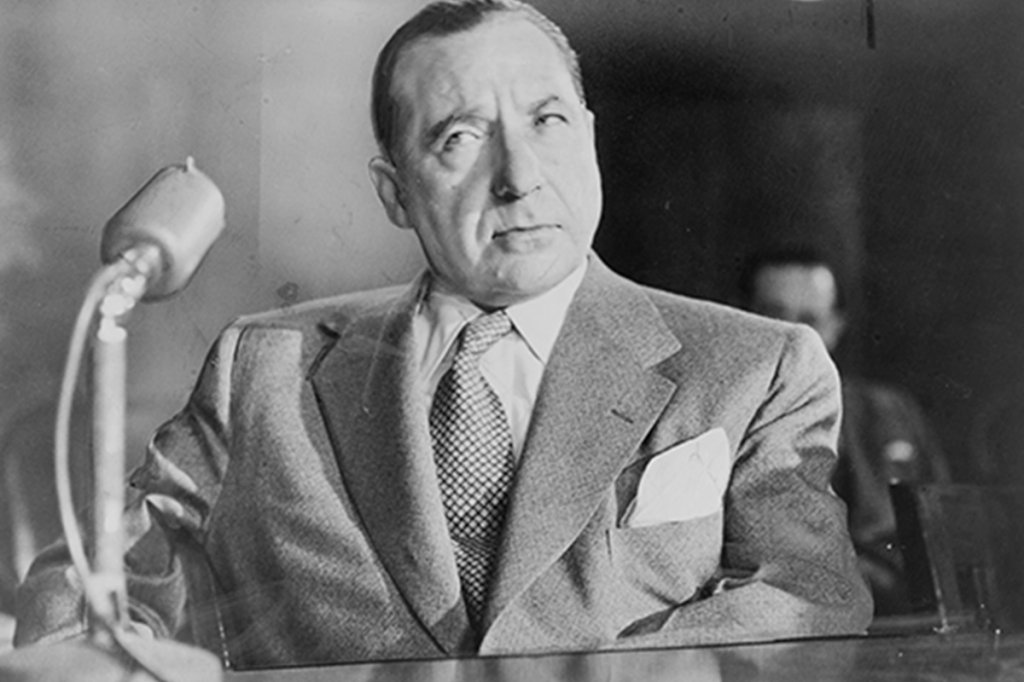
Although some mobsters later claimed patriotism, their motives were layered and complex. Luciano saw the partnership as an opportunity to secure a reduced prison sentence—and ultimately, it worked. Anastasia and the Mangano family understood that sabotage or shutdown of the docks threatened their income, labor control, and rackets. Protecting the waterfront meant protecting their revenue.
Lansky, who despised fascism and had family in Europe suffering under Nazi occupation, viewed cooperation as both strategic and personal. He also understood that government goodwill could help shield him from future prosecution.
Thus, Operation Underworld was not formed from ideological unity but from mutual necessity. The government needed control of the waterfront; the Mafia needed to secure its interests. Circumstances pushed both sides into a partnership that neither could have imagined before the war began.
The Mafia’s War with Mussolini
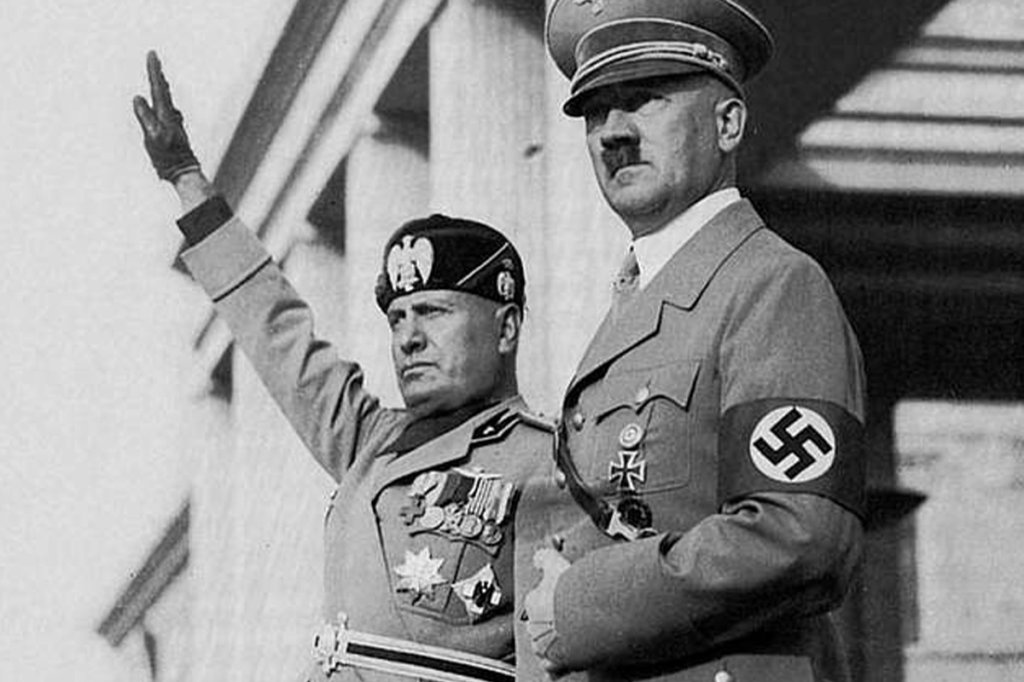
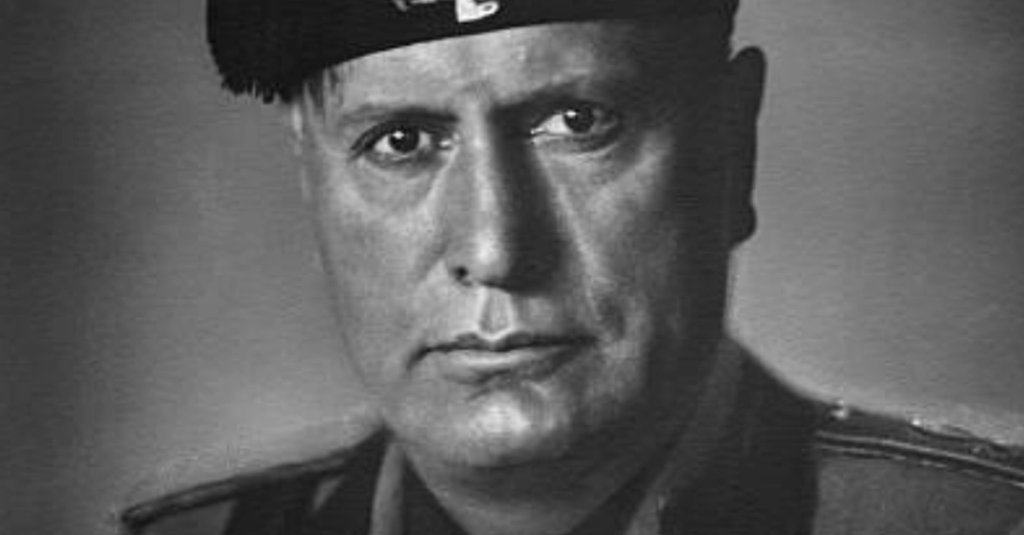
One of the most overlooked reasons behind the Mafia’s cooperation with U.S. Naval Intelligence during World War II was the deep hostility between Italian-American mob leaders and Benito Mussolini’s Fascist regime. For many of these men, helping the American war effort was not simply a matter of protecting their operations or negotiating for favors; it was an opportunity for vengeance against a dictator who had tried to wipe out their families, their traditions, and their power.
When Benito Mussolini rose to power in the 1920s, he quickly identified the Sicilian Mafia as both an obstacle and an embarrassment to his Fascist vision of an orderly, obedient Italy. Determined to prove that his regime could crush any challenge, Mussolini launched an unprecedented campaign to eradicate the Mafia from Sicilian life. To carry out this mission, he appointed Cesare Mori—known brutally and fittingly as Il Prefetto di Ferro, “The Iron Prefect.”
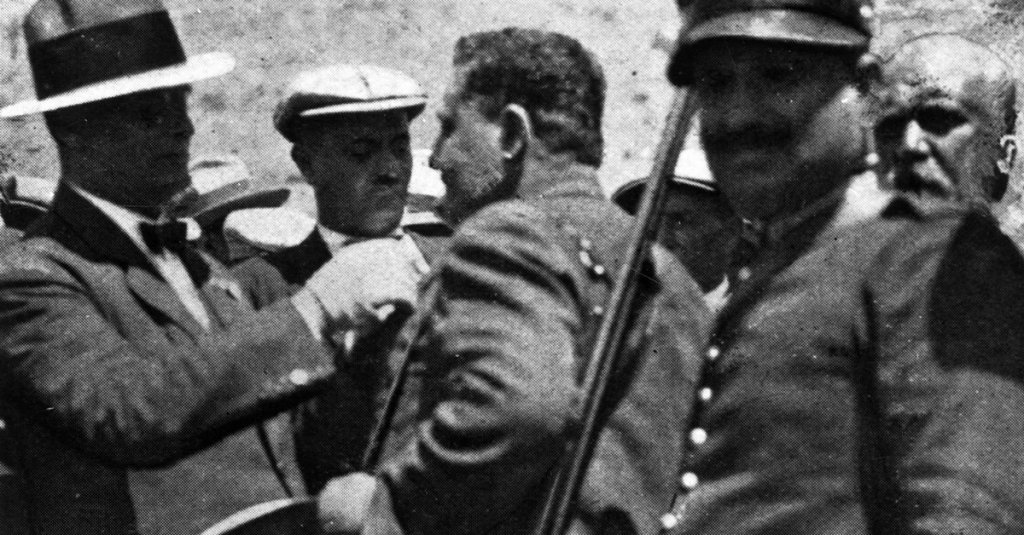
Mori’s assault on the Mafia was relentless. His forces conducted mass raids on Sicilian villages, sometimes surrounding entire towns with armed troops to flush out suspected mafiosi. Civil liberties were suspended, allowing police to make arrests without warrants and subject suspects to interrogation tactics that would have been illegal under ordinary law. Mori publicly humiliated suspected bosses by dragging them into the streets and staging their arrests in front of crowds, deliberately stripping them of the respect and authority that defined their power. Many men received harsh prison sentences based on minimal or ambiguous evidence, and whole families saw their property confiscated, driving them into poverty.
The campaign devastated the Mafia in Sicily. Hundreds of members were jailed, exiled, or forced to flee. Many of those who escaped crossed the Atlantic and rebuilt their lives—and their criminal empires—in the United States. Ironically, Mussolini’s effort to destroy the Mafia in Italy helped fuel the rise of the American Mafia that would later cooperate with the U.S. government in secret wartime operations.
Given this history, it is no surprise that Italian-American mobsters despised Mussolini. For men like Lucky Luciano, the memory of Fascist repression was personal. Many had relatives who were arrested, beaten, or imprisoned during Mori’s campaigns. Others had fled Sicily directly because of Fascist persecution. The crackdown represented not only an attack on individual families but an assault on the honor culture, networks, and hierarchies that shaped Sicilian identity. Their resentment simmered for years, and when the United States went to war against Italy, these mobsters saw an opportunity to strike back.
Jewish underworld figures shared similar motivations. Meyer Lansky, for example, viewed the rise of Hitler, Mussolini, and global fascism as a direct threat to his people. Lansky and the Jewish mob had already been fighting pro-Nazi groups on the streets of New York before the war, and the prospect of aiding U.S. intelligence against the Axis aligned perfectly with their own sense of justice and duty.
Striking Back at Mussolini
For these reasons, Operation Underworld represented more than a transactional arrangement or an exercise in self-preservation. For Italian-American mobsters, cooperation with Naval Intelligence was a way to repay Mussolini’s brutality with direct action. Helping the Allies protect American ports, monitor immigrant neighborhoods, and suppress sabotage was, in their eyes, another way to undermine the regime that had tried to erase them from Sicily. In the complex shadows of wartime America, the Mafia’s motivations were far from patriotic in the traditional sense. Yet their desire to strike back at Fascism, combined with practical benefits they hoped to gain, helped forge this most unusual alliance.
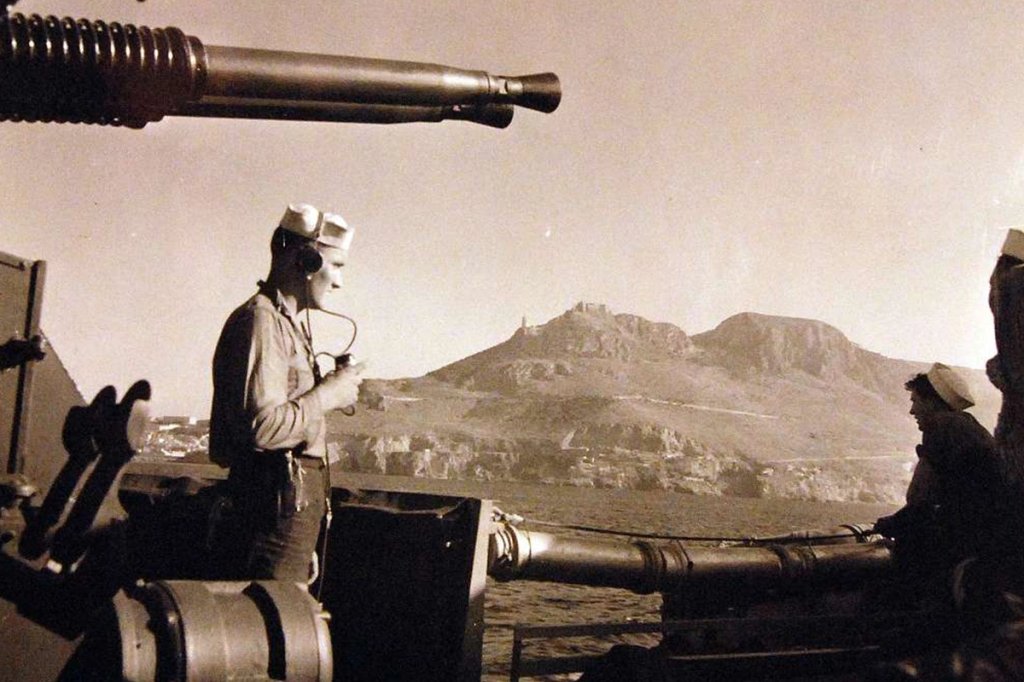
The full extent of Operation Underworld’s success remains partly hidden behind classified documents and lost wartime files, but historians agree that the Mafia’s intelligence contributions were substantial. Following the Normandie disaster, no major Axis sabotage occurred on New York’s waterfront—an extraordinary achievement given the size, chaos, and strategic importance of the harbor.
Mob surveillance exposed foreign sailors asking inappropriate questions about cargo shipments, individuals photographing restricted areas, and men frequenting taverns near the docks who appeared unfamiliar or evasive. Many of these incidents were quietly reported to Naval Intelligence and investigated. Whether through intimidation, intervention, or quick action, the underworld reduced the risk of sabotage in ways government agencies alone could not.
Their influence created an environment where Axis agents dared not operate. Even the possibility of attracting mob attention dissuaded foreign operatives from approaching the waterfront. Fear—an age-old instrument of organized crime—became a tool of national defense.
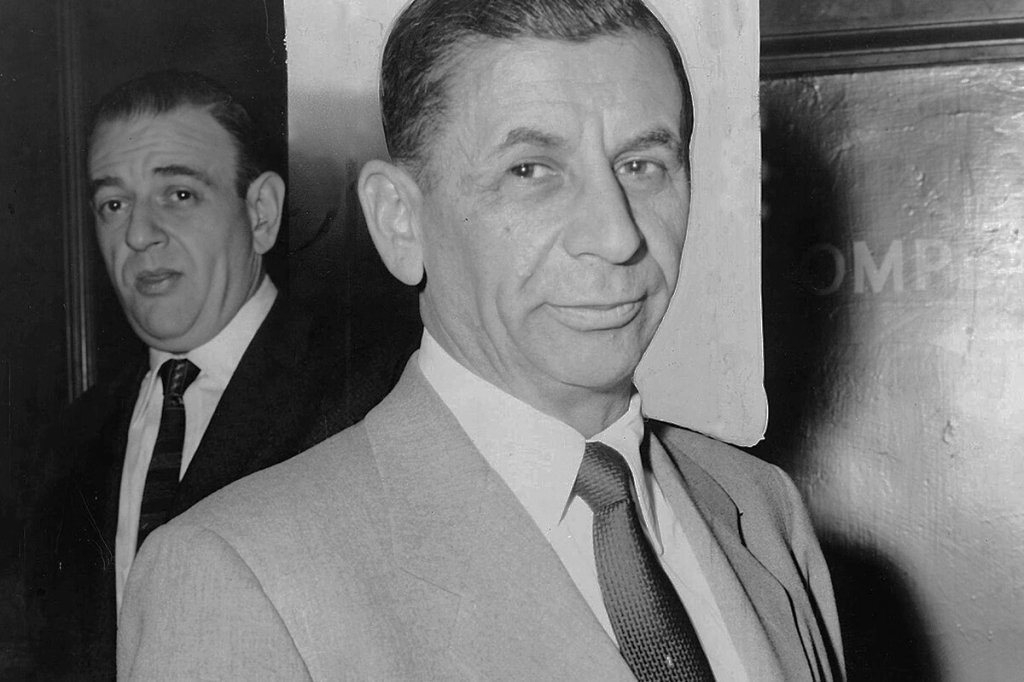
Operation Underworld stands as one of the most morally complex and strategically effective intelligence collaborations of the war. It demonstrated that national survival sometimes requires unconventional choices. The enemy of one’s enemy can become an invaluable ally, even when that ally is a criminal empire.
The partnership also revealed that wars are not always won in traditional battlefields. Sometimes they are secured by invisible alliances, whispered warnings, and the watchful eyes of people who understand the streets better than any trained agent. It remains one of the most surprising examples of how the United States adapted to a wartime threat by using every available resource, even those far beyond the boundaries of conventional state power.
Teaching About Espionage in the U.S. World War II
When I teach my U.S. History students about the World War II home front, Operation Underworld becomes one of the most powerful examples of how wartime pressures blur the lines between strategy, morality, and necessity. It helps students grasp a lesson that recurs throughout history: in moments of crisis, the enemy of my enemy can become my strategic partner.
To bring this complexity to life, I use an “Intelligence Simulation” where students assume roles such as federal agents, dockworkers, mob associates, or enemy spies. They navigate the challenge of securing New York’s wartime waterfront, quickly discovering how difficult it was for the government to function without insider cooperation.
In another activity, students analyze primary sources—ONI reports, newspaper accounts, and photographs of 1940s New York—debating what threats officials perceived and whether the partnership with organized crime was ethically justified. This leads naturally into a classroom debate where students argue for or against the government’s decision to enlist the Mafia’s help. Their arguments often reveal how deeply they’re wrestling with questions of morality, national security, and government responsibility.
We then compare Operation Underworld to other alliances of convenience, such as U.S.–Soviet cooperation during WWII or CIA partnerships during the Cold War. Students see clearly how strategic necessity has often outweighed ideological purity in American history.
These lessons help students understand that the homefront was not simply a place of ration books and victory gardens—it was an arena of espionage, negotiation, and impossible decisions. Operation Underworld becomes their window into a world where the war touched American cities not only through production lines but through shadows, alleys, and whispered deals that shaped the course of the conflict.