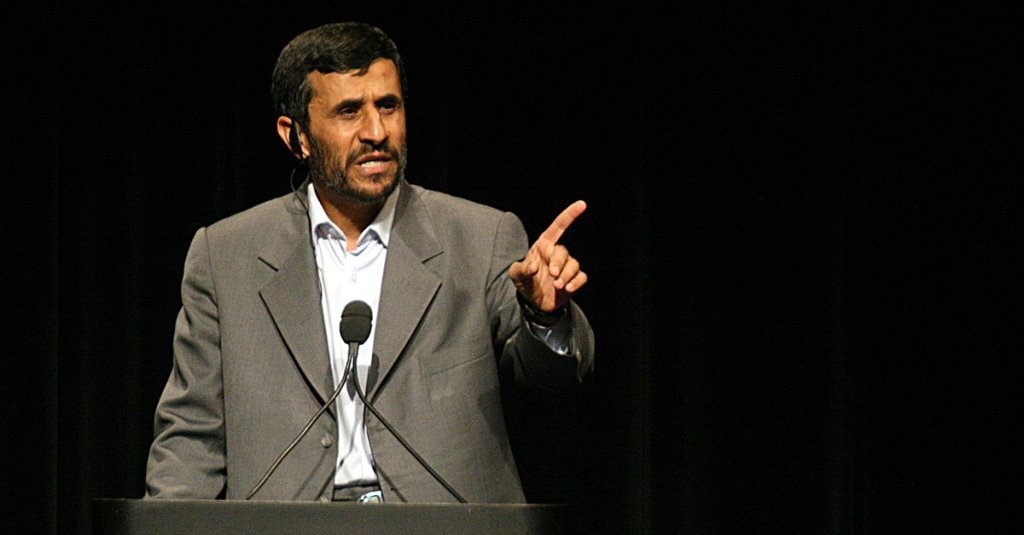
Mahmoud Ahmadinejad, who served Iran as President from 2005 to 2013, was killed in an Israeli missile strike on his residence in Tehran, according to Iranian officials. The report has not yet been confirmed by the United States or Israel. His bodyguards were also killed in the attack. He was 69.
It was during Ahmadinejad’s tenure as president that Tehran first announced its ability to enrich uranium and that Iran had finally become a nuclear state.
At the same time, the then-President of Iran stated that the Iranian nuclear program was for peaceful purposes only, and that development of a nuclear weapon was not only illegal, but against the Shia faith. Despite his assertion and the subsequent fatwa against nuclear weapons from Supreme Leader Ayatollah Ali Khamenei, Ahmadinejad’s rhetoric and actions stoked continuing fear of an Iranian weapon.
Ahmadinejad repeatedly criticized the Christian and Jewish faiths, calling them a “deviation” from the right path, and threatening a government-led crackdown on the practices inside Iran. He also made repeated statements denying the Holocaust, and was accused of calling for Israel to be “wiped off the map.”
A few years after his announcement of Iranian enriched uranium, the Islamic Republic test-fired a missile with a 1,200-mile range.
How Kuwait’s air defenses downed three American F-15 Strike Eagles
All the aircrews survived.

How Eisenhower’s ‘Atoms for Peace’ program started Iran’s nuclear program
While well-intentioned, Ike’s initiative was also short-sighted.
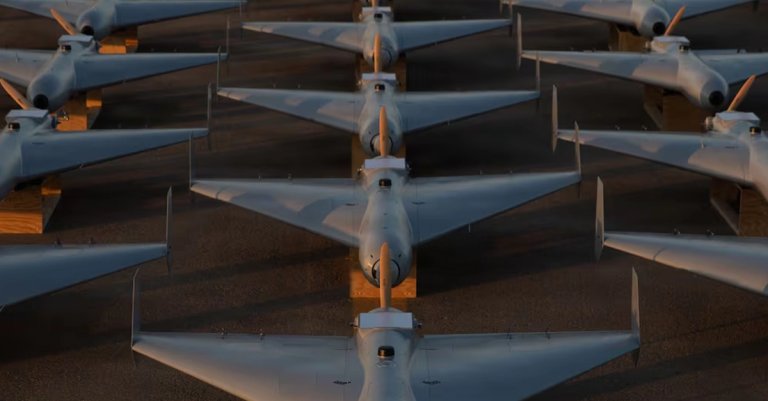
The US is using Iran’s own ‘one-way’ suicide drone against Iran
The Islamic Republic is getting a taste of its own medicine.
For veterans of the Iraq War, however, Ahmadinejad’s lasting legacy is his support for Shia militias operating inside Iraq from 2003 to 2011. The U.S. prepared a trove of evidence showing that his government, via the Islamic Revolutionary Guard Corps (IRGC), smuggled arms and money into Iraq for use against American and Coalition forces, to arm anti-American cleric Muqtada al-Sadr and his Mahdi army, and to form Shiite “death squads.”
When American documents related to the Iraq War were released by WikiLeaks, they revealed that Iranian intervention in the Iraqi insurgency amounted to a “shadow war” between U.S. forces and Iranian proxies. Iraqis were sent to Iran to train as snipers as the IRGC planned the assassinations of Iraqi officials and provided Chinese-made surface-to-air missiles to insurgents.
Most damning, however, is that the Iranian Quds Force provided explosively formed penetrators (EFP) for roadside bombs, giving insurgent-made IEDs the power to punch through U.S. armored vehicles, even those designed to resist conventional IEDs and mines. It is estimated that Iranian-provided EFPs killed or maimed more than a thousand U.S. troops.