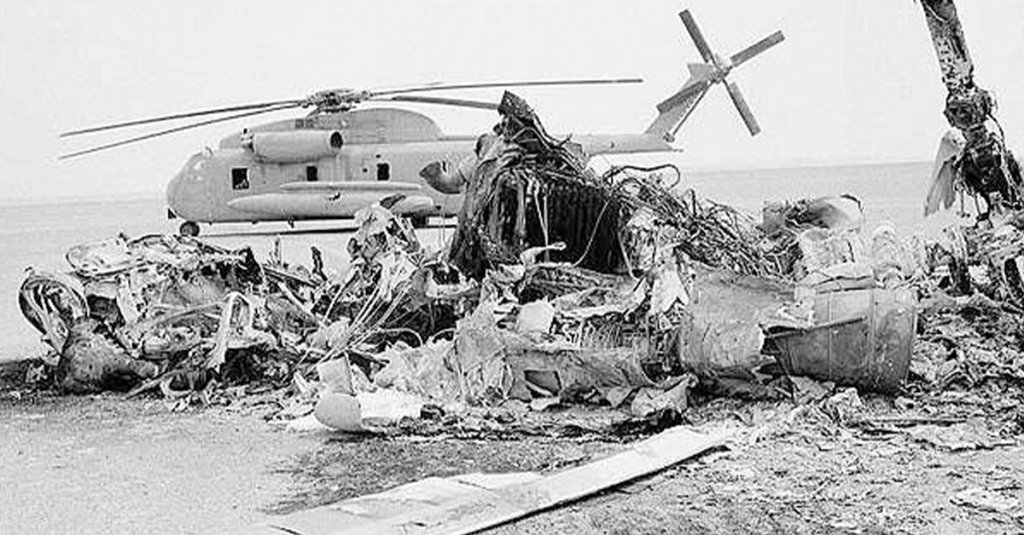
It was April 24, 1980, when Operation Eagle Claw was greenlit. It was a daring mission to rescue American hostages held in Iran but would go down in history as one of the most tragic failures in U.S. military history.
For retired Sgt. Maj. Charles Kiser, the memories of the day remained fresh in his mind, long after the mission.
“I remember looking at my watch and thinking, ‘we’re behind schedule.’ That’s when things started to go wrong,” he said.
Also Read: Eagle Claw: The story behind the failed hostage rescue in Iran
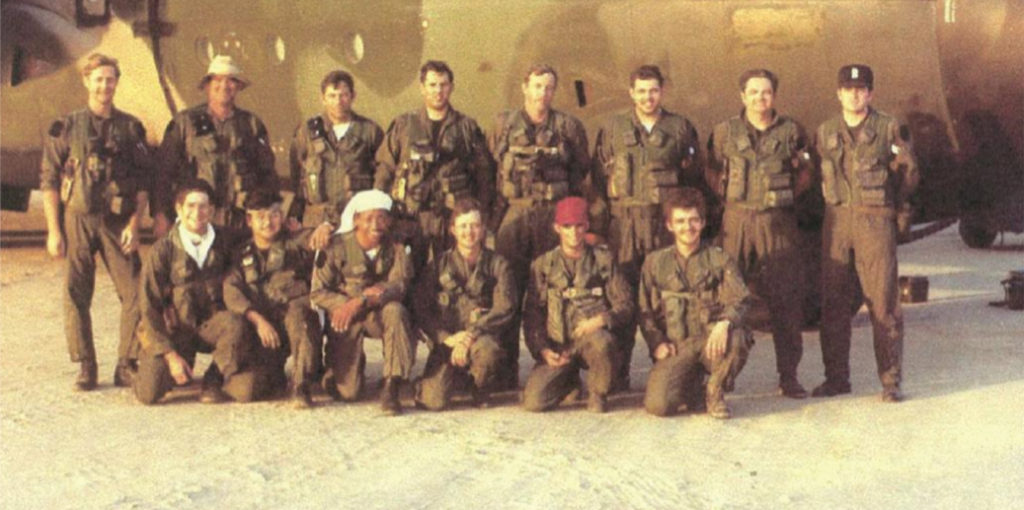
Kiser was part of the ground team tasked with securing the rescue site. He recalled the chaos that ensued when the helicopters crashed, and the mission was aborted.
“It was a huge blow to all of us. We had put everything into this mission, and it failed.”
The mission involved a complex operation that required precision execution, but things quickly spiraled out of control. Helicopters malfunctioned, and accidents happened that led to the death of eight service members. Those who participated in the operation would never forget that fateful day.
Understanding the operation means taking a step back in time and taking a closer look at what life was like on the ground in Iran during those days.
The Iranian Revolution
By the late 1970s, the people of Iran had grown dissatisfied with the authoritarian rule of the Pahlavi Dynasty, the last royal family to rule imperial Iran. The Shah, Mohammad Reza Pahlavi, was supported by the United States, but not all Iranians agreed with his plans to modernize the country.
Some saw him as a secular leader and wanted a more Islamic state. The clashes eventually led to a revolution that ousted the Shah in February of 1979. Ayatollah Ruhollah Khomeini, an Islamic cleric who sought friendship with the Soviet Union, came to power.
Iranians had long been resentful of Western—particularly American—intervention in Iranian affairs. Mohammad Mosaddegh, a democratically elected leader of Iran, was overthrown by Western intelligence agencies in 1953. This led to the reinstatement of the monarchy’s heavy-handed authoritarian rule.
When the Shah finally abdicated for the second time in 1979, Iranians believed their future was in their own hands. What they didn’t know was that Pahlavi was suffering from terminal cancer and that he needed treatment. His advisors asked for permission to get that treatment in the United States.
President Jimmy Carter was fully aware that allowing the Shah to enter the U.S. would lead to violence against Americans in Tehran, especially at the U.S. embassy, which had already seen a storm of violence. Political pressures mounted, especially from former Secretary of State Henry Kissinger and former Vice President Nelson Rockefeller, to assist the former U.S. ally, and Carter eventually capitulated.
In 1980, the Muslim Student Followers of the Imam’s Line stormed the U.S. Embassy in Tehran and took 52 U.S. diplomats hostage, demanding the return of the Shah to Iranian soil. The U.S. considered the taking of the embassy an act of terrorism and refused to comply with the demands.
Desert One
By April of 1980, the hostage crisis had dragged on with no resolution in sight. President Carter ordered the U.S. military to deploy to Tehran to rescue the hostages. It planned an overly complex joint special operation dubbed “Eagle Claw.”
The operation faced problems from the outset, with only five of eight helicopters operational upon arrival in Iran. The poor condition of the helicopters led President Carter to abort the mission. As one helicopter tried to leave Iran, it crashed into another aircraft, killing the service members aboard.
“It was chaotic,” said retired Col. James Kyle, who was at the controls of one of the doomed mission’s helicopters. “We were trying to land the helicopter, and suddenly, the landing gear malfunctioned, and we crashed.”
The crash left Kyle with injuries that would plague him for the rest of his life. Despite the physical scars, however, Kyle remained committed to his service, saying that he was proud to have been a part of Operation Eagle Claw.
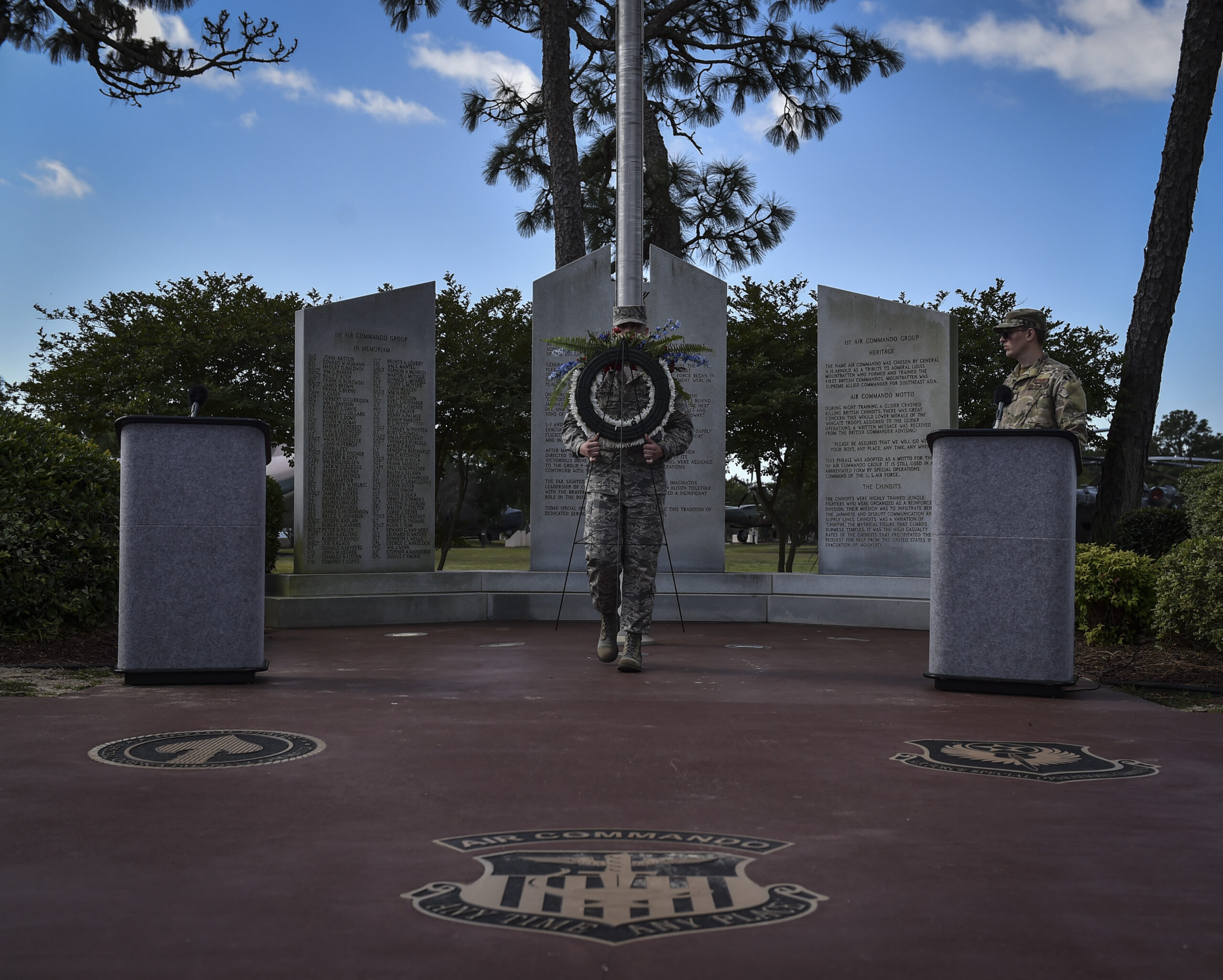
The impact of Operation Eagle Claw went beyond the physical injuries and loss of life. It was a mission that left a lasting emotional toll on those who participated. For many, it was a mission that they would never forget, and one that would shape their lives forever.
Retired Lt. Col. Bill Gowen was another service member who participated in the mission.
“I lost a lot of friends that day,” he said. “It was a tragedy that could have been avoided.”
Despite the mission’s failure, Gowen remained committed to his service and continued to serve his country. He believed that the lessons learned from Operation Eagle Claw would help make future missions more successful.
The failed mission had disastrous consequences. Khomeini used it to strengthen his position as a ruler and to establish Iran as a religious state and an enemy of the West. The hostages remained in the custody of the Muslim Student Followers for a total of 444 days, and they were released on January 20, 1981, the same day that President Ronald Reagan was sworn into office.
The failed mission contributed to President Carter’s re-election loss, and U.S.-Iranian relations have remained strained ever since.