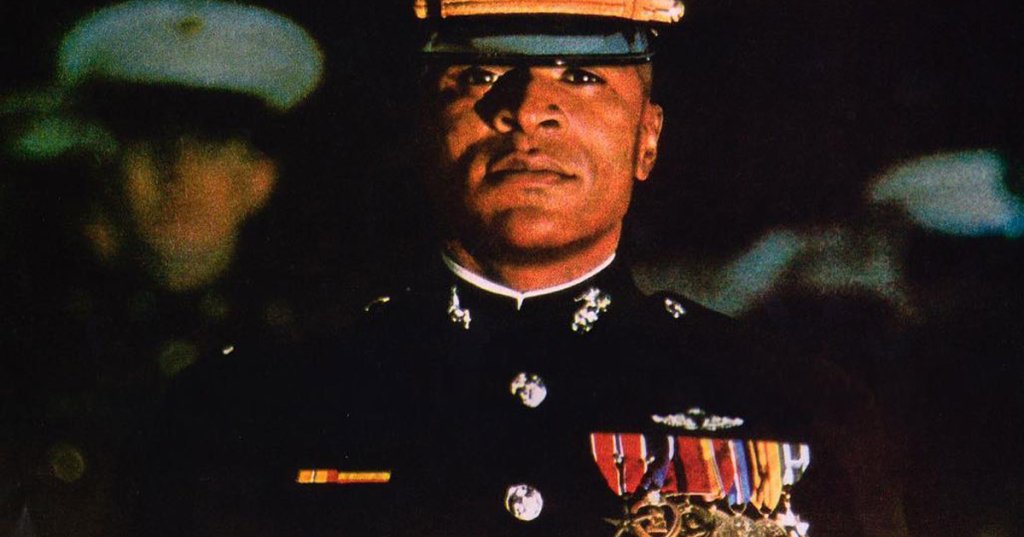
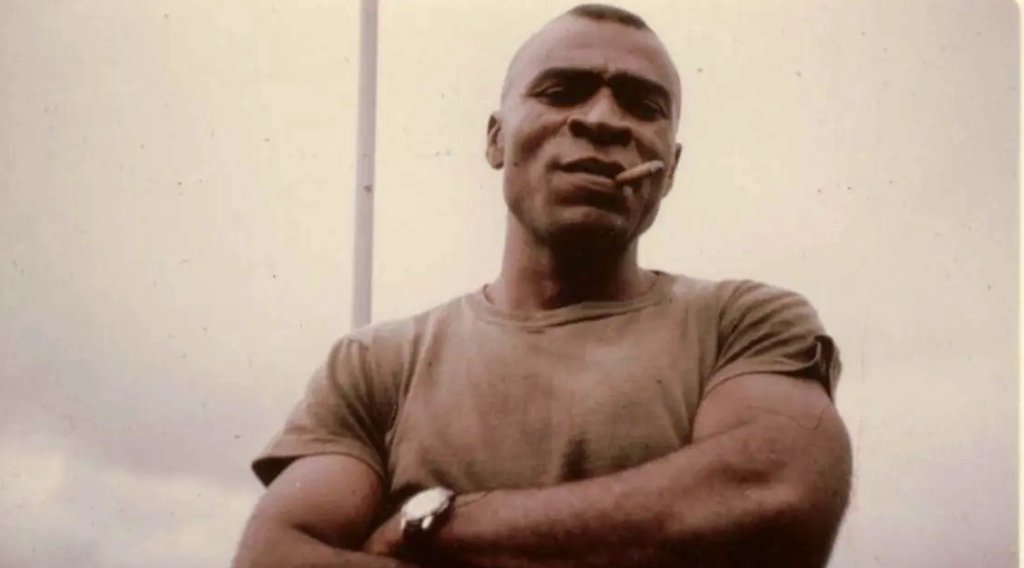
In the long history of the United States Marine Corps, certain names carry a gravity that transcends rank, time, and even official recognition. Among those names is Maj. James Capers Jr., a Force Reconnaissance Marine whose actions in Vietnam have been spoken of with reverence for decades.
He is widely considered one of the most decorated Marines in history, a combat leader who endured catastrophic wounds while protecting his men and a trailblazer who shattered racial barriers within elite Marine units.
His long road to the Medal of Honor was one of the most significant ongoing recognition campaigns in modern military history. Supporters argued that his heroism during a 1967 mission in Vietnam clearly meets the standard for the Medal of Honor and that the award’s absence is due to administrative misfortune rather than a lack of merit.
Also Read: ‘Ask a Marine:’ The inspiring story of the first black man on recruitment posters
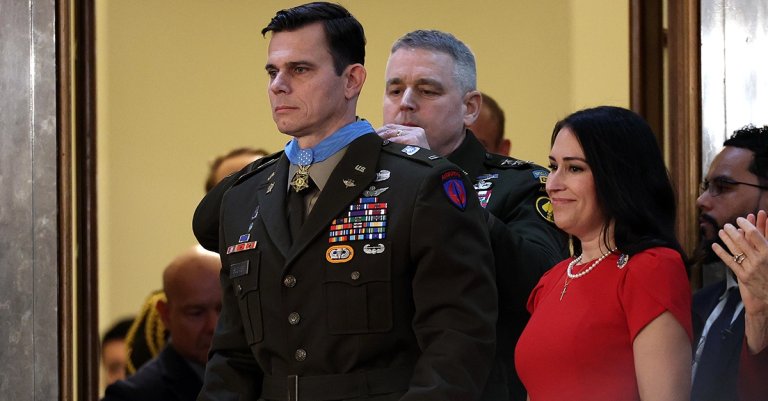
That campaign bore fruit in 2026, as the House and Senate both voted to advance his Medal of Honor and send it to the Resolute Desk for the president’s signature.
For 50 years, Capers had the support of veterans’ organizations, filmmakers, historians, and fellow Marines, who continued to amplify his story. His journey is not simply the story of a single battle or award. It is a story about courage, leadership, perseverance, and the enduring effort to honor those who have given everything for their fellow Marines and their country.
Valor at Phu Loc
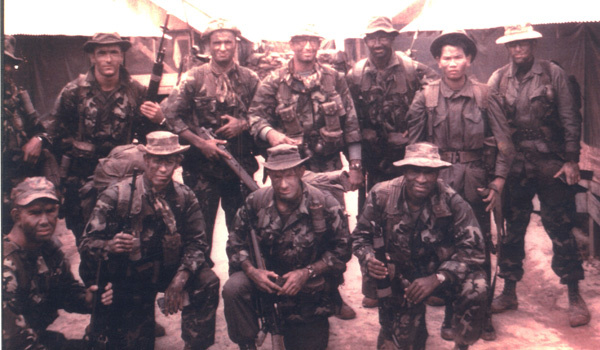
The events at the center of Capers’ nomination took place between Mar. 31 and Apr. 3, 1967, near Phu Loc in South Vietnam. At the time, he was leading a nine-man reconnaissance patrol known as Team Broadminded. As part of 3rd Force Reconnaissance Company, the team operated deep behind enemy lines, conducting surveillance and gathering intelligence on enemy movements.
Force Recon Marines carried out some of the most dangerous missions of the Vietnam War. Operating in small teams with limited support, they relied on stealth, skill, and extraordinary discipline. Discovery by enemy forces often meant being vastly outnumbered and fighting for survival until their extraction could be arranged.
Top Stories
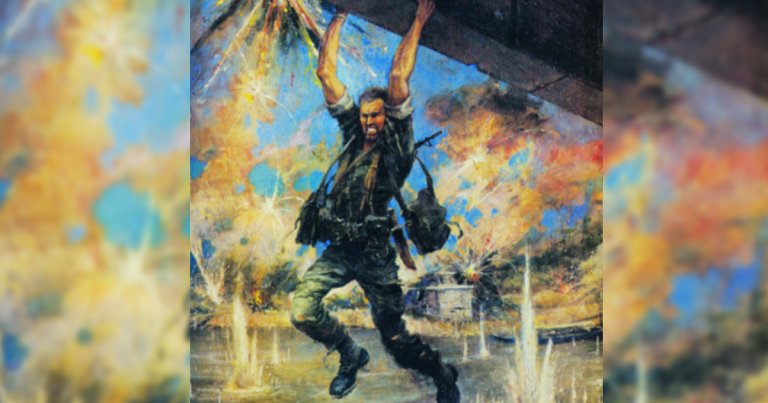
During the mission near Phu Loc, Team Broadminded was ambushed by a large enemy force. The ambush triggered a fierce firefight that quickly turned into a desperate struggle. Capers was struck repeatedly by shrapnel and gunfire. By the end of the engagement, he had sustained 19 wounds, among them was a broken leg. But he refused to relinquish command.
Despite his injuries, Capers continued to direct the defense and coordinate support. He called in artillery fire, organized the movement of his Marines, and maintained control of the situation even as his physical condition deteriorated. At one point, as a helicopter attempted to extract the wounded, it struggled to gain altitude under the weight of those aboard. Capers reportedly tried to sacrifice himself by leaving the aircraft to ensure the others could escape. His Marines and the crew refused to leave him behind.
Only after every member of his team had been safely evacuated did Capers allow himself to be treated. All of the Marines survived. The story of the mission became legendary within the Force Recon community and across the Marine Corps. For those who served with him, it was a defining example of leadership under fire.
A Recommendation Lost to Tragedy
In the aftermath of the battle, Maj. Gen. Bruno Hochmuth, commanding general of the 3rd Marine Division, intended to recommend Capers for the Medal of Honor. He reportedly interviewed the members of Team Broadminded and concluded that Capers’ actions met the criteria for the nation’s highest award for valor.
Before the recommendation could be completed and submitted, however, Hochmuth was killed in a helicopter crash. With his death, the process stalled. In the chaos of war and the complexity of military bureaucracy, the recommendation was never finalized. Over time, the absence of completed paperwork and missed deadlines complicated efforts to revisit the case.
Capers initially received a Bronze Star with “V” for valor. Decades later, after renewed advocacy and review, the award was upgraded to the Silver Star in 2010. While significant, many Marines and historians believe the Silver Star does not fully capture the magnitude of his actions during the 1967 mission.
A Career of Courage and Firsts
Capers’ heroism in Vietnam is only one part of a remarkable career. He is a pioneer who broke barriers within the Marine Corps at a time of significant social change. His achievements helped open doors for future generations of Marines and demonstrated the potential for leadership and excellence across all backgrounds.
He became the first Black enlisted Marine to receive a battlefield commission to officer rank, a rare honor reflecting extraordinary leadership in combat. He later became the first Black Marine to command a Force Reconnaissance company, leading one of the Corps’ most elite units.
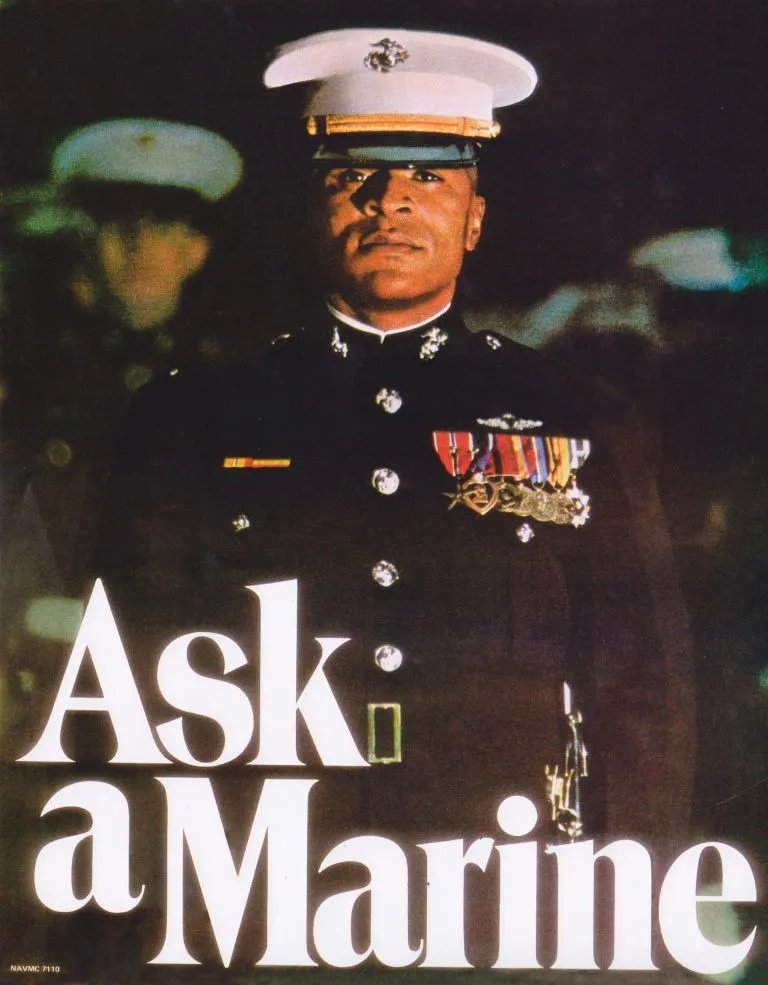
In 1967, Capers also became the face of a major Marine Corps recruiting campaign aimed at young Black men. The campaign sought to highlight opportunities within the Corps and encourage greater diversity in its ranks. His role in the campaign symbolized both his personal achievements and the broader progress taking place within the military.
Over the course of his service, Capers participated in more than 50 classified reconnaissance missions and was wounded multiple times. His leadership and operational expertise contributed to the development of tactics and traditions within Marine special operations. In 2010, he was inducted into the U.S. Special Operations Command’s Commando Hall of Honor as part of its inaugural class, placing him among the most respected figures in special operations history.
A Congressional Effort Renewed
For many of his fellow Marines and supporters, the goal was not only to secure the award but to do so while Capers was still alive to receive it. The latest push to award Capers the Medal of Honor succeeded in doing just that.
On Feb. 3, 2026, the House of Representatives passed H.R. 3377, legislation introduced by Rep. Ralph Norman of South Carolina. The bill authorizes President Trump to award the Medal of Honor to Capers by waiving the statutory time limit that normally governs such decorations. A month later, the Senate approved the measure and sent it to President Trump for signature into law.
For Capers’ supporters, the Medal of Honor is not merely a personal accolade but also a means of ensuring that the historical record accurately reflects what happened in 1967. Recognizing his actions honors not only him but also the Marines who fought alongside him and the generations who have drawn inspiration from his example.
At the same time, his story demonstrates that recognition can take many forms. Through Congressional action, nonprofit advocacy, and documentary storytelling, the effort to honor Capers has brought together a diverse coalition of supporters. Their work reflects a shared belief that acts of extraordinary courage should never be forgotten.
Beyond the Battlefield
As the effort to award the Medal of Honor continues, numerous organizations and individuals have played a critical role in keeping Maj. Capers’ story in the public eye.
United American Patriots, a nonprofit organization dedicated to supporting U.S. service members and veterans, has been at the forefront of the campaign. Led by retired Marine Lt. Col. David “Bull” Gurfein, the organization has worked to raise awareness, gather documentation, and build congressional support. Through petitions, public outreach, and direct engagement with lawmakers, United American Patriots helped ensure that Capers’ case remained in the conversation.
The BLKOPS Foundation was also instrumental in amplifying Capers’ story. Focused on preserving and sharing the histories of service members in special operations forces, the foundation organized events, educational initiatives, and media projects highlighting his legacy. Team Capers, led by Robert L. Zackery III, has been central to these efforts, bringing together veterans, historians, and supporters committed to honoring Capers’ contributions.
One of the most visible outcomes of this work is the documentary film “Iron Major,” available through Amazon as part of the BLK OPS series. The film explores Capers’ life from his early years through his service in Vietnam and the ongoing campaign for the Medal of Honor. By presenting his story through film, the documentary has introduced his legacy to a wider audience and helped generate public support for recognition.
Honoring a Living Legend
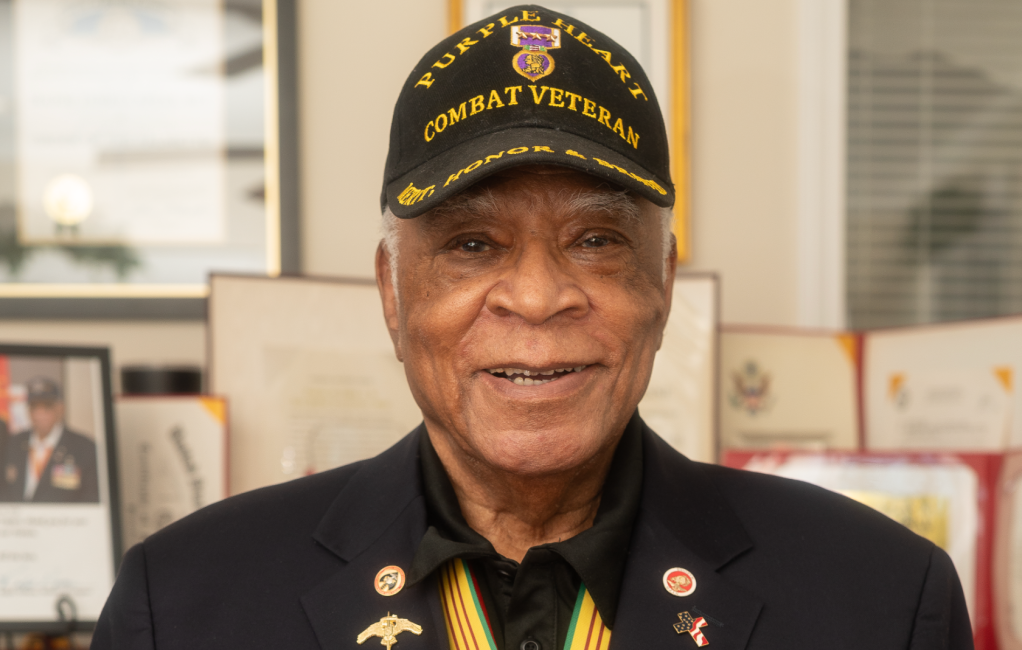
For younger Marines and service members, he represents a living connection to the history and traditions of the Corps. His willingness to share his experiences and mentor future generations has ensured that his influence extends far beyond his time in uniform.
Within the Marine Corps and special operations community, his reputation is already secure. Stories of the mission near Phu Loc are taught and retold as examples of leadership and sacrifice. His career serves as a reminder of the values that define the Corps: honor, courage, and commitment.
Don’t Miss the Best of We Are The Mighty
• Mighty 25: ‘Ask a Marine’ became one of James Capers’ lasting impacts
• The friendly rivalry between ‘Hollywood Marines’ and Parris Island Marines
• 104-year-old Marine continues tradition for Corps’ 250th birthday