As the United States approaches the celebration of its 250th anniversary, the nation is called not only to commemorate its founding but to reflect deeply on the individuals whose sacrifices transformed revolutionary ideals into lasting reality.
This milestone invites Americans to look beyond familiar names and battles and to recognize the global dimension of the struggle for independence. The American Revolution was not fought in isolation. It was part of a broader contest of ideas that crossed oceans, challenged monarchies, and reshaped the modern world.
Related: Nathanael Greene: The Revolutionary War’s most underrated leader
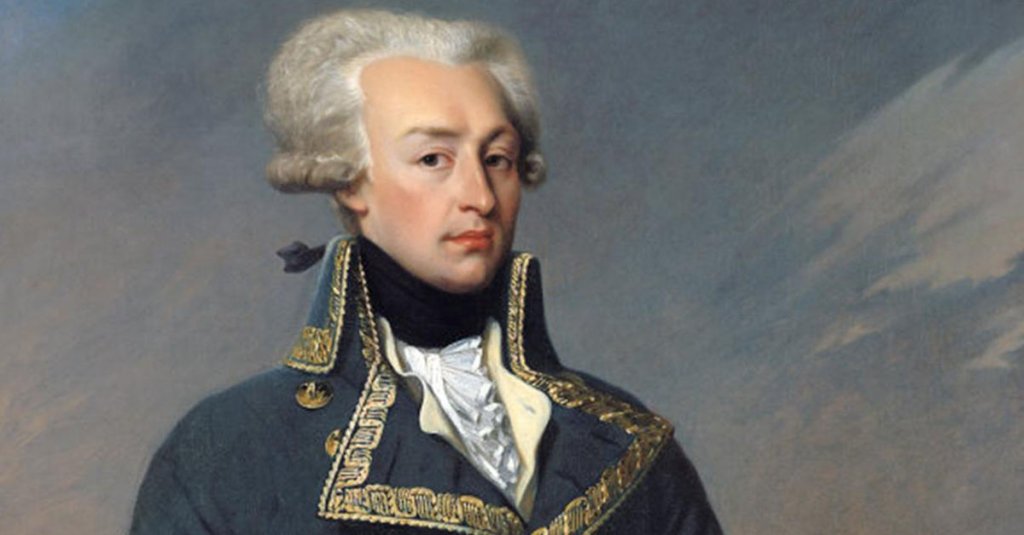
Few figures embody this international spirit more fully than the Marquis de Lafayette. A French nobleman who became an American patriot, Lafayette bridged two revolutions and two continents. His life stands as a testament to the universal appeal of liberty and the power of shared ideals.
As America honors 250 years of independence, Lafayette’s story reminds us that freedom was achieved not only through domestic resolve but through international friendship, sacrifice, and cooperation.
A Young Aristocrat Drawn to Liberty
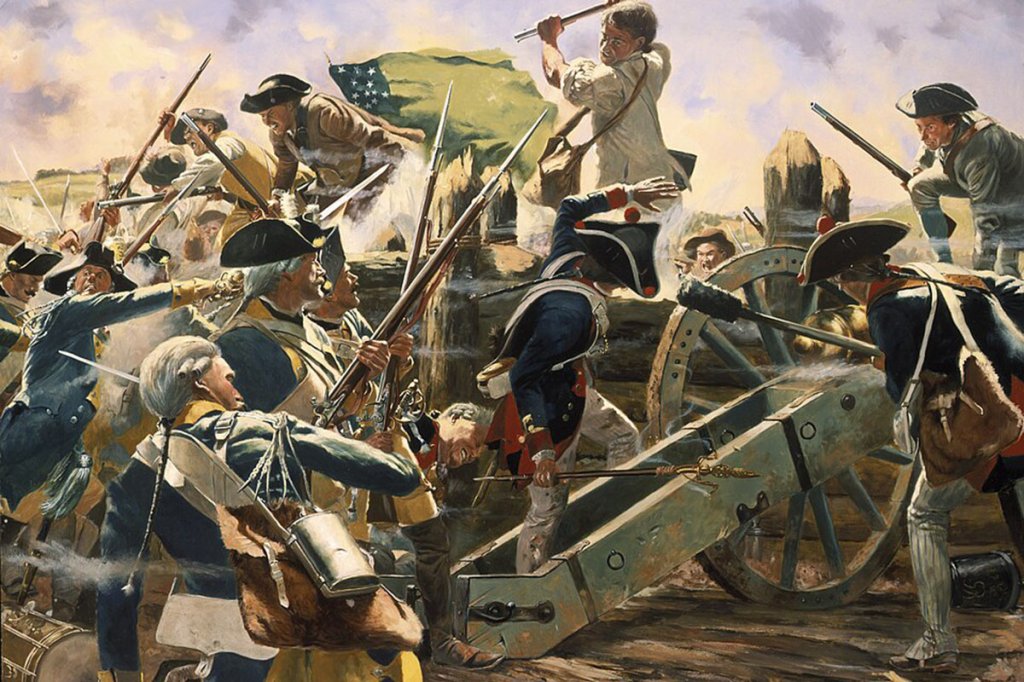
Marie Joseph Paul Yves Roch Gilbert du Motier, the Marquis de Lafayette, was born in 1757 into one of France’s oldest noble families. Orphaned at a young age, Lafayette inherited wealth, title, and privilege. Yet he was restless within the confines of aristocratic life. Educated in military academies and introduced early to court society, he was expected to serve the French crown in conventional ways.
Everything changed when Lafayette learned of the American struggle for independence. Inspired by Enlightenment ideals and the writings of philosophers who championed natural rights, he became captivated by the notion of a people fighting for self-government. Against the wishes of his family and the French court, Lafayette resolved to join the American cause. At just 19 years old, he purchased a ship with his own funds and sailed for America in 1777.
This decision was not merely adventurous. It was a profound ideological commitment. Lafayette risked disgrace, financial ruin, and even imprisonment by defying royal orders. His journey across the Atlantic marked the beginning of a lifelong devotion to liberty that would define his legacy on both sides of the ocean.
Lafayette’s Arrival in America

5 Things You Should Know about the Marquis de Lafayette
When Lafayette arrived in America, the Continental Congress was cautious. Foreign volunteers often arrived seeking rank and glory without offering real value. Lafayette, however, asked for no pay and accepted the rank of major general without command, offering himself simply as a volunteer. This humility distinguished him immediately.
Related: How a plain-language pamphlet created America’s revolutionary mindset
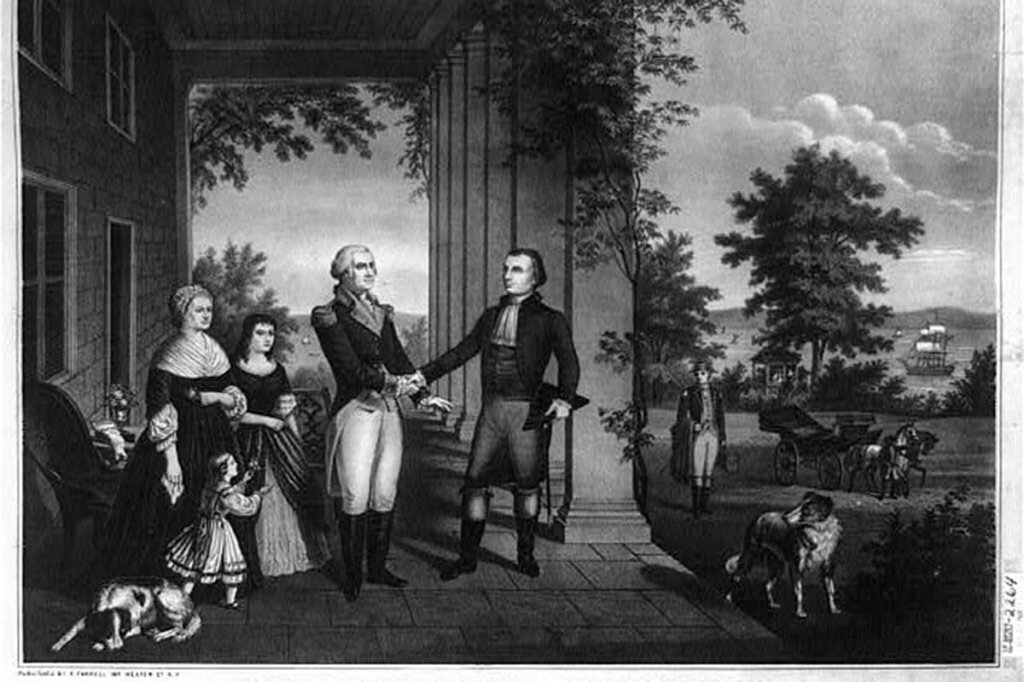
George Washington met Lafayette soon after his arrival and quickly recognized the young man’s sincerity and courage. Despite the age difference of more than 20 years, a deep bond formed between them. Washington became a mentor and father figure, while Lafayette became a loyal protégé and trusted confidant. Their relationship transcended nationality and politics, rooted instead in mutual respect and shared belief in republican ideals.
Washington’s trust in Lafayette would prove well-placed. Over the course of the war, Lafayette demonstrated loyalty not only to Washington but to the cause itself, even when circumstances were bleak.
Baptism of Fire at Brandywine
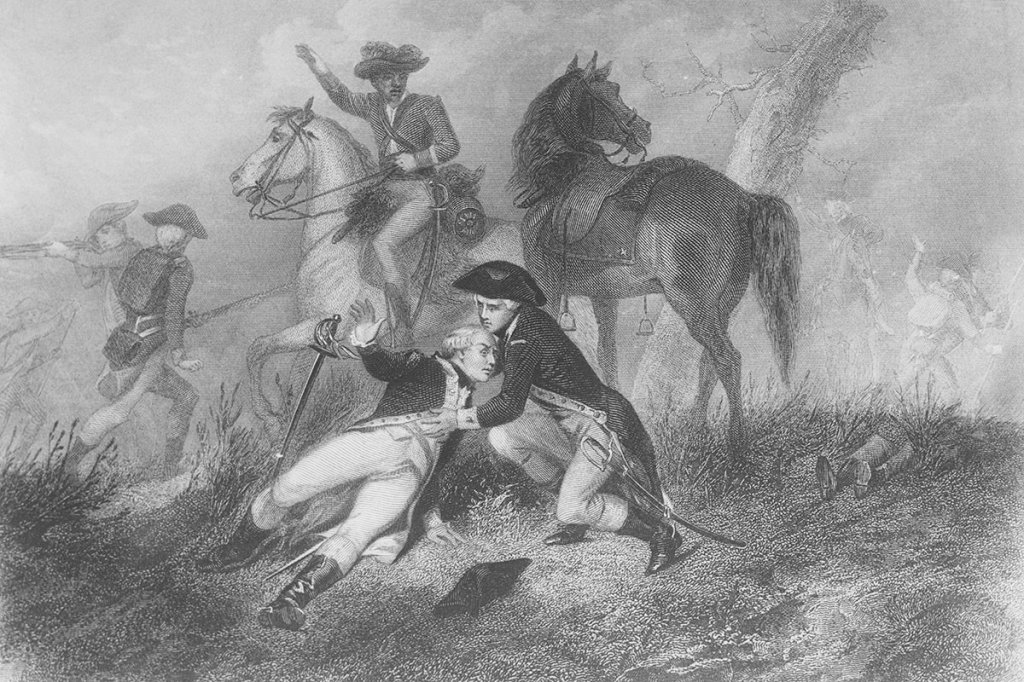
Lafayette’s first major test came at the Battle of Brandywine in September 1777. Facing advancing British forces in Philadelphia, the Continental Army suffered a significant defeat. During the battle, Lafayette was wounded in the leg while rallying American troops during a chaotic retreat.
Despite his injury, Lafayette remained on the field, helping organize an orderly withdrawal and preventing the rout from becoming catastrophic. His courage under fire earned him the admiration of both soldiers and officers. Washington praised his conduct, and Lafayette’s reputation as a capable leader was firmly established.
Brandywine was a defeat, but Lafayette’s actions during the battle symbolized the resilience of the American cause. In a war defined as much by endurance as by victory, his steadfastness became an inspiration.
America’s Darkest Hours

The winter of 1777 and 1778 at Valley Forge marked one of the lowest points of the revolution.
Soldiers endured hunger, cold, and disease while political divisions threatened unity. Lafayette remained with the army, sharing hardships and reinforcing morale. Unlike some foreign officers who grew disillusioned, Lafayette’s commitment only deepened.
During this period, Lafayette also played a subtle political role. He defended Washington during the Conway Cabal, a plot by disgruntled officers and politicians to undermine Washington’s command. Lafayette’s loyalty helped preserve unity within the army at a critical moment.
His presence reassured American soldiers and French observers that the cause was worth continued support. Lafayette was becoming not only a military leader but a symbol of international faith in American independence.
A Bridge to France
Perhaps Lafayette’s most important contribution came not on the battlefield but in diplomacy. His unique position as a French noble fighting for American independence made him an ideal intermediary between the Continental Congress and the French court.
In 1779, Lafayette returned to France on a diplomatic mission. There, he used his personal influence to advocate for greater French involvement in the war. He argued passionately that American independence would weaken Britain and advance the cause of liberty worldwide. His credibility was unmatched. He spoke not as an outsider but as a veteran of American battlefields.
Lafayette’s efforts helped secure the commitment of French troops, naval forces, and financial support. The arrival of French armies under Rochambeau and the decisive role of the French navy would prove critical in the war’s final act. Lafayette’s diplomacy helped transform the conflict from a colonial rebellion into a global struggle.
The Road to Yorktown

Battle of Yorktown – Story of Us
In 1781, Lafayette returned to America and was given independent command in Virginia. Though still young, he now possessed significant experience and Washington’s full confidence. His task was to contain British forces under Gen. Cornwallis while avoiding decisive engagement.
Lafayette demonstrated strategic maturity well beyond his years. He used mobility, intelligence, and local militia support to harass British movements, disrupt supply lines, and prevent Cornwallis from escaping. Though outnumbered, Lafayette maintained pressure while preserving his force.
These actions played a crucial role in setting the stage for the Siege of Yorktown. By keeping Cornwallis confined to the Virginia peninsula, Lafayette helped create the conditions for Washington and Rochambeau to deliver the decisive blow.
When Yorktown fell in October 1781, Lafayette was present to witness the culmination of the cause he had embraced as a teenager.
The Symbol of Franco-American Friendship
Lafayette’s role at Yorktown symbolized the success of the Franco-American alliance. American and French forces fought side by side, demonstrating that cooperation across cultures and nations could achieve what neither could accomplish alone. Lafayette stood at the center of this partnership, respected by soldiers of both armies.
His presence reassured Americans that France was a genuine ally rather than a distant patron. At the same time, his reports to France highlighted American resolve and competence, strengthening mutual trust. Lafayette became a living embodiment of transatlantic unity.
Return to France and the French Revolution
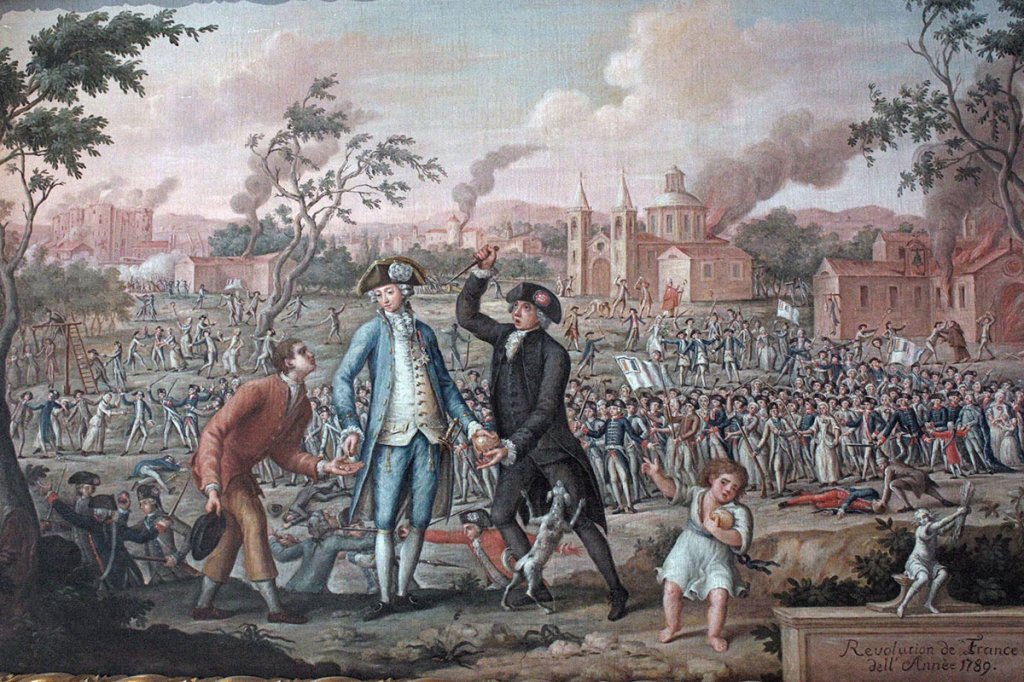
After the war, Lafayette returned to France as a hero. He carried with him not only prestige but revolutionary ideals shaped by his American experience. When the French Revolution erupted in 1789, Lafayette sought to guide it toward constitutional reform rather than radical violence.
He played a leading role in drafting the Declaration of the Rights of Man and of the Citizen, drawing inspiration directly from American principles. Yet the French Revolution proved far more volatile than its American counterpart. Lafayette’s moderate stance ultimately left him isolated between extremes.
Despite personal setbacks, his lifelong commitment to liberty remained unwavering. He had become a revolutionary not bound to one nation but to universal ideals.
Lafayette’s legacy in the United States is unique. He was not a native son, yet few foreigners have been embraced so fully by the American people. Cities, counties, streets, and schools bear his name. When he returned to the United States for a grand tour in 1824 and 1825, he was welcomed as a national hero by an entire generation that owed its freedom in part to his sacrifices.
George Washington’s family regarded Lafayette as kin, and his memory was preserved as a symbol of friendship and shared struggle. Lafayette’s service demonstrated that the American Revolution was not merely a national event but a chapter in a global movement toward liberty.
A Revolutionary for All Nations
As America prepares to celebrate its 250th anniversary, the story of the Marquis de Lafayette offers a powerful reminder of what the Revolution represented. It was not only a fight for independence but a declaration that liberty belongs to all people willing to defend it.
Lafayette crossed an ocean for an idea. He shed blood for a nation not his own. He devoted his influence to uniting two peoples in a common cause. In doing so, he became the bridge between two revolutions and two worlds.
Honoring Lafayette during America’s semiquincentennial is more than an act of remembrance. It is a reaffirmation of the ideals that continue to define the nation. His life reminds us that freedom is strengthened when shared and that the cause of liberty has always reached far beyond America’s shores.