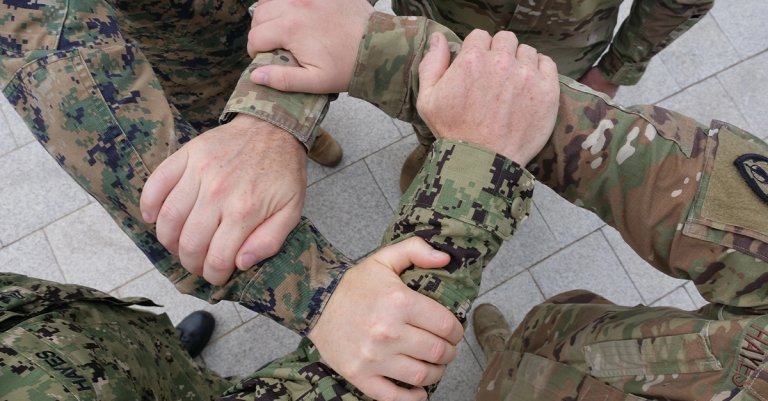
When Americans think of the Green Berets, they picture a brotherhood of elite soldiers capable of operating deep behind enemy lines, blending language, culture, and tactical mastery to accomplish impossible missions. But the roots of this ethos—the spirit of unconventional warfare and liberation—stretch back far earlier than the 20th century.
Related: A secret Cold War unit was the basis for today’s special operations
Before there were Special Forces, before there was even a Green Beret, there were the Black Seminole Scouts, a remarkable group of freedom fighters and frontiersmen who helped shape the philosophy, tactics, and legacy of what would become America’s most respected elite military units.
From the Swamps of Florida: The Birth of a Fighting Tradition
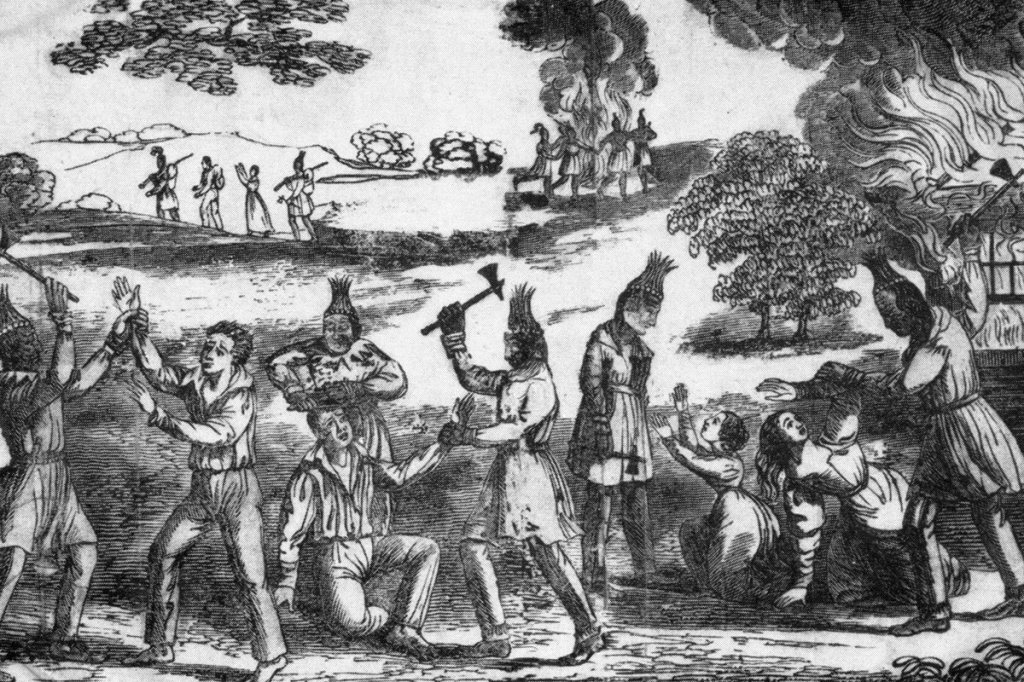
The story begins in Spanish Florida during the late 18th and early 19th centuries, when enslaved Africans from the Carolinas and Georgia fled bondage and found refuge among the Seminole people, a diverse group of Creek refugees, Indigenous Floridians, and escaped Africans. Over generations, these communities intermarried and forged a shared culture built on resilience, autonomy, and survival. They became known as the Black Seminoles or Seminole Maroons.
During the First Seminole War (1817–1818), the U.S. Army, under Gen. Andrew Jackson, invaded Spanish Florida to suppress Seminole resistance and capture escaped slaves. The Black Seminoles proved to be some of Jackson’s most skilled adversaries, experts in guerrilla tactics, camouflage, and mastery of terrain. They conducted ambushes, nighttime raids, and misinformation campaigns centuries before modern “irregular warfare” doctrines were codified.
In the Second Seminole War (1835–1842), America’s longest and costliest Indian conflict, the Black Seminoles again played a decisive role. Leaders like John Horse (Juan Caballo) and Chief Coacoochee (Wild Cat) led small bands that repeatedly outmaneuvered federal troops in the Everglades’ unforgiving swamps. They pioneered tactics that today would be described as hit-and-run operations, intelligence gathering, and psychological warfare concepts later embraced by Special Forces units in Vietnam and beyond.
One of their most daring actions came in 1837, when Coacoochee and John Horse escaped captivity at Fort Marion (Castillo de San Marcos) in St. Augustine. Their breakout inspired renewed Seminole resistance, prolonging the war and frustrating U.S. commanders who underestimated their opponents’ strategic intelligence.
To the Frontier: The Black Seminole Scouts of Texas
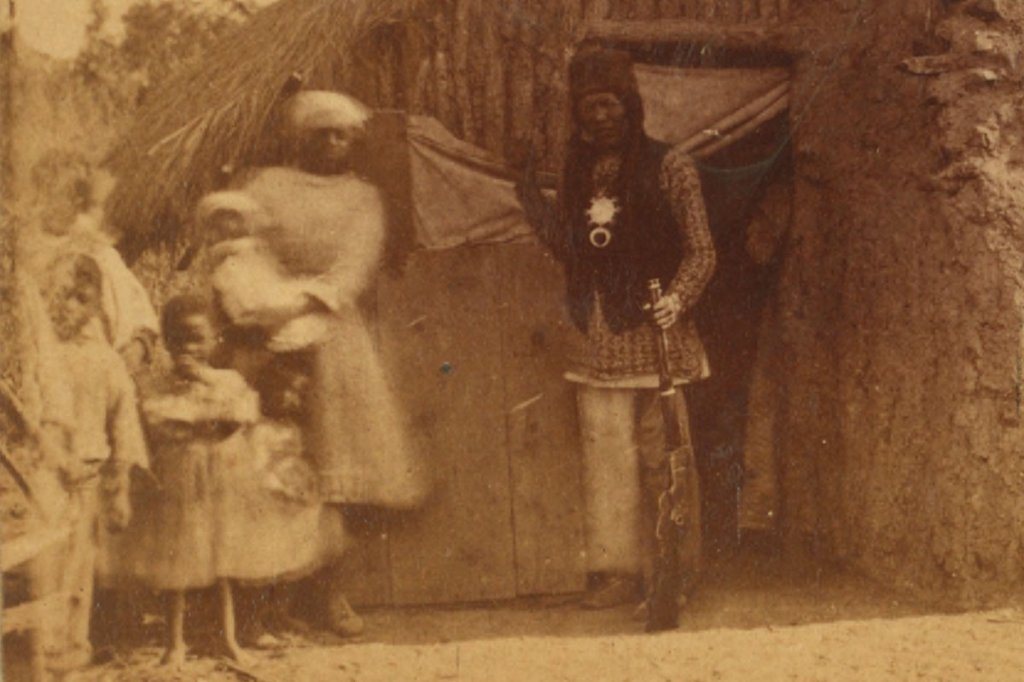
After the wars, many Seminoles, including the Black Seminoles, were forcibly relocated west to Indian Territory (modern-day Oklahoma). But faced with persecution from slave catchers and hostile neighbors, many fled again, crossing into northern Mexico, where they were welcomed as frontier defenders against Apache raids.
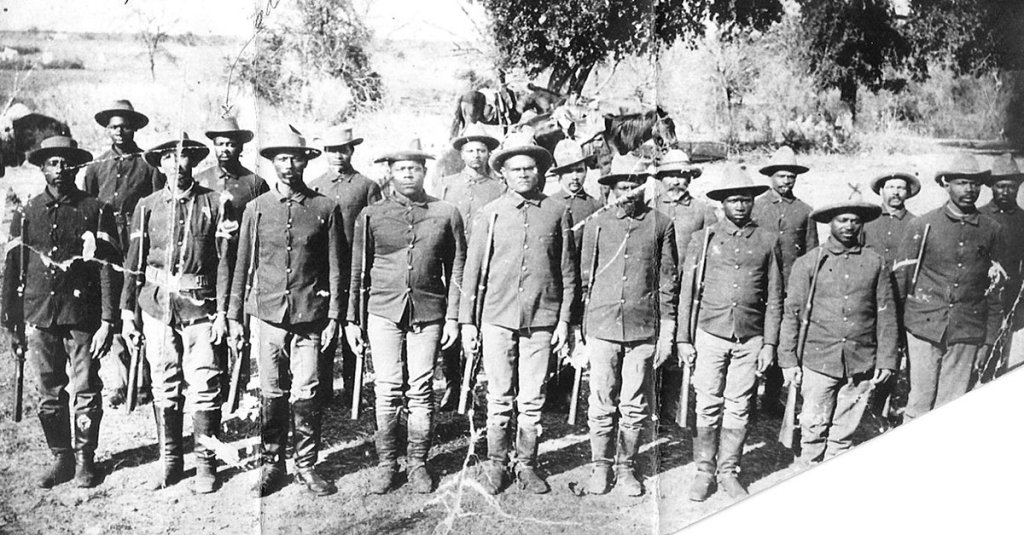
By the 1870s, the U.S. Army sought skilled trackers to police the volatile Texas-Mexico borderlands. Recognizing their unmatched ability to survive and fight in harsh environments, the U.S. Army recruited the Black Seminole Scouts in 1870, stationing them at Fort Duncan and later Fort Clark, near Brackettville, Texas.
Under the command of officers like Lt. John L. Bullis, the Black Seminole Scouts became legends. They served with distinction in dozens of cross-border campaigns, often outnumbered and facing perilous conditions. Their heroics earned four Medals of Honor:
- Sgt. John Ward for gallantry in action against hostile Lipan Apaches at the Pecos River (1875).
- Trumpeter Isaac Payne, Cpl. Pompey Factor, and Pvt. Adam Payne for rescuing Lt. Bullis during a skirmish at the Las Moras River in 1875.
Their tactics, stealth movement, long-range reconnaissance, small-unit raids, and deep insertion into enemy territory mirror precisely what Special Forces teams would later perfect. They were the original quiet professionals, operating with minimal support but maximum effect.
World War II: The Revival of the Frontier Ethos
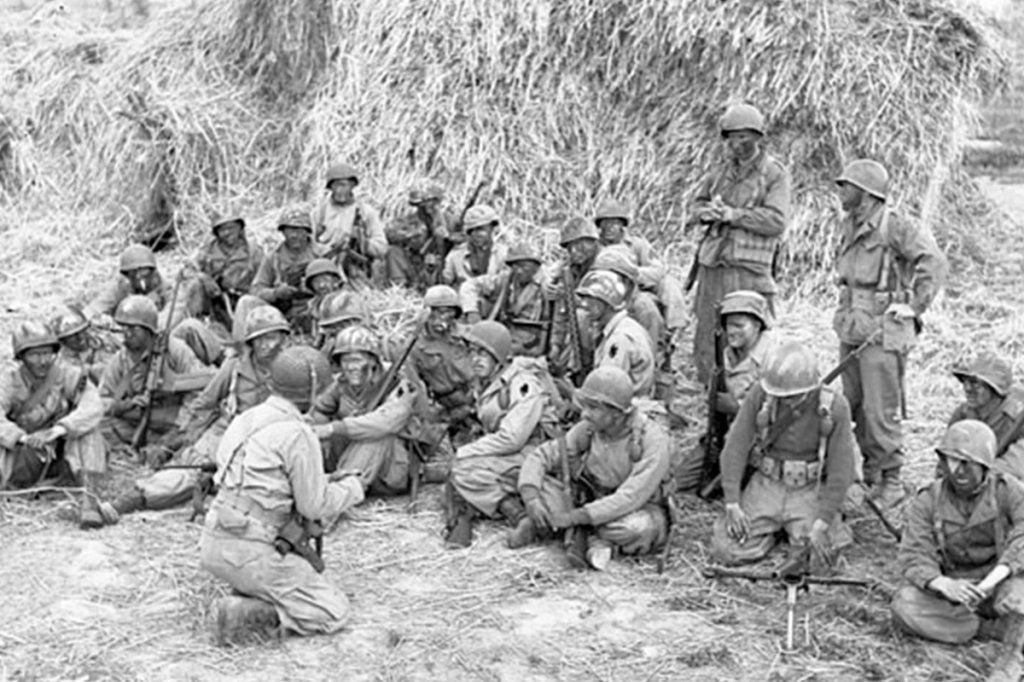
Fast-forward to World War II, when the U.S. and Canada created the First Special Service Force (FSSF) in 1942, a top-secret commando unit designed for mountain warfare, sabotage, and infiltration behind enemy lines. Known as “The Devil’s Brigade,” they fought heroically in Italy and France, earning a reputation for toughness and stealth that terrified Axis forces.
To honor their spiritual predecessors, the FSSF adopted the “crossed arrows” insignia, originally used by the U.S. Army Indian Scouts in the 19th century. The insignia represented stealth, courage, and mastery of wilderness combat, all hallmarks of the Black Seminoles’ legacy.
When the U.S. Army Special Forces were officially activated on June 19, 1952, under Col. Aaron Bank, the Green Berets inherited not only this symbol but also the mindset of their predecessors. They became the modern embodiment of America’s frontier warriors—adaptive, disciplined, and deeply aware of cultural terrain.
“De Oppresso Liber:” To Free the Oppressed
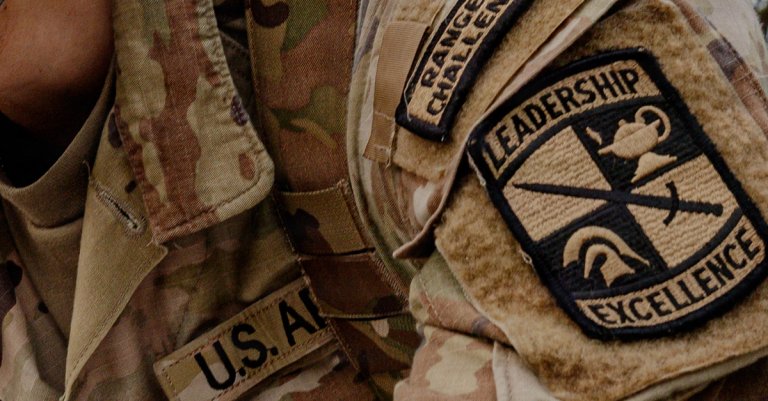
The Green Berets’ motto, “De Oppresso Liber,” is more than Latin; it’s a creed. It translates to “To Free the Oppressed,” and it captures the moral core of Special Forces philosophy: empowering others to fight for their own freedom.
Adopted in 1955, this motto reflects the same principle that guided the Black Seminoles generations earlier. They too fought for freedom—first their own, then for others on America’s frontiers. The phrase embodies unconventional warfare’s central mission: not to conquer, but to enable training, advising, and assisting local forces to resist oppression, just as the Black Seminoles once fought to preserve their autonomy.
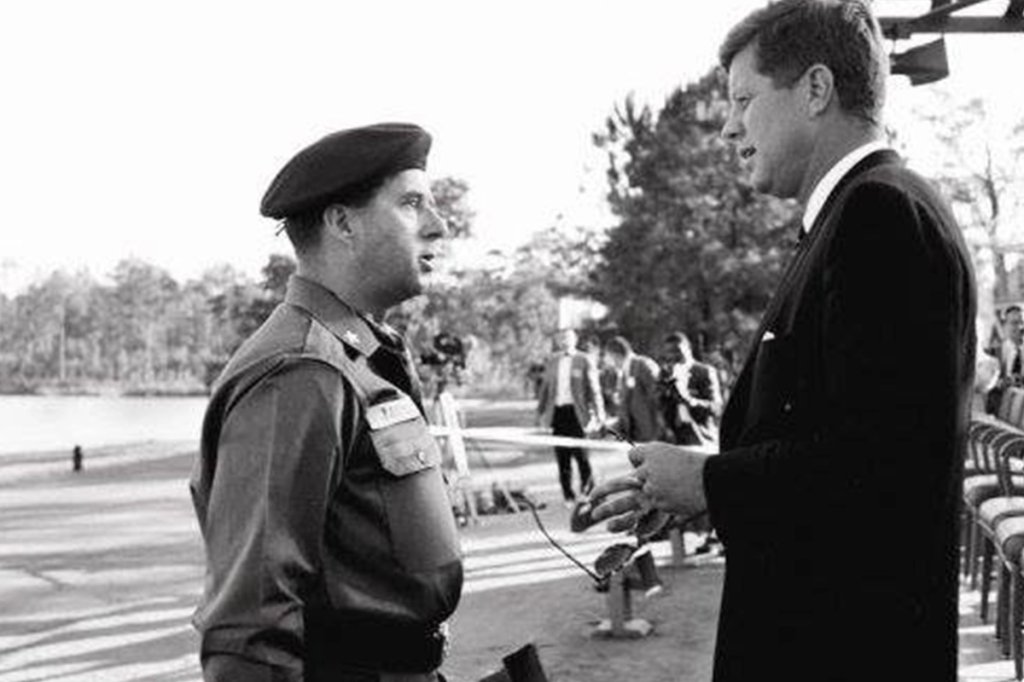
The Green Beret itself, authorized by President John F. Kennedy in 1961, became a worldwide symbol of this mission. Kennedy called it “a symbol of excellence, a badge of courage, a mark of distinction in the fight for freedom.”
From the jungles of Vietnam to the mountains of Afghanistan, every Green Beret who dons that beret carries the spirit of those who came before—warriors like the Black Seminole Scouts, whose struggle for liberty became America’s living legacy of resistance.
House Bill 1329: Florida’s Commitment to Teaching Veteran History
In 2024, Florida passed House Bill 1329, requiring schools to teach students about the contributions of military veterans, including the heroic legacy of the Black Seminole Scouts. The law also mandates instruction on Veterans Day and Memorial Day across all grade levels (K–12).
This ensures that the stories of America’s veterans, especially those from underrepresented groups, are not forgotten. The Black Seminoles’ service shaped both Florida’s frontier history and the national military tradition that continues today. Their inclusion in the curriculum is not only overdue but vital to understanding the multicultural foundations of American military excellence.
Legacy: Crossed Arrows Through Time
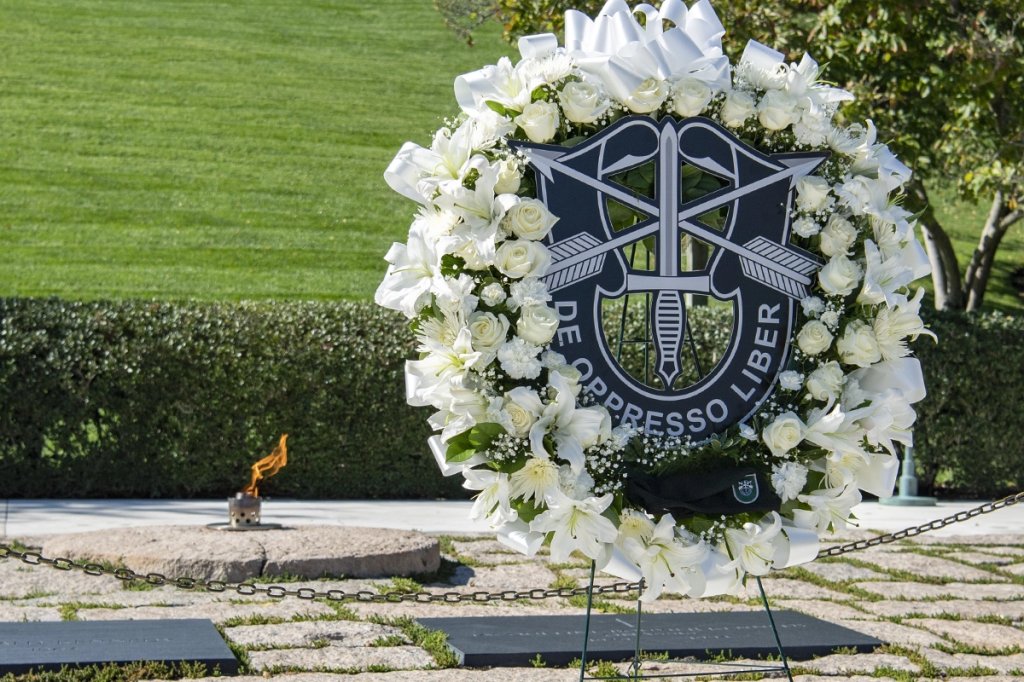
The crossed arrows insignia, once sewn onto a Black Seminole’s tunic at Fort Clark and now proudly worn by Special Forces soldiers, remains the bridge between two worlds: the untamed frontiers of the 19th century and the global battlefields of the 21st. The Black Seminole Scouts weren’t just frontier fighters; they were innovators, cultural connectors, and pathfinders. Their legacy lives on in every Green Beret who works with indigenous partners, teaches local forces, and fights oppression wherever it hides.
In honoring them, we honor the truest essence of America’s warrior spirit.
“De Oppresso Liber.” To Free the Oppressed.
A motto born from a centuries-long struggle for liberty.
A mission carried by the quiet professionals.
A story that began in the swamps of Florida and continues on battlefields across the world.
Organizations like the BLK OPS Foundation are leading the charge to bring this history to classrooms across the country. Through veteran-led storytelling, mentorship, and interactive educational programs, BLK OPS links Special Operations heritage to youth empowerment and historical education. Their work is part of a growing movement to recover and teach hidden narratives—including that of the Black Seminoles—that reflect the real diversity and complexity of America’s past. To learn more about their efforts, visit www.blkopsfoundation.org.