The 20th century wasn’t a bloody, violent century simply because there were more wars or more people around to fight them. One of the first wars of the century ushered in an entirely new era of warfare, one that was mechanized, industrialized, and efficient. Wars of previous years were already bloody and violent. New technology just increased the violence exponentially.
As scientific advancements progressively continued, the use of those advancements as a means of killing the enemy continued along with them, resulting in some of the bloodiest battles in history. The new technologies developed for warfare included automated rifles, chemical weapons, and, of course, aviation. With those advancements came ideological and social struggles that heightened tensions and provided an opportunity to use those weapons.
The result was a century littered with the bodies of millions, sometimes in single conflicts or battles.
1. Stalingrad
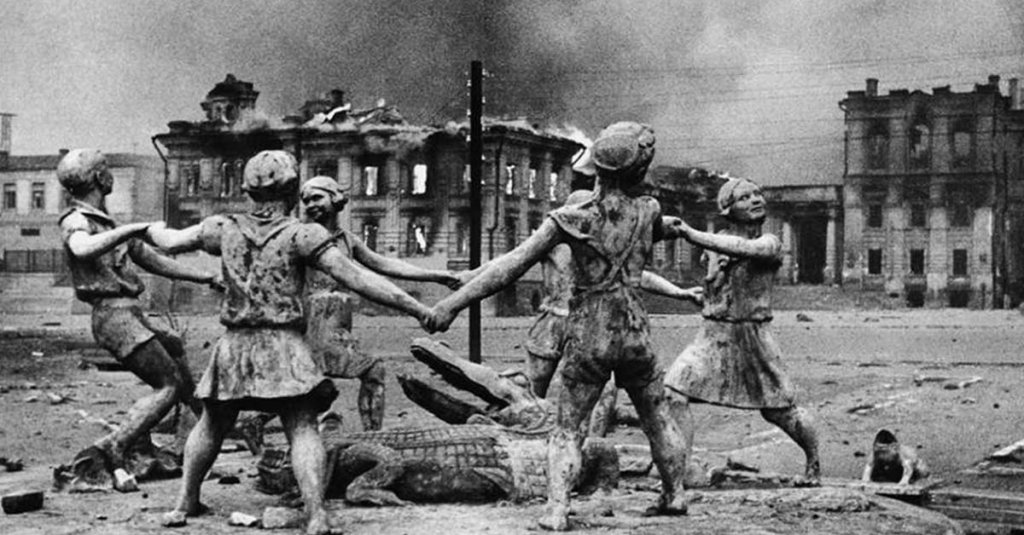
No one should be surprised that many of the bloodiest battles on this list will be from World War II. When counted as two separate conflicts, both theaters of the war will be long remembered as some of the most brutal fighting in history. The top two battles on this list will be from the Eastern Front of that war. The human cost of competing ideologies and advanced technologies can be seen in no better place than the 1942-1943 Battle of Stalingrad.
Stalingrad was not just a major industrial and transportation hub for the Soviet Union; it was the namesake of Adolf Hitler’s ideological rival, and Hitler wanted to take and hold it at all costs. This is exactly what happened: it may have cost Hitler and the Third Reich everything. Rather than advance into the Soviet Union, the German Army was bogged down at Stalingrad, as the Red Army fought on with an seemingly endless number of men and tanks.

Within just a few months, the Soviets were able to surround the Axis forces and trap them within the city, forcing their surrender. It turned the tide of the war, not just for the USSR, but also for the Allies. More than 860,000 Axis troops were killed, wounded, or disappeared at Stalingrad. The Soviet Union lost some 1.2 million.
2. Moscow
Hitler’s June 1941 invasion of the Soviet Union led his armies to the outskirts of the Soviet capital of Moscow by Oct. 2, 1941. For three months, the two sides fought for control of the USSR’s capital and largest city. The Germans were met by three rings of Red Army defenses and thousands of newly-formed units, as well as troops shipped in from the Soviet Far East.
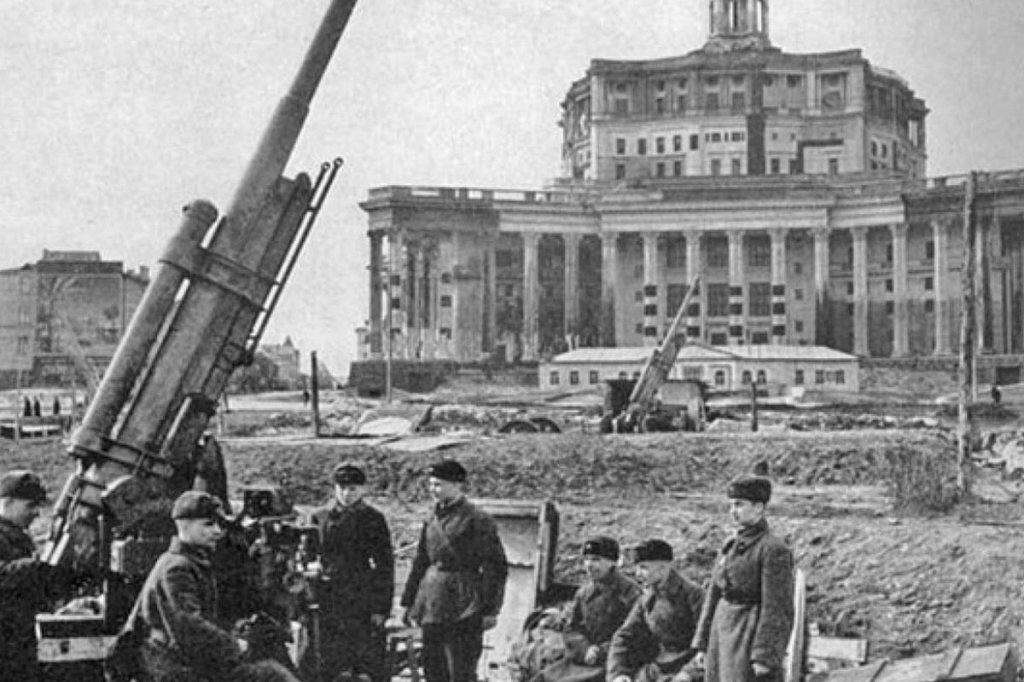
In that time frame, the Soviets counterattacked the German Army and were able to force a strategic withdrawal by January of 1942. The loss was such a blow to the German forces that Hitler fired the army’s supreme commander and took control of the military himself. The Germans took 174,000 casualties, but the Soviets paid dearly for the city: more than 1 million Soviets were killed, wounded, or went missing during the battle.
3. The Somme

For 140 days in 1916, the British and French squared off against the German Empire in an effort to push Germany out of France, but the German advance on Verdun had reduced the number of troops available for a Somme offensive. Instead of launching a new offensive, a fresh attack at the Somme became necessary to relieve pressure on Verdun.
The British and French armies were able to bring three million troops to the Battle of the Somme, which was defended by more than a million German troops. Although the Germans were forced to fall back slightly, the result of the battle didn’t change much of World War I, with the exception of more than 1 million men on all sides of one of history’s bloodiest battles killed or missing.
4. Operation Bagration
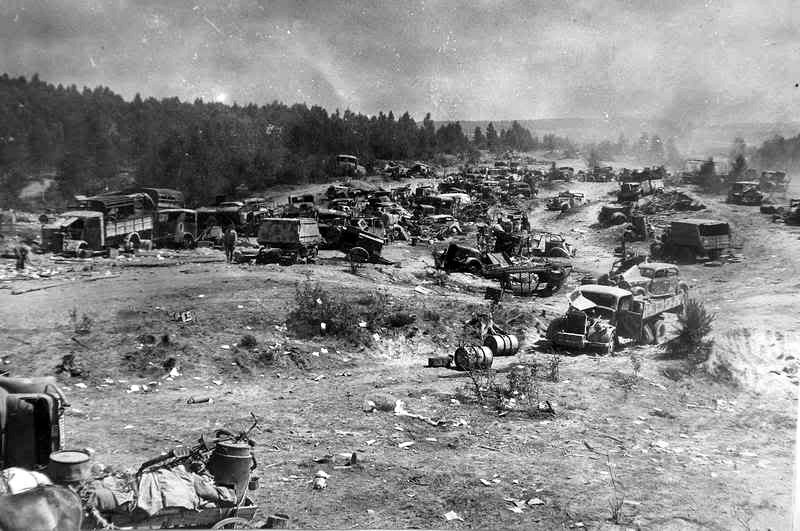
As British, American, and Canadian forces were fighting their way out of Normandy in France, the Soviet Red Army began fighting its way to Berlin in the East. Operation Bagration was an effort to drive the Germans out of Belarus and Poland while forcing the Germans to fight two major offensives on both fronts at the same time.
Although Bagration was successful in forcing the Germans out of both countries, as well as the Baltic States, it took a heavy toll on the Soviet forces, killing or wounding more than 770,000 men while inflicting almost half a million against the Axis forces.
5. Gallipoli
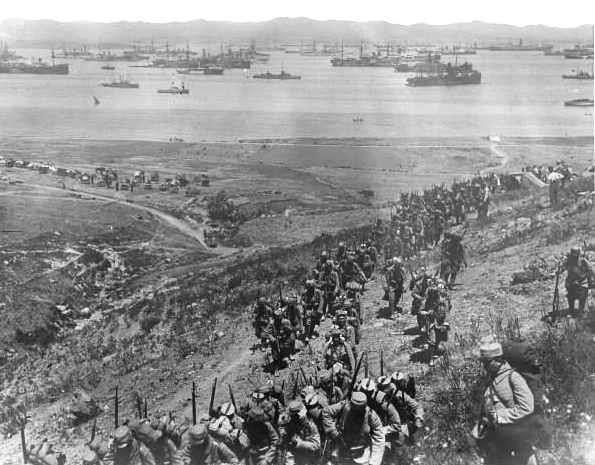
The Battle of Gallipoli is not only one of the British Army’s most spectacular failures of World War I, it’s one of its most spectacular failures ever. The Entente Allies of World War I had hoped to capture and control the Dardanelles and the Turkish Straits to restrict the movement of the navies of the Central Powers.
Although the Ottoman Empire pushed the allied invasion force out of Gallipoli and forced it to abandon any hope of capturing the straits, both sides suffered a quarter of a million men killed, wounded, or missing during the battle. Although the Ottomans could claim victory, their empire was also a casualty of the Battle of Gallipoli. A civil war soon broke out after the end of World War I, leading to the creation of the modern state of Turkey.