
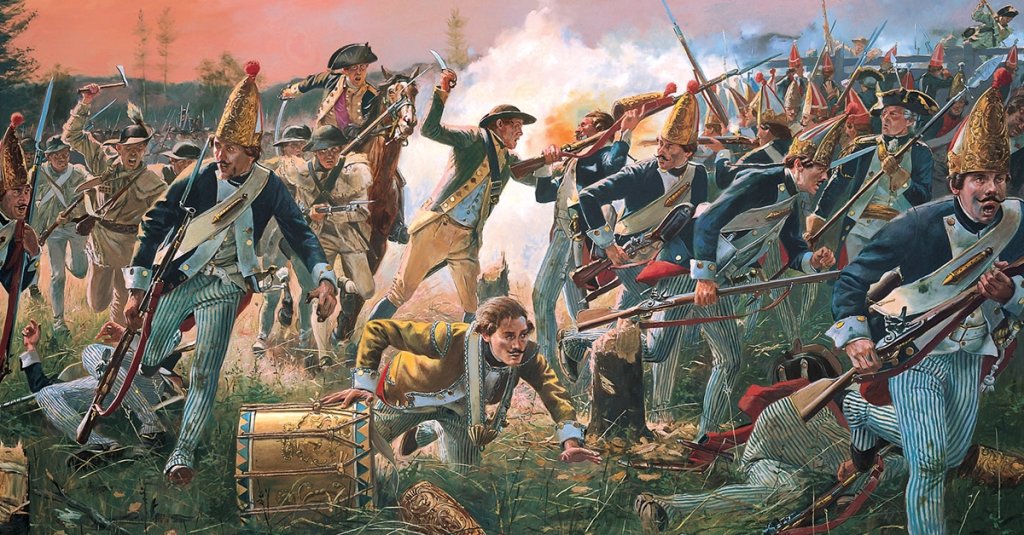
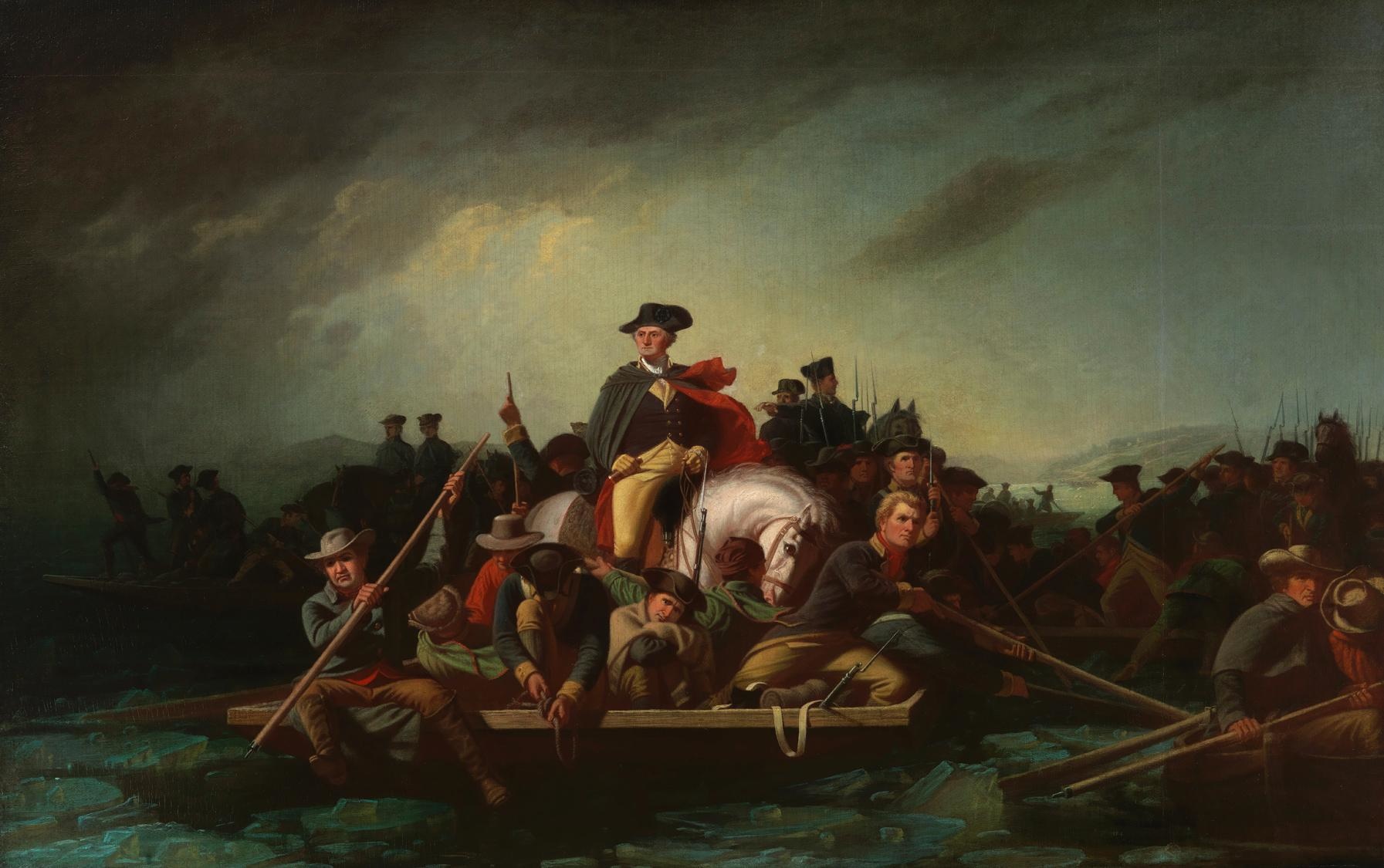
Everyone knows about George Washington’s famous Crossing of the Delaware River, where the Continental Army surprised the Hessians in the darkness of late Christmas Day. But who were the infamous Hessians that Washington and his men killed and wounded that Christmas? And what happened to the ones who didn’t get killed by the Continental Army?
Also Read: Daniel Morgan’s riflemen were America’s original scout snipers
As it turns out, Hessian mercenaries liked freedom as much as any other colonial immigrant, because many Hessians just stuck around after the war ended. Which was fine after the war, but during the war they were very unwelcome—because looting people’s homes is a real turn off.

The Hessians were not technically mercenaries but “contract armies” fighting for Britain from the German states of Hesse- Cassel and Hesse-Hanau. Britain used Hessian troops to control large populations, especially in Ireland and the American Colonies. The use of these troops was one of the reasons the Americans declared their independence from the British Crown in the first place.
Though German troops contracted under British control came from other principalities, they were referred to as “Hessians” as a whole by the colonists—and Americans hated the Hessians.
When Hessians were captured, especially after the Battle of Trenton, they would be paraded through the streets. The colonists’ anger toward their mother country using “foreign mercenaries” to subdue them was infuriating and increased military enlistments for the Continental Army. They would then be used as a source of labor while they were prisoners of war, often working on farms.
Though more than capable fighters, the British used them as guards and garrison troops, which is where they found themselves when Washington surprised them that Christmas night.
Many German troops ended up in Lancaster, Penn. working alongside the Pennsylvania Dutch, who, by nature, treated the Germans very well. In all, German POWs had such a great experience in American farms and fields that they would sometimes join the Continental Army. The Continental Congress also encouraged Hessian to defect, by offering them 50 acres of land for joining the American cause.
Some 30,000 men came from German states to fight against the American Revolution. While more than 7,500 of them died in the fighting, the rest did not and when it came time to go home, many didn’t want to go.
So they stayed.
Only an estimated 17,300 of the original 30,000 Hessian soldiers opted to return to their principalities in the German states. The rest decided to make their way in the new United States or head to Canada to try out a new life up there.
Life in the armies of German princes was not always so good and the troops were not always well-paid for their efforts. Starting a new life in a country where their future was their own to make was a natural step for many of the well-trained, hardworking Germans. At least as honest farmers, they could finally celebrate Christmas without worrying about Americans surprising them in their sleep.
Don’t Miss the Best of We Are The Mighty
• George Washington’s secret spy code name was Agent 711
• The original US Navy was an armada of American rebels and privateers
• The anonymous plot to oust George Washington as commander-in-chief


Loading comments…
Comments couldn’t be loaded. Please refresh the page.