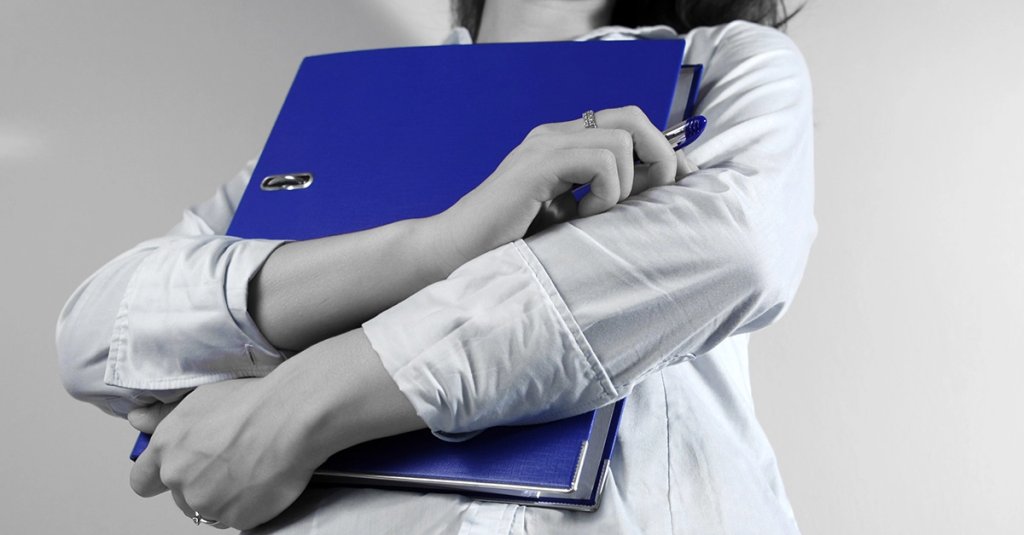
Military life is the world’s most reliable chaos generator. Schedules shift, phones die, inboxes become landfills, and the one document you need suddenly exists only in the dimension where missing socks go. A binder doesn’t prevent emergencies, but it does prevent emergencies from turning into administrative horror.
Start with five buckets: identity, medical, financial, legal, and property. Milspouses need to add military-specific tabs for deployment contacts and key documents, but civilians can probably save that space for other things.
Related: 6 military spouses who grabbed a weapon and joined the fight
Like any other set of important documents, keep it secure, keep it accessible, and plan for “grab it and go:” a lockable, fire-resistant container for the binder, portable copies in a waterproof emergency kit, and a backup plan that doesn’t depend on a single device.

1. It buys time when your brain is panicking.
In a crisis, your brain becomes a bad search engine. A single, organized place for the basics means you can act instead of spiraling, especially when the situation is already stressful.
2. A binder can keep housing issues from snowballing.
If you rent, own, or are in the middle of a move, housing paperwork becomes the master key: leases, mortgages, deeds, insurance, utility accounts, and proof of residence. The Red Cross’ document list explicitly includes deed/lease and proof of address, because those are exactly what landlords, banks, and aid agencies ask for when you need help quickly.
3. Paper still works when technology betrays you.
Passwords, account numbers, contact lists, medical details: none of them help if they’re trapped behind a dead phone, a forgotten login, or a cracked screen. The low-tech answer is often the best answer. Write it down and keep it together.
4. It proves your identity fast when everything else is slow.
After a fire, flood, theft, or even a lost wallet, the first problem is often “prove who you are.” Having copies of IDs, birth certificates, Social Security cards, passports, and proof of address in one place can cut hours or days off replacing essentials and reopening accounts.
5. It makes “power of attorney” practical instead of theoretical.
A power of attorney is only as helpful as your ability to produce it. Keeping copies of legal documents where you can grab them quickly is always more effective than having to go search for them. A binder doesn’t replace proper legal work, but it does prevent the worst version of grief: grief + confusion + missing documents.

6. Medical emergencies are less of a paperwork hostage situation.
Doctors and clinics move faster when you can immediately share medication lists, allergies, insurance details, and relevant history. The binder is not just paperwork; it’s time and clarity. Medical emergencies punish missing information. A binder gives you a grab-and-go place for insurance cards, diagnoses, prescriptions, and provider contact info so you’re not trying to remember dosage details while a triage nurse waits.
7. Paper copies help recover after disasters and disruptions.
The IRS recommends that emergency preparedness plans include copies of vital records and financial information, along with secure storage and electronic copies. In other words, recovery is paperwork-heavy, and being ready is an advantage.
8. It protects what you can’t easily replace.
A lockable, fireproof box you can “grab and go” with is a boring idea right up until it’s the smartest thing you own. Keeping originals protected and having portable copies is a practical standard for preparedness.
9. It keeps your kids’ and pets’ needs covered.
If you have children, the “important documents” problem multiplies: IDs for each child, immunization and medical records, school and daycare contacts, and emergency pickup info. The CDC explicitly recommends copies of important family documents in a waterproof and/or fireproof portable container, including medical records, insurance policies, IDs, and bank records.
10. It lets a trusted person step in without guessing.
If you’re sick, injured, stuck traveling, or just overwhelmed, someone else can help only if they have the map.
11. It keeps sensitive details off the internet.
Some information belongs on paper in your home, not floating around online. Timelines, travel details, unit-related notes, and anything OPSEC/PERSEC-adjacent should stay private (if you need that kind of thing).
This is the real lesson: households run on information. When that information is scattered, you pay in stress, delays, and mistakes. When it’s organized, you buy yourself options.