Today, we see these toys as everyday items for kids. From keeping children occupied and bringing joy, to lining store shelves for decades, we rarely consider the history of how these toys came to be. But without the influence of Uncle Sam, they would have never seen the light of day.
Take a look at these familiar toys that started as government projects.
Tanks, planes, and battleships
Related: 100-year-old Marine reunited with tank he drove on Iwo Jima
Because of ongoing wars, children became more interested in the vehicles that were used. This led to the manufacture of toy tanks, boats, planes, and more, all of which are still in production today. The tech has advanced as military vehicles have changed over the decades, but they are still among the most popular toys today.
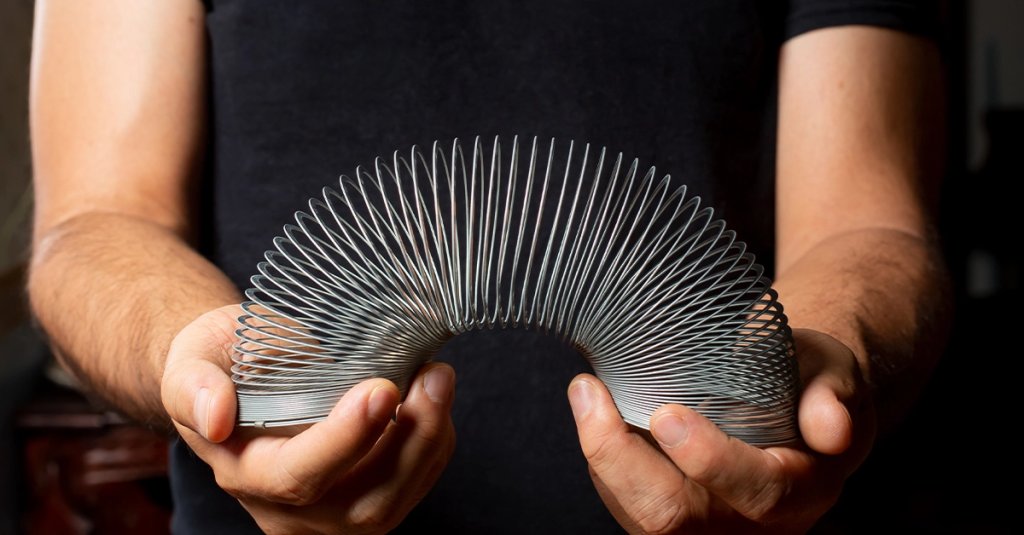
The Slinky

What started as a spring for a naval engineer turned into one of the longest-running toy franchises in the United States. Richard T. James invented the first Slinky as a spring in 1943. The spring fell off a shelf, “walked” and landed upright. Legend says he came home to report the event to his wife before adjusting the type of metal used to create a more mobile version as a toy. By 1945, the Slinky debuted in a Gimbel’s department store in Philadelphia. More than 80 years later, the toy is still for sale. Ironically, James is better known for this happy accident than for his engineering career.
Silly Putty
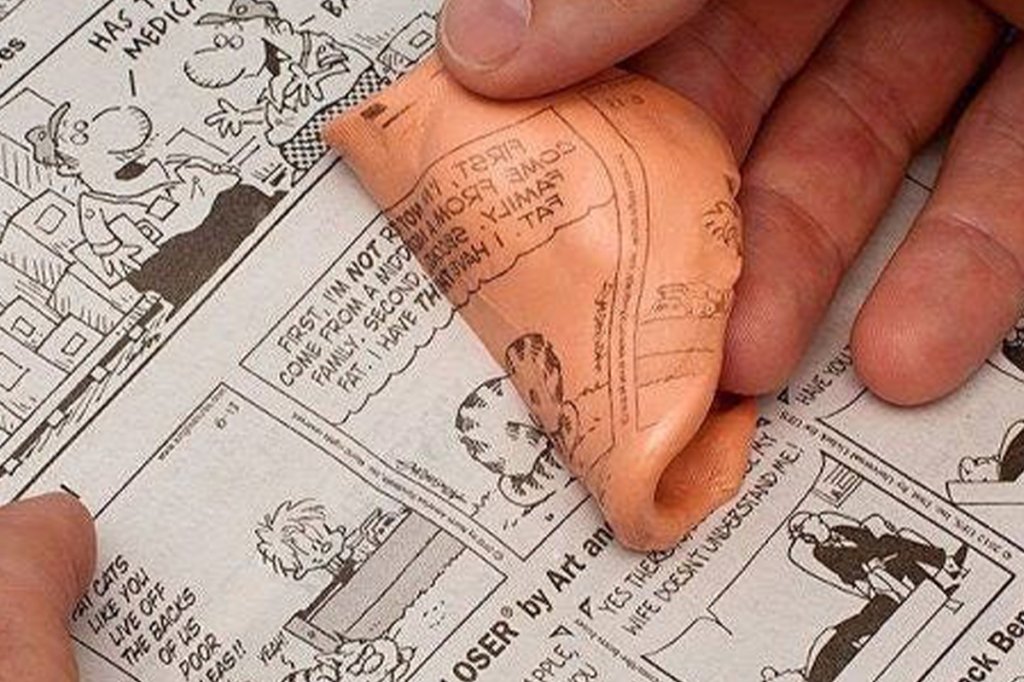
Another accidental toy emerged during World War II, when the U.S. War Production Board tasked its contractees with creating a rubber alternative. G.E. engineer James Wright combined silicone oil and boric acid, creating a solution that was too bouncy and stretchy to work in the wake of rubber. This, too, was in 1943. However, it wasn’t until 1950 that the potential as a toy was realized when a businessman bought the rights and came up with the Silly Putty name. He also packaged it in a plastic egg for an Easter time release. Silly Putty didn’t have its first commercial for seven years, then was purchased by Crayola in the mid-70s. It still remains in production today.
Walkie-talkies
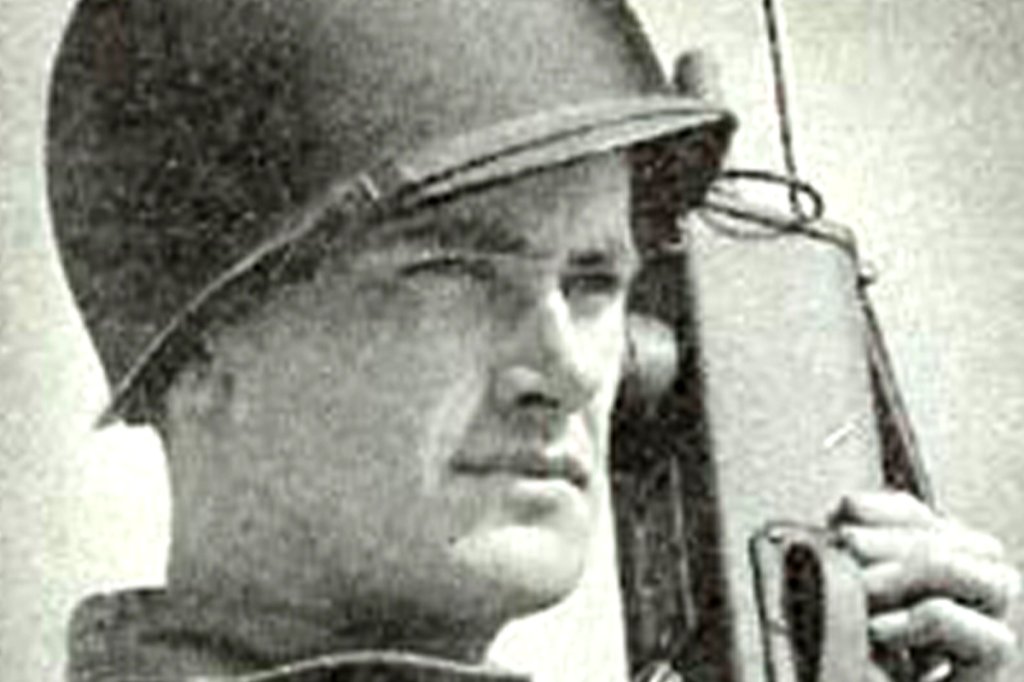
Obviously, walkie-talkies are a must for military members to keep in communication with one another. But before portable communication devices, there was a need to stay in touch while on the move. Uncle Sam put out a call, and soon predecessors to the walkie-talkie were introduced, with soldiers wearing an antenna or carrying wires.
Related: The first ‘walkie-talkie’ saved thousands of Allied lives
Next, Motorola’s predecessor created a portable version that could be taken in a backpack and named it a walkie-talkie. As technology advanced, the radios became smaller and more precise. They also became popular among kids who still use them to talk to one another today. After first hitting the market in the 1930s, they remain one of the most popular toys for kids today.
Super Soakers/Nerf Guns
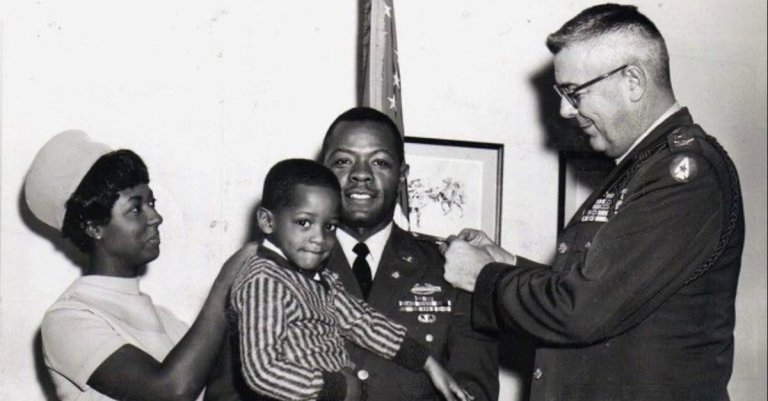
Uncle Sam succeeded with real guns, and then they decided to give it a go with the toy versions. Of course, it didn’t start that way. NASA engineer Lonnie Johnson was creating a heat pump that could work without gravity. Only the pump malfunctioned, shooting a stream of water across the room. The event gave Johnson the idea to turn that power into a toy made for kids. He then helped create Nerf bullets and guns for just as much fun in cooler months. Today, they are some of the top-selling toys, with tens of versions available for kids (or adults) of all ages.
Don’t Miss the Best of We Are The Mighty
• ‘The Few. The Proud:’ The Moments that made the Marines the Marines
• 7 Venezuelan bugs that can ruin your day (and maybe your life)
• The 12 most badass Marine Corps nicknames of all time