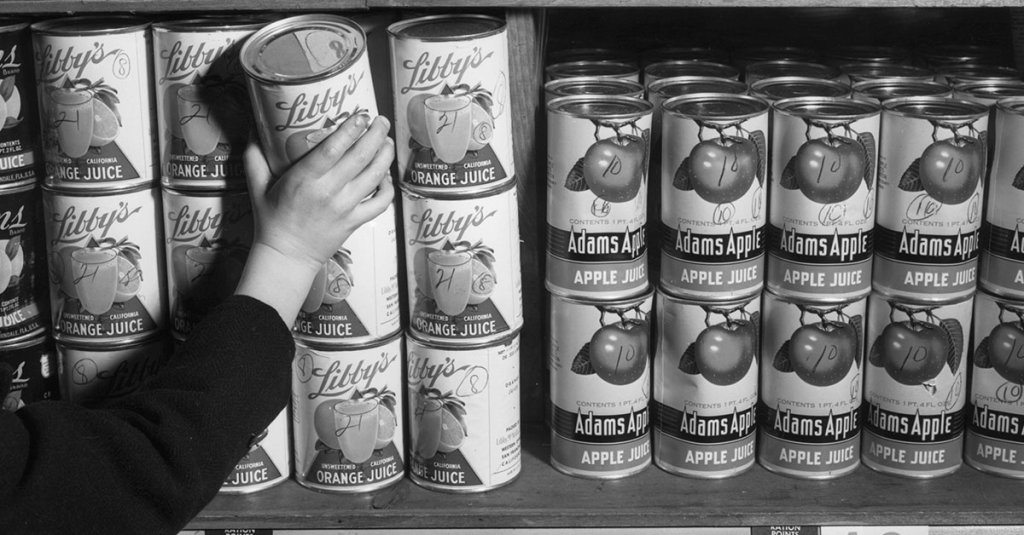
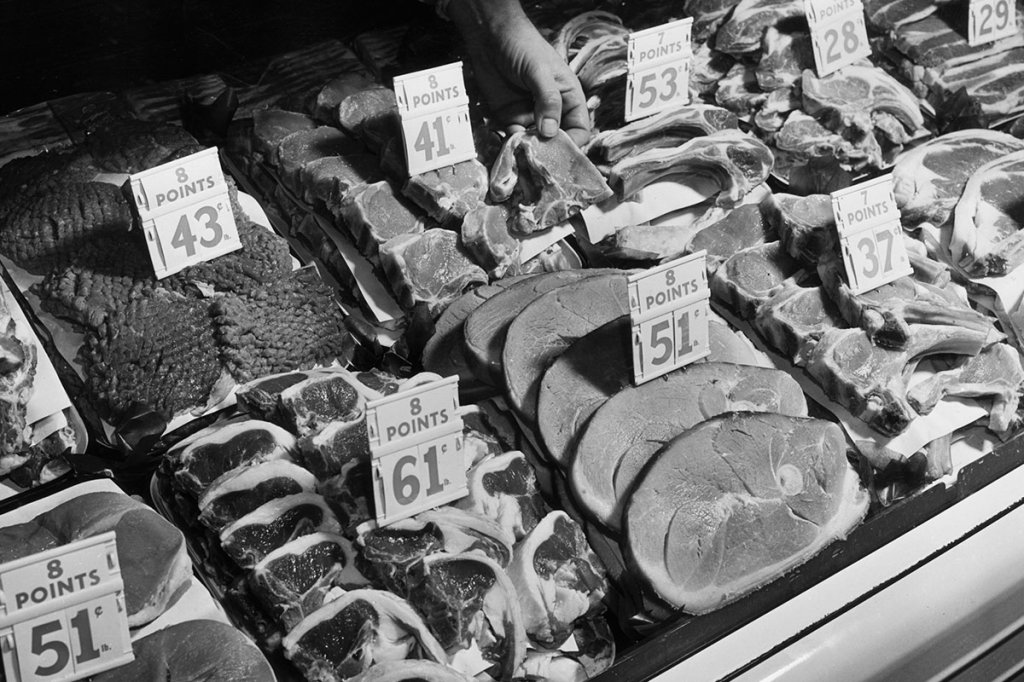
During World War II, the United States and Britain underwent extreme food rationing, where many food staples were prioritized for soldiers first, and the general public second. In Britain, some foods simply weren’t available. In the U.S. it had a profound effect on American culture. Wartime rationing caused many to change up the way they cooked, notably cutting back on sugar, flour, and eggs. While not all of their recipes were a success (re: parsnip pudding), there were several that stuck around long after rations were gone.
Take a look at these modern-day favorites that came to be in times of cutting back.
1. Meatloaf Goes to War
Related: The 9 worst creations Americans called food during World War II
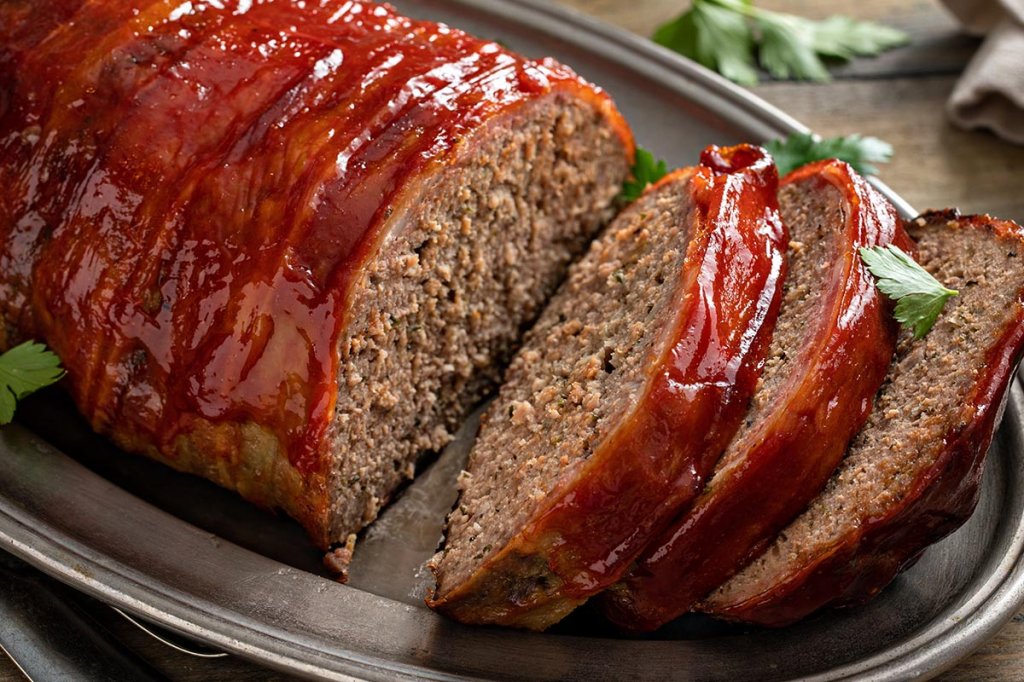
Ever had oatmeal in your meatloaf? It began as a way to cheaply add filler that would bolster ground meat but cooks soon realized that oatmeal not only helped bind the meat together, it also added moisture in the process. It remains a modern step for making meatloaf today.
2. “Cream of” Soups
By making a “cream of” soup, one could get the flavor of a vegetable without having to actually use much of it. These were created by chopping a half cup of any vegetable and cooking it down, then adding a bouillon cube, seasoning, and powdered milk (regular milk was rationed) with water. Viola: a thin soup that tasted of veggies. Today they’re used to cook or flavor food rather than eat on their own, but it’s still a staple we’re glad came to be.

3. Crumbles and Crisps
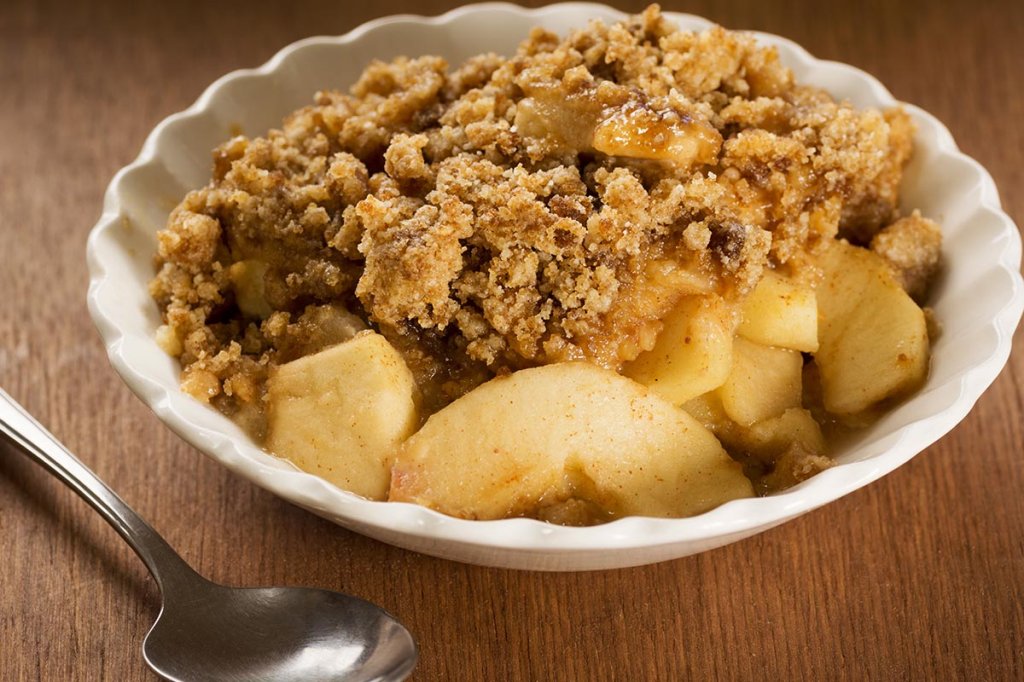
Apple pie was once a favorite among the American people, but with rations on things like eggs, butter, and flour, it was almost impossible to make a “real” pie. Homemakers instead came up with a concoction of apples and honey or molasses that was topped with an oatmeal mixture with weak tea, cinnamon, and margarine. Then the whole thing was baked. Easier than apple pie and still tasty, which is likely while it’s still around today (albeit minus the tea).
4. Low-Carb Options
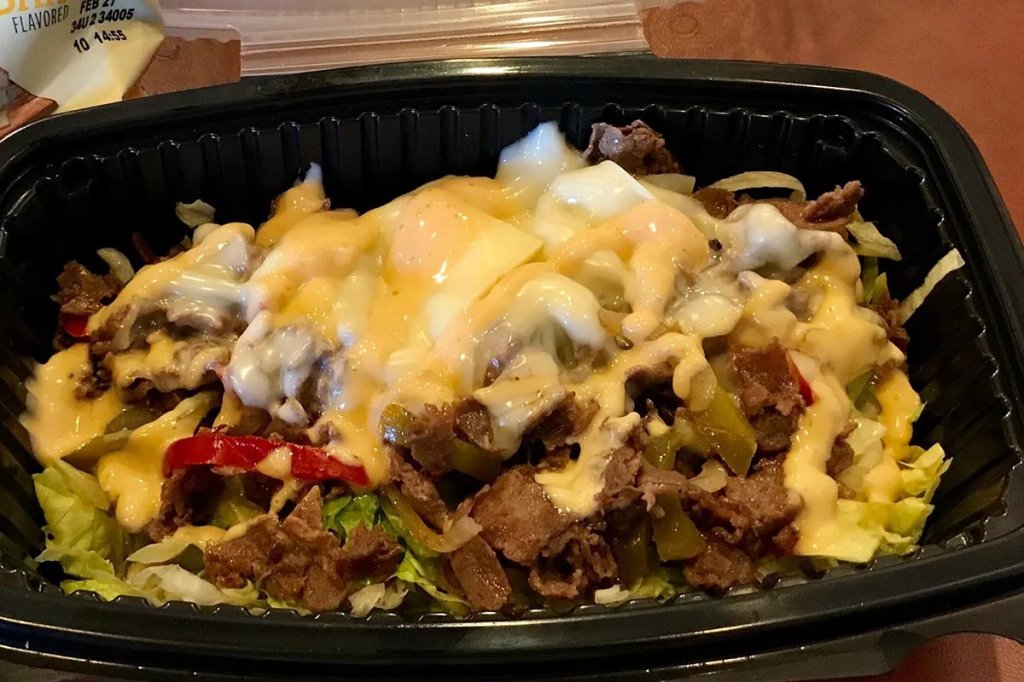
Though they went heavy on the potatoes, ration meals were often served without bread of any kind. This is due to fluctuating flour rations, or times when a flour allotment was used up too quickly. This led to trends like sandwich “bowls” or using lettuce instead of slices of bread, truly a trend ahead of its time.
5. Cottage Pie
With little meat to go around, families got creative with cottage pie. It was often used with small, leftover meat cuts and whatever the family had on hand. Potatoes were heavily added as filler, as there were no potato rations and plenty to go around. They added a “crust,” which was either a light crust made of wheat flour (white flour was reserved for soldiers), or a thin layer of mashed potatoes, and baked it until hot and steamy. Today’s versions almost always come in a flaky pastry, but most enjoy the addition of potatoes to their shepherd’s pie.

6. Creamed Chipped Beef
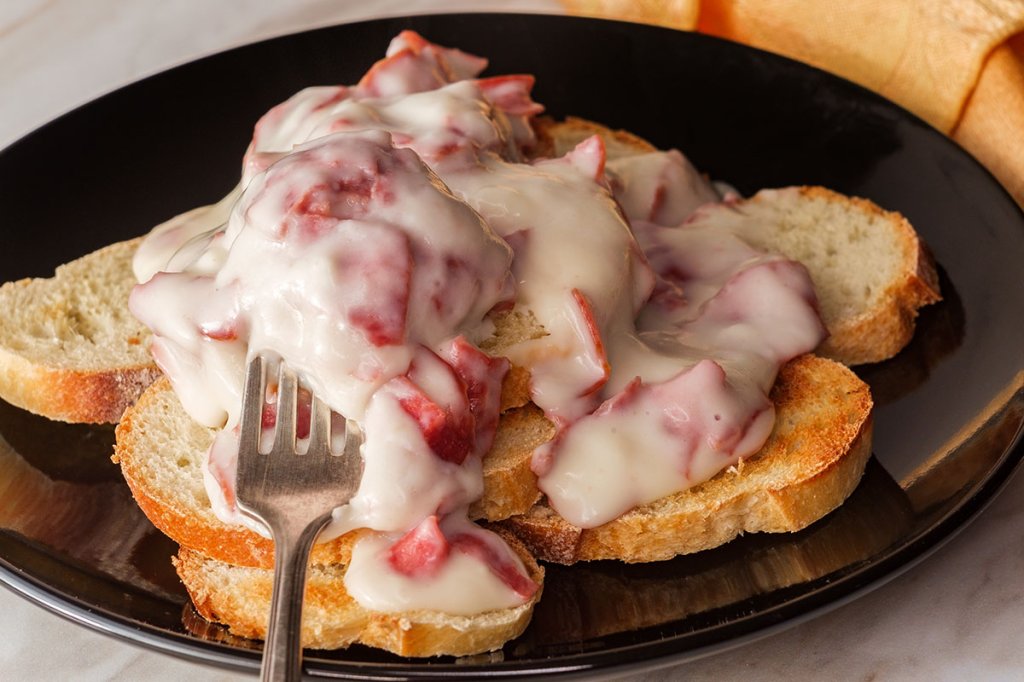
Also known as either “Sh*t on a Shingle or the abbreviation “SOS”, it’s a meal that is still eaten today. It dates back to World War I and was eaten throughout rations due to the ability to stretch preserved meat, namely dried beef. A thin white sauce is made, mixed with the meat, then the entirety of it is slapped on a piece of toast or cracker. Remember, white flour was for the front lines, but homemade breads of wheat flour could be made for meals like this.
Also Read: 5 meals that won wars (and how to make them)
7. Meat Substitutes
Rationing often meant creating fake meat out of vegetables or whatever was on hand. There were faux recipes for beef, pork, and chicken alike, most of which included beans, seasoning, a little flour, and margarine for cooking and/or flavoring. Lard was also used to help improve the taste. Then it was done out of necessity, but today it’s a precursor to vegetarian options or more lifelike meat substitutes for those who do not eat meat by choice.
8. Corndogs and Fried Spam
While rations were set on meat, that did not include processed versions, so bring on the fake pork. Corndogs were turned into a meal by placing a dough on the outside of a hot dog. The novelty of a food on a stick also took off, and they became more widely spread. In addition, Spam was also at-the-ready with its long shelf life. With plenty of cooking lard rations, homemakers began slicing and frying spam as a regular main dish.
9. Boxed Cereals
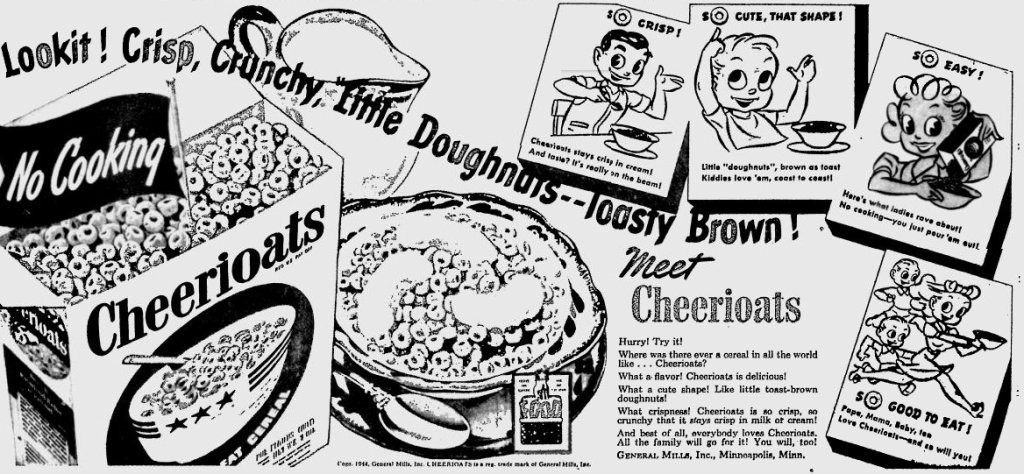
Cheerios was one of the first boxed cereal to be marketed after it was released in 1941. The goal was to create a morning go-to while supplies of bacon and eggs were rationed. Starting as Cheerioats, the brand took off like wildfire. Competitor Quaker Oats challenged the name, which dubbed Cheerios as we know them today.