

Long before grocery inflation or hoarding of toilet paper, there was a different kind of issue with the food supply: lack of volume. Throughout World War II, the U.S. saw severe shortages of items like metal, sugar, flour, coffee, and more. This was mostly due to attacks or embargoes on supplying countries. In the case of metal and rubber, those supplies were needed for the war effort rather than the general public. The same was true with many foods; citizens were given books of stamps that could be cashed in for allotment of food items during a certain period of time. This ensured each citizen wasn’t hoarding items, while enough was still available to the military.
Related: The 9 worst creations Americans called food during World War II
Rationing also brought on the interesting side effect of ration recipes. Without their normal supplies on hand, WWII-era cooks had to get creative. Items like “mock sausage” were created out of lima beans and flour, desserts were made with syrup rather than sugar, and other recipes were made from whatever was left in the cabinet. Most interesting of all, a keen marketing plan had everyone thinking rations were a good idea. After all, saving carrots or sugar for soldiers meant they could protect the homefront. And how could we expect soldiers to fight without the fuel of M&Ms?
Take a look at these unique, need-based recipes that came to be, and consider giving them a try yourself. You might actually like them.
1. Wooltoon Pie
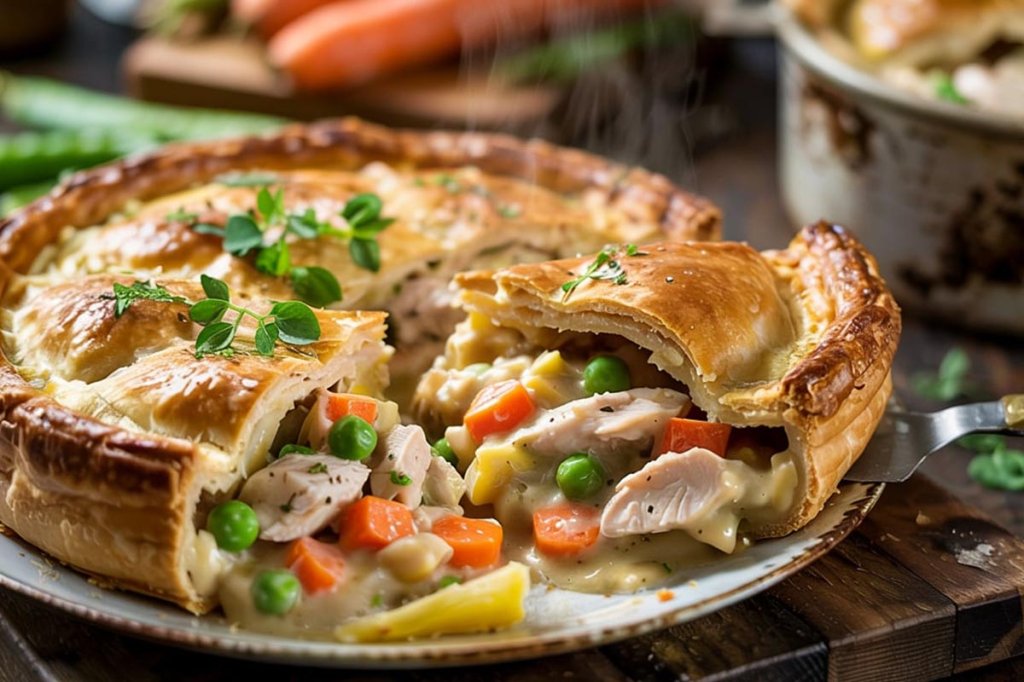
Low in carbs and heavy in vitamins and fiber, World War II’s Wooltoon Pie is basically a poor man’s pot pie. The interior is all veggies, encouraging Americans to use turnips and parsnips (which weren’t rationed), then topped with mashed potatoes rather than a crust. The potatoes were most likely made with powdered milk, while a lack of pastry meant no eggs or butter was needed. The whole thing was baked crispy. Though it might not be an ideal main dish today, it can definitely serve as a tasty side.
2. Carrot and Pineapple Salad
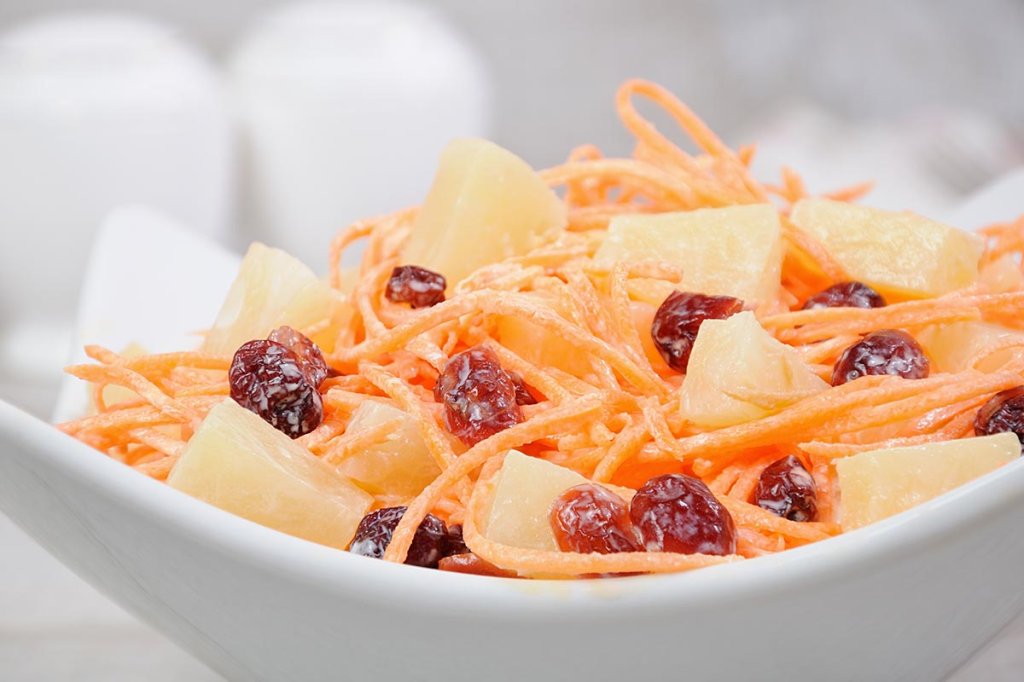
At one point, anything in Jell-O was considered a salad, and much to eaters’ chagrin, it was heavily experimented within the dessert category. This ration recipe includes cooked carrots and chunked pineapple mixed together in a Jell-O mold. It may not be for everyone, but if you’re looking to smuggle some nutrients into a semi-sweet dish, this may be the recipe you didn’t know you needed. Don’t forget to use a bundt pan for peak presentation status.
Carrots and their natural sweetness were also used to make cookies that were orange in color and mildly sweet. However, they remained a ration recipe favorite, whether or not they were truly enjoyed.
3. Peanut butter and Lettuce Sandwiches
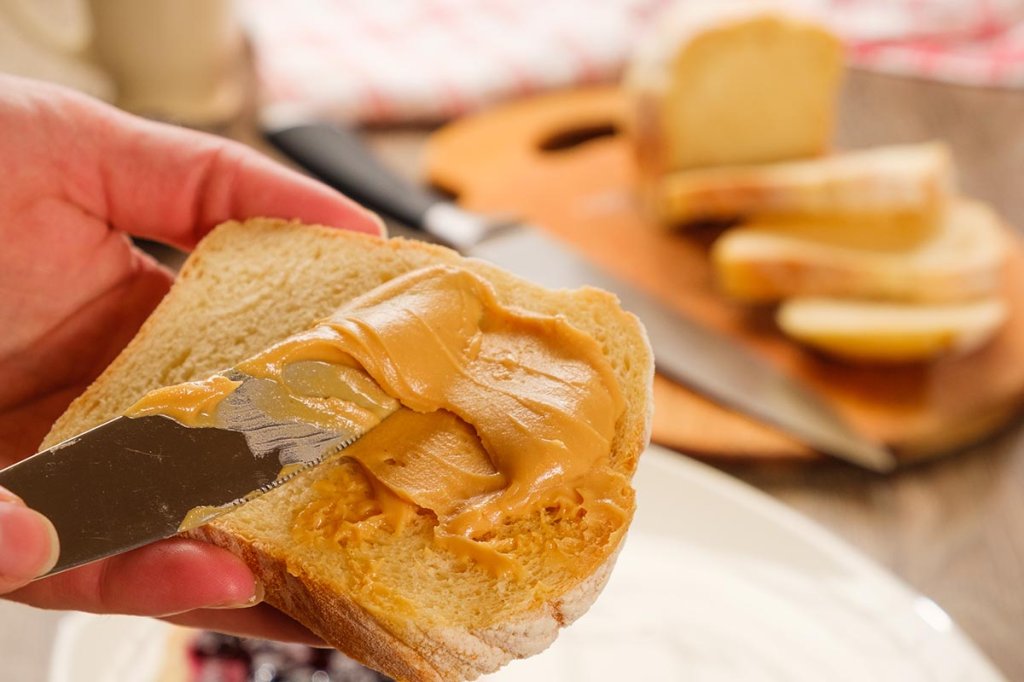
Hard bread and peanut butter became huge staples of wartime rations, especially when shelf-stable protein was needed. At some point, lettuce was added to the mix for the addition of something both crunchy and fresh. We aren’t sure where the trend started, but we can guess why it didn’t stick around. But this is another case of don’t knock it until you try it—look on the bright side: there’s no jelly to soggy up the bread.
4. Potato Pastry
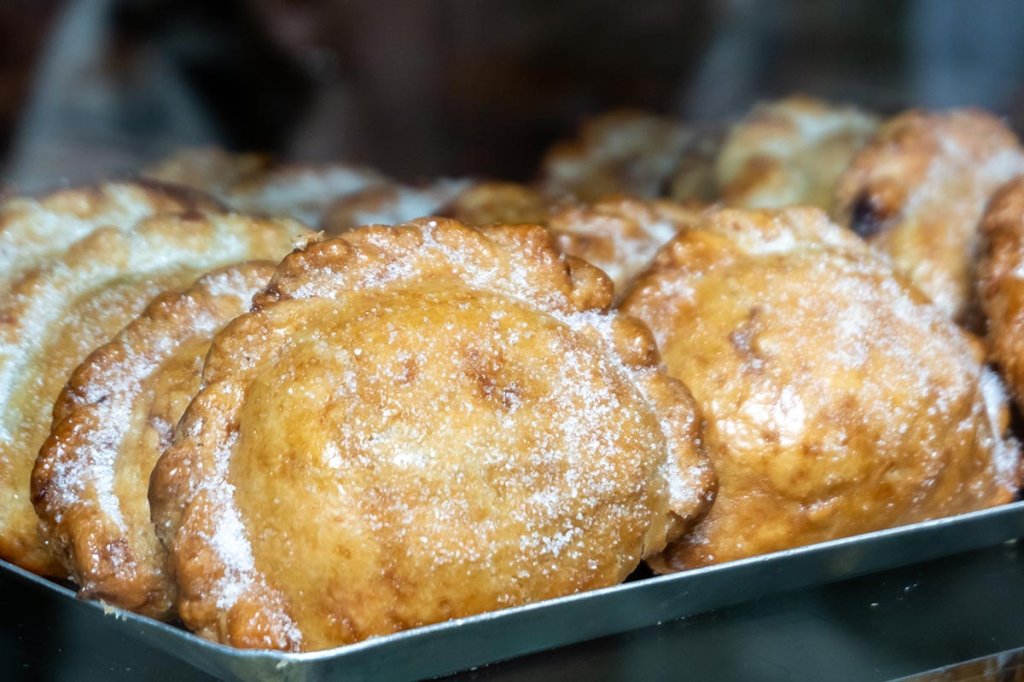
With flour almost impossible to come by in any real quantity, chefs had to get creative. Enter the potato pastry, where potatoes were mashed, pressed thin, given the most modest dust of flour, and baked. It could be used as a crust to top savory fillings, or even for sweet pies. Think about it: a thin, crunchy potato with some cheese sounds like a great snack, even when choices are in abundance.
5. Rice Pudding
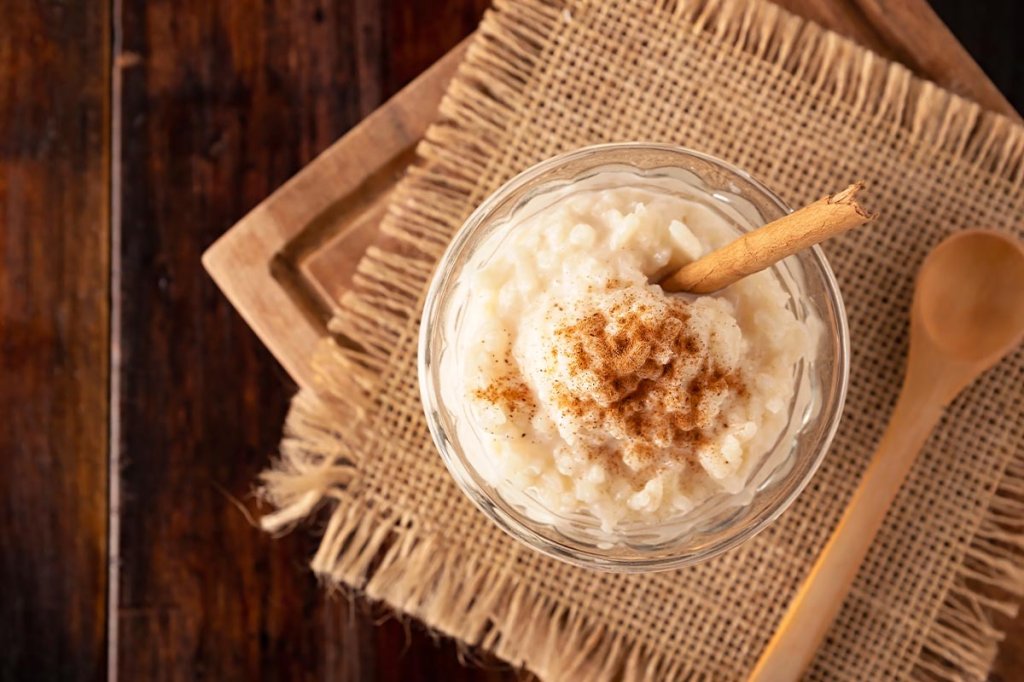
Another wartime staple was rice, which was cheap and plentiful. It could also pass for a dessert when cooked with powdered milk and margarine, and boiled into a mush. rice Pudding was often topped with cinnamon and raisins to give a sweet flavor that could make an good attempt at being a dessert. With some changes, this could be a healthier alternative today, all it needs is a sweetener and fruit that does not live in the back of cabinets.
6. Breadless Sandwiches
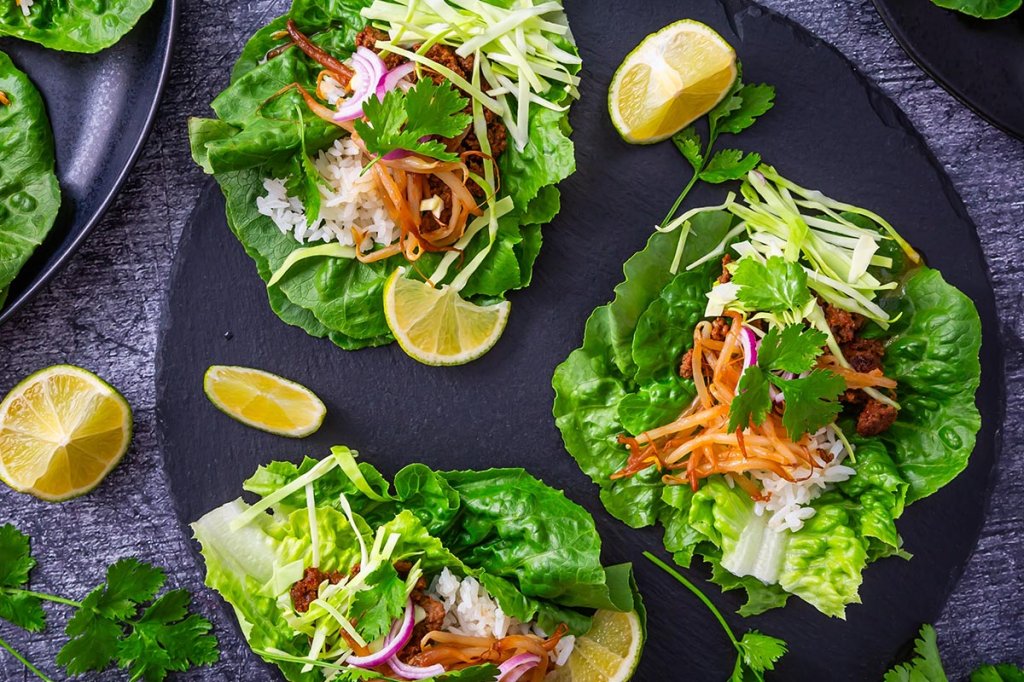
When the bread is gone but the fillings are not, bread-less sandwiches became a norm. Toppings were eaten between lettuce, crackers, or on their own. It was a trend ahead of its time and should be brought back immediately.
Thankfully, we’re in a market where we rarely, if ever, have to go without certain ingredients. But ration recipes made for some unique creations, some of which might still be appealing to a modern palate.
Don’t Miss the Best of Mighty History
• Modern dishes anyone can make using Civil War foods
• 10 food favorites invented by the U.S. military
• The evolution of infantry foods



Loading comments…
Comments couldn’t be loaded. Please refresh the page.