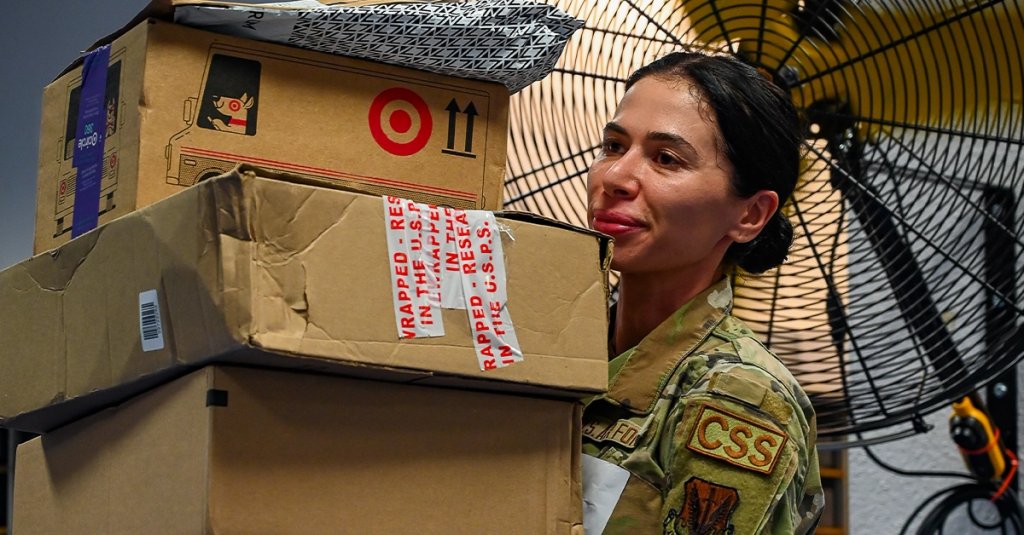
As military families, we know firsthand how vital connection is in this lifestyle. Staying in touch with our service members, even when we’re apart, during deployments, and amid constant uncertainty, is what keeps our relationships grounded and our communication strong. We can all agree that communication methods have evolved, but there is one constant: the need to feel close and connected.
Read Next: Our huge list of year-round military freebies, discounts, and deals
Today, military spouses tackle all sorts of communication. We are thankful for the technological advances that allow us to communicate instantly at times, and equally grateful that long-standing military traditions keep alive the cherished, more traditional ways of staying connected. This article explores how communication between military spouses and their service members has evolved, and why both the magic of mail call and modern technology remain meaningful today.
The role of letters has always been central to military life, serving as a lifeline between service members and home. Throughout U.S. history—from the Revolutionary War to the Civil War, through World Wars I and II, Vietnam, Desert Storm, and Afghanistan—handwritten letters were often the only way for loved ones to stay connected across long distances. Mail Call became a pivotal daily moment, filled with anticipation, joy, and sometimes grief, as troops waited to hear from home. For military spouses, these letters were more than just updates, they were a source of emotional sustenance, a way to share everyday moments, milestones, and struggles while their partner was away.
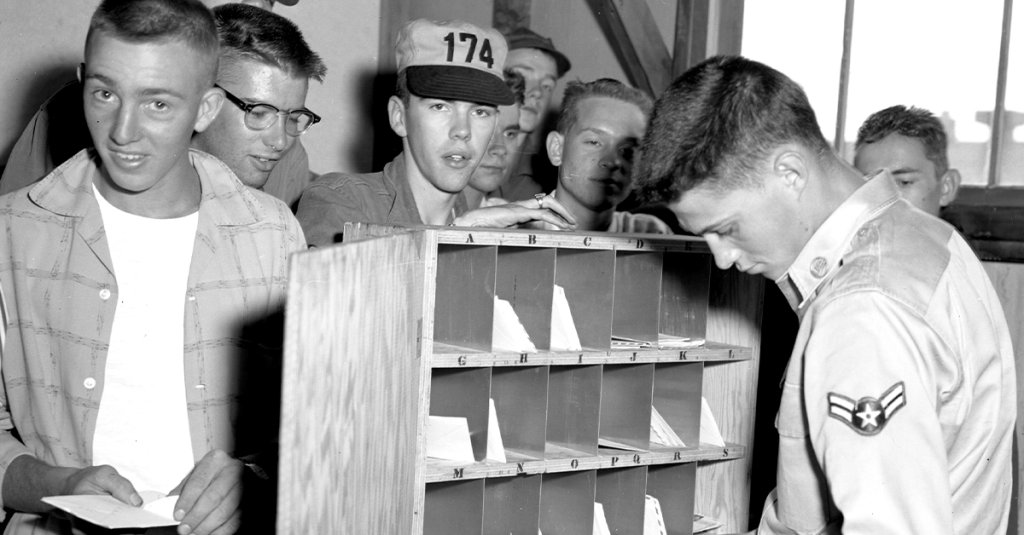
Each envelope, carefully addressed and often decorated with small touches of personality, carried not just news, but comfort, reassurance, and a tangible reminder that someone cared. Mail helped spouses maintain routines, celebrate achievements, and even manage the stress of uncertainty, giving both sides a sense of closeness despite being miles apart. Through the decades, handwritten letters have shown how essential communication is to sustaining morale, nurturing relationships, and preserving the emotional bond between service members and their families, proving that even in the harshest circumstances, connection always found a way.
The digital era brought instant, but sometimes imperfect, connections. FaceTime, email, Messenger, and other platforms allow us to receive faster updates, see the faces of those we miss, and share moments in real time. Yet even with this technology at our fingertips, gaps remain. Time zone differences, unpredictable schedules, limited connectivity, and “going dark” can disrupt communication, leaving us with the mental load of waiting for replies.
While these tools have made it easier for military spouses to feel connected to their service members, they cannot replace the tangible, heartfelt connection that comes from something physical. The psychology of physical mail is profound: it activates sensory memory, feels like a “piece of home” in their hands, and can be tucked into a ruck, locker, or under a pillow as a lasting comfort. This applies not only to service members but also to military spouses. For spouses at home, preparing and sending mail becomes an act of caregiving across the distance. It’s a meaningful way to participate in their service members’ world and show that love, attention, and thoughtfulness can travel far beyond the mailbox.
The way it all blends creates a daily rhythm for military spouses: FaceTime in the morning, texts throughout the workday, email updates before bed, and photos whenever Wi-Fi allows. Amid all this digital connection, there’s still space for mail calls; the handwritten letters making their way to unfamiliar ports and mailrooms.
While the digital era handles everyday logistics, mail shines during holidays, birthdays, anniversaries: the milestones that tug at the heart. Instant communication eases anxiety and keeps routines moving, but traditional mail deepens the emotional bond. Many spouses find their own balance, blending the immediacy of digital messages with the lasting comfort of letters, sustaining morale, nurturing closeness, and maintaining the connection that distance cannot diminish.
We can still learn a lot from traditional mail, even in a digital age. Letters teach patience and foster intentionality, helping us slow down amidst the chaos of everyday life. Writing a letter requires reflection, not just a quick “wyd” message, and encourages thoughtful communication. Beyond that, handwritten mail allows us to savor connection and creates a sense of permanence in an ever-changing world—something that a delete button can never erase.
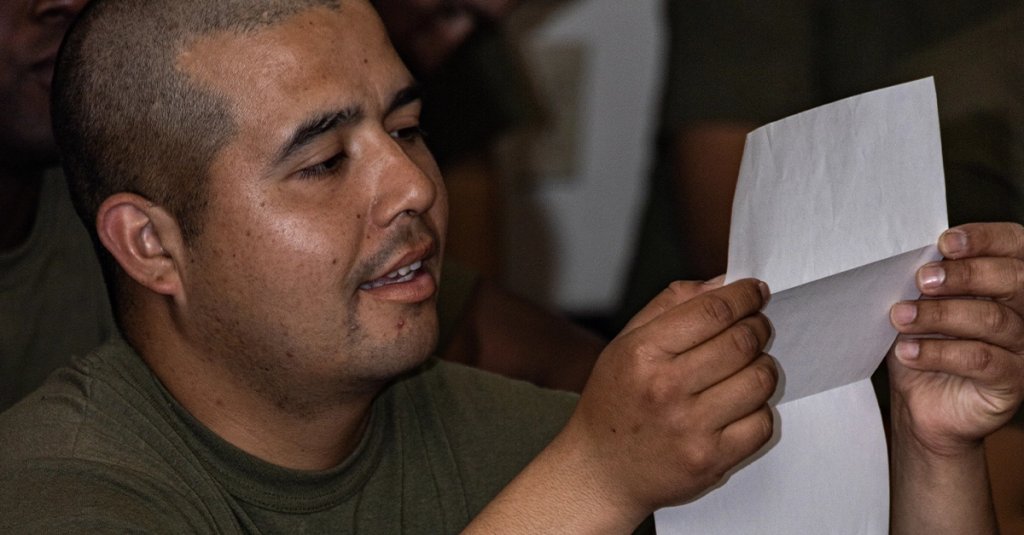
Mail call has evolved, just as our military has, yet one thing remains unchanged: the importance of staying connected. Connection isn’t about the method; it’s about the act itself, the commitment to reach across the miles and show that someone cares. Whether it’s a quick FaceTime, a text in the middle of the day, or a carefully crafted handwritten letter, each message serves as a bridge over the distance.
Today, we can embrace both worlds, blending digital convenience with the enduring magic of traditional mail. The goal isn’t perfection—it’s presence, consistency, and love that travels across oceans and time zones. By doing so, we keep our military families close, strengthen relationships, and remind one another that no matter how far apart we are, connection is possible, support is tangible, and love always finds its way home.