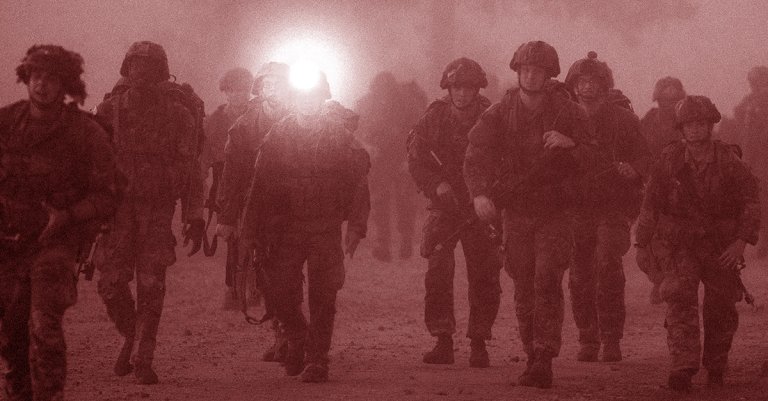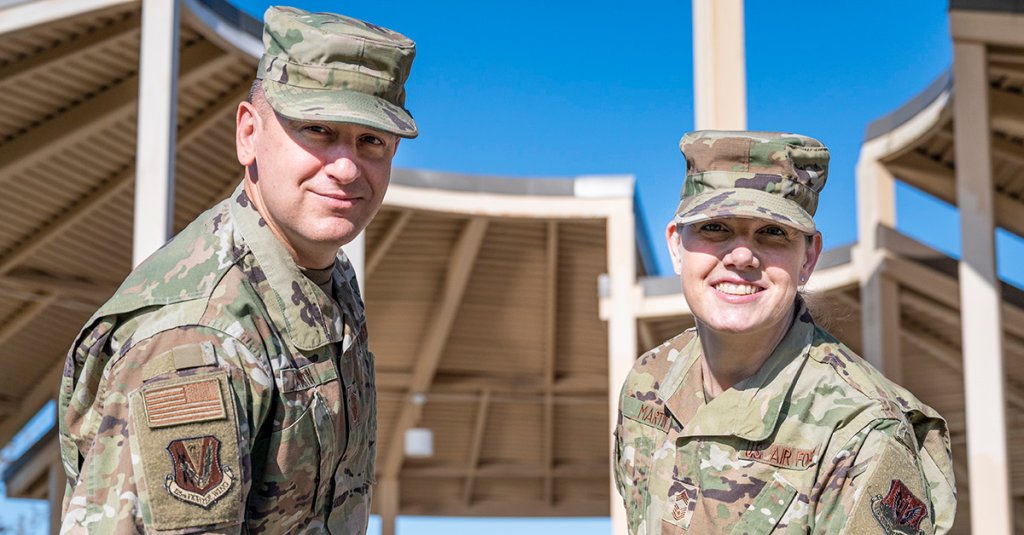
For years, the story was simple: One wore the uniform, and the other held down the homefront. Today, however, many military spouses have served, deployed, and led themselves.
Across the military community, many military spouses have a record of military service that is often unrecognized. Many have stood watch, deployed overseas, led teams, carried missions, tackled combat zones, and have worn the uniform proudly.
Related: An honest look at how relationships evolve during and after military service
For generations of service, we have seen the distinction between the service member and their spousal support. However, the line between “service member” and “spouse” no longer divides two worlds. It overlaps into shared experience, shared sacrifice, and shared service.
When a woman separates from the military and her partner continues serving, her identity shifts publicly even if her experience hasn’t disappeared. When this transition takes over, it raises questions, including:
What does it mean when the veteran becomes the military spouse?
When Both Spouses Have Served in the Military
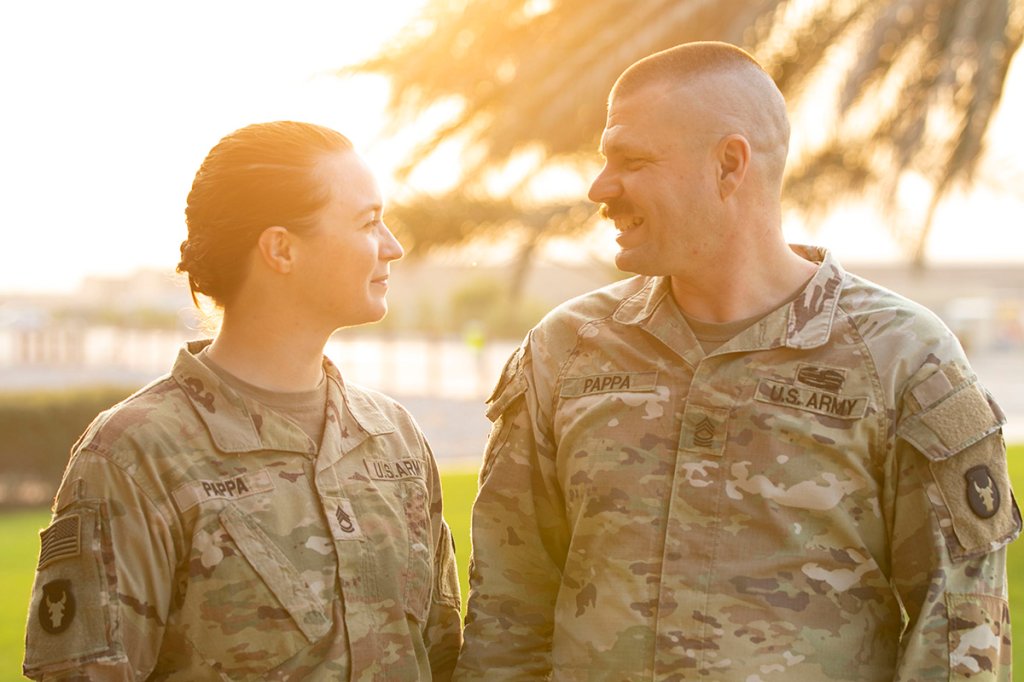
In many ways, this transition can be helpful. In a marriage where the veteran is now the military spouse, there is a shared understanding of the mission. Understanding deployment cycles, training schedules, duty days, op-tempo, and, yes, even the weight of service is 100% clear.
The shared experience through time in service includes deployments, long-term separation, tackling leadership roles, and more. This is all on the table, and this shared knowledge and understanding can make the two forms of service in a household an undefeated team.
But let’s keep it honest and real: This type of relationship carries two service-related perspectives, not just one. And not just the one coming from the person currently wearing the uniform.
When a woman leaves the military while her partner continues their own military career, her identity changes quickly under the public eye. The veteran with multiple combat deployments, awards and ribbons, and experience in all sorts of interactions is now introduced as “the military spouse.”
The prior service, the sweat and tears, the incoming, the late nights, the board preparation, the promotions… it all becomes invisible. The years in training, skill building, expertise, and competence are no longer recognized.
Even though the veteran is fully aware of their extensive “military resume,” the label has changed and the identity shifted. Years of service turned into a footnote.
Making Assumptions
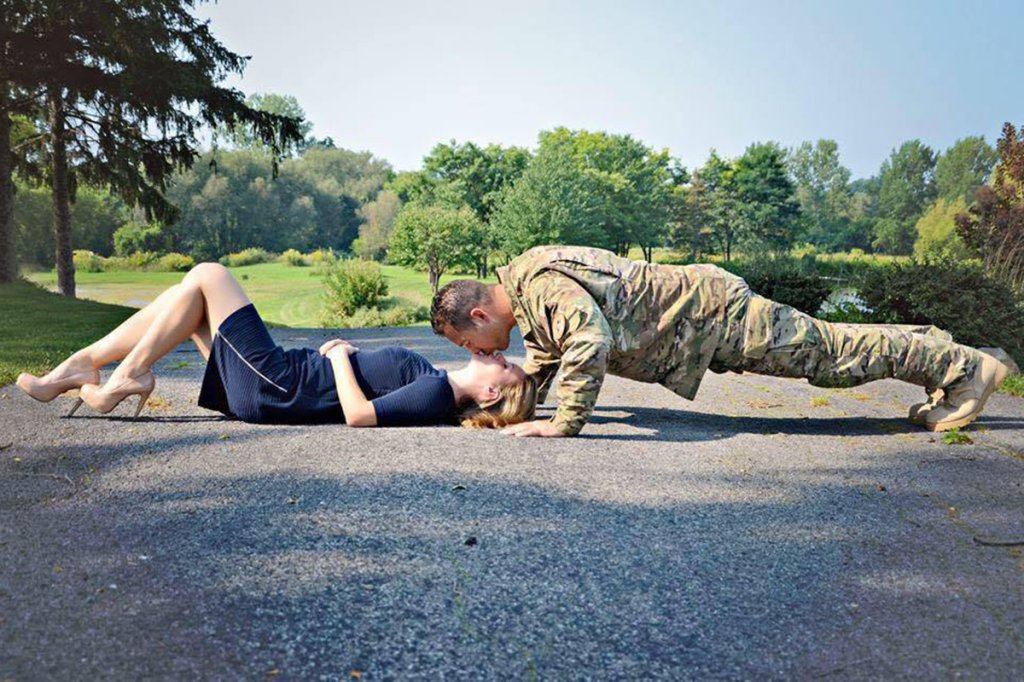
This new experience can be isolating for many veterans turned military spouses.
It is tough navigating duty stations, tackling social settings, being part of military-related conversations where assumptions are made… In certain environments, their background goes unrecognized unless they choose to share it. And when it is shared, we tend to get a surprise reaction rather than acknowledgement and acceptance.
At the same time, there are veterans who choose not to center their identity around their service. Some take the steps forward into building a new path within civilian life. Whatever the reason, we can acknowledge the deeper understanding of the complexities of military service through the experiences of veterans who now are spouses in our military community.
Identity in the military community is often role-based, and lived experience is extremely layered. As more service members transition out of the military while their partners keep serving, the traditional military family continues to evolve.
More couples today come from dual-service backgrounds, and more veterans are married to active-duty service members. Many spouses bring their own military-related experience through civilian careers that support the mission.
Intersecting Military Paths
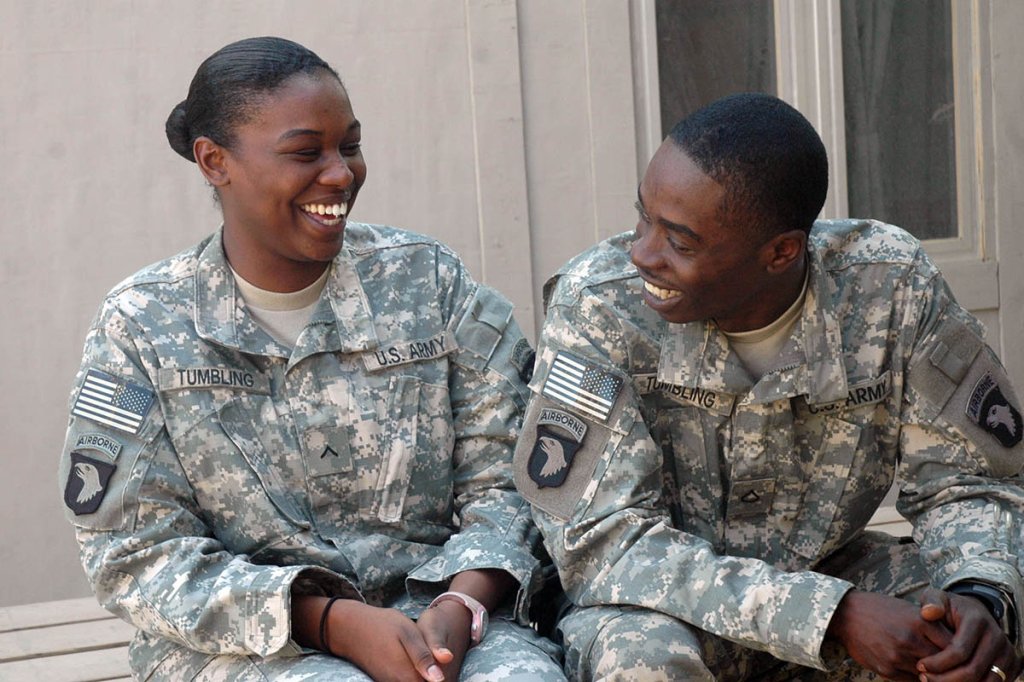
The shift within the community now challenges assumptions previously shared on who serves, who the support is, and what a military family looks like.
Recognizing all these overlapping identities keeps our community stronger. We are seeing this as a reflection on broader changes within the armed forces as more women chose to wear the uniform.
“We are excited to report the surging number of active-duty enlisted females across the service branches,” Pentagon press secretary Kingsley Wilson said in August 2025. “Leadership matters, and women are excited to serve under the strong leadership of [Defense] Secretary [Pete] Hegseth and President [Donald J.] Trump.”
The military family story is no longer defined by two separate paths, but by the way those paths intersect through shared experience and commitment to the mission.
Changing What a Military Spouse Is
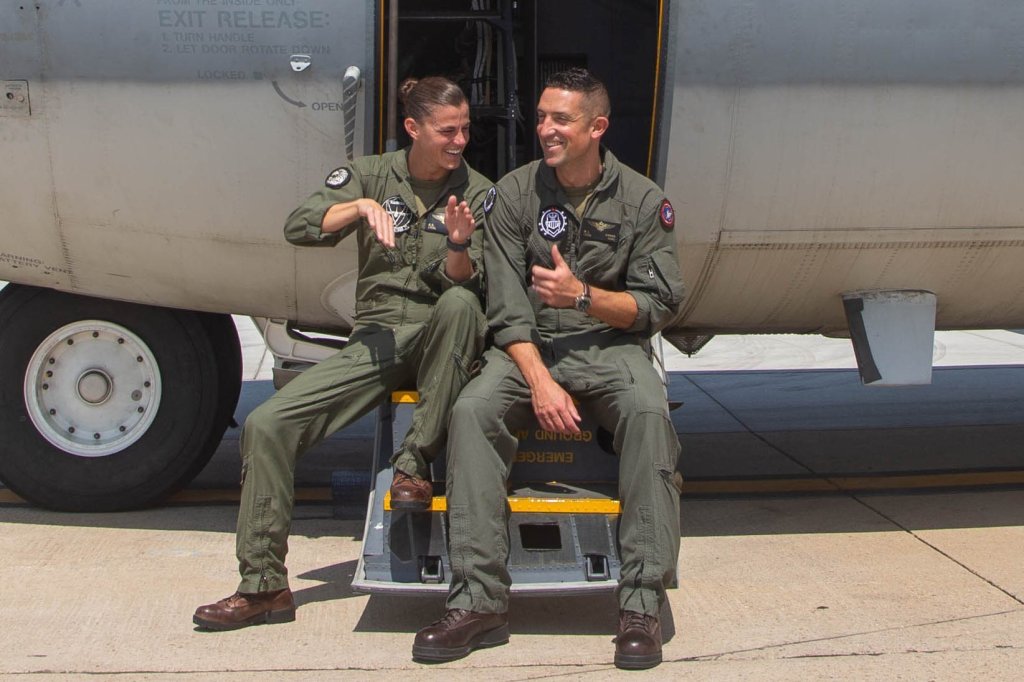
As much as this new role of military spouse could be seen as a replacement of identity, it should be seen as an expansion of it. The dual perspective is a powerful tool that adds depth to military family life. A veteran spouse understands both sides of the system and understands the reality of supporting someone who continues to serve with an insider look.
This also serves as a reminder that when service ends, even though the contract is complete, it will forever be part of someone’s story. It has shaped them and will continue to be part of how they lead, support others, and keep fighting for our community.
When a veteran becomes a military spouse, it is not the end of the connectedness to service, it is an ongoing commitment and dedication to something bigger than oneself.