
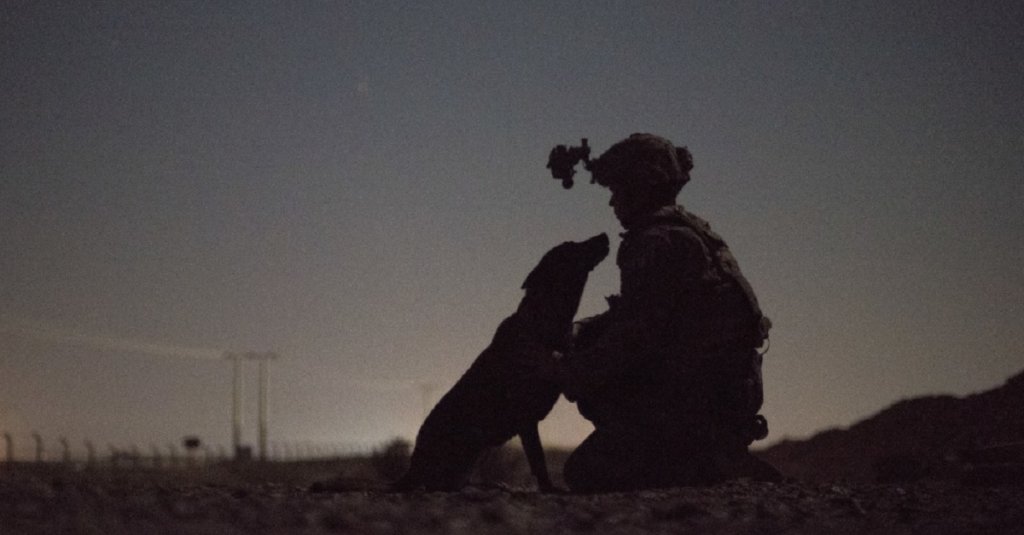
People hear “military working dogs” and picture some Hollywood hellhound on a leash, all teeth and slow-motion. Reality is funnier and way more impressive: a highly trained professional who’ll clear a room, find explosives, and then immediately pivot to “Where’s my tennis ball?” like it’s his full-time job.
Military working dogs (MWDs) sit in a weird, sacred lane in the services. They’re not pets, but they’re also not “gear.” Handlers treat them like a teammate because that’s what they are, and the culture reflects it. In a lot of units, the dog “outranks” the handler by tradition, which is both a joke and a not-so-subtle reminder that you don’t get cute with the animal that keeps you alive.
Also Read: A brief history of animals in the US military
They’re built for specific jobs, too. Depending on the mission, that can mean explosives detection, narcotics detection, patrol work, tracking, and more. The pipeline is serious, selection starts early, and the training is reward-based because dogs learn faster when the work feels like a game they’re determined to win.
And for everyone who thinks this is just “teach dog to sit,” consider this: the training enterprise around Joint Base San Antonio-Lackland has been big for decades, with large numbers of dogs in the system at any given time, and specialized courses that run for months.
With that said, here are 13 moments that prove military working dogs are simultaneously absolute professionals and, yes, very good puppies.
1. Meet Cpl. Chesty XIV
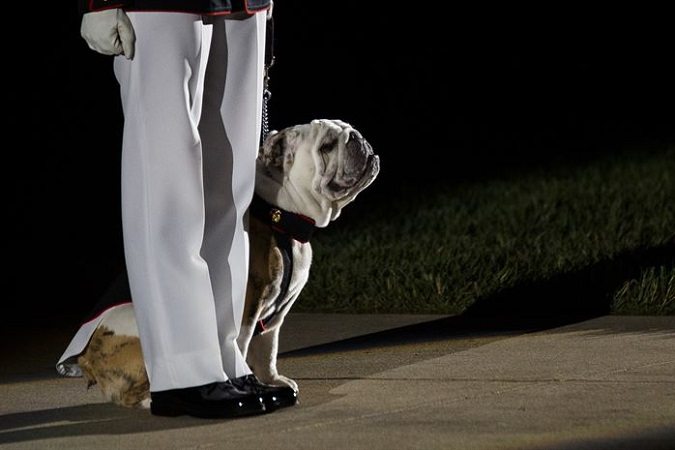
A bulldog mascot already has an unfair advantage in a Marine Corps context. Chesty XIV didn’t just show up for photo ops. He looked like he’d smoke-check your haircut, then take a nap like he earned it. Somehow, he still seemed more squared away than half the lance corporals within a 50-mile radius.
2. Jump with Sgt. Maj. Fosco
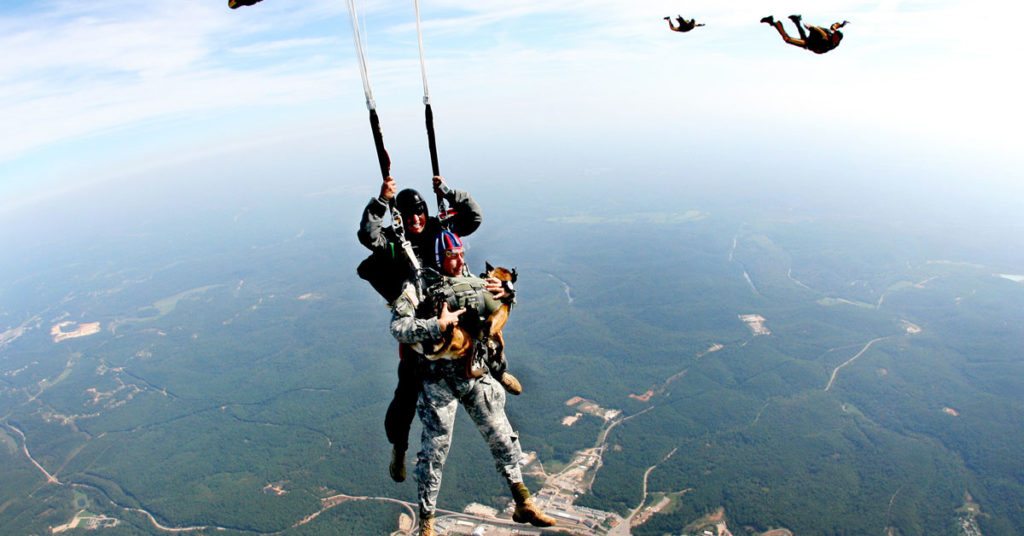
Some troops spend their whole careers chasing cool schools and still never get a story this clean: Fosco completed an airborne jump while being held by his handler. If you’ve ever met an airborne guy who won’t shut up about being airborne, imagine the psychological damage of getting out-jumped by a dog.
3. Selection and training of MWDs start at birth.
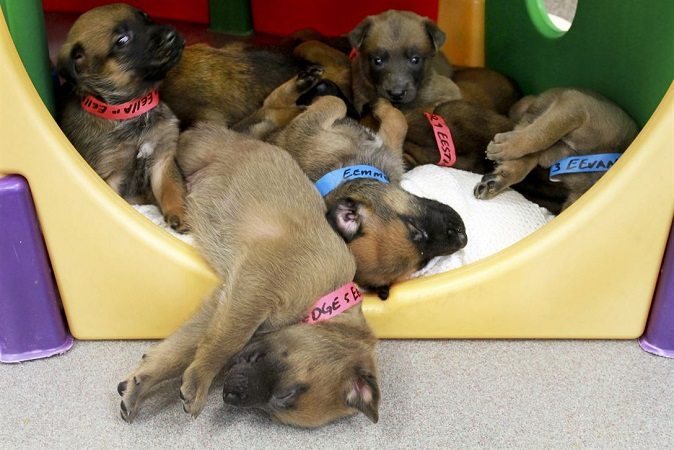
MWD selection and training isn’t a last-minute decision. The high-energy pups, the ones wired to chase, learn, and stay engaged, are often the ones that take to the work. In other words, the puppy that won’t stop moving is not “bad.” He might just be employed later.
4. The training process is a rough 93-day program.
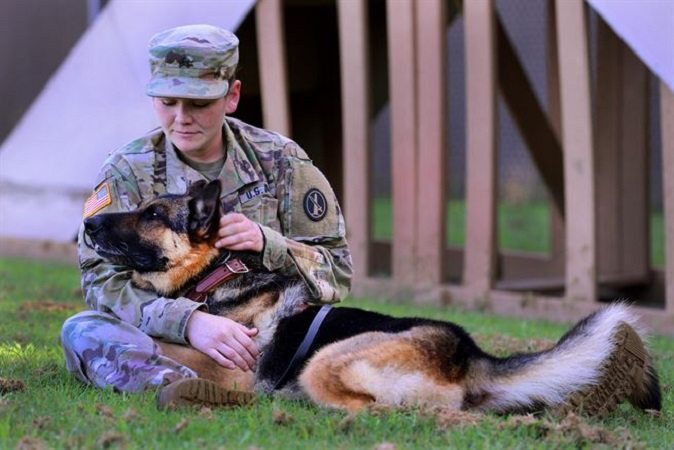
The course load is no joke, and it’s built around positive reinforcement. Dogs don’t need a motivational speech. They need clear cues, consistency, and a reward that makes their brain light up. Handlers learn, too, because most human beings are not naturally fluent in “highly driven working dog.”
5. Deployments hit different.
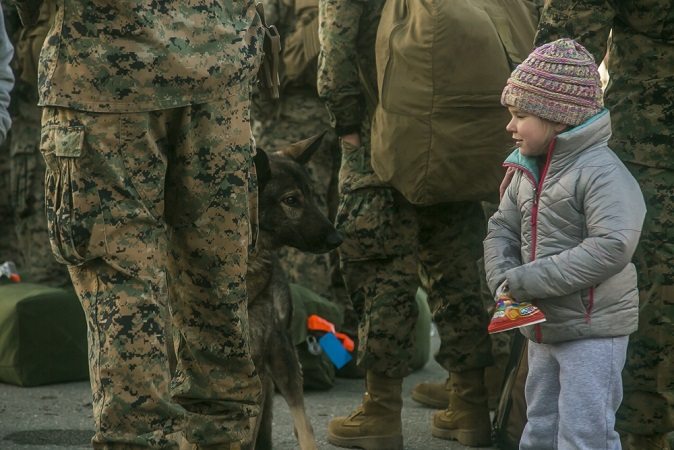
You can train for noise, stress, movement, and weird environments, but deployment is deployment. The photo here is a reminder that the dog isn’t a robot. The dog is processing the same chaos, just with better senses and fewer opinions about leadership.
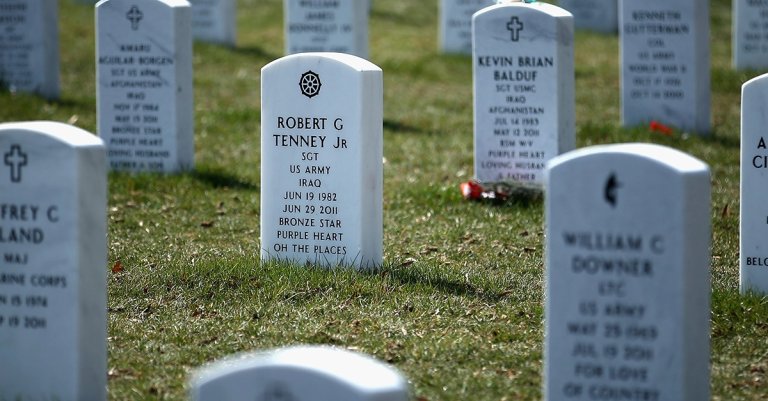
6. The memorials exist for a reason.
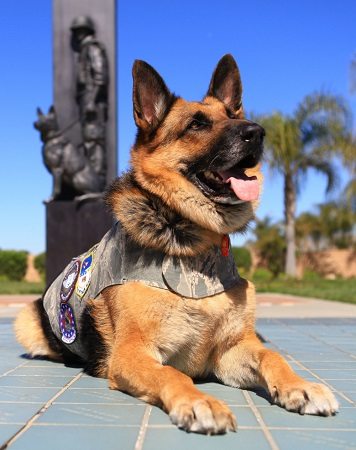
There are statues and monuments dedicated to military working dogs because the service is real, the loss is real, and the bond is not a slogan. One major national monument sits at Joint Base San Antonio-Lackland, right where so many of these dogs start their careers, and it exists because people refused to let the story fade out.
7. Aeromedical troops learn the basics of veterinary care.
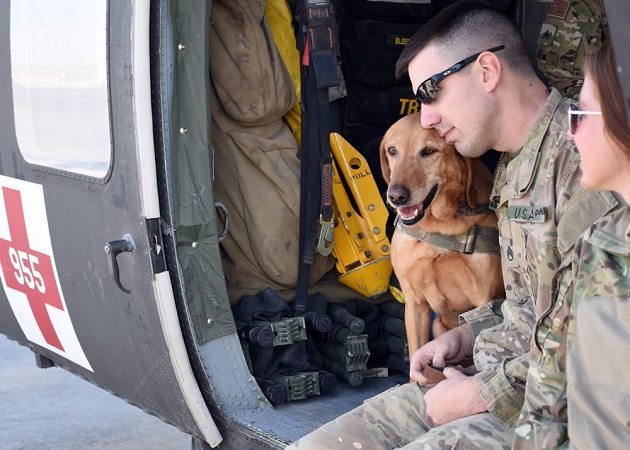
In the same way units cross-train for emergencies, aeromedical personnel may need enough veterinary know-how to move a wounded dog safely. Because in the moment, you don’t get to say, “Sorry, that’s not in my lane.” You get to adapt and keep the teammate alive.
8. Working dogs never complain.
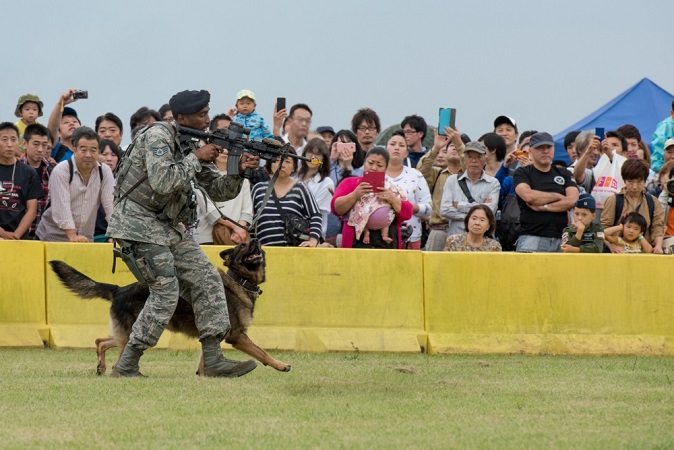
Most dogs don’t complain about drills. They don’t dread the range. They don’t sandbag because they’re “not feeling it.” If anything, time with the handler is the reward, and the work is the game. That’s part of why good teams look less like “person controlling animal” and more like two operators running the same play.
9. Tennis balls are clutch for explosives detection.
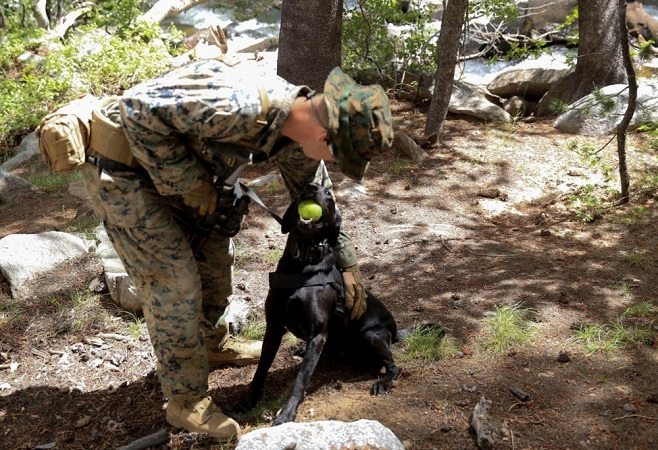
Detection work often uses a simple truth: dogs will do ridiculous things for the reward they love most. Tennis balls show up again and again because they’re portable, they’re exciting, and they turn “find the scary thing” into “win the best prize.” Even explosive detection dogs in other federal roles are commonly rewarded with ball play after a successful alert.
10. Dogs are the only troops willing to train constantly.
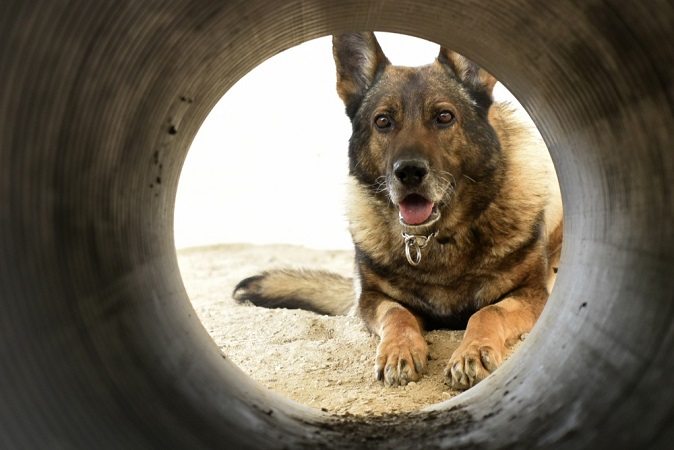
The photo nails the vibe: these dogs will work whenever you ask, and they’ll act like you’re doing them a favor by letting them do it. “Motivation” is not the issue. Channeling it is the issue.
11. They call us “Dogface Soldiers.” They’re just dogs.
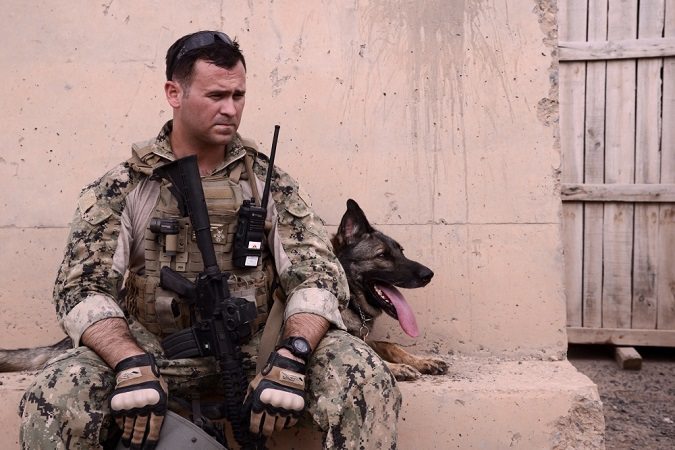
“Dogfaced Soldier” was never meant to be an instruction, but here we are. This one’s pure visual comedy with a side of pride: the Army’s long history with the phrase colliding with an actual dog in a Soldier context.
12. Technically, they outrank you.

The tradition that dogs outrank handlers is half joke, half culture-enforcement. The real point is respect, care, and partnership. If the dog wants a moment to play, decompress, or reset, smart handlers listen. You can’t “tough it out” through stress the way humans pretend they can.
13. Military Working Dogs get the same respect as human troops.
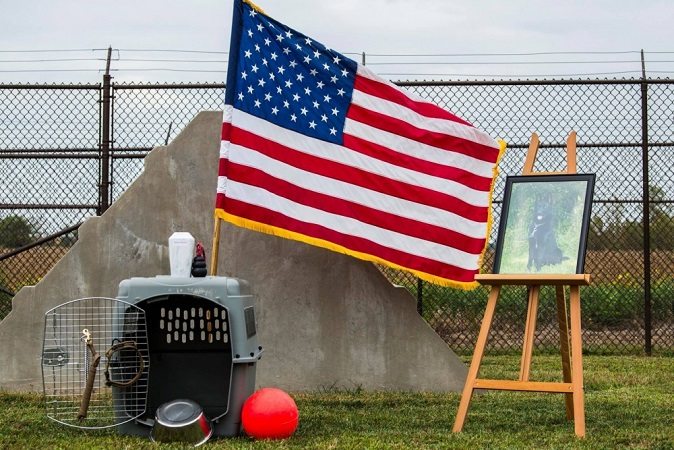
MWDs are treated with a level of ceremony that surprises people outside the wire. They’re recognized, they’re honored, and when they’re gone, units and communities often mark it in ways that look a lot like how we honor our own. The final image lands like a quiet salute: a reminder that the job takes a toll, even on the best boys and girls.
Military working dogs are one of the few corners of military life that cuts through cynicism. No PowerPoints. No politics. Just a handler, a dog, and a job that matters.
Don’t Miss the Best of We Are The Mighty
• The Black Seminoles’ culture and legacy of resistance and strength
• ‘Project Jedi’ aimed to teach soldiers to use the Force when firing weapons
• 10 military dogs who made history
Loading comments…
Comments couldn’t be loaded. Please refresh the page.