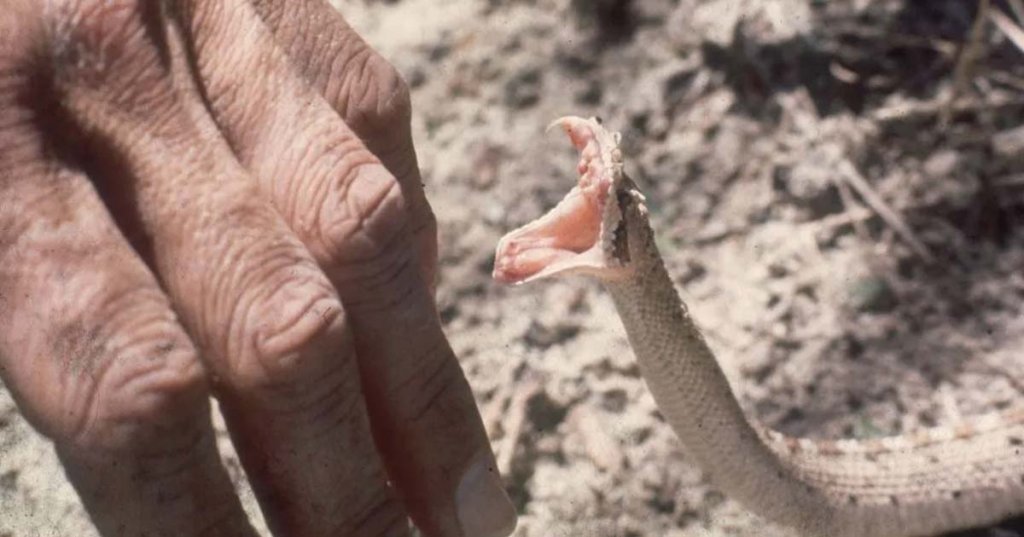
A new Cell study suggests human-derived antibodies—first found in the blood of self-taught snake handler Tim Friede—can help form a broad antivenom. In mouse tests, the cocktail protected against venom from 13 of 19 deadly elapid snakes, including cobras and mambas. It’s early-stage, but real progress toward treating bites without perfectly matching the species.
Sure, troops getting bitten and envenomated by poisonous snakes isn’t high on the list of things the Department of Defense needs to worry about. It’s probably not even in the top 100, but for the guy in the unit who was bitten by a Saw-Scaled Viper while out on patrol, it’s a huge deal. That particular viper is active at night, very common in Afghanistan, and is responsible for the most snakebite deaths. It would take about 15 minutes to become one of the biggest issues a troop has out in the field.
Related: How World War II changed modern medicine
But to combat a venomous snake bite, you need to get the specific snake’s antivenin, if one is available. Getting a particular kind of snake antivenin anywhere in Afghanistan was a logistical nightmare, not to mention that the U.S. military had to acquire the treatment from the government of Iran, which has not traditionally been our best friend.
It would be so much easier if your medic or doc just happened to have that kind of treatment readily available, but since there are more than 100 different kinds of snake antivenins available, the chances aren’t great. In America’s next war, however, things might be different. A former truck driver from California has been on a nearly 20-year journey of injecting himself with snake venom, and his effort may have led to a universal cure for venomous snakebites.
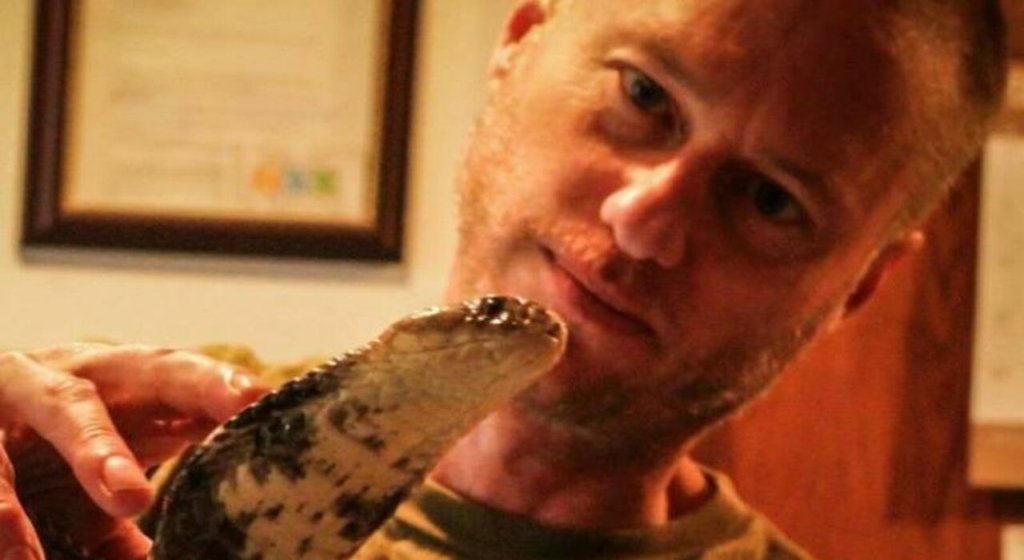
Tim Friede is a self-taught herpetologist, a scientist from an old breed. He’s like Evan O’Neill Kane, who removed his own appendix to prove it could be done using local anesthetic, or Dr. Barry Marshall, who ate a dish of H. pylori bacteria to prove it caused ulcers. He’s a researcher at Centivax, a biotech firm with the mission of creating universal vaccines and broad-spectrum anti-infectives. While the company is working with the Department of Defense to create new antibiotics and a universal vaccine for influenza, Friede is on a whole different project.
Friede’s project is a broad-spectrum anti-venom, but his methods are pretty unusual. He started out by injecting himself with snake venom to build up an immunity, in case he was bitten while handling snakes at work. When he received two cobra bites in a row that left him in a coma, he decided to take a different approach. He has since taken more than 200 bites and more than 700 injections of venom, many from the world’s deadliest snakes with venom that can kill a human very quickly—unless that human is Tim Friede.
The way antivenin (or antivenom) serums are created is by injecting small amounts of the poison into animals like horses or lambs. When the animals’ immune systems start producing antibodies to fight the intruder, the antibodies are harvested and made into life-saving treatments. The only problem is, historically, you need to know what bit you. The snake antivenom serum must be matched to the specific snake. Centivax, with its unique mission, started looking to create something more universal. That’s where Friede came in.
If the cobra that put Friede in a coma were to bite him today, the only effect it would have is a slightly annoyed Tim Friede. He’s not only immune to cobras, he’s been bitten by mambas, kraits and even taipans, the world’s most toxic snake.
“It just became a lifestyle and I just kept pushing and pushing and pushing as hard as I could push,” Friede told the BBC. “… for the people who are 8,000 miles away from me who die from snakebite.”

Man who injected himself with venom hundreds of times could revolutionize snakebite treatment
Centivax began looking for antibodies from 19 elapids, snakes whose venom is a potent neurotoxin in Friede’s blood. The ones they chose are identified by the World Health Organization as among the world’s deadliest. They found them. A study published in the medical journal “Cell” revealed two “broadly neutralizing antibodies” that protected lab mice from fatal doses from 13 of 19 venomous snake species.
While mouse studies aren’t human trials; experts say ‘broad’ may beat ‘truly universal’ in practice. That kind of protection means it can cover venomous bites from some snakes that don’t currently have an antivenom and may even lead to a treatment for all elapid bites.
There are currently a dozen different classes of toxins within snake venoms, and because of Tim Friede’s 20-year mission, there may soon be a “cure” for all of them within the next 20 years.
“I’m doing something good for humanity, and that was very important to me,” he said. “I’m proud of it. It’s pretty cool.”