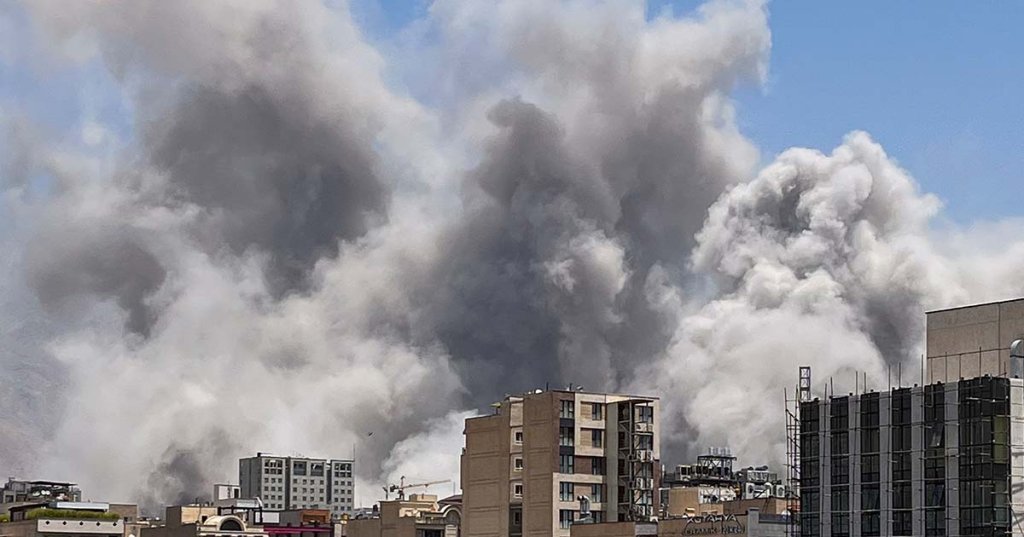
As news hit the airwaves that Israel was conducting airstrikes on military and nuclear sites in Iran, Israel commandos were on the ground inside the Islamic Republic, communicating with the Israeli Air Force and Mossad, Israel’s intelligence agency. The announcement came as the war began, but what Mossad and the commandos were able to do inside unfriendly territory before the shooting ever started is the bigger surprise.
The Israel-Iran War, also known as the 12-Day War in some circles, began on June 13, 2025, as Israeli fighters began surprise attacks on Iranian nuclear facilities. Their targets weren’t limited to bases and enrichment centers. The IAF struck Iran’s air defenses, key military and civilian leaders, and nuclear scientists. In the first day alone, some 200 fighters hit 100 targets across the country.
READ: Aviation nerds are mourning Iran’s F-14 Tomcats
“We achieved full control of the Iranian skies and every location we chose to operate in. This was made possible in part thanks to the joint efforts and subterfuge of our air forces and commandos on the ground,” Israel Defense Forces Chief of Staff Lt. Gen. Eyal Zamir said in a June 2025 press conference. “These forces operated covertly in the heart of enemy territory, securing operational freedom of action.”
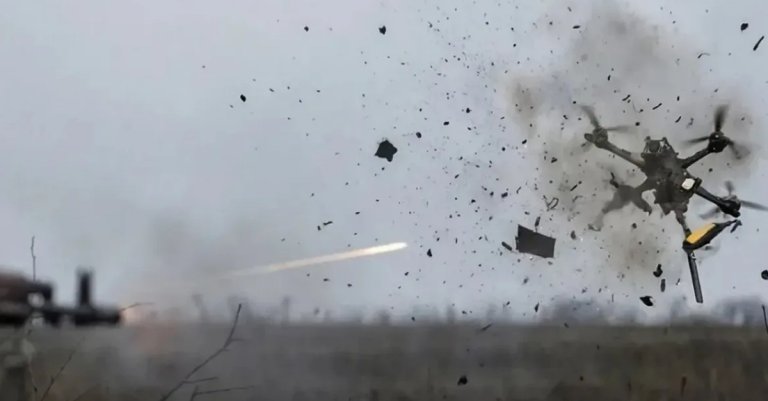
Zamir was the first Israeli official to publicly admit that Israel had troops deployed inside Iranian territory. Along with Mossad, the commandos sabotaged Iranian air defense systems and missile launchers. Other operatives were able to set up a covert drone base located just outside of Tehran, an installation that allowed the Israelis to smuggle precision weapons and commandos inside the country. These drones targeted surface-to-surface missiles that Iran would have fired back toward Israel.
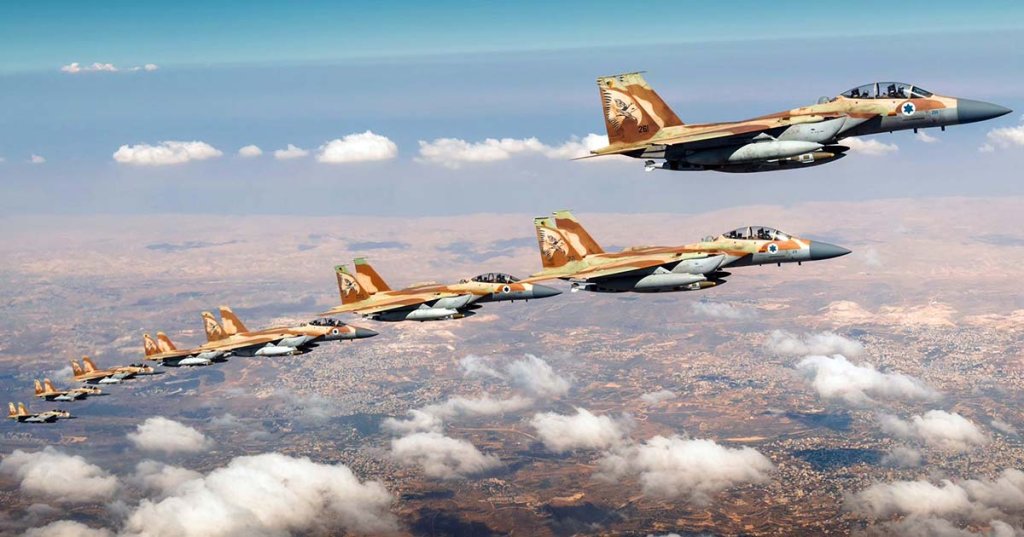
The precision weapons and commandos smuggled into the Islamic Republic are what allowed Israel to operate so freely in Iranian airspace during those 12 days in June. Air Superiority was established almost immediately. Some 30 Iranian generals and nine nuclear scientists were killed in the first minutes of the air assault.
It was “groundbreaking thinking, bold planning and surgical operation of advanced technologies, special forces and agents operating in the heart of Iran while totally evading the eyes of local intelligence,” an unnamed Israeli official told the Times of Israel after the 12-Day War.
Israel also struck nuclear sites across Iran, including a centrifuge workshop in Isfahan, the nuclear facility at Natanz, and the Fordo Fuel Enrichment Plant. The United States also struck the Fordo, Natanz, and Isfahan nuclear sites.
Iran and its allies and proxies were still able to fire hundreds of ballistic missiles and more than a thousand explosive drones toward Israel in retaliation for the strikes. Iran also claims to have captured dozens of drones and hundreds of Mossad operatives in the days since the June 24, 2025 ceasefire was announced.
Despite the overwhelming effort, air superiority, and combined firepower of the United States and Israel, Iran’s ability to enrich uranium, along with its nuclear stockpile, is far from destroyed. The Pentagon said the 12-Day War instead set Iran’s nuclear program back by two years.
“The Iranian nuclear project suffered a hard, broad and deep blow and sets it back by years,” Zamir added to his televised statement. “The campaign is not yet finished. We must remain on guard – many challenges await.”