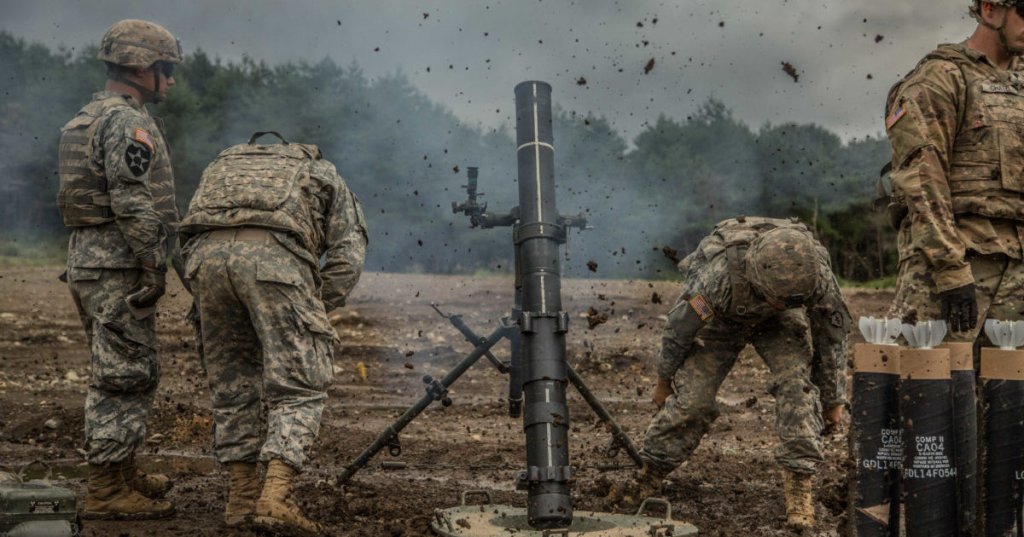
Mortars used to be considered artillery weapons because they lob hot metal shells, sometimes filled with explosives, down on the enemy’s heads.
But the mortar migrated to the infantry branch, and the frontline soldiers who crew the weapon maneuver into close ranges with the enemy and then rain hell down upon them. Here’s what makes the mortarman so lethal:
1. Mortarmen can emplace their system and fire it quickly
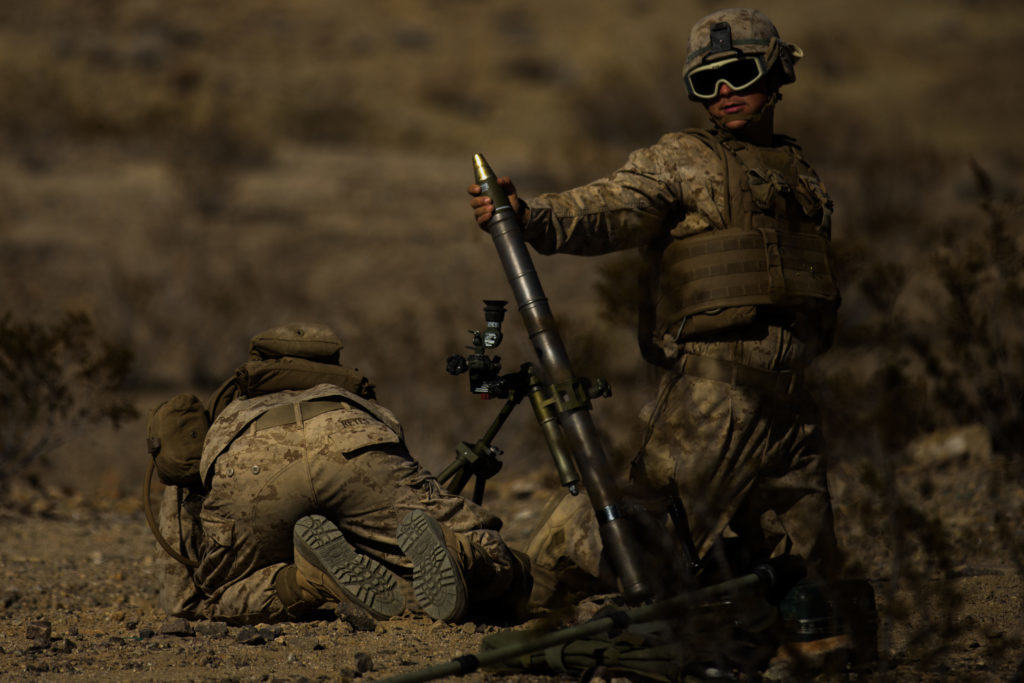
Mortars are essentially a tube, a sight, and a baseplate, allowing them to be assembled at the front and quickly brought into operation. In some situations, the tube can even be sighted by hand and fired without the baseplate, though both actions reduce the accuracy.
2. Mortars can maintain a relatively high rate of fire
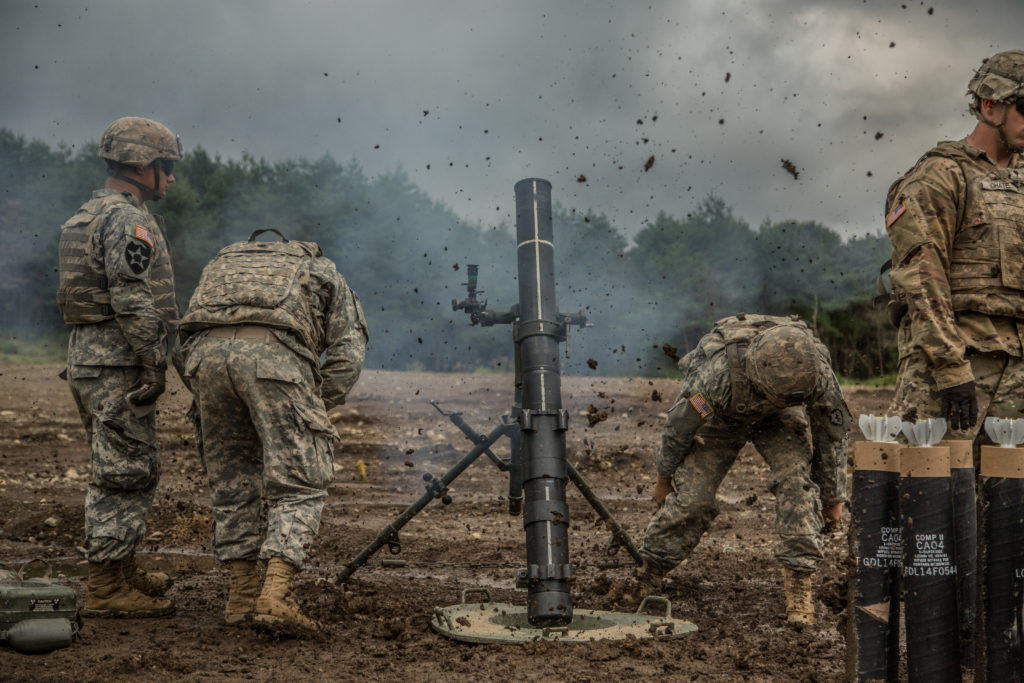
Because mortar rounds move at a lower rate than howitzer rounds, they require less propellant and generate less heat. This allows them to be fired more quickly. For instance, the M120 120mm mortar system can fire 16 rounds in its first minute and can sustain four rounds per minute. The M1911 howitzer can fire 12 rounds in two minutes and sustain three rounds per minute.
3. The mortar crew is located near the front, so it can observe and direct its own fire
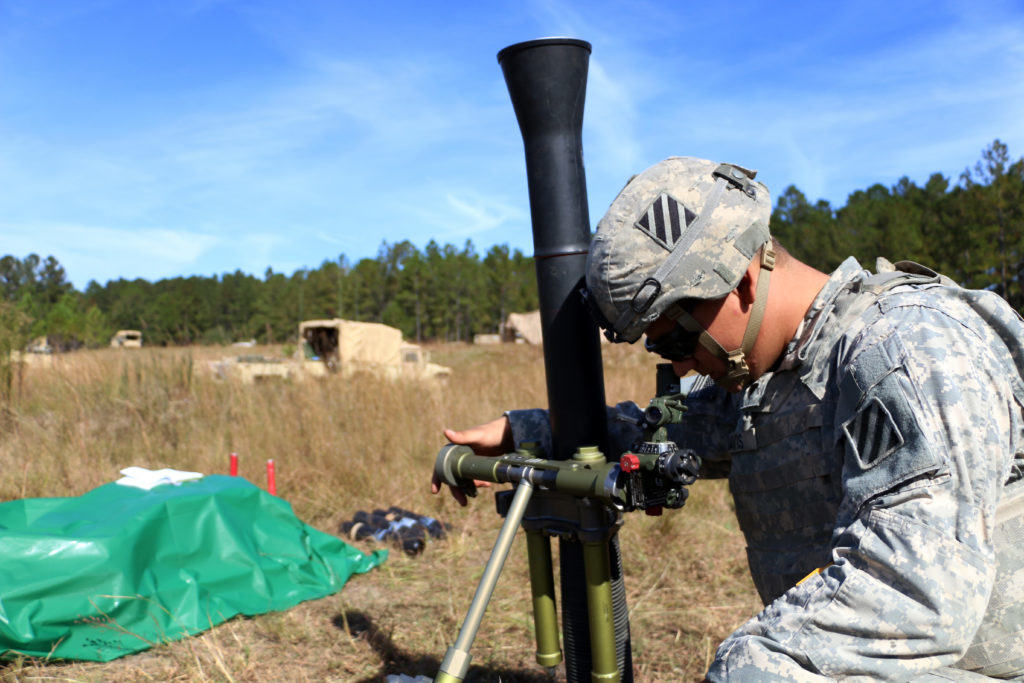
Mortars generally maneuver forward with the other infantrymen, allowing them to see where their targets are and where they land. If necessary, the mortar can still fire from out of sight if a forward observer or other soldier provides targeting adjustments.
4. Mortars are often in direct communication with battlefield leaders, allowing them to react to changes in the combat situation quickly
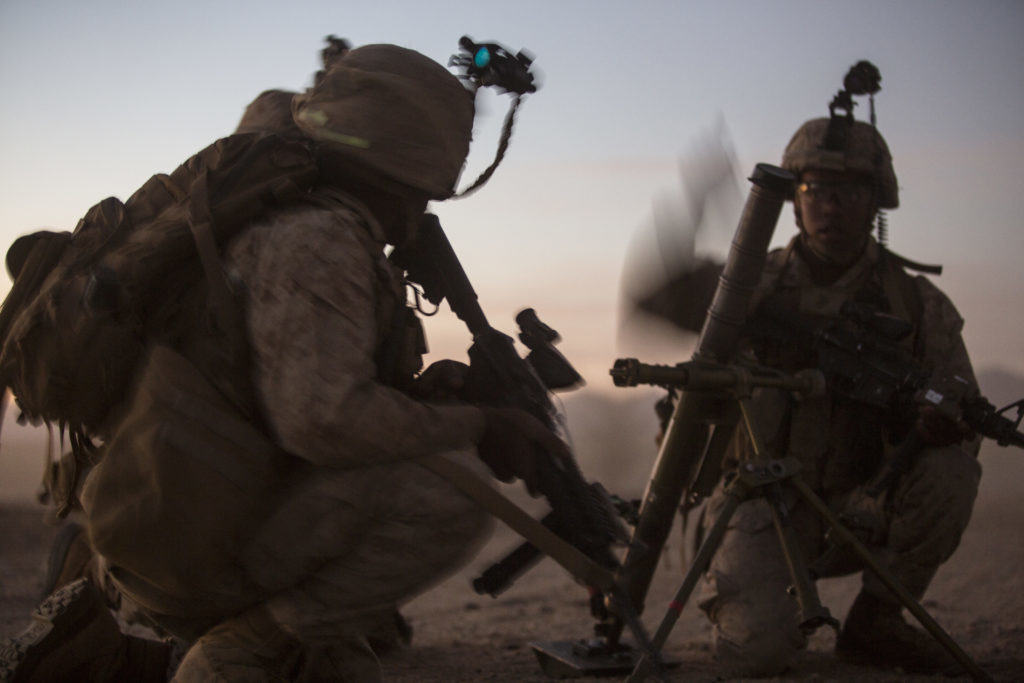
Since the mortars are moving with the maneuver element, they can see friendly forces and are often within yelling distance of the battlefield leadership. This allows them to shift fire as friendly troops advance and hit changing target priorities in real time.
5. Mortars can be equipped with different fuzes, allowing the weapon’s effects to be tailored to different situations
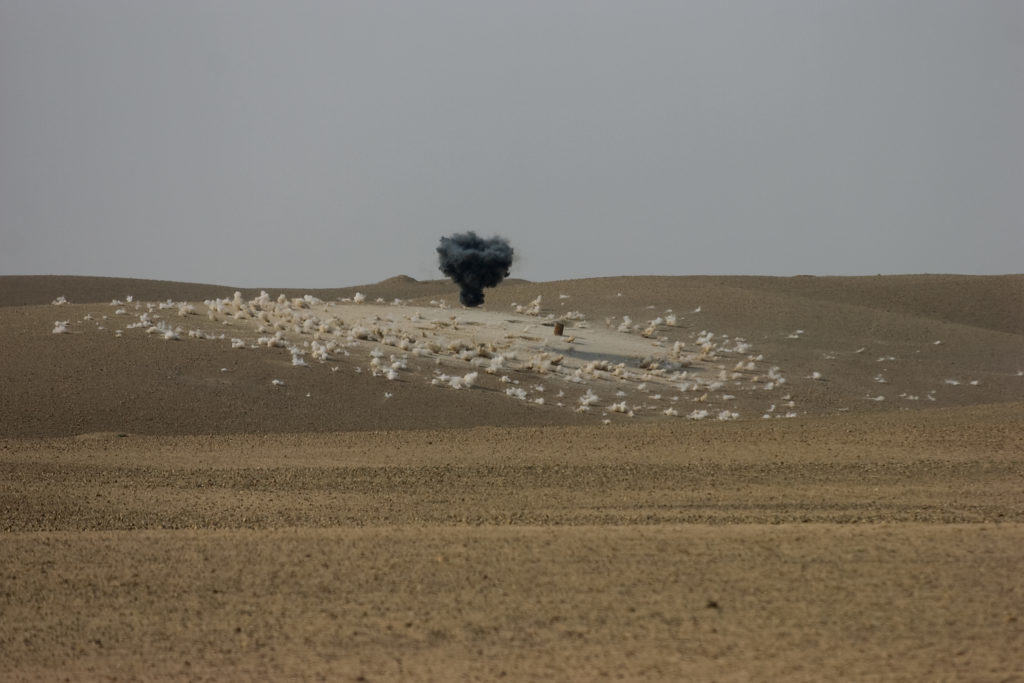
A 120mm mortar shell airbursts. Mortars can be set to detonate a certain distance from the ground, after a certain time of flight, upon hitting the surface, or a certain amount of time after hitting the surface. It all depends on what fuzes are equipped and how they are set.
6. Most mortars are relatively light, allowing them to be jumped, driven, or even rucked into combat
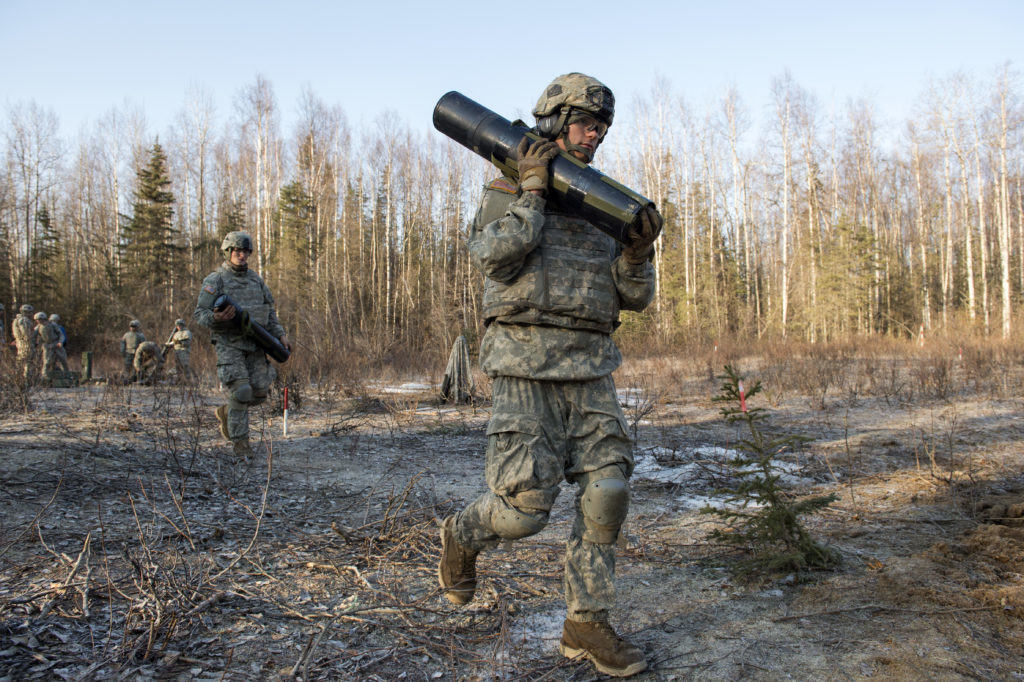
These paratroopers are carrying the M121 120mm mortar system. Mortars can be airdropped into combat, and the mortar ammunition can be jumped to the battlefield in soldiers’ rucks, as bundles dropped from the plane doors, or as pallets from the rear.
7. This mobility allows them to “shoot and scoot” and to stay at the front as the battle lines shift

8. Mortarmen are still infantry, and they can put their rifles into operation at any point
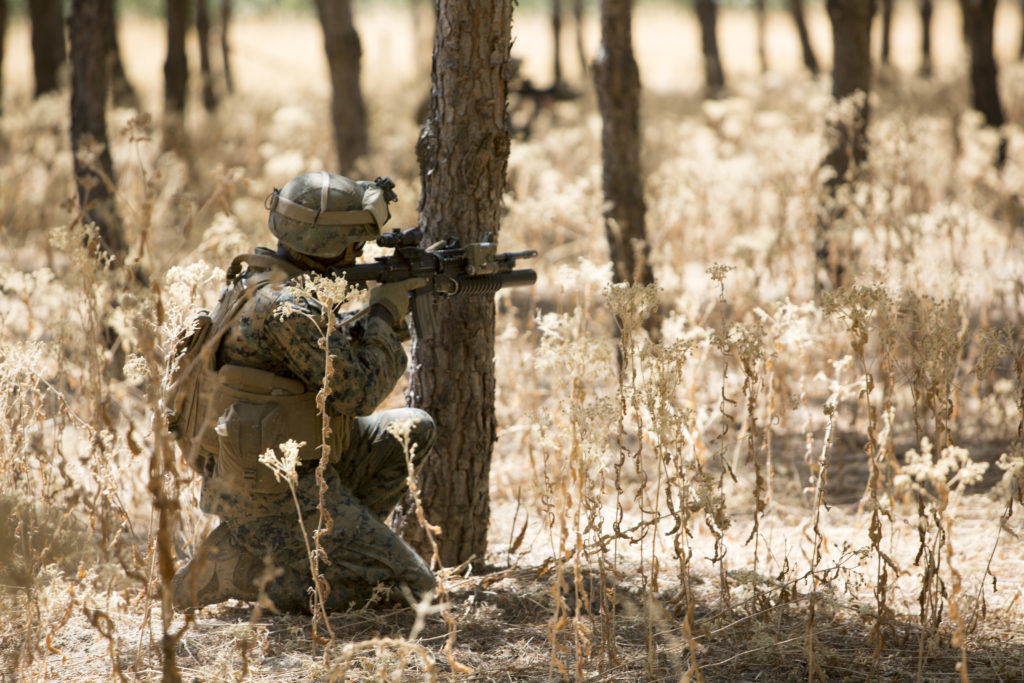
If a mortar position comes under direct attack or if the battle shifts in a way that makes mortars less useful than rifles, the mortarmen can move into action as riflemen. After all, mortarmen are infantry.
9. Also, machine guns.
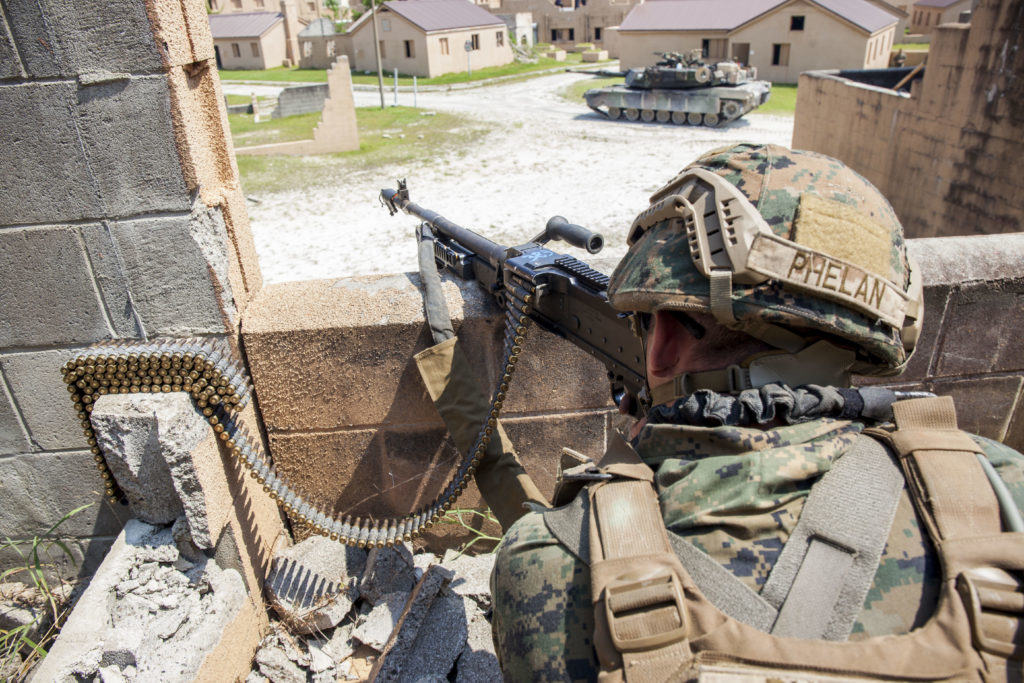
A U.S. Marine Corps mortarman pulls security during a modern operations in urban terrain exercise. Mortarmen can even be equipped with machine guns, though we don’t envy the guy rucking a mortar baseplate and a machine gun.