Throughout history, an arms race has persisted: a race between bigger and better weapons and the armor capable of protecting against those weapons. From swords and chainmail to ceramic ballistic plates and black-tip .30-06 bullets, the two are locked in a constant struggle to defeat each other.
On the armor side, a significant factor is mobility; armor can be nearly impenetrable, but it doesn’t do a soldier much good if it makes them immobile when they need to be on the move. While body-worn armor has become a standard for professional users, portable ballistic shields offer additional armor at the cost of weight. Enter the Integris NOX.
Related: This is why US troops don’t use ballistic shields
For over 30 years, Integris has been a world leader in composite armor solutions. Serving customers around the world, the company has developed an expertise in catering to specific protection requirements. On Oct. 14, 2025, the company announced it had been selected as a partner with American Rheinmetall for the U.S. Army’s XM30 Combat Vehicle program to protect mounted troops. One month later, on Nov. 12, Integris unveiled the NOX ballistic shield to provide protection for foot-mobile forces.
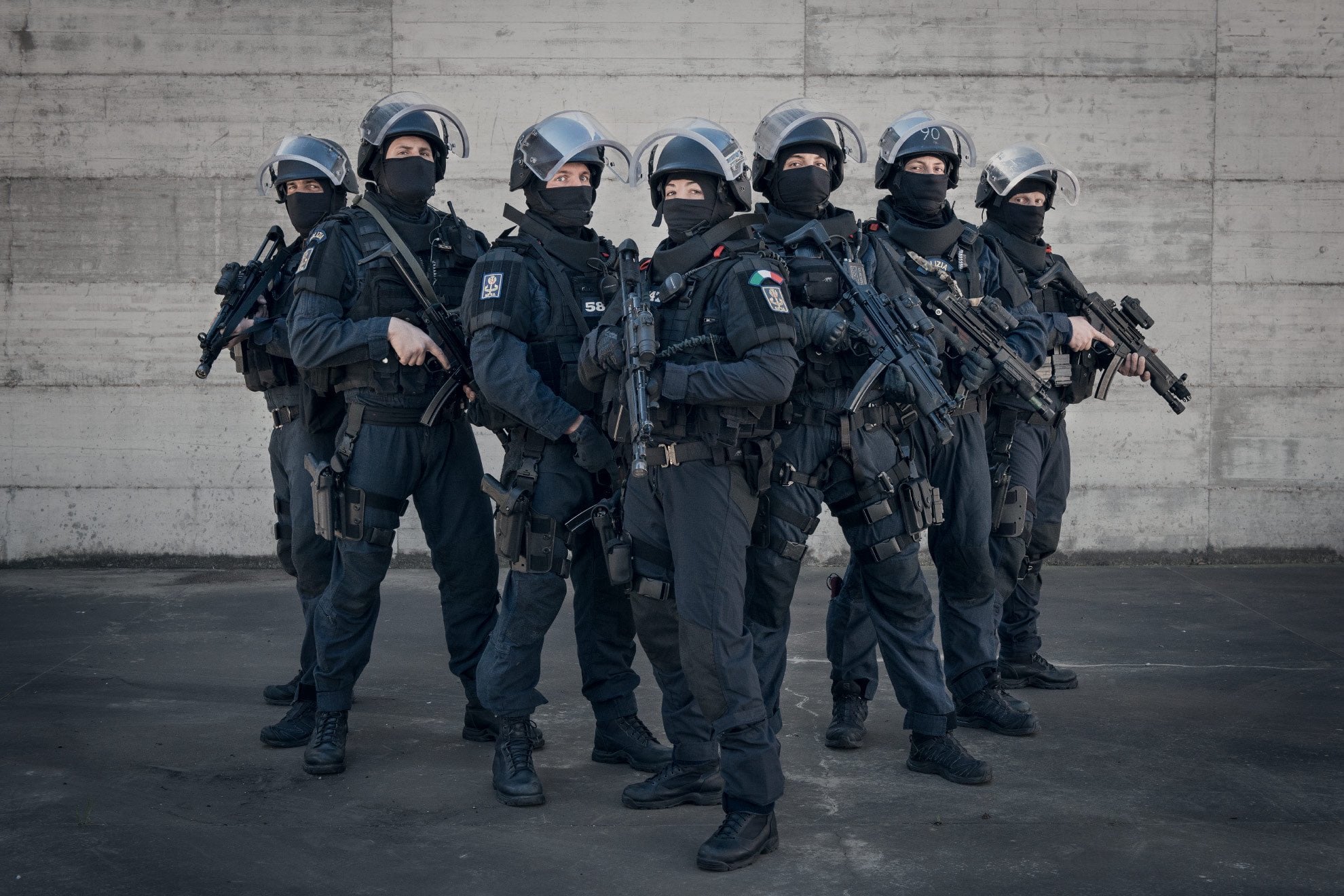
Intergis worked with the Nucleo Operativo Centrale di Sicurezza (N.O.C.S.), the Italian state police anti-terrorism tactical unit, to design NOX. Using feedback from field testing by the N.O.C.S., Integris optimized the compact shield for operations in confined environments like inside buses, trains, or narrow urban hallways. Operators also requested that NOX be portable up tight staircases and through restrictive doorways.
Windows, meanwhile, are another significant restriction on ballistic shields. While they offer a large surface area of protection, legacy shields can be difficult or even impossible to get through windows. Not only is NOX small and light enough to be employed through windows, the shield’s tungsten spikes allow operators to break vehicle or building glass to gain entry quickly and safely. NOX can be carried with one arm and used in conjunction with its integrated handgun rest, providing the operator with protection and a platform for accurate fire. Additionally, the shield can be worn on the shoulder or back to provide full mobility and protection in confined spaces.
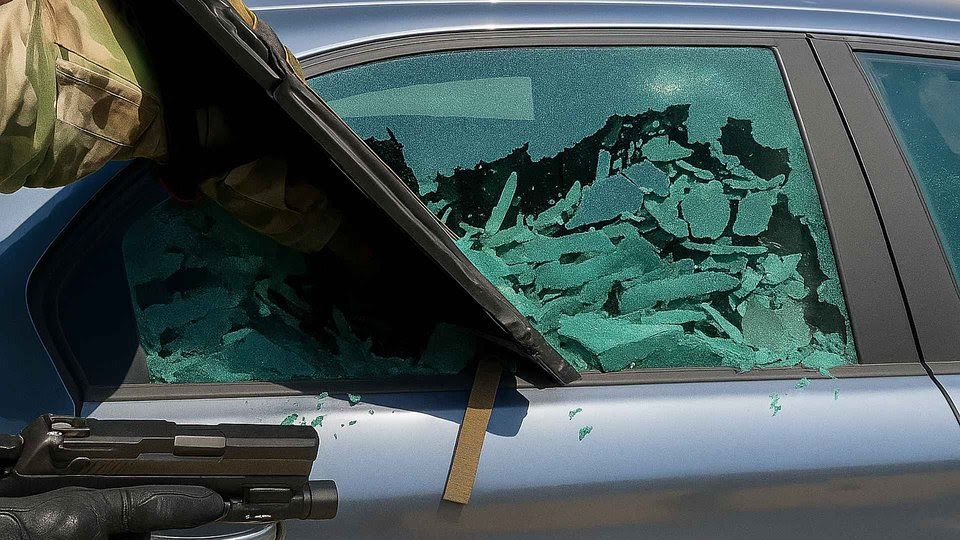
“Our missions often require rapid access through vehicles or elevated windows where conventional shields simply do not fit. At those moments, an operator was exposed the instant he appeared at the threshold,” an anonymous N.O.C.S. leader stated in an Integris press release. “With this shield, we will have protection during those crucial seconds. It gives us speed, control, and safety under conditions where every movement matters.”
Of course, a small, portable shield is no good if it doesn’t offer real protection. In close-quarters situations where a shield would be deployed, NOX offers a range of armor levels depending on the threats that a unit expects to face. Specifically, NOX is available in NIJ Level IIIA configuration to stop common handgun rounds like high-velocity 9mm and up to .44 magnum; it can be strengthened up to NIJ Level III+ which can defeat 7.62×39 MSC, a mild steel core round fired by AKM-style rifles.
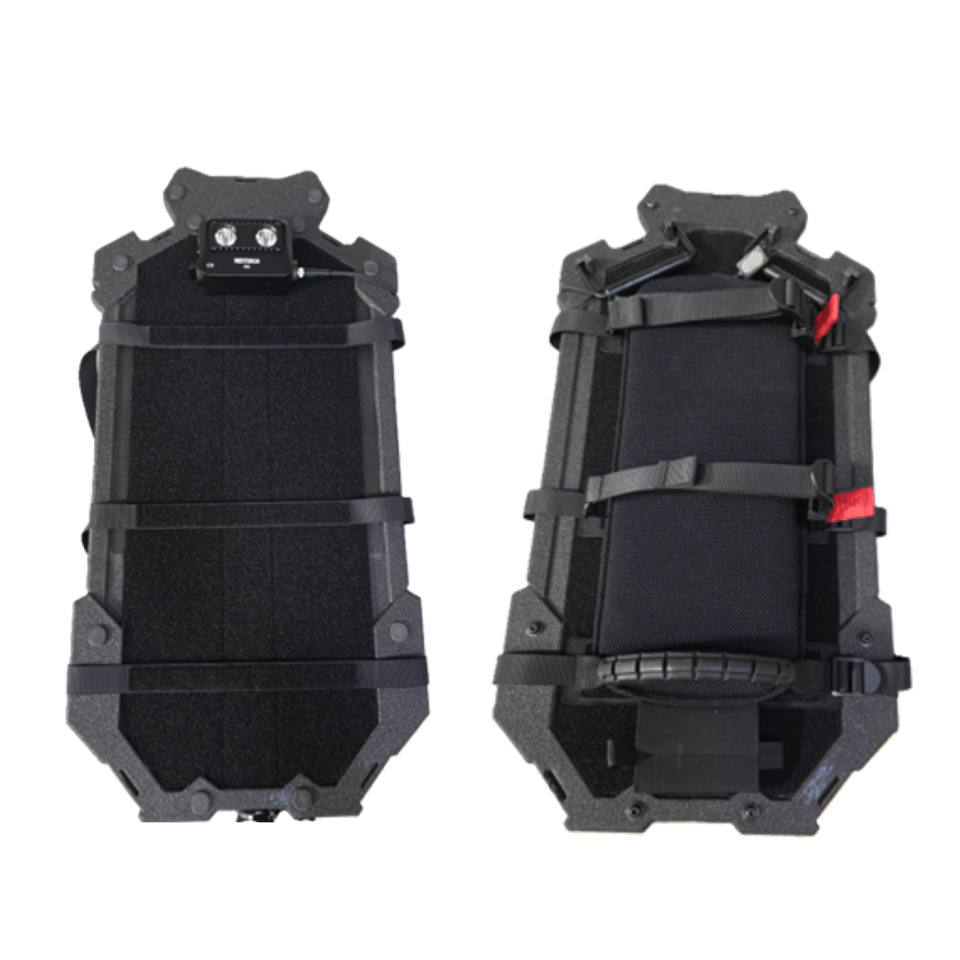
Further optimizing the shield for specific needs, NOX is part of the Integris “Design Your Own Shield” program. Units can customize features like target weight, shape, handles, protection level, and even accessories like lights. Think of it like a tactical Build-A-Bear, the “Build-A-Ballistic-Shield” workshop. Integris will debut NOX at the 2025 Milipol Paris International Safety and Homeland Security Event.
No doubt ammunition manufacturers will be upset by the evolution in the armor game.