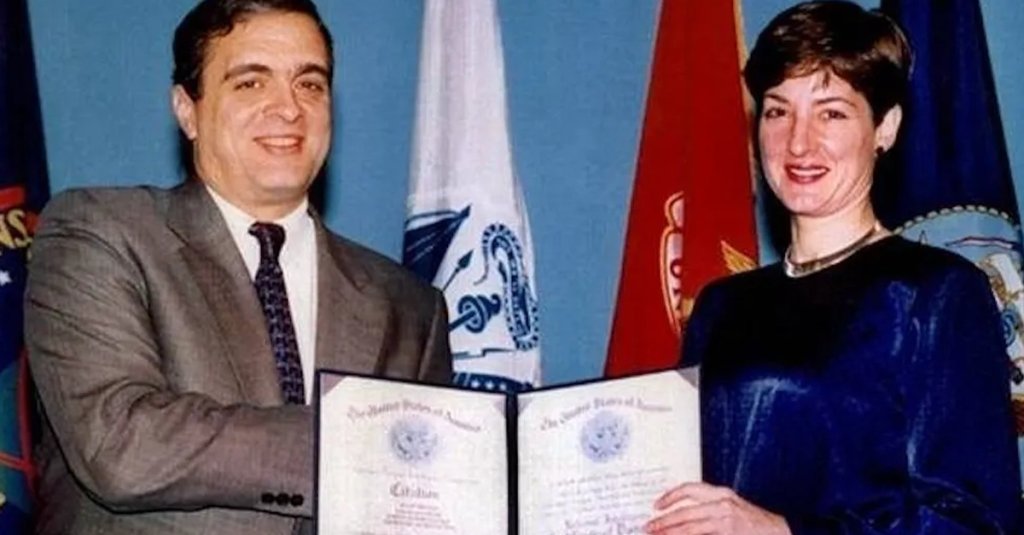
The U.S. military spends oceans of money and brainpower trying to keep secrets locked down, but history keeps proving an annoying truth: One determined insider can do more damage than a whole enemy battalion. Real-world spying isn’t tuxedos and martinis, either. The worst cases leave behind blown operations, compromised weapons, and Americans (sometimes a lot of them) who never make it home.
Related: Aldrich Ames, the Cold War’s deadliest CIA mole, completes life sentence
What makes these betrayals especially brutal is how ordinary the motives can be: greed, ideology, ego, resentment, or some toxic cocktail of all four. Some of these people sold blueprints and codebooks, others sold names and networks, and a few managed to do both. From nuclear designs and stealth tech to submarine secrets and the original American backstab, these are the spies who hit U.S. military readiness where it hurts most.
1. Julius Rosenberg gave Russia plans for nuclear bombs.
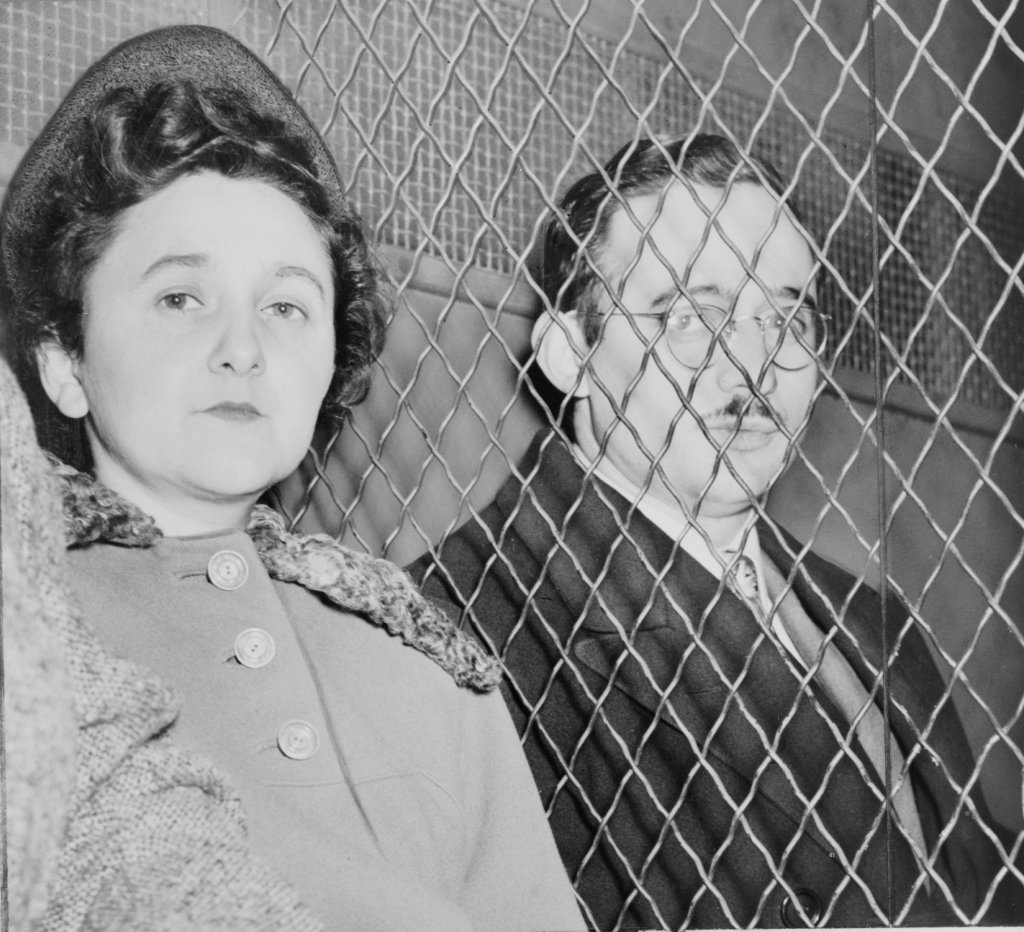
Julius and Ethel Rosenberg were arrested in 1950 for espionage that many thought dated back to 1940. They were most (in)famous for giving the Soviet Union atomic secrets, specifically the design for the plutonium bomb dropped on Nagasaki. The spy ring Julius operated was also responsible for giving the Soviets proximity fuses and radar tubes, two technologies key to effective air defenses, which would have played a large part if the Cold War had ever turned hot.
Documents from the Venona Project have shown that Ethel may not have been involved. Her brother, who was caught before the Rosenbergs and testified against both of them, later said that Ethel was not part of the ring. Julius and Ethel were both executed in 1953 after a controversial trial. The trial was called a sham, especially the case against Ethel Rosenberg. It was so hotly contested that it soured America’s relationship with France.
2. Noshir Gowadia gave B-2 Stealth technology to China.
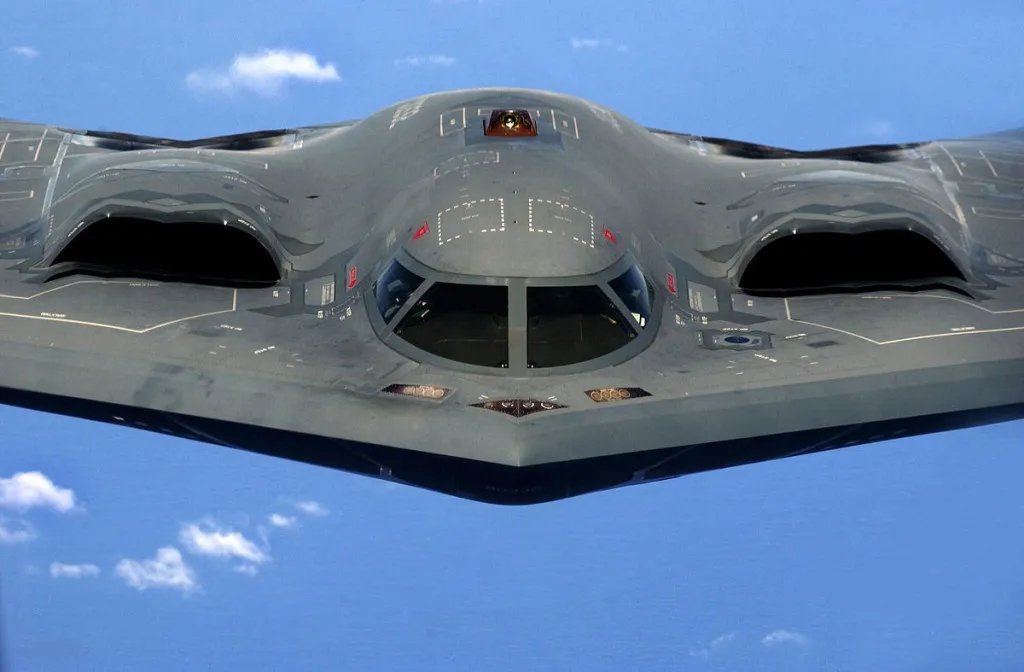
Noshir Gowadia is an Indian-American who was an engineer on early stages of the B-2 Spirit stealth bomber. Though Gowadia was paid $45,000 for his work, he was angry that he wasn’t kept on the project for future phases that were worth much more money. Gowadia wrote to a relative about his dissatisfaction and started his own consulting company.
In 2005, federal investigators arrived at his Maui, Hawaii home to collect evidence that he had knowledge of an effort to help China develop stealth technology for their cruise missiles. Gowadia admitted to many of the accusations, though he claimed he had only used declassified materials. A jury disagreed, and he was sentenced to 32 years in prison, disappointing prosecutors who had sought life imprisonment.
China is too closed off to know for sure which stealth designs use information from Gowadia, but China now has a stealth fighter and multiple cruise missiles that are hard to detect on infrared.
3. Chi Mak’s betrayal put modern sailors in jeopardy.
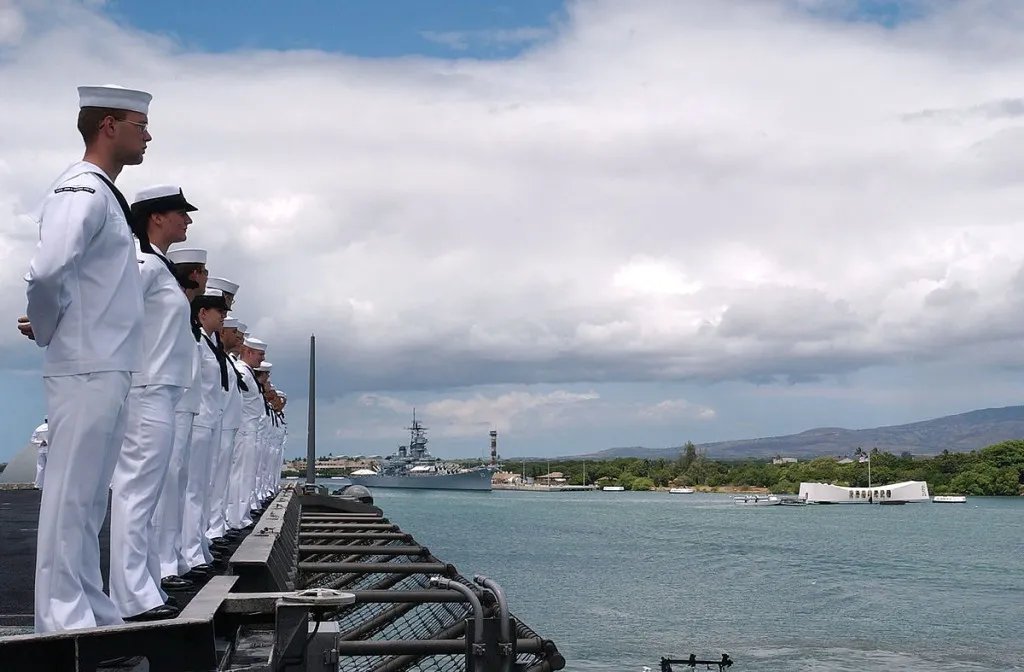
Chi Mak’s activities are hard to get exact, since much of his espionage career is still unknown. The FBI began investigating him in 2004, and the case went to trial in 2007. Mak had worked on Navy engines as an engineer for a defense contractor and had collected sensitive information from other engineers before sending collections of it to China.
When the FBI raided Mak’s home, first in secret and later after arresting Mak and his wife, they found stacks and stacks of classified information relating to naval technology, much of it still going into new Navy ships. The exact nature of what was released has not been made public as the technologies are still classified.
Mak is serving a nearly 24-year, six-month prison sentence after his conviction in 2007. The other spies who worked with Mak pled guilty, receiving shorter prison sentences and deportation orders.
4. Ana Montes deliberately misled the Joint Chiefs while leaking secrets to Cuba.

From 1984 to 2001, Ana Montes was slipping classified information to Cuba. Hers was a case of spycraft straight out of a novel: She’d don disguises to slip into Cuba, listen in South Florida to shortwave radio broadcasts from Cuba, and slip packages to handlers. And she did all of it with two FBI siblings and another FBI agent as a sister-in-law. Ana’s sister was a hero of an FBI crackdown in southern Florida that netted other members of Ana’s spy ring, including her handler.
Montes operated by memorizing documents at her desk, first in the Department of Justice and later in the Defense Intelligence Agency, and then typing them on her personal computer at night. She received medals from both the U.S. and Cuba for her activities, though only Cuba gave her a contracted lover. Before she was caught, she had become a regular briefer for the Joint Chiefs of Staff and the National Security Council. When she was finally arrested, she was pending a promotion to the CIA Security Council. She is currently serving a 25-year sentence.
5. Robert Hanssen and Aldrich Ames dimed out every spy they could name.
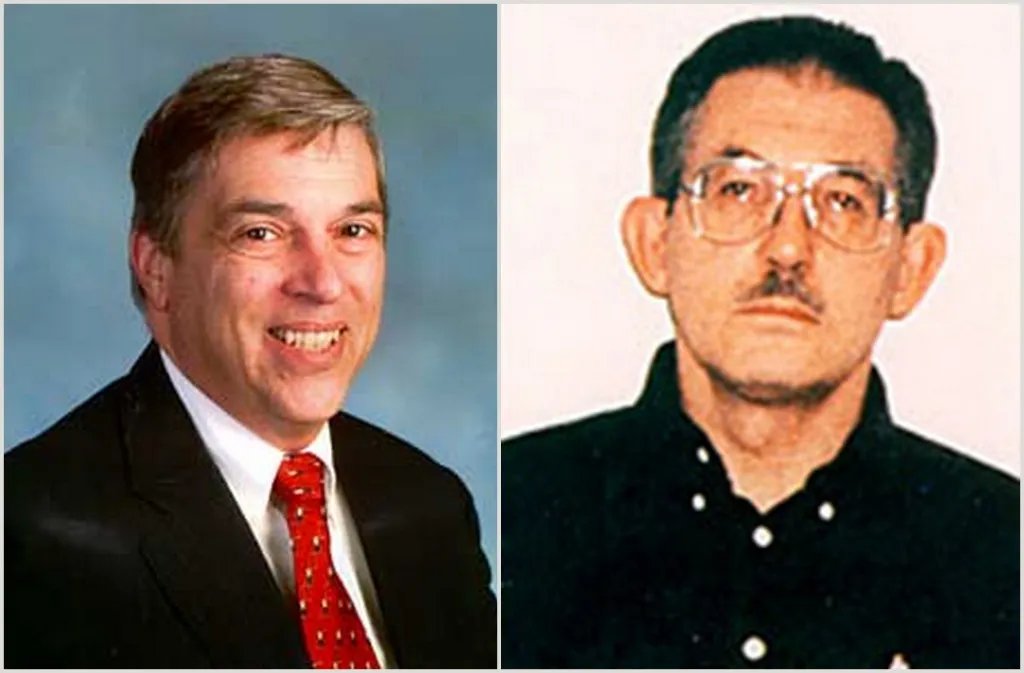
Though they’re combined on this list because their main damage to the U.S. military was in exposing American assets in the Soviet Union, Robert Hanssen and Aldrich Ames were two of the most damaging spies in U.S. history. Ames only operated from 1985 to 1993, while Hanssen spied from 1979 to 2001.
Together, their leaks resulted in the exposure of hundreds of U.S. assets in the Soviet Union, but their most direct damage to the U.S. military was the exposure one high-level asset. Gen. Dmitri Polyakov was the head of Soviet intelligence and a major spy for the U.S., providing information on Soviet anti-armored missile technology, the Cuban Missile Crisis, and China. That fountain of military intelligence shut down when Polykav was revealed by Ames and Hanssen, leading to Polykav’s execution in 1988.
Both men died in prison.
6. John Anthony Walker told the Russians where all the U.S. subs were during the Cold War.
John Walker was a Navy warrant officer who made some bad investments and found himself strapped for cash. So, in late 1967, he copied a document from the Atlantic Fleet Submarine Force Headquarters in Norfolk, Va., and carried it home. The next morning, he took it to the Soviet Embassy in Washington, where he leaked it.
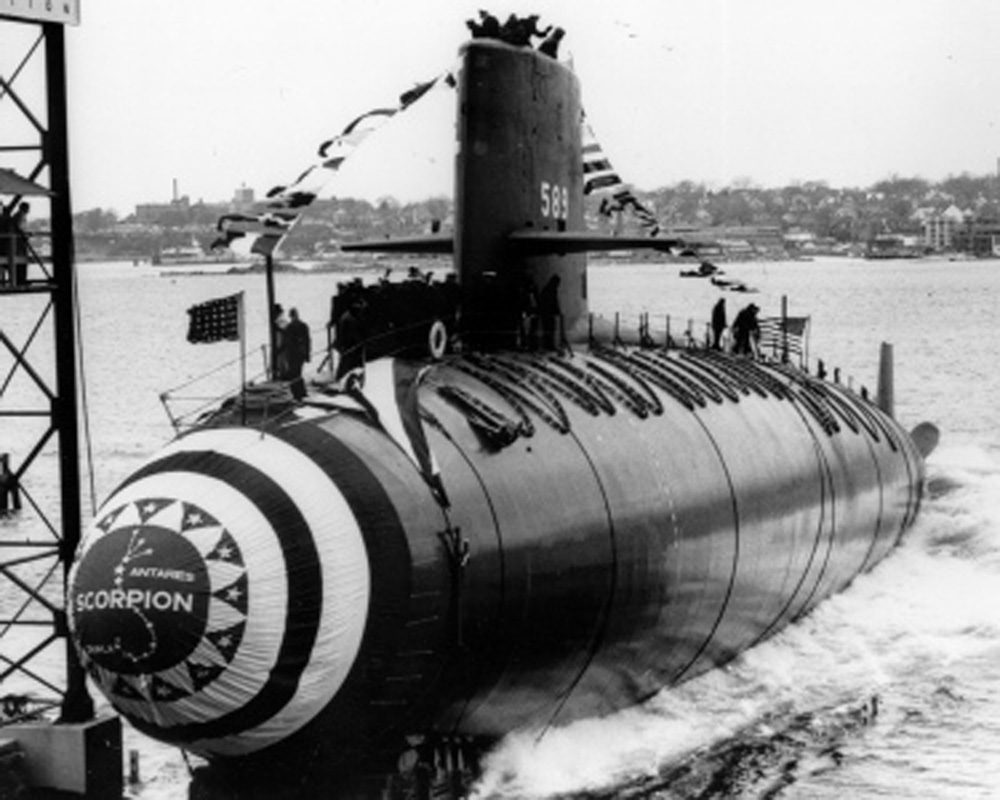
For the next 18 years, Walker would leak the locations and encryption codes for U.S. assets as well as operational plans and other documents. He even recruited his son into the operation and tried to recruit his daughter, who served in the Army, but she was pregnant and separating from the service. There are even claims that the sinking of the nuclear-armed USS Scorpion was due to Walker’s espionage.
Walker and his son were finally caught after Walker’s ex-wife told everything to the FBI. Former Secretary of Defense Caspar Weinberger said the Soviet Union gained “access to weapons and sensor data and naval tactics, terrorist threats, and surface, submarine, and airborne training, readiness and tactics” as a result of Walker’s spying. It’s thought that some advances in Russian naval technology were given to them by Walker. He died in prison last year.
7. Larry Chin may have made the Korean War go on much longer.
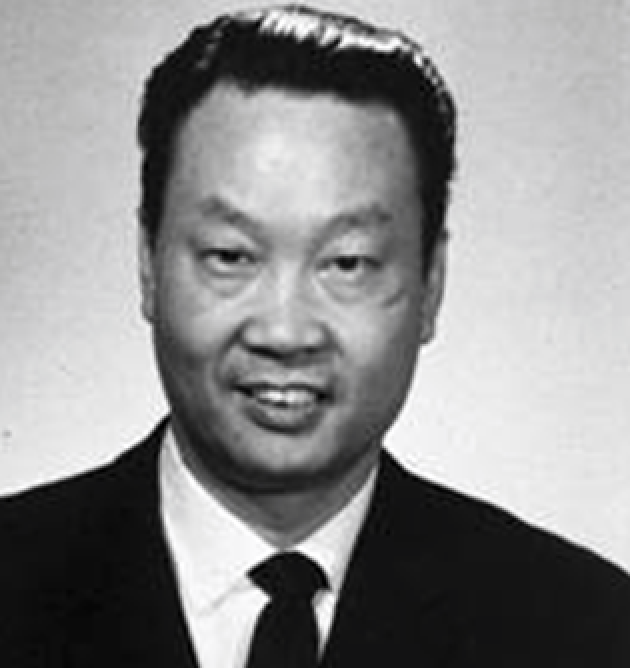
Larry Wu-Tai Chin was a translator for the U.S. Army during World War II. After the war, he became a translator for the CIA until his arrest in 1985. During this time, Chin passed many documents and photographs along to his Chinese handlers.
Some experts claim that Chin’s actions during the Korean War, when he gave the Chinese government the names of prisoners he interrogated, made the Korean War last longer. Chin told the Chinese government everything that was revealed during the interrogations. He was arrested in 1985 and convicted of all charges, but he killed himself before he was sentenced.
8. James Nicholson sold the intelligence team roster to Moscow.
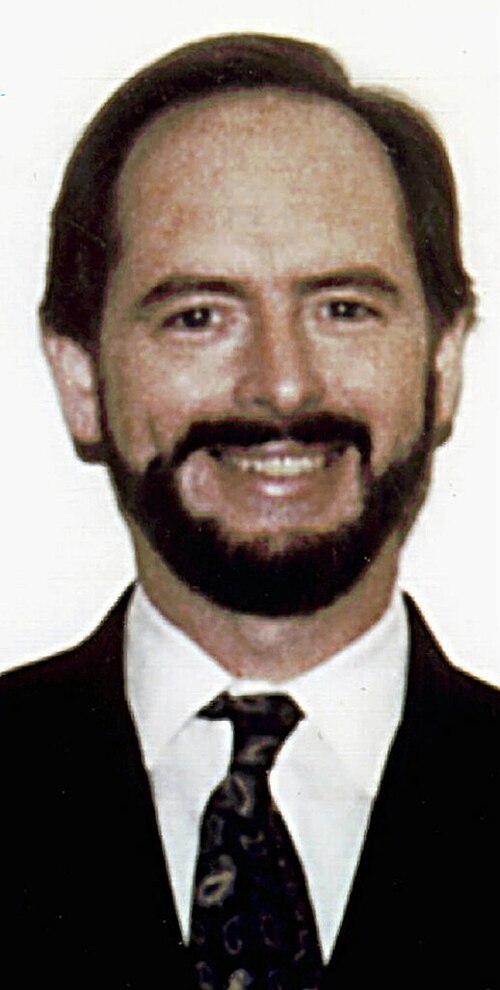
Harold James Nicholson’s espionage weakened U.S. observation of the Russian Federation during the mid-’90s. Nicholson was the head of the CIA officer training program for two years, and he is believed to have sold the identities of all new officers trained during his tenure. In addition, he sold the assignment information for new officers headed on their first assignment.
In an affidavit discussing the case against Nicholson, the lead investigator identified two ways Nicholson directly compromised military operations. First, he revealed the identity of a CIA operative heading to Moscow to gather information on the Russian military. Second, he gave the Russians the exact staffing requirements for the Moscow CIA bureau, allowing them to better prevent leaks of classified military information to the U.S.
Nicholson was convicted in 1997 and sentenced to 25 years. From prison, he doubled down on espionage by teaching his son spy tradecraft, sharing state secrets, and then having his son meet with old Russian contacts to collect money. He confessed to this second round of espionage in 2010.
9. James Hall III sold top-secret signal programs to the Soviets.
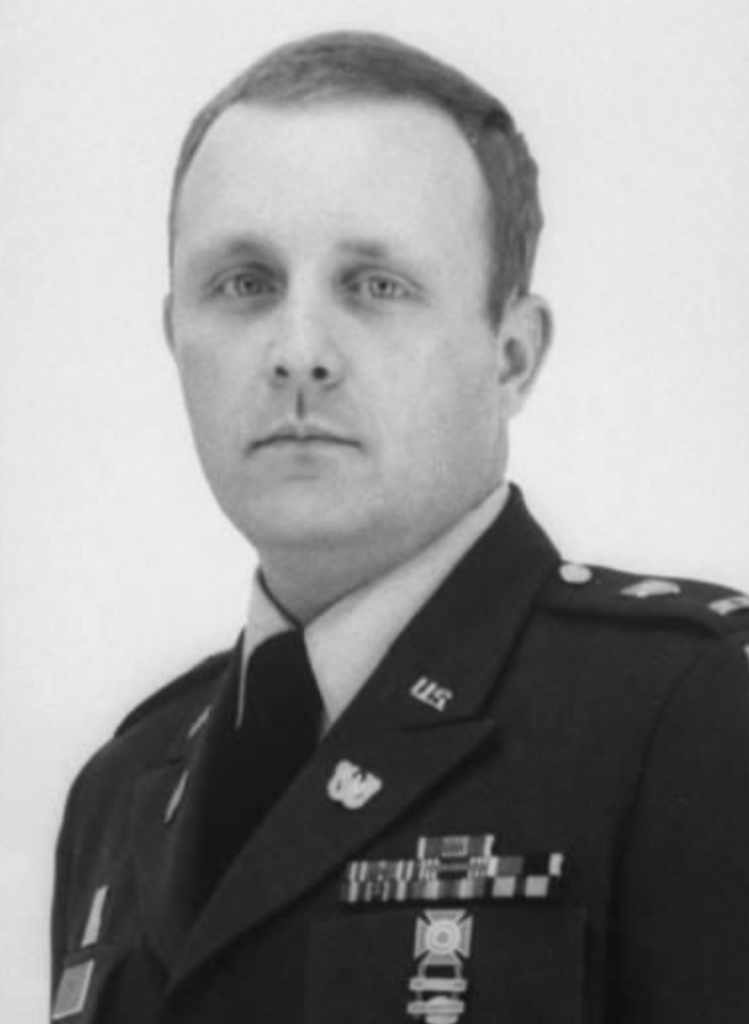
U.S. Army signal intelligence Warrant Officer James Hall was assigned to a crucial listening post in West Berlin from 1982 to 1985. While he was there, he was feeding his Soviet handlers information on key programs. Hall released tons of documents, intercepts, and encryption codes, exposing many operations to Soviet eyes.
Arguably, his most damaging act was informing the Soviets about Project Trojan. Trojan would have allowed, in the case of war, the U.S. and its allies to target Russian armored vehicles, missiles, and planes by tracking their communication signals. Since Russia had the clear advantage in armored warfare at this point, the success or failure of Trojan could have decided who won the start of a war.
Hall had more limited access to crucial information when he was reassigned to the United States. In 1988, he bragged about his six years of spying to an undercover FBI agent. Hall was tried and sentenced, serving his sentence at Fort Leavenworth, Kansas, until his release in 2011.
10. Col. George Trofimoff gave it all to the KGB.
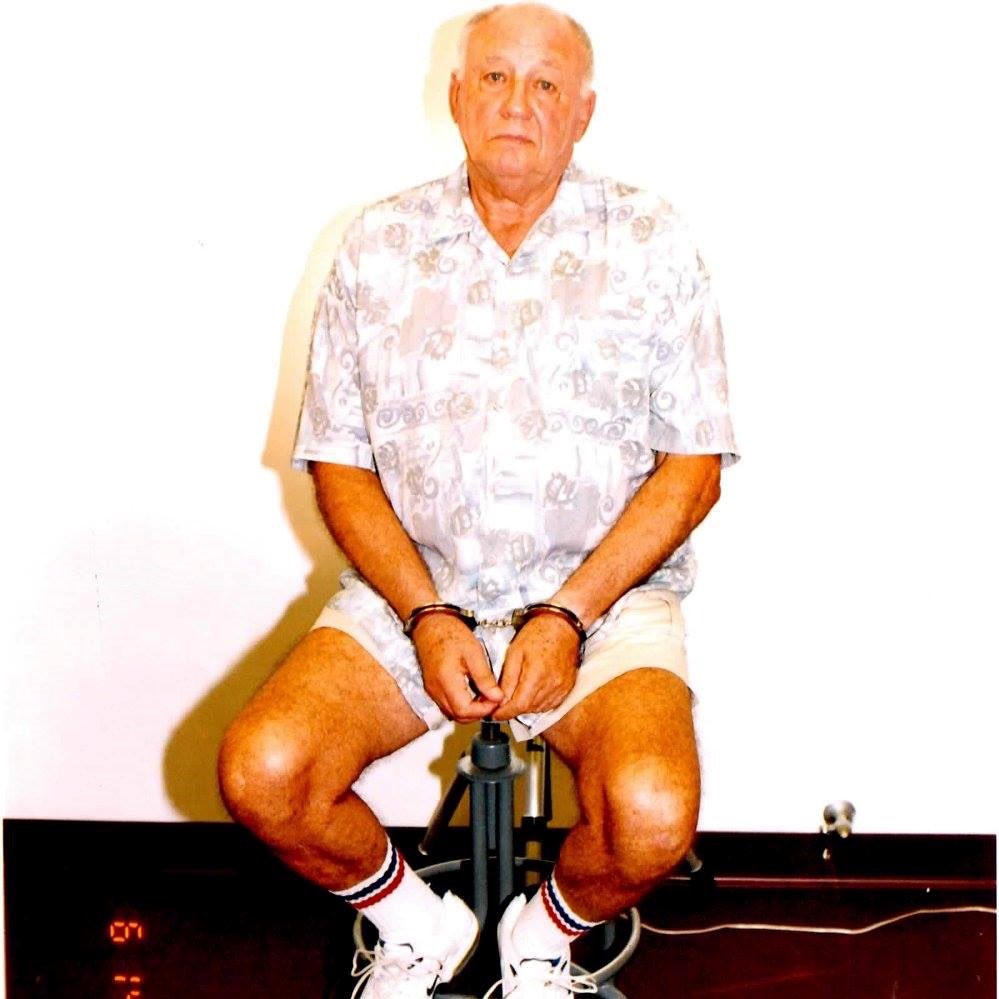
When George Trofimoff was finally arrested in 2000, he was just a bag boy. As a retired Army Reserve colonel, though, he is the highest-ranking American ever convicted of espionage. Trofimoff spied for the Soviet Union from 1969 to 1994, a 25-year career.
The worst of the damage was done while Trofimoff was the chief of the U.S. Army’s operations at a NATO safe house where Soviet defectors were debriefed. The safe house had copies of nearly all U.S. intelligence estimates on Soviet military strength. Most weekends, Trofimoff would take bags of documents home from the safe house, photograph them, and return them to the office before giving the photos to his brother, a Russian Orthodox priest who would go on to become the Archbishop of Vienna.
Trofimoff was arrested at his home at 1427 Patriot Drive and tried for espionage in 2000. He was sentenced to life imprisonment.
11. Benedict Arnold tried to abort America.
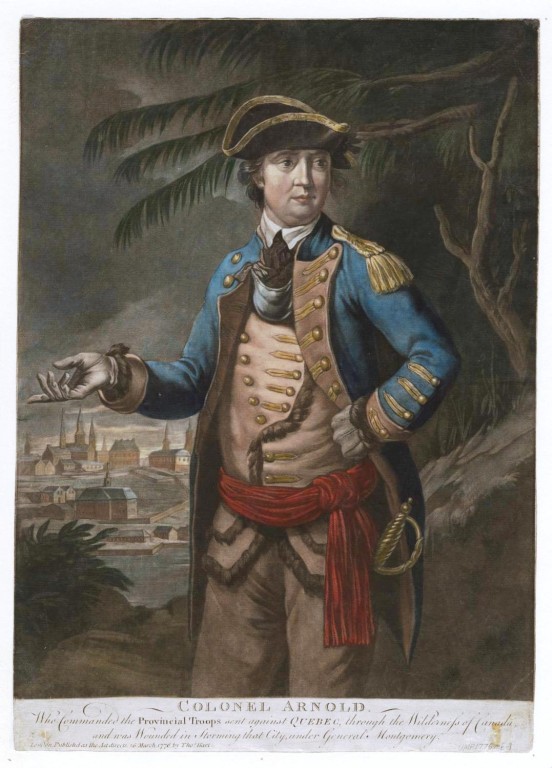
A traitor who almost strangled America in her crib, Gen. Benedict Arnold is so infamous that his name is used as a synonym for treachery. He was once a hero of the revolution, though, attaining multiple victories through brilliance of maneuver. His greatest feat was his victory at the Battle of Saratoga, which convinced France that it was worth supporting American independence.
Arnold lost his wife during the war and found himself the target of personal and professional attacks from politicians. Convinced that the war would fail and harboring deep resentment of the American political system, Arnold handed over the plans to West Point and agreed to surrender the defenses in exchange for 20,000 British pounds (approximately $3 million today).
But the plans were intercepted, and Arnold fled to England. The loss of a major hero shook the Revolutionary Army while they were still fighting against the better-equipped and trained British forces. Arnold would live out his life in England as a rich man, but forever be known as a traitor.