When “Arc Raiders” launched in October 2025, it did something most military-centric games don’t dare: it made avoiding combat just as valuable as winning it. For anyone who’s actually served, that hits different.
Also Read: 7 of the most realistic military games available
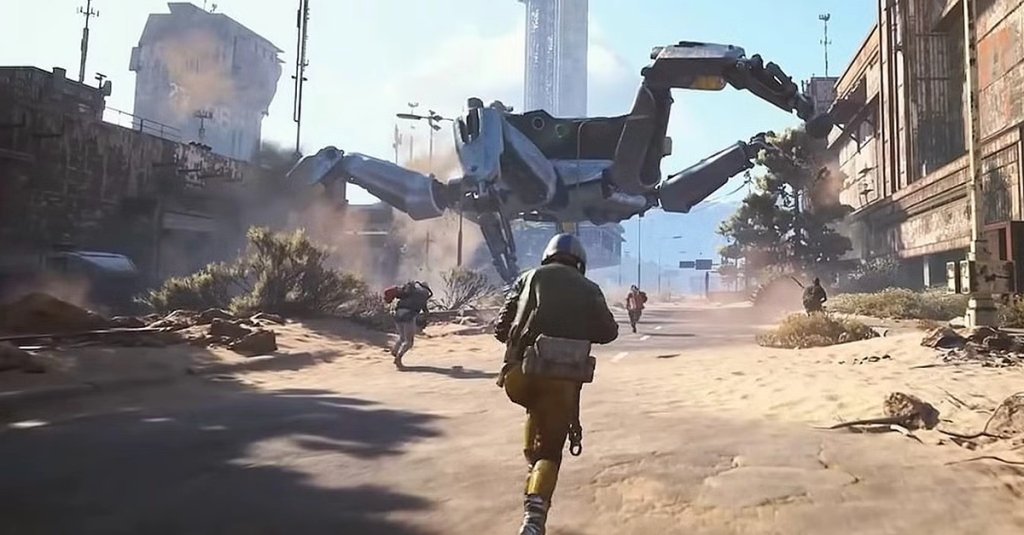
Most shooters reward the player who sprints toward gunfire. Arc Raiders punishes them. The game throws you onto a hostile surface controlled by lethal ARC machines, gives you 30 minutes to scavenge what you can, and makes it clear that sometimes the smartest move is to stay hidden in the shadows while another squad gets shredded by a Leaper patrol.
That’s not cowardice. That’s tactics.
The game’s stealth and guerrilla tactics mirror real military doctrine in ways that should feel familiar to anyone who’s operated in an environment where the enemy has superior firepower. You’re outgunned, outnumbered, and every encounter has the potential to cost you everything you’ve collected. Sound familiar?
Breaking the “Shoot First” Conditioning
“Arc Raiders” operates on a fundamental truth most games ignore: not every fight is worth taking. The extraction shooter format means you lose your gear when you die, creating the kind of risk assessment that happens on actual operations. Do you engage that enemy squad near the extraction point, or do you wait them out? Do you take on that Bombardier for the loot it’s guarding, or do you find another route?
According to GameSpot, the game “meshes perfectly” with its story premise: you are outgunned and outnumbered, but the ARC threat can’t account for uniquely human traits like perseverance and ingenuity.
Veterans understand this calculation instinctively. Civilian gamers often have to learn it the hard way. That mindset flip, from predator to survivor, from warrior to ghost, that’s the mental shift that defines successful unconventional operations. It’s the same tactical discipline used by the world’s most lethal special operations units. It’s choosing mission success over personal glory.
The Tactical Depth of Withdrawal
What makes “Arc Raiders” particularly interesting is how it rewards tactical withdrawal. The game includes multiple extraction methods, from elevators to metro stations to raider hatches, each with different risk profiles. Knowing when to disengage from a fight you can’t win and having a planned escape route isn’t running away. It’s operational planning.
The game’s audio design makes noise a dynamic risk factor, where volume and timing can drastically alter the outcome of a raid. Gunfire echoes across the map. Sprinting creates audible footfalls. Even breaching loot containers generates mechanical sounds that can draw attention. Every action broadcasts your position, forcing players to weigh the value of making noise against the risk of detection.
This creates gameplay that mirrors real tactical movement. You bound from cover to cover. You time your movements around enemy patrol patterns. You use environmental noise to mask your own sounds. You prioritize staying undetected over getting kills.
One advanced tactic involves learning ARC patrol rotation timing, allowing players to bypass strong mechanical units without combat, set ambushes during scanning downtime, or reposition before units complete their rotation.
That’s not game exploitation. That’s pattern recognition and tactical patience.

ARC RAIDERS | IMMERSIVE SOUND DESIGN
Planning Over Aggression
The game’s structure encourages the kind of mission planning that gets drilled into military personnel. Before each raid, you customize your loadout based on your objective. Are you hunting specific resources? Completing a quest? Testing new gear? Your equipment choices should reflect your mission, not just what’s most powerful.
The skill tree branches into Survival, Mobility, and Conditioning paths, allowing players to specialize in stealth builds that move quietly and loot faster, or mobility builds that prioritize evasion over confrontation.
Unlike typical shooters that reward the player with the fastest reflexes, Arc Raiders rewards the player who thinks three steps ahead. Who planned their route? Who identified their extraction point before making contact. Who brought the right tools for the mission?
The Cost of Unnecessary Engagement
What really drives home the value of restraint is the game’s consequences for failure. When you die, you lose everything except what’s in your safe pocket. That expensive weapon you brought? Gone. Those rare crafting materials you just found? Gone. The quest item you needed? You’ll have to start over.
This creates genuine tension around every decision to engage. In most military games, death means a quick respawn and minimal consequences. In Arc Raiders, death means starting from zero. Suddenly, avoiding that firefight near the extraction point doesn’t feel like cowardice. It feels like the professional choice.
Veterans who’ve operated in hostile environments understand this calculation viscerally. Every patrol, every movement outside the wire, every decision to engage or bypass a potential threat, all carried real consequences. Arc Raiders captures that weight in a way most military games never attempt.
When Violence Is the Answer
To be clear, the game doesn’t punish combat entirely. Sometimes you have no choice. Sometimes the best tactical option is overwhelming violence. The game offers robust combat mechanics, from energy weapons to traps to coordinated squad tactics. When you do fight, it’s fast, fluid, and tactical.
But the game never lets you forget that combat is a tool, not the default. It’s an option you choose after considering the alternatives. After assessing the risk. After ensuring you have a way out if things go sideways.
That’s the mindset behind real tactical operations. Violence is sometimes necessary, but it’s never the only solution, and it’s rarely the best one.

ARC Raiders Combat Gameplay
Why This Matters
Most military games turn service members into action heroes. You’re the unstoppable force that mows through enemy combatants with minimal consequence. “Arc Raiders” does something different and arguably more honest. It puts you in situations where you’re vulnerable, where the enemy has advantages you can’t overcome through firepower alone, where your best option is often to avoid detection entirely.
For veterans, especially those who’ve operated in advisory roles, special operations, or asymmetric environments, this resonates. The game understands that real tactical excellence isn’t about winning every gunfight. It’s about achieving your objective and getting your team home safely.
Sometimes that means fighting. Sometimes it means hiding in a bush while an enemy patrol walks past. And sometimes it means swallowing your pride, abandoning that high-value loot, and extracting with what you have rather than risking everything for a little more. Just like certain military habits don’t translate well to civilian workplaces, the run-and-gun mentality from other games doesn’t work here.
“Arc Raiders” gets that right. In a genre dominated by power fantasies, it built a game that rewards the kind of tactical discipline that actually keeps people alive.