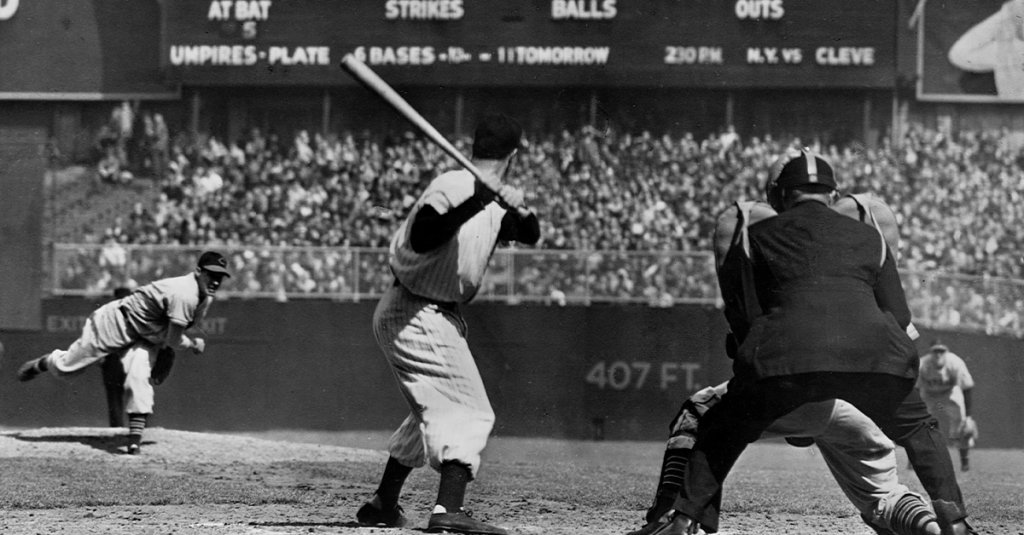
As Bob Feller drove to sign his contract with the Cleveland Indians for the 1942 season, he distracted himself by listening to his car radio.
Already an accomplished Major League Baseball pitcher, Feller was 23 years old and entering the prime of his athletic career. As he traveled through the Midwest, a news alert announcing the Japanese bombing of Pearl Harbor interrupted regular programming.
Related: What John Glenn did to save his famous wingman’s life in Korea
Feller, the only pitcher ever to throw a no-hitter on MLB’s Opening Day, never signed that contract. Instead, faster than it took one of his legendary 98-mph fastballs to reach home plate, Feller immediately determined he would enlist in the Navy.
“I had planned on joining the Navy as soon as the war broke out,” Feller recalled to ESPN in 2009. “Everybody knew that we were going to get in it sooner or later, and that was the day.”
Feller Became a Gun Captain
Because his father was terminally ill, Feller could have sought a deferment from military service. That wasn’t even a consideration. Determined to do his part, Feller became among the first of more than 500 major-league players to volunteer for military service during World War II.
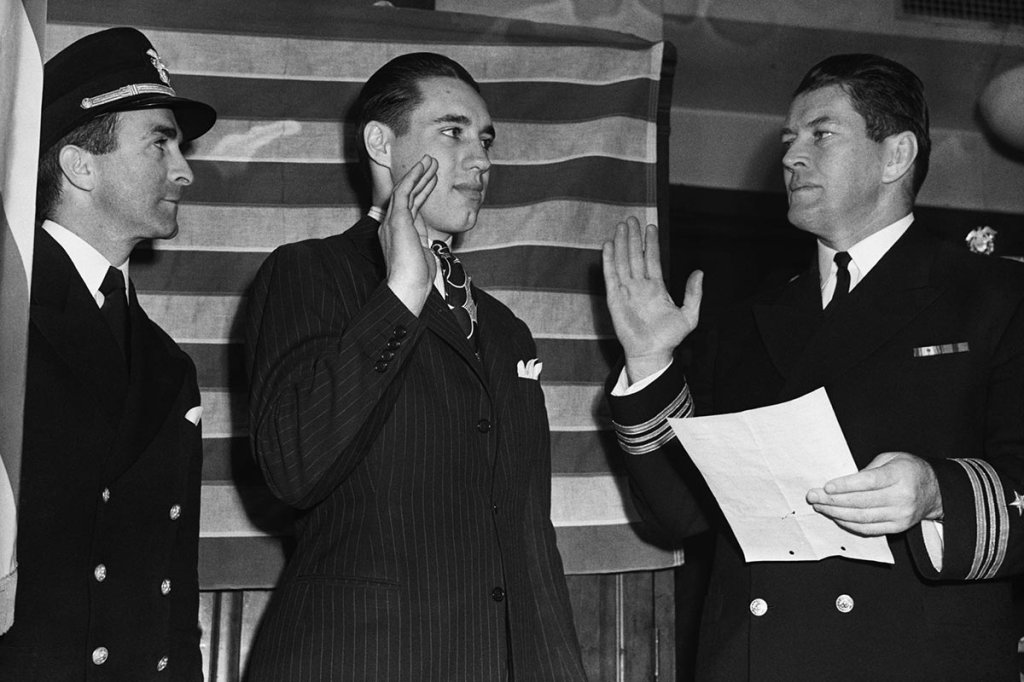
U.S. Naval Reserve Cmdr. Gene Tunney, a former world heavyweight boxing champion during the 1920s, administered the oath of enlistment to Feller in Chicago two days after the Pearl Harbor attack. Then Feller was off to naval gunnery school before being assigned to the USS Alabama.
He served as a gun captain as the battleship escorted convoys and aircraft carriers. Feller and his shipmates supported amphibious assaults off Tarawa and in the Philippines, among other places.
Involved in the “Great Marianas Turkey Shoot”
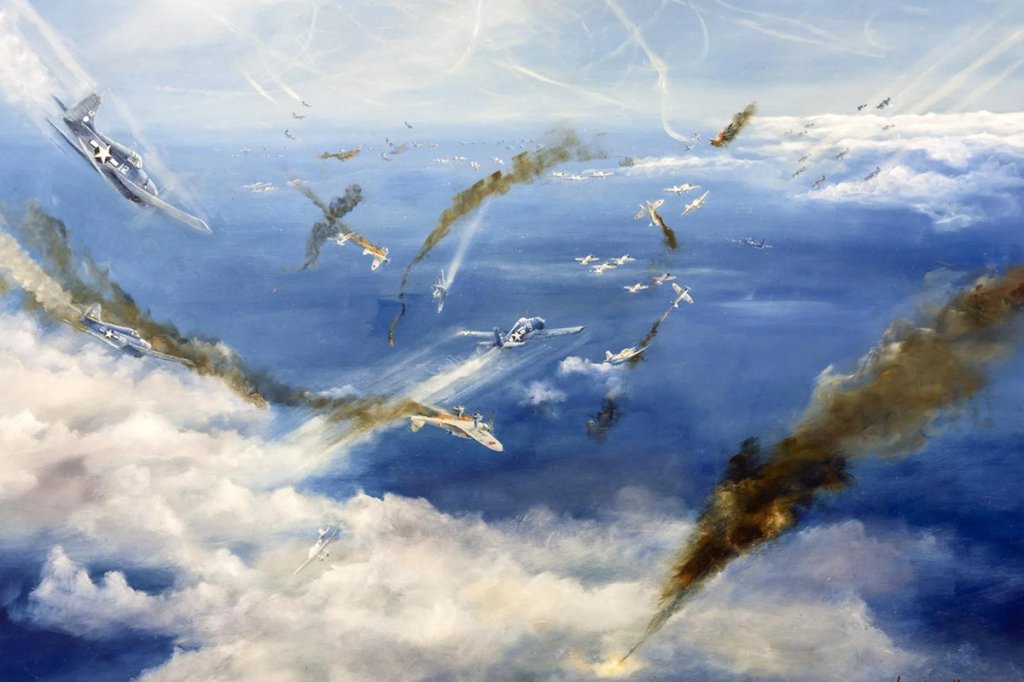
During Feller’s time on the USS Alabama, the crew endured several dangerous situations, including having two bombs strike the warship during the “Great Marianas Turkey Shoot” in the Philippines in June 1944. The Japanese lost nearly 500 aircraft during that engagement, decimating their naval air power.
At various points, the USS Alabama also withstood kamikaze attacks and survived a typhoon.
In March 1945, Feller was reassigned to the Great Lakes Naval Training Center in Illinois and managed its baseball team. He was honorably discharged from active duty two weeks after the bombing of Hiroshima.
Continuing a Hall of Fame Career
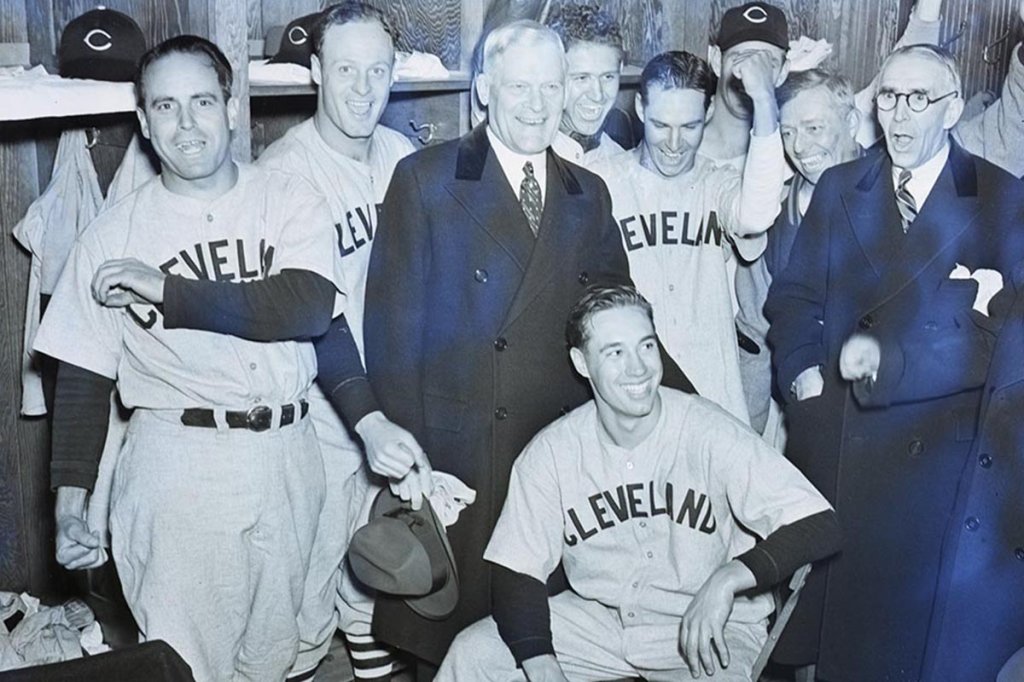
Feller resumed his baseball career shortly thereafter.
After not throwing a professional pitch for nearly four years, Feller made his first start for the Indians on August 24, 1945. He pitched for 11-plus more seasons and joined Army veteran Jackie Robinson, who broke MLB’s color barrier in 1947, as the only members of the 1962 class of the National Baseball Hall of Fame. Feller finished with 266 victories, 2,581 strikeouts, and eight All-Star Game selections.
Of all of Feller’s baseball accomplishments, one of his biggest occurred before World War II. The star right-handed pitcher threw his first of three career no-hitters on April 16, 1940, blanking the Chicago White Sox 1-0 on Opening Day at the old Comiskey Park.
More than 8½ decades later, MLB fans are still waiting for someone to throw another no-hitter to begin a season.
Founder Honors US Military in Feller’s Name
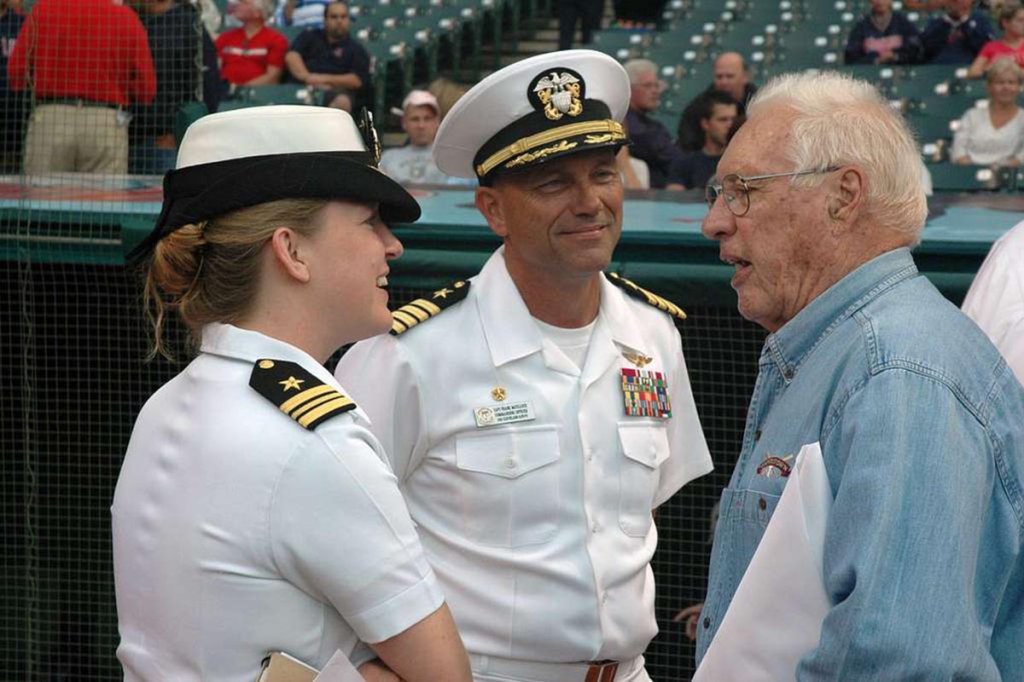
Feller, who died on December 15, 2010, at the age of 92, earned six campaign ribbons and eight battle stars during his military service.
No matter where he went the rest of his life, Feller never tired of discussing how much he cherished his experience in the Navy. More than any baseball honor, it encapsulated the essence of who he was.
So it is fitting that in 2012, the Bob Feller Act of Valor Foundation was established. According to the nonprofit organization’s website, it honors U.S. service members by “[championing] the legacy of sacrifice, service, and citizenship.”
“I did what any American could and should do: serve his country in its time of need, the world’s time of need,” Feller told author Alan Schwarz for his 2007 book, “Once Upon a Game: Baseball’s Greatest Memories.”
“I knew then, and I know today, that winning World War II was the most important thing to happen to this country in the last 100 years. I’m just glad I was a part of it. I was only a gun captain on the battleship Alabama for 34 months. People have called me a hero for that, but I’ll tell you this: Heroes don’t come home. Survivors come home.”