At first glance, it was easy to underestimate Robert Cade.
Once reportedly referred to as “too dumb for medical school,” the United States Navy veteran showed them otherwise. Bespectacled and balding later in life, Cade looked like the average man. He could have easily led an anonymous existence as he studied and practiced renal medicine at the University of Florida.
Related: How Vladimir Putin stole a Super Bowl ring from Patriots owner Bob Kraft
He might have, too, if not for his role as team doctor for the Gators’ football team. In 1965, an assistant coach approached Cade and wondered why players didn’t “wee-wee after games” despite playing in the hellacious Florida heat.
Cade and other UF scientists got to work. What they devised revolutionized the sports drink industry.
The Importance of Sports Hydration
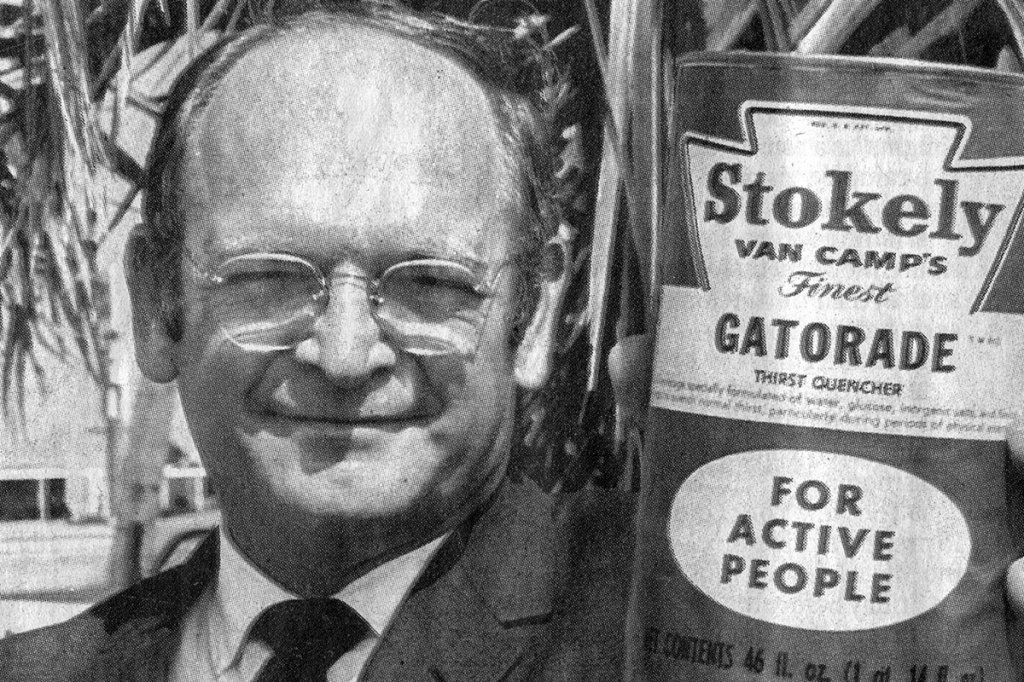
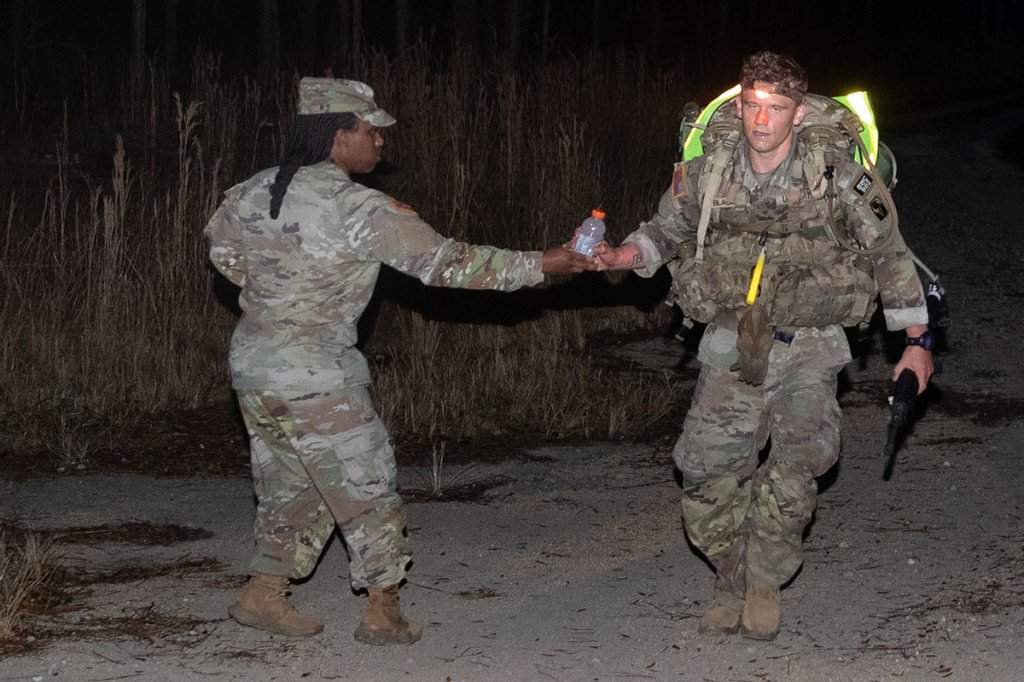
Originally called “Cade’s Cola” (we said Cade was a researcher and doctor, not a marketing genius), Gatorade generates approximately $7.3 billion in annual sales. Go to any United States military installation or sporting event, and the presence of Gatorade is ubiquitous.
It’s all because Cade, who served as a physician’s mate in the Navy from 1945 to 1948, attempted to find an answer to a coach’s question. Using the University of Florida’s freshman players as guinea pigs, Cade and his team researched the issue by wringing sweat out of their jerseys and studying its composition. They discovered the players lost carbohydrates and electrolytes when they sweat.
That’s common knowledge now but not in the mid-1960s. Back then, players were given small amounts of water with salt tablets, and that was about it. Some coaches even refused hydration to players during practice and games, sometimes as a source of punishment.
Cade figured there was a better way. His team determined that glucose and sucrose would help replenish carbs, while potassium and sodium would aid with the depletion of electrolytes.
When Cade first tasted the concoction, he vomited. The players spit it out. Something was off.
Making Gatorade More Palatable
They couldn’t stomach the taste.
Cade didn’t have to go back to the laboratory for the solution. All he had to do was listen to his wife, Mary. She suggested he add a touch of fresh lemon and artificial sweetener to the mix.
Cade presented the improved drink to Gators football coach Ray Graves, who gave it to his team for a matchup against favored Louisiana State University on October 2, 1965. Lo and behold, the Gators emerged victorious 14-7 in 102-degree heat and finished that season with a 7-4 record.
When the Gators defeated Georgia Tech 27-12 on January 2, 1967, at the Orange Bowl in Miami, the opposing coach, Bobby Dodd, provided a straightforward explanation for why his team lost.
“We didn’t have Gatorade…,” Dodd said. “That made the difference.”
A Fight over the Rights to Gatorade

Dodd’s endorsement gave Gatorade a boost for which companies pay millions of dollars in advertising.
Later that year, the Stokley-Van Camp company began marketing Gatorade to the public for the first time. (Lemon-lime was the only flavor available at the time.) It obtained the marketing rights only after the University of Florida, apparently seeing not much money to be made, refused them.
Once Gatorade’s popularity became apparent, the university tried to claim the invention was its intellectual property. Cade, who knew right from wrong from his years in the military, was having none of it.
“They told me it belonged to them and all the royalties were theirs,” Cade once recalled. “I told them to go to hell, so they sued us.”
They reached a settlement, and PepsiCo has marketed Gatorade since 2001.
Gatorade Is Seemingly Everywhere

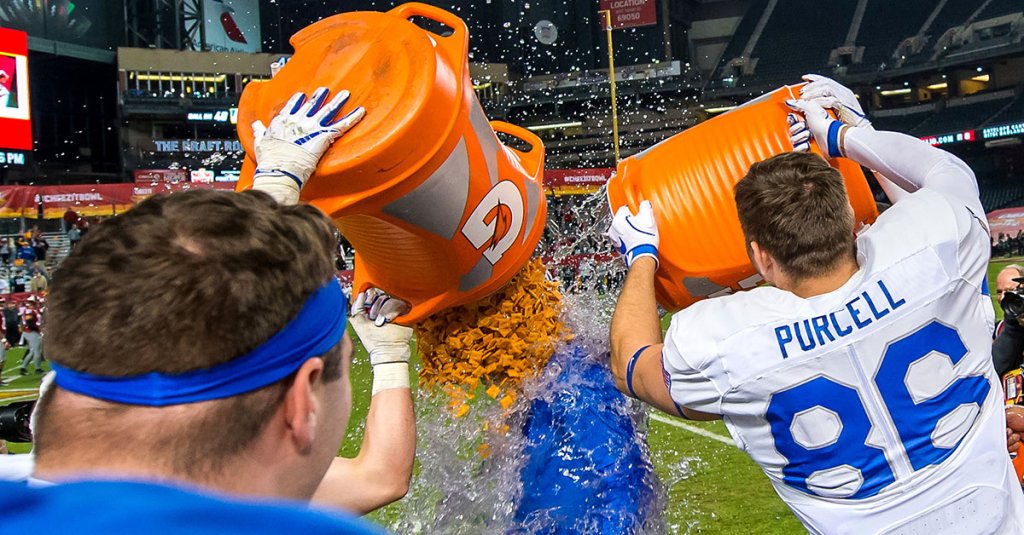
Now Gatorade is available not only in drink form, but also in powder, chews, tablets, and even pods. It can be purchased in more than 80 countries and has given the world countless numbers of Gatorade showers, the universal symbol of victory.
And yet, Cade still remained largely anonymous outside of the University of Florida community despite his thirst-quenching discovery.
He likely preferred it that way. As a collector of violins and Studebakers, Cade, who died on November 27, 2007, at the age of 80, had various interests besides medicine. When a coach asked Cade why players didn’t “wee-wee after games,” the doctor couldn’t resist, proving a universal truth:
There are no stupid questions, only enlightened answers.
Don’t Miss the Best of We Are The Mighty
• The barely successful inventor who pioneered repeating rifles
• The inventor of the Gatling gun wanted it to save lives
• This Medal of Honor recipient came up with the idea for the Super Bowl
Featured