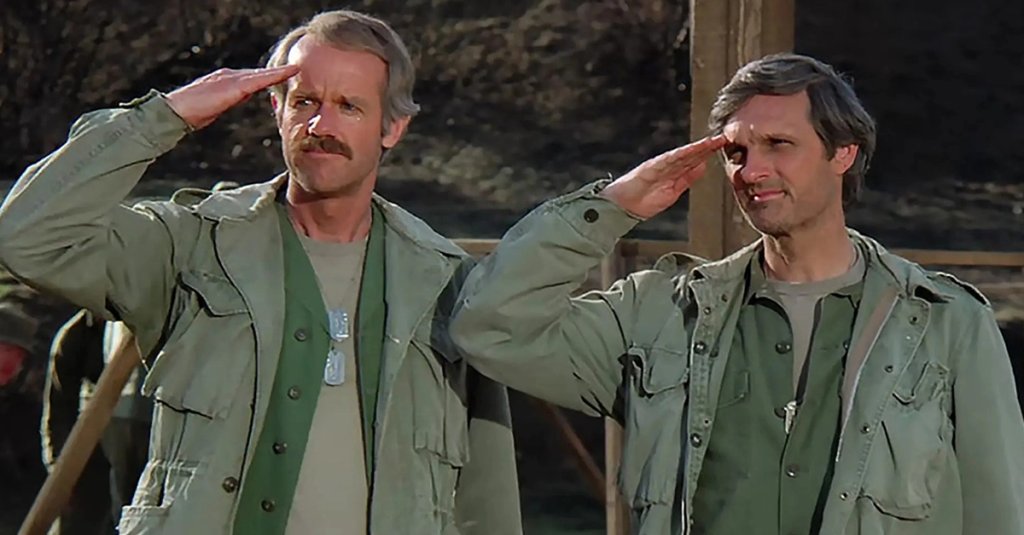
Growing up in the 1980s, “M*A*S*H” was more than just a television show for me. It was a window into history, humor, and humanity. I remember sitting in front of the TV, captivated by characters like Hawkeye Pierce, B.J. Hunnicutt, Major “Hot Lips” Houlihan, Radar O’Reilly, and the ever-absurd Frank Burns. Their humor, irreverence, and courage made the horrors of war somehow accessible, balancing laughter with the harsh realities of conflict.
Related: 3 Stories from the Battle of the Bulge you won’t see in ‘Band of Brothers’
Watching the show sparked a curiosity that went far beyond the living room. Many times, I would finish an episode and rush to the public library, eager to learn more about the battles, strategies, and real people who had served in the Korean War. “M*A*S*H” wasn’t just entertainment. It was the beginning of a lifelong respect for our military, a deep appreciation for history, and a fascination with the extraordinary men and women who served in the most difficult conditions imaginable.
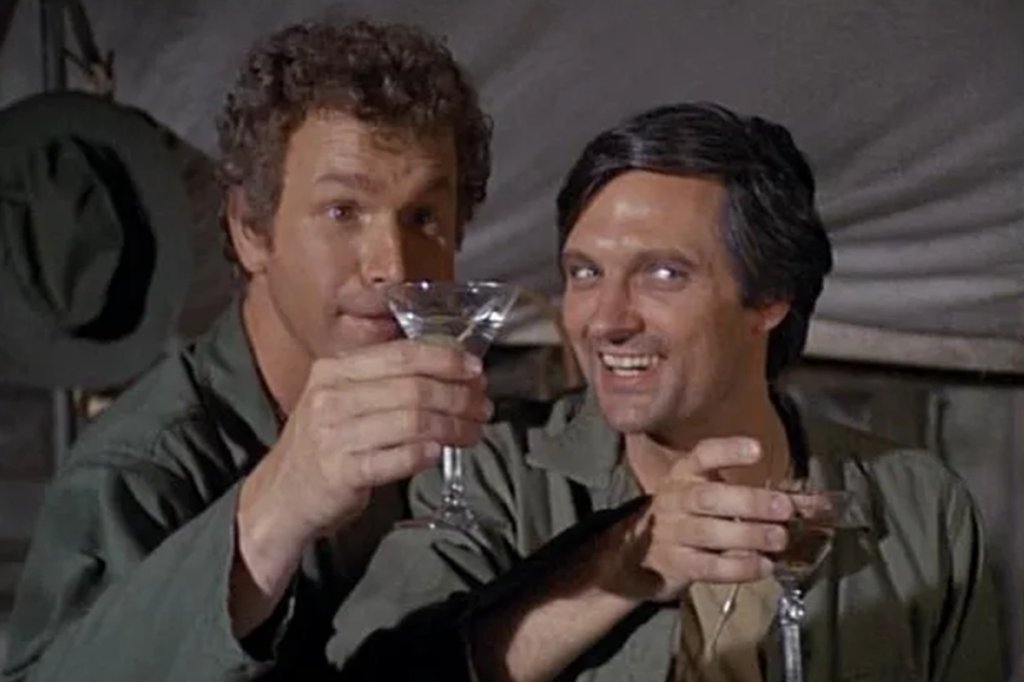
This personal connection made the stories of MASH units resonate on a profound level. It wasn’t just about fictional characters. It was about understanding the real surgeons, nurses, and medics who faced unimaginable challenges and brought hope, skill, and humanity to the front lines in Korea.
“The Forgotten War”
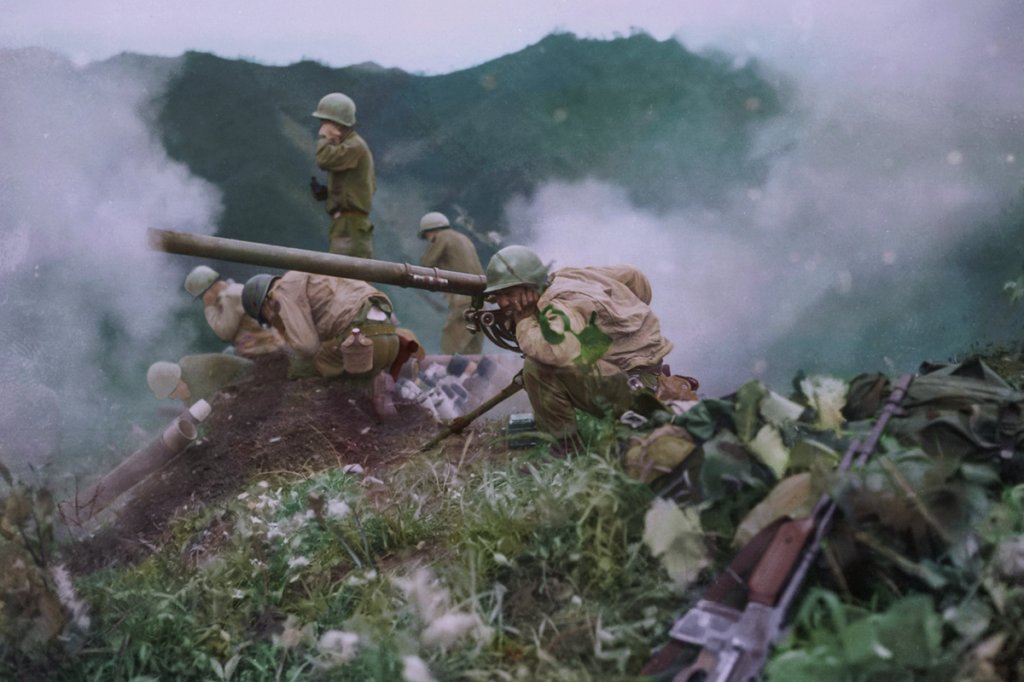
The Korean War began on June 25, 1950, when North Korean troops crossed the 38th parallel and invaded South Korea. This invasion prompted a rapid response from the United Nations, led primarily by the United States, to defend South Korea. The war lasted three years and resulted in over 2.5 million deaths, a toll that includes military personnel and civilians.
Despite its intensity and global implications during the early Cold War period, the Korean War is often overshadowed by World War II before it and the Vietnam War that followed. Its outcome, a tense stalemate and a still-divided Korean Peninsula, left a profound impact on geopolitics, yet its public memory has largely faded. The lack of a decisive victory and the ongoing division of Korea left the war without a clear, celebratory narrative. Additionally, the relatively short duration of the conflict meant that it did not receive the same long-term media coverage or cultural attention as other wars.
It occurred between two culturally traumatic conflicts, World War II and the Vietnam War, making it seem less monumental by comparison. It was fought across harsh terrain, from the mountainous north to the freezing winters of the south, and featured both conventional battles and guerrilla warfare. Soldiers faced not only enemy fire but also disease, extreme weather, and logistical challenges, making timely medical care crucial. It was in this environment that Mobile Army Surgical Hospitals, or MASH units, became indispensable.
However, through MASH units and their portrayal on television, the human stories of courage, sacrifice, and resilience have endured. The medical teams who served in Korea, often in anonymous and dangerous roles, were immortalized in pop culture, ensuring that at least one aspect of the war remains vividly remembered.
A Revolution in Battlefield Medicine
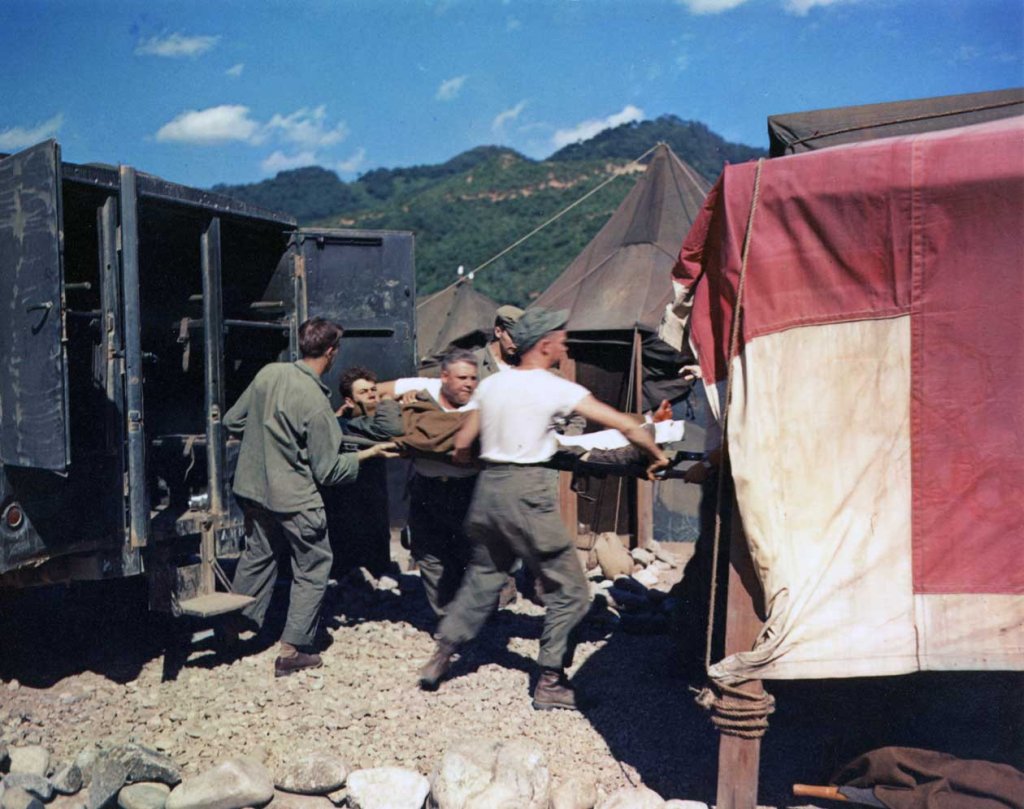
Unlike traditional, stationary hospitals, MASH units were designed to be highly mobile, forward-deployable, and although early-war mobility occurred, many units became semi-fixed once the lines stabilized. While the concept had been tested during World War II, it was during the Korean War that MASH units proved their critical value, saving countless lives amid brutal terrain, harsh weather, and relentless fighting.
These units were staffed by teams of highly skilled surgeons, nurses, medics, and support personnel who performed complex, often life-saving procedures under extreme conditions. They treated injuries ranging from gunshot wounds and shrapnel injuries to severe trauma from artillery and landmines. The primary goal was rapid stabilization, saving the soldier’s life on-site so they could be evacuated to a permanent hospital for further care.
MASH personnel often worked in tents, Quonset huts, or other temporary structures, with limited supplies and under constant threat from enemy artillery and small-arms fire. Some of the most harrowing stories from Korea involved teams performing emergency surgeries literally under fire, with surgeons holding off bleeding while shells exploded nearby.
These units became laboratories of innovation. Surgeons and nurses often had to improvise equipment, adapt civilian techniques to combat conditions, and make split-second decisions that saved lives. Their work drastically reduced battlefield mortality rates and introduced surgical and triage practices that would influence both military and civilian emergency medicine for decades.
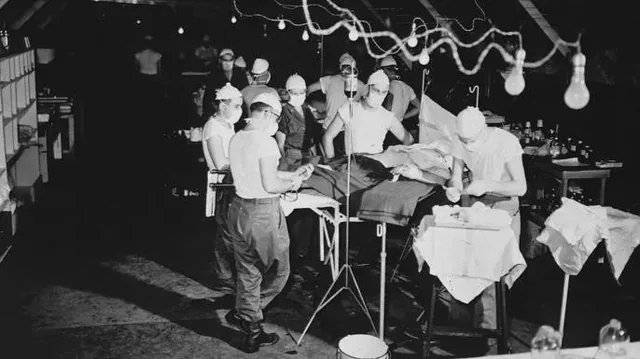
The people who served in these units were extraordinary for their resilience, courage, and ingenuity. Surgeons, many of them volunteers from top American hospitals, performed delicate procedures often under austere conditions, with evolving techniques, limited equipment, and imperfect airway management by modern standards. Nurses were on the front lines as well, providing both life-saving medical care and emotional support to traumatized soldiers, sometimes working 24-hour shifts during mass casualty events.
Medics, often young enlisted personnel, risked their lives to retrieve the wounded from active combat zones, carrying soldiers across open terrain under fire. One notable story involves a nurse who refused evacuation during an enemy bombardment, continuing to assist in surgery and care for dozens of soldiers despite the danger surrounding her. Another involved a surgical team that set up in a foxhole, performing multiple amputations after a nearby artillery strike, exemplifying the courage and improvisation that defined MASH service.
The work required more than technical skill. It demanded creativity, quick thinking, humor, and emotional resilience. Tales of camaraderie, small moments of levity, and unbreakable bonds formed amidst chaos were common. These human stories, the laughter amid tragedy, the daring actions under fire, and the tireless devotion to saving lives, would later inspire the television series “M*A*S*H,” bringing national attention to the heroism and humanity of these real-life wartime medical teams.
Probably the most enduring MASH veteran is Dr. Richard Hornberger, a Korean War MASH surgeon who drew from his experiences to write the novel (under the pen name Richard Hooker) that became the film and series, and the show’s tone also became an allegory for Vietnam-era disillusionment.
From the Battlefield to the Screen
Nearly two decades after the Korean War ended, the experiences of MASH personnel reached a new audience through the television series “M*A*S*H”, which premiered in 1972. The show followed the fictional 4077th M.A.S.H. unit in South Korea and brought the harsh realities of war to American living rooms through a blend of dark humor, drama, and human storytelling.
Characters like Hawkeye Pierce, the irreverent but brilliant surgeon; B.J. Hunnicutt, his loyal friend and colleague; Margaret “Hot Lips” Houlihan, the strict but compassionate head nurse; Radar O’Reilly, the naive yet clever company clerk; Frank Burns, the officious and often antagonistic surgeon; and Corporal Klinger, known for his comedic cross-dressing attempts to get a Section 8 discharge, became household names.
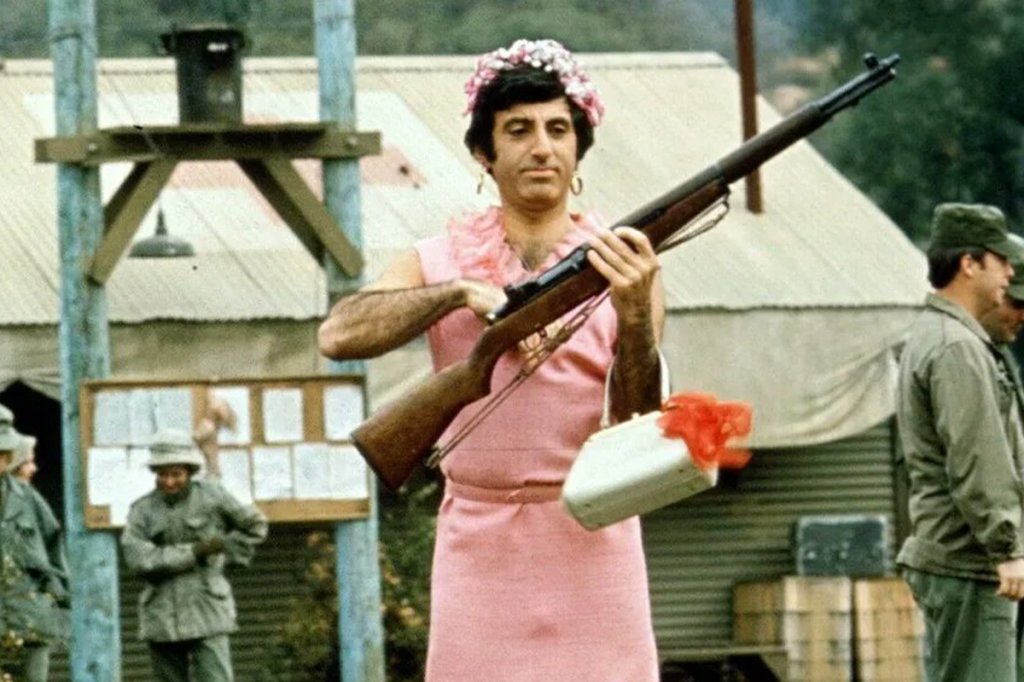
The show addressed serious issues such as the psychological toll of war, the absurdity of military bureaucracy, and the struggle to maintain humanity in extreme circumstances. Despite being set during a war that lasted only three years, “M*A*S*H” ran for 11 seasons and 251 episodes, outliving the conflict itself and becoming a cultural icon across multiple generations of Americans.
Among all the unforgettable characters, my all-time favorite has always been Benjamin “Hawkeye” Pierce. Hawkeye wasn’t just a source of comic relief; he embodied the perfect balance of irreverence, skill, and heart. His fearless approach to medicine, willingness to challenge authority, and deep compassion for every soldier under his care made him a hero in the truest sense. Watching him navigate the absurdities of military bureaucracy while performing life-saving surgeries inspired me as a child and continues to do so today.
Hawkeye’s humor and humanity made the realities of war accessible and meaningful, showing that courage often comes with a smile, and that even in the darkest moments, empathy, resilience, and quick thinking can shine through. He represents the bridge between the real-life heroism of MASH units and the enduring power of storytelling to honor those who served.
Equally unforgettable is Margaret “Hot Lips” Houlihan, portrayed brilliantly by Loretta Swit. Hot Lips embodied strength, professionalism, and a quiet yet unyielding courage. She navigated the challenges of a male-dominated military environment with poise, skill, and compassion, proving that leadership and empathy could coexist even under extreme pressure.
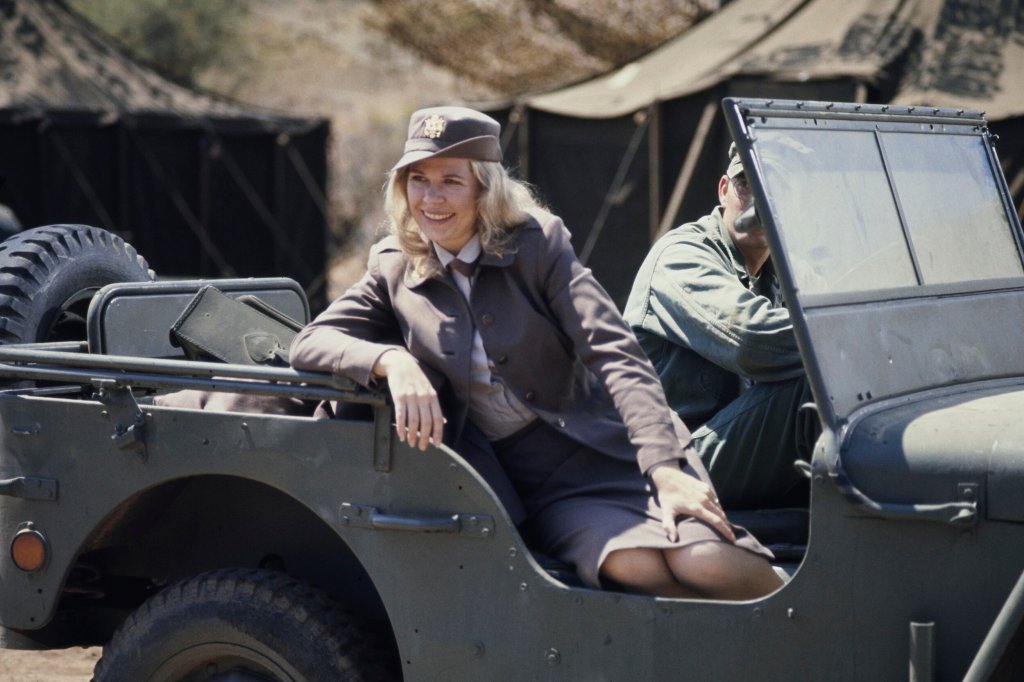
Her character grew from a strict, by-the-book head nurse into a fully realized hero who cared deeply for her team and patients alike. Watching her balance authority with humanity left a lasting impression on me, reinforcing that true heroism often comes in many forms, not just through surgical skill, but through leadership, integrity, and unwavering dedication to others.
MASH units transformed military medicine, pioneering rapid surgical care close to combat zones and influencing modern trauma response protocols. The men and women who served in these units demonstrated extraordinary courage, adaptability, and compassion, often in the most dangerous and challenging conditions.
Through the television series “M*A*S*H”, their experiences reached millions of viewers, blending humor with tragedy to communicate the complexity of war. While the Korean War may be “forgotten” in history books, the stories of MASH units and characters like Hawkeye Pierce, who bring those stories to life, continue to honor the sacrifices of those who served.