When the NFL playoffs resume this weekend, only one former service academy football player will have a chance to become a Super Bowl champion next month.
Jordan Jackson, a defensive lineman for the Denver Broncos, graduated from the Air Force Academy. Jackson was not born when former New York Giants wide receiver Phil McConkey, who served five years as a Navy pilot before beginning his NFL career, shone in America’s most celebrated sporting event.
Related: 6 military veterans who played in the Super Bowl
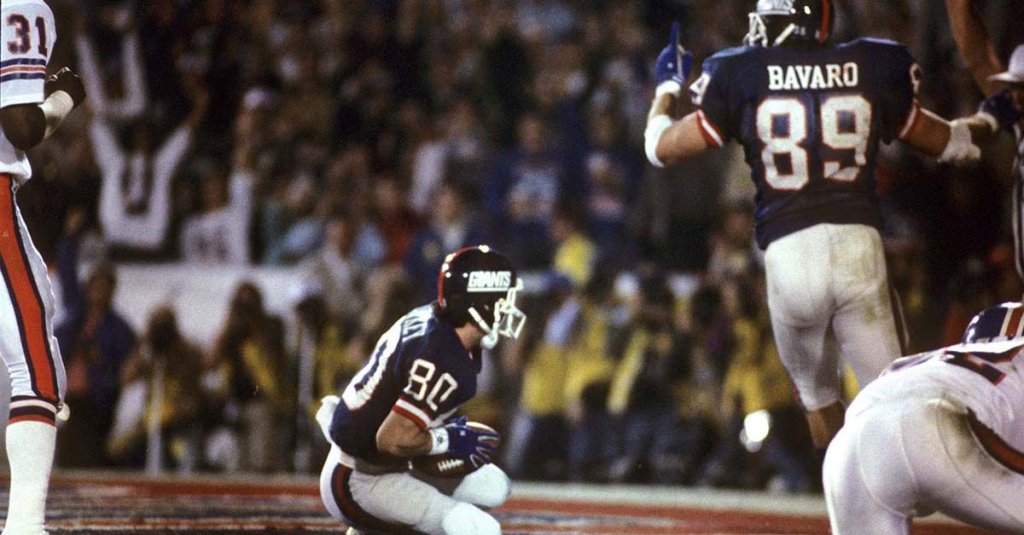
McConkey scored a touchdown in the Giants’ 39-20 victory against the Broncos in Super Bowl XXI on January 25, 1987, in Pasadena, California, but that game didn’t define him. His tenacity and willingness to do anything for his team were already embedded deep within McConkey. He honed those traits in the military, and they served him well.
‘An Enormous Chip on My Shoulder’
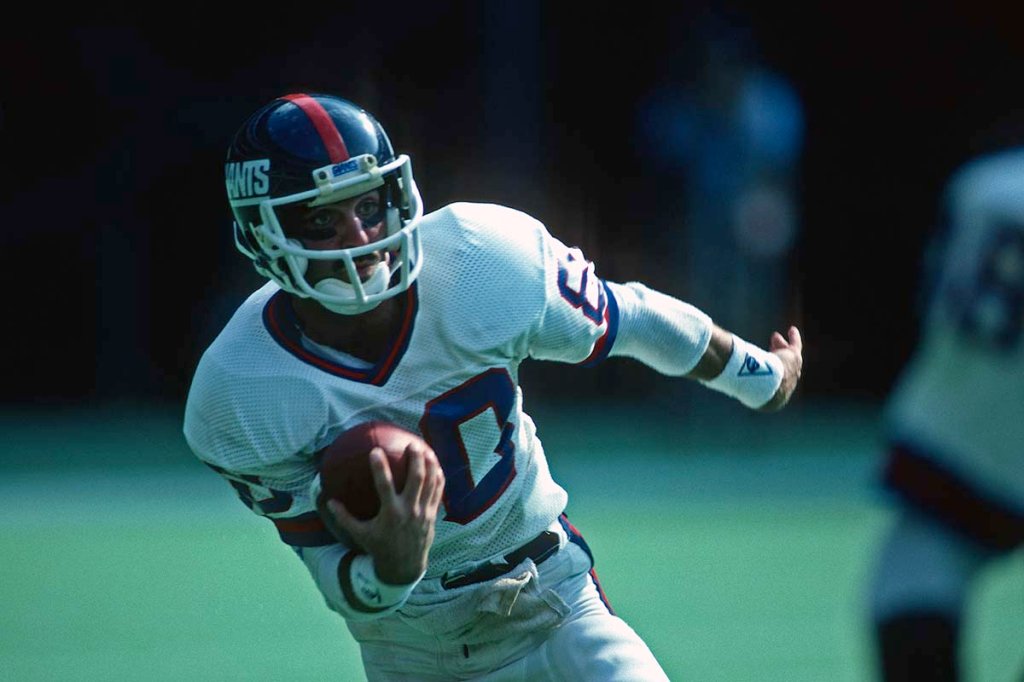
McConkey always was a good athlete. Since his childhood in Buffalo, New York, he also was usually one of the smallest players on his team. That resulted in McConkey’s skills typically being overlooked.
“I grew up with an enormous chip on my shoulder, because at every level, I was told I was too small to play football,” McConkey once recalled. “I had something to prove so on every play, I went full throttle.”
Despite being only 5 feet, 9 inches tall and weighing 160 pounds, McConkey proved to be one of the U.S. Naval Academy’s most productive players during the late 1970s. He was their best receiver and scored a total of 15 touchdowns in three seasons as a Midshipman. In his final game for Navy, he was selected as the offensive MVP in a 23-16 victory against Brigham Young in the inaugural Holiday Bowl in 1978 in San Diego.
McConkey figured that would be the final time he wore a football uniform, and he was OK with that then. His time as a naval aviator beckoned.
Off to Flight School
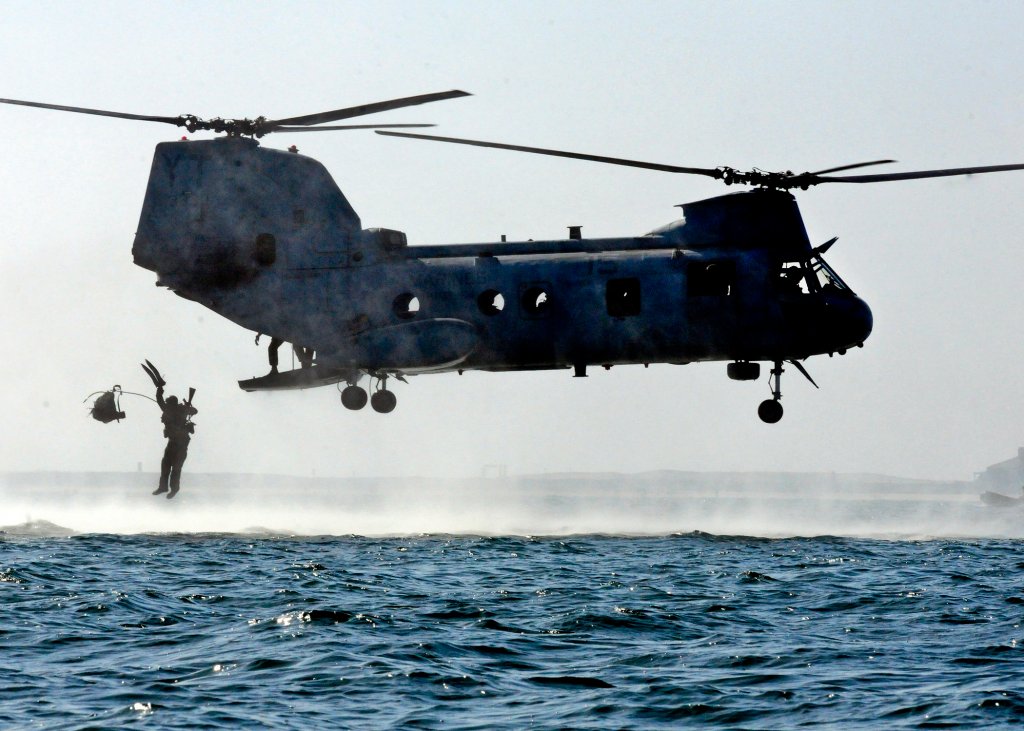
Instead of working out for professional football scouts, McConkey attended flight school. He graduated as a nuclear weapons transshipment pilot, which sounds as if it is infinitely riskier than catching a pass over the middle of the field in the NFL, and flew CH-46 Sea Knight helicopters.
McConkey enjoyed being in the military, but football was never entirely out of his system. As he told longtime Giants radio broadcaster Bob Papa, he started thinking about the NFL during his third year of active duty. Watching games on weekends inspired him even more to give his dream of playing in the NFL a try.
“I kept wondering what would happen if I had the opportunity,” McConkey told Papa.
As the end of his Navy commitment approached, McConkey worked out for longtime Naval Academy assistant coach Steve Belichick. McConkey’s skills impressed Belichick enough that the coach contacted his son Bill, then the Giants’ defensive coordinator.
That led to a training camp invitation in 1984. McConkey was 27 years old and had not played football in a half-decade, but the door was open. That’s all McConkey needed.
Making the Giants Against All Odds
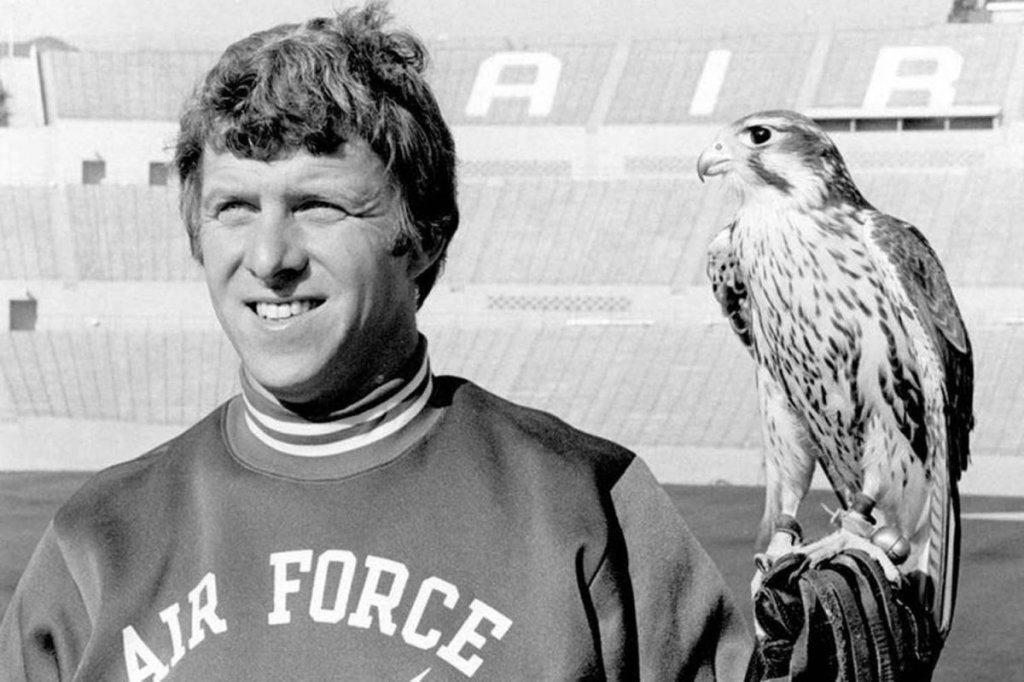
During that camp, McConkey went all-out on every play.
True to his military training, he was not leaving anything to chance. Giants coach Bill Parcells, who had been an assistant coach at Army and the head coach at Air Force before ascending to the NFL, noticed McConkey’s hair-on-fire approach immediately.
“Son, you better slow your motor down,” Parcells told McConkey after the first practice. “‘You’re going to burn yourself out.”
Whatever McConkey was doing, it worked. He made the Giants’ roster and played two seasons with New York before he was cut just before the 1986 regular season. The Green Bay Packers picked up McConkey, who played four games for the team before head coach Forrest Gregg called the receiver into his office.
As McConkey told Papa, he thought he was out of a job again. Instead, he learned the Giants were reacquiring him. McConkey was as stunned as he was excited to be going back to New York.
“It was one of the greatest feelings of my life,” McConkey said.
A Difference Maker in the Super Bowl
It was only going to get better for McConkey and the Giants. They won their final nine regular-season games in 1986 and steamrolled through the San Francisco 49ers and Washington Redskins on their way to the Super Bowl.
McConkey caught two passes against the Broncos. One came on a trick play and went for 44 yards, and the other resulted in a 6-yard touchdown when McConkey caught a deflected pass intended for tight end Mark Bavaro.
McConkey played for four teams during his six-year NFL career, but his biggest moments came with the Giants. Although his statistics were not eye-popping, he became a favorite among New York’s fans because of his unbridled enthusiasm for the sport.
After serving in the military, McConkey realized he was lucky to be there.
“Giants fans have always related to highly competitive people that would lay it all on the line to help their team win,” McConkey said to Papa in that Giants retrospective video. “It probably didn’t hurt that I had the best game of my pro career in the biggest game of my life, and those plays will resonate [in] Giants history.”
Following in Her Father’s Footsteps
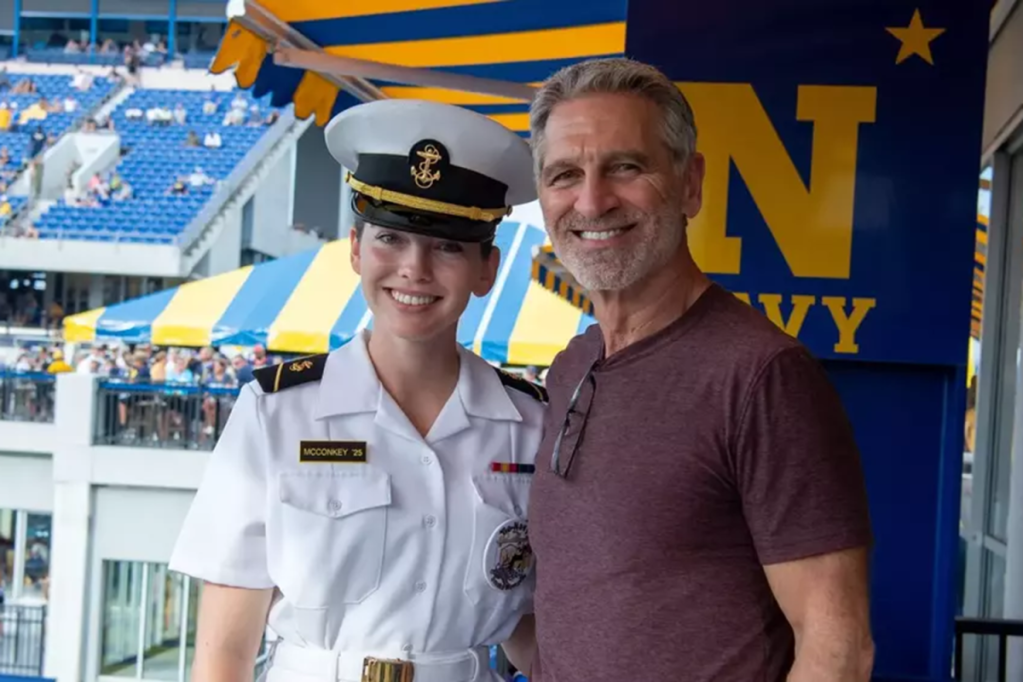
As a follower of Giants football, McConkey didn’t have much to cheer about this season as New York stumbled to a 4-13 finish.
It would be inaccurate to say that McConkey, 68, doesn’t have reason to celebrate, though. His daughter, May McConkey, became a Naval Academy graduate in 2025 and was commissioned as a Marine Corps officer.
During her plebe summer, McConkey wanted to go as unrecognized as possible, but it didn’t take long before other first-year midshipmen recognized the family connection.
“May’s plebe summer was tougher on me than her,” McConkey jokingly told Navy’s athletic department. “I was a nervous wreck. But May is stronger and tougher than I was.”
Somehow, Giants fans might find that hard to believe.